
Last updated September 10, 2026
Level 1 sweep and inspection to the NFPA 211 annual standard - flue, crown, cap, and flashing checked and photographed
Chimney sweep logs do not sweep chimneys. They loosen some creosote - which then falls where a brush and vacuum still have to collect it.
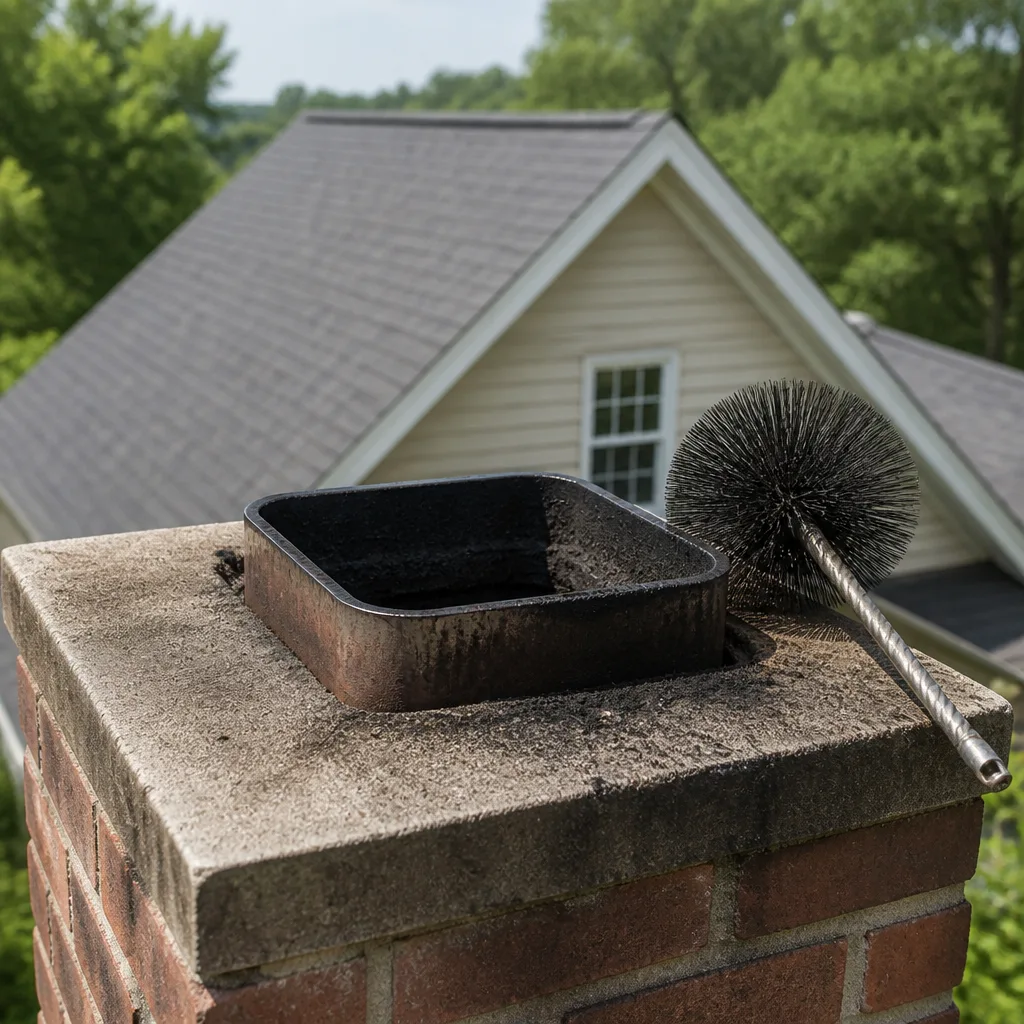
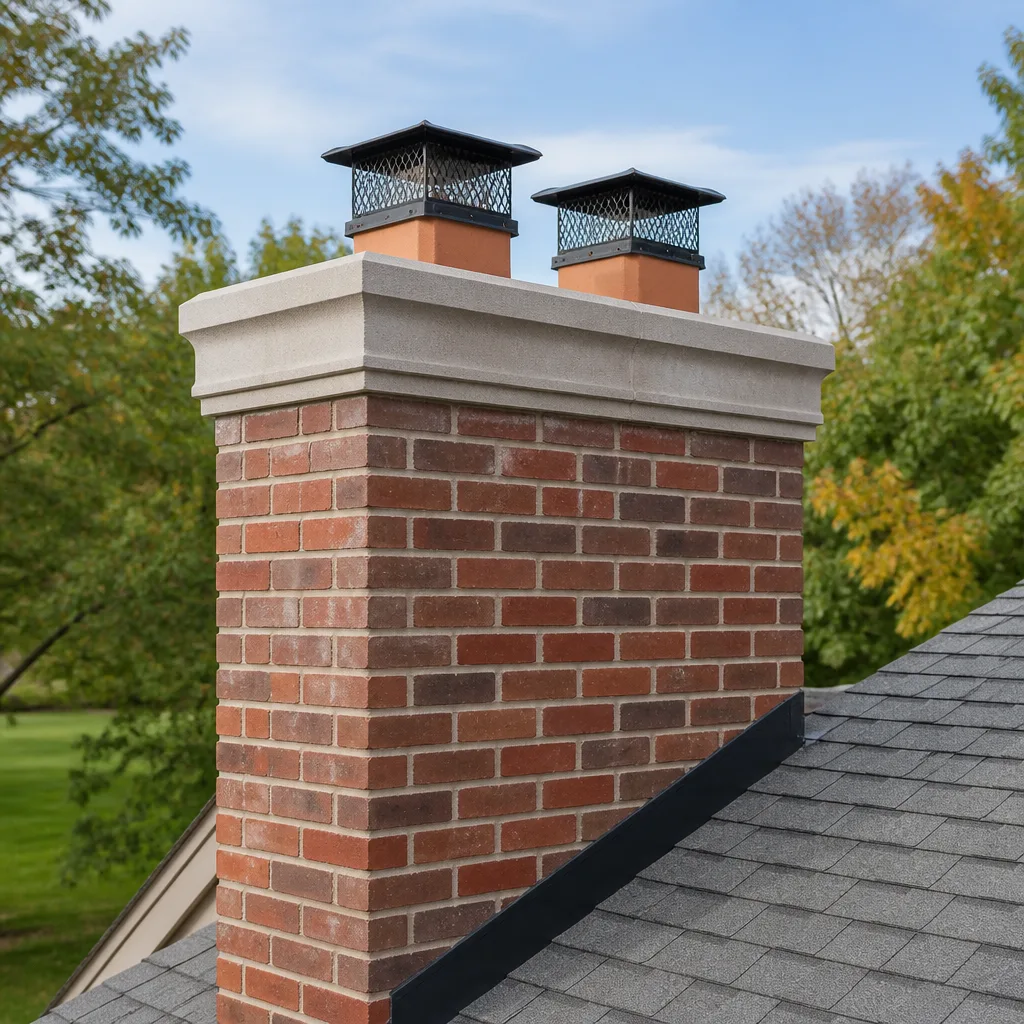
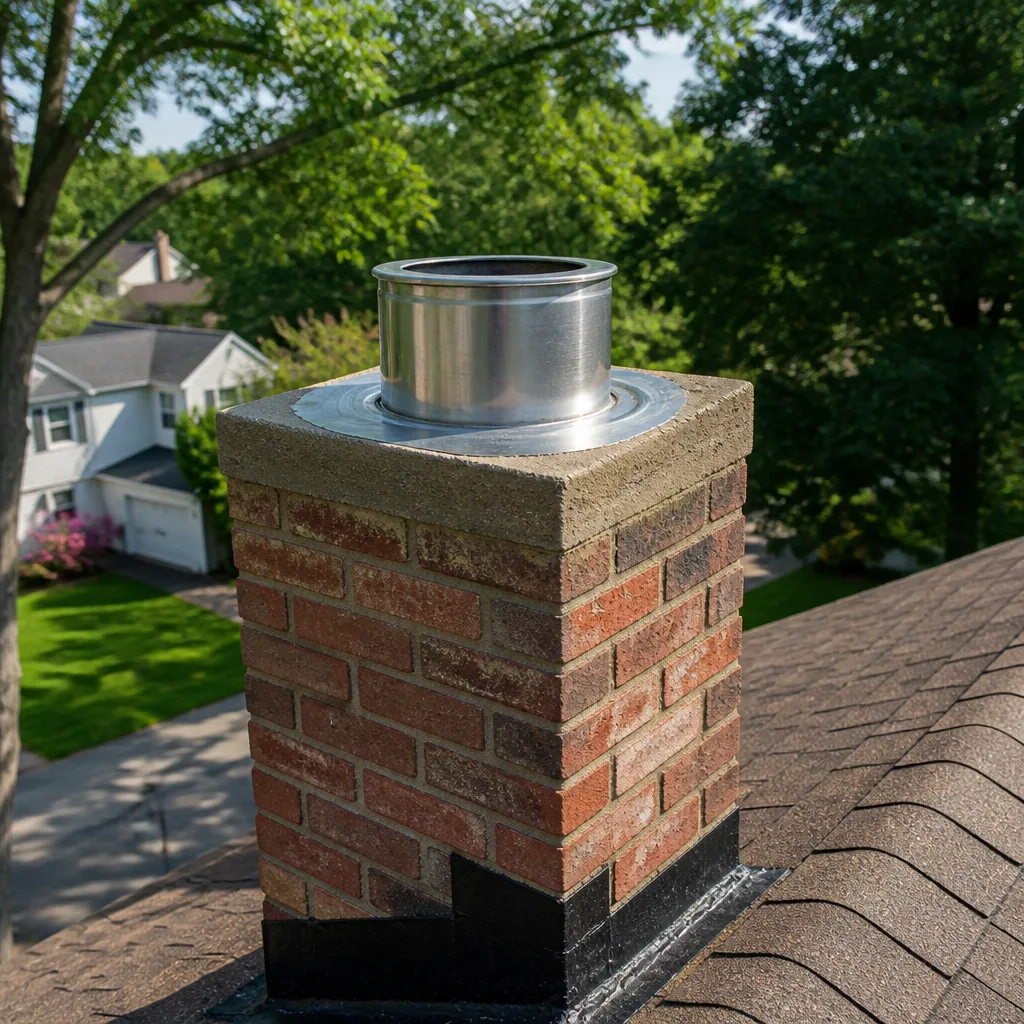
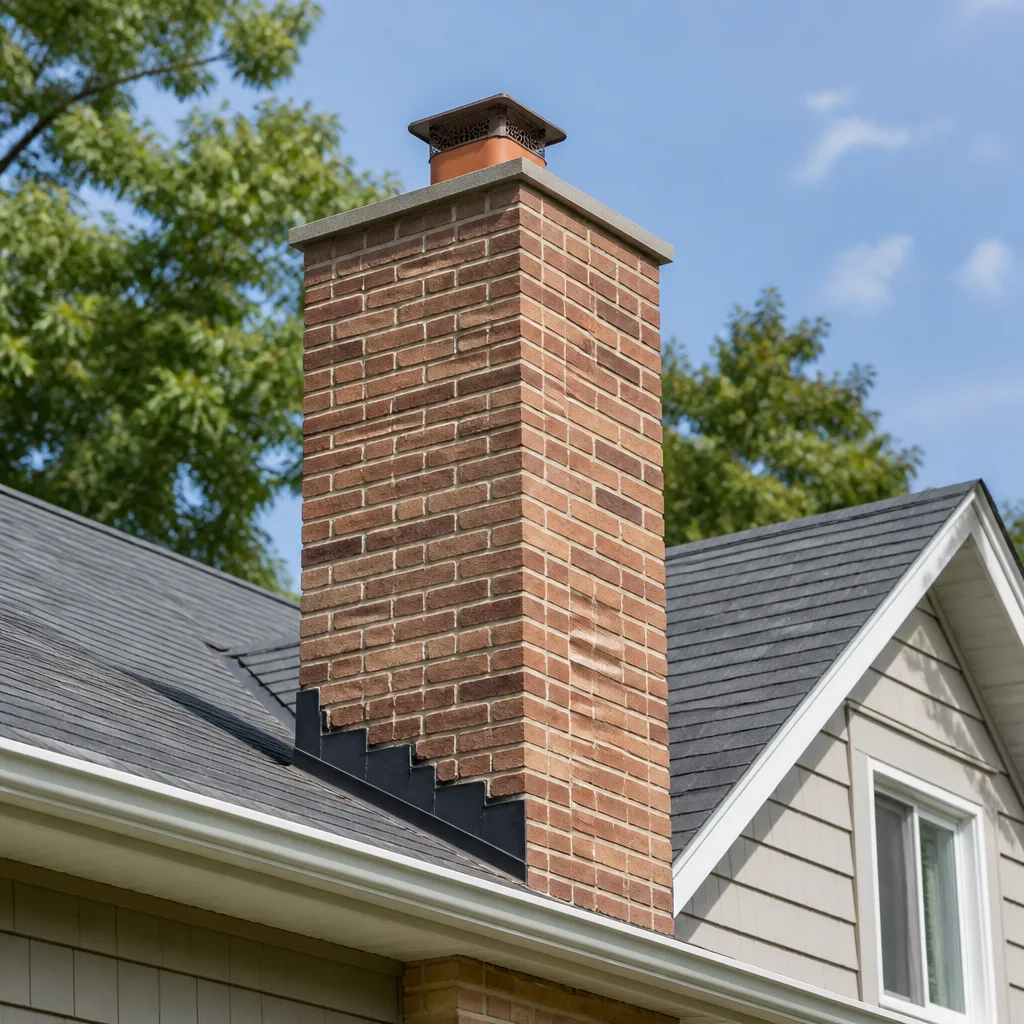
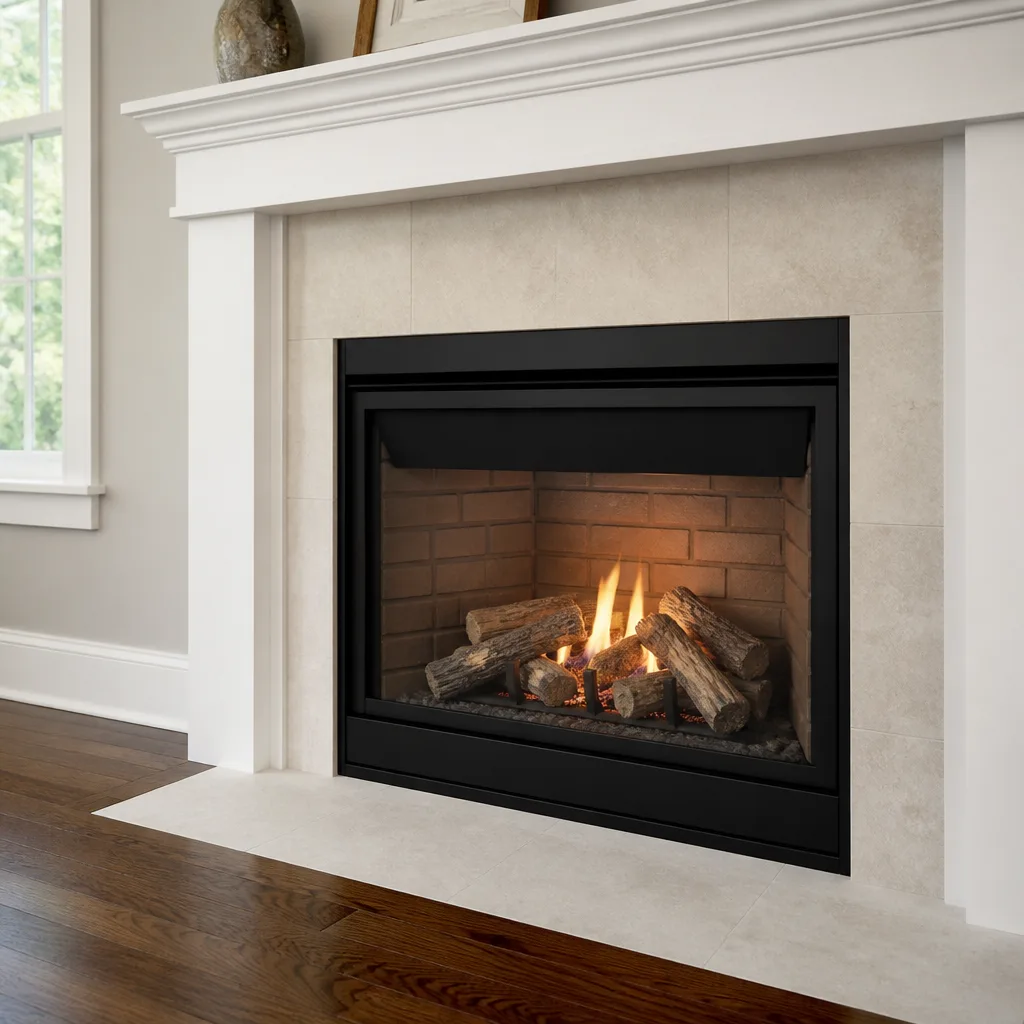
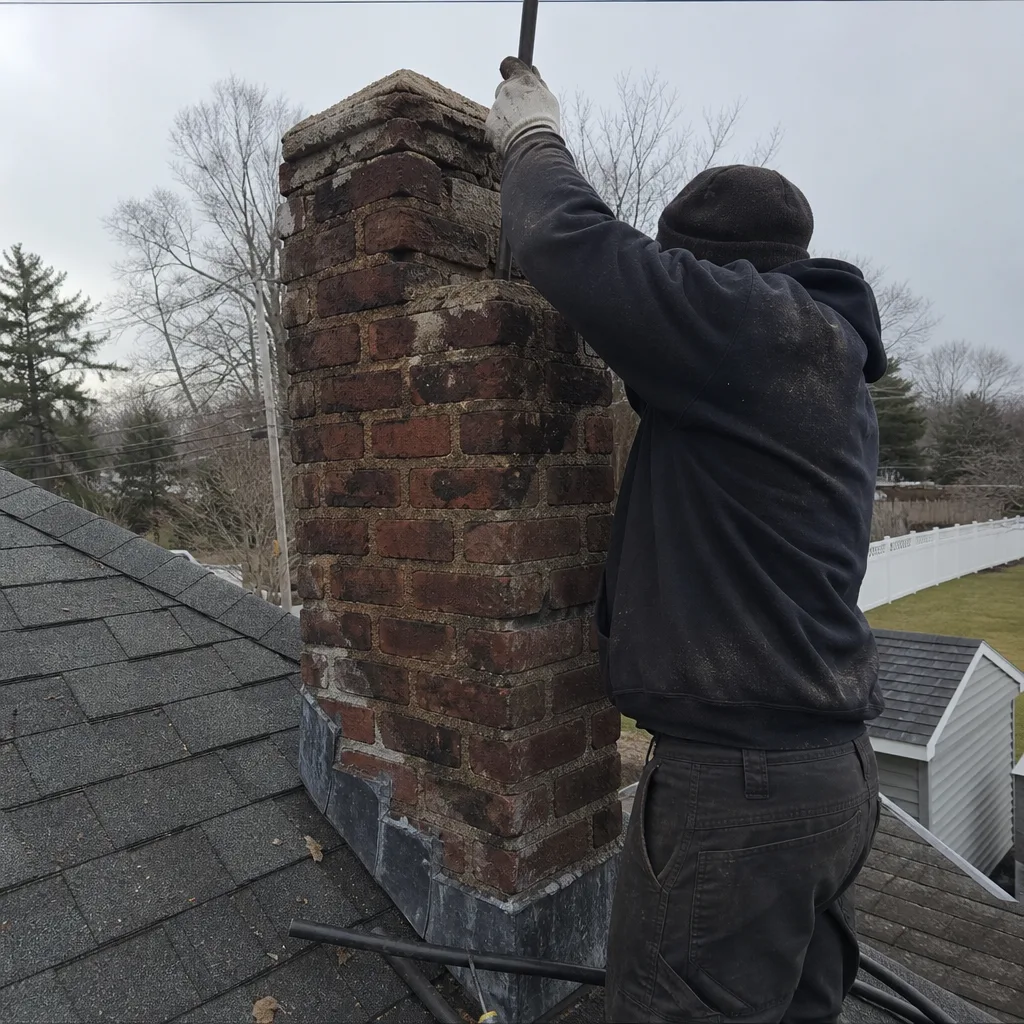 Before
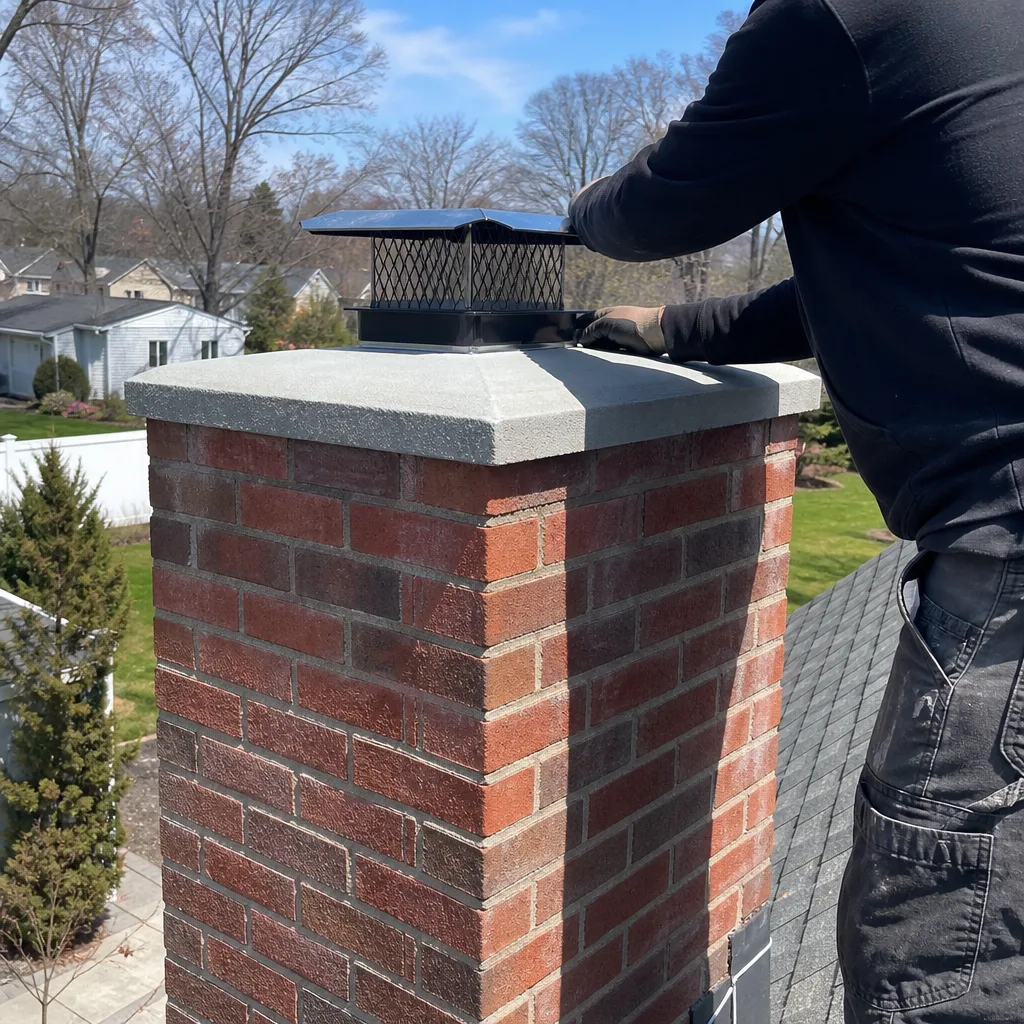 After
After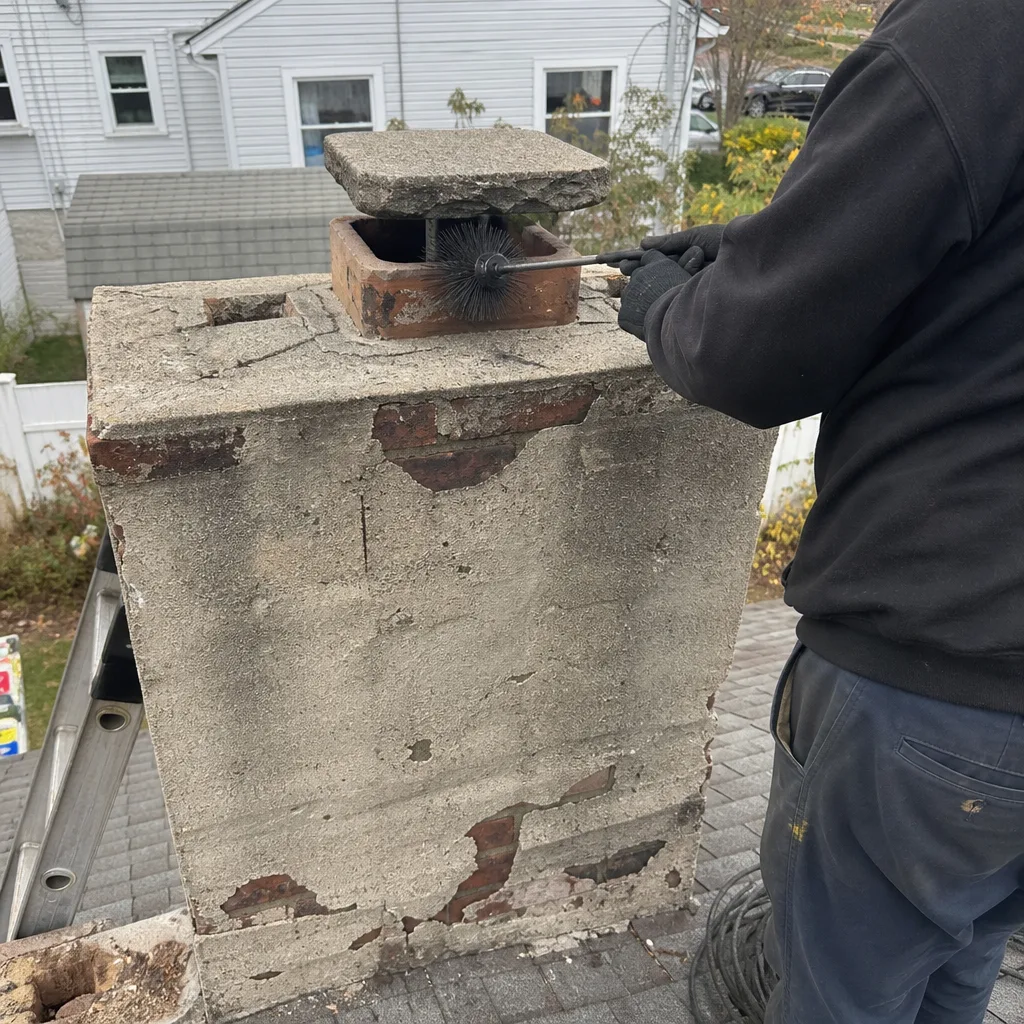 Before
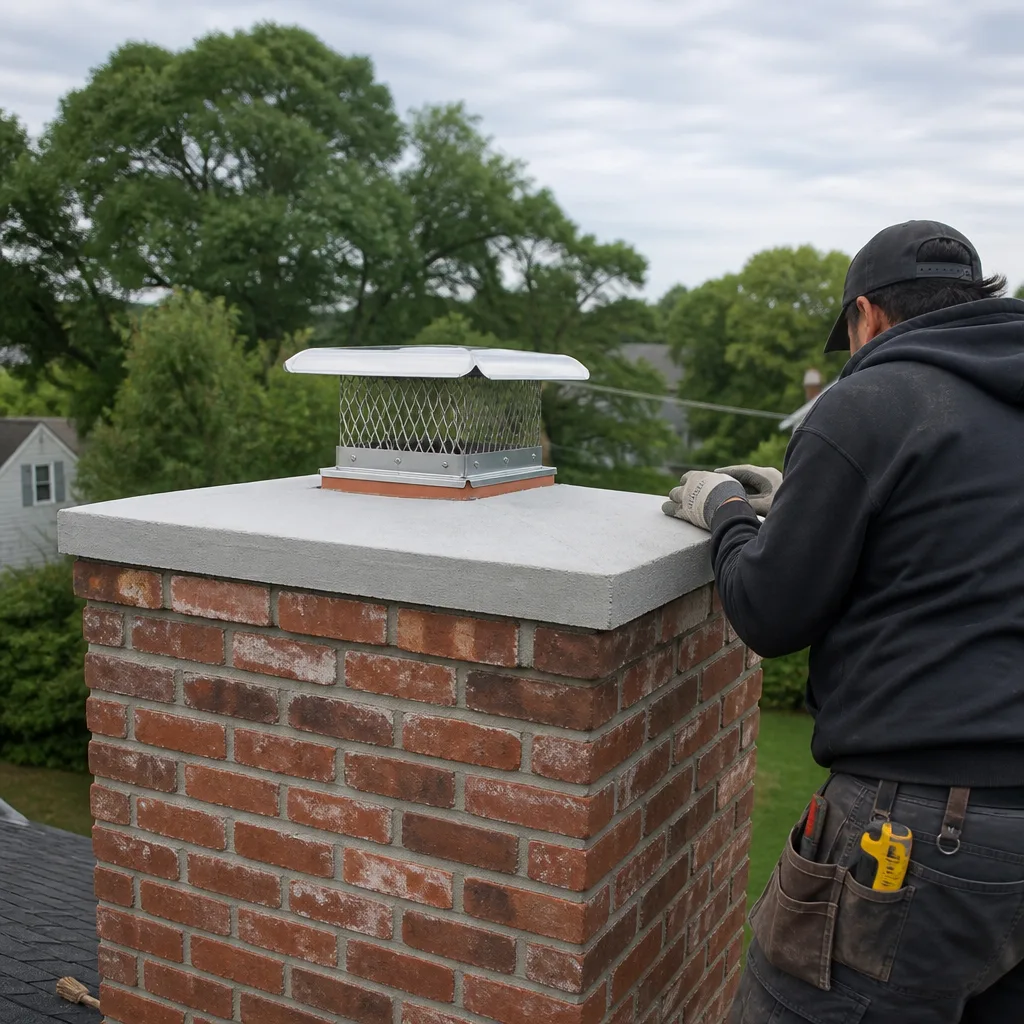 After
After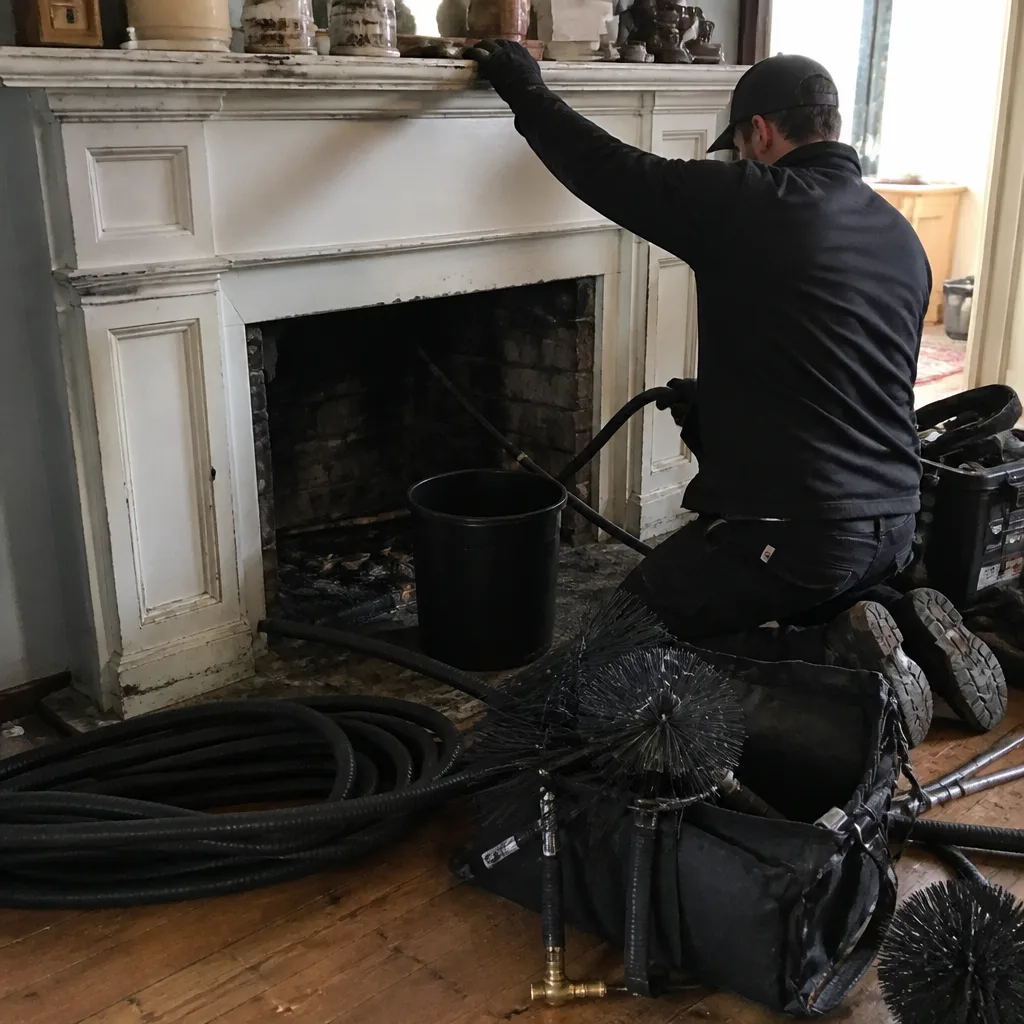 Before
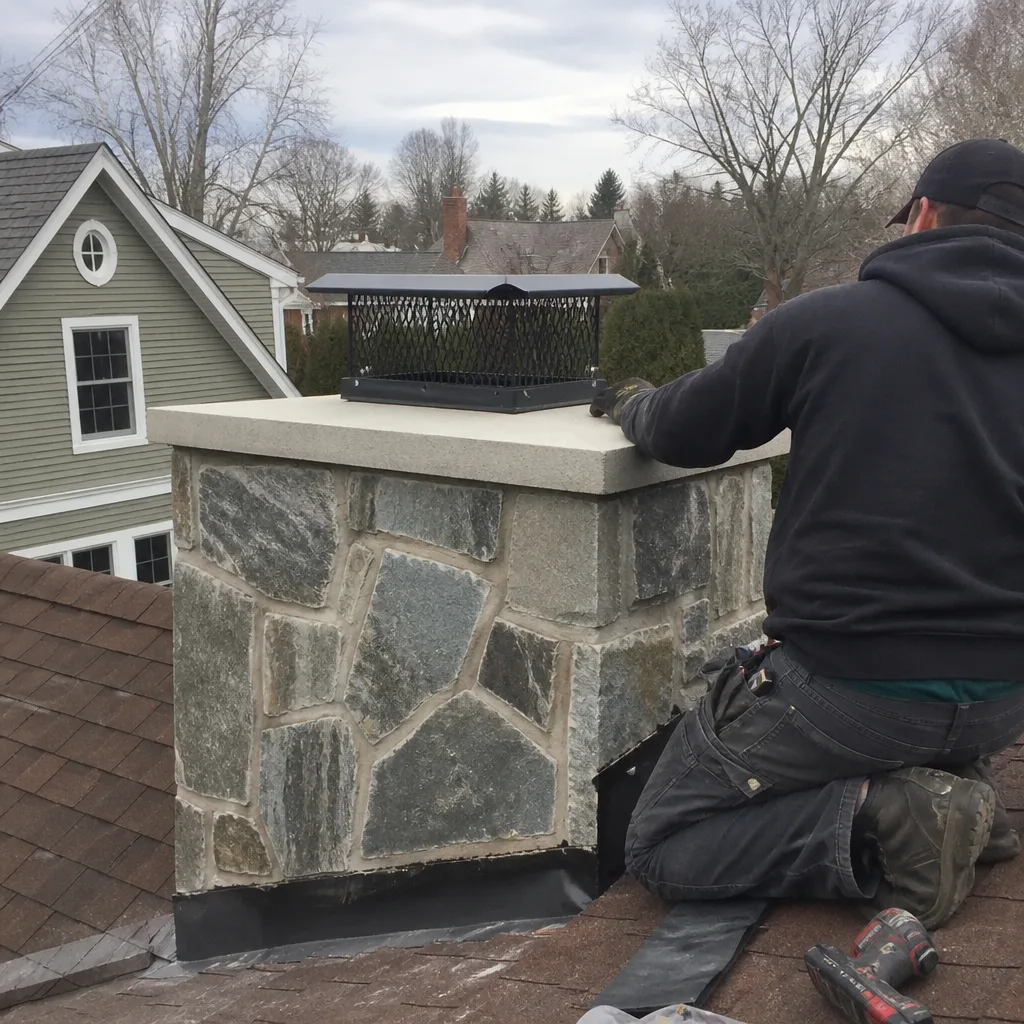 After
AfterChimney Cleaning Cost Breakdown: The Long Island Homeowner’s Reference for 2026
The $49 chimney cleaning special running in Long Island pennysaver ads has a business model, and it isn’t sweeping chimneys. It gets a tech in your house for 20 minutes, then sells you $800 in repairs you may or may not need. This guide breaks down exactly what a legitimate chimney cleaning costs on Long Island in 2026, what you’re actually paying for, and how to read any quote so you don’t get taken. You’ll learn the real price ranges, what a proper inspection adds, and which upsell line items deserve scrutiny.
Quick Answer
A legitimate chimney cleaning on Long Island in 2026 costs between $180 and $340 for a standard sweep with a Level 1 inspection. The $49 to $99 specials you see advertised are loss leaders designed to get a salesperson into your living room, not a sweep who actually does the job. A sweep with a Level 2 camera inspection runs $300 to $500, and oil-to-gas converted chimneys often run higher because of the extra liner work involved.
Table of Contents
- What a Legitimate Chimney Cleaning Costs on Long Island in 2026
- What You’re Actually Paying For: Labor, Equipment, and the Inspection
- Level 1 vs. Level 2 Inspections: When Each Is Appropriate
- Common Upsell Line Items: Which Are Real, Which Are Oversold
- Why Oil-to-Gas Converted Chimneys Cost More to Service Correctly
- How to Compare Quotes Using the Same Framework
- Common Mistakes to Avoid
- When to Call a Professional
- Frequently Asked Questions
- The Bottom Line
What a Legitimate Chimney Cleaning Costs on Long Island in 2026
A standard chimney sweep plus Level 1 inspection on Long Island runs between $180 and $340 depending on the height of the flue, the condition of the chimney, how long it’s been since the last cleaning, and whether there’s a creosote glaze or third-degree buildup. That’s the honest range. If you’re in an older home in Huntington, Massapequa, or Sayville with a two-story chimney that hasn’t been swept in five years, expect the higher end. If you’re in a ranch in Selden with a single-story flue and you have it done every year, the lower end applies.
The $49 coupon price does not exist as a standalone service. It’s a marketing cost, and the business model recovers that cost through repair sales, usually for things that can wait or were never needed in the first place. A sweep who shows up with just a brush and a shop vac for $49 is not doing what a proper cleaning requires. You’re comparing a 20-minute brushing to a full flue assessment.
Here’s a breakdown of typical 2026 price points across Long Island:
- Standard sweep, no inspection: $120 to $180 (not recommended as a standalone; inspection is where the real value is)
- Sweep with Level 1 inspection: $180 to $340 (standard for a well-maintained chimney with no changes to the system)
- Sweep with Level 2 camera inspection: $300 to $500 (recommended after a chimney fire, before a liner install, or when buying a home)
- Chimney cap installation: $150 to $350 depending on the cap material and flue size
- Chimney crown repair: $300 to $800 depending on how much rebuilding is required
- Stainless steel liner installation: $2,500 to $5,000 depending on flue dimensions and access
These numbers reflect Long Island’s market specifically. Labor rates here are higher than upstate, older housing stock means more masonry surprises, and many homes along the South Shore have corrosion issues from salt air that inland homes never face. A quote from a national franchise will often look similar on paper but the person showing up won’t know that salt air eats copper caps faster in Freeport than it does in Huntington Station.
What You’re Actually Paying For: Labor, Equipment, and the Inspection
The gap between a $49 coupon and a $300 professional service isn’t markup. It’s the difference between a tech with a brush and a sweep who’s actually doing the job. When Wendell and his crew show up for a chimney cleaning in Long Island, here’s what the hours actually cover:
- Setup and protection (15-20 minutes): Drop cloths around the hearth, a HEPA vacuum running to catch dust, ladder placement if roof access is needed, and inspection of the work area. Skip this step at your own risk. The $49 tech often skips it.
- The mechanical sweep itself (30-45 minutes): The brush work is the part everyone pictures, but doing it right means running the brush from the flue opening through the full length of the chimney until the creosote releases from the walls. A rushed sweep leaves first-degree creosote behind, and first-degree creosote is a brush job. Catch it early.
- Flue inspection with a mirror and light (15-20 minutes): This is where most of the actual value lives. The sweep looks for cracks, gaps, loose bricks, animal intrusion, and creosote grade. No camera yet; that’s the Level 2 step. You should be told plainly what was found and what can wait.
- Firebox and damper check (10 minutes): The damper gets opened and closed, the firebox gets inspected for cracks, and the smoke shelf is checked for debris. On Long Island, older dampers in postwar Capes are frequently rusted or stuck, and you should know that before the first fire of the season.
- Cleanup and written findings (15-20 minutes): The area around the hearth should be as clean as it was when the sweep arrived. You should receive a written summary of what was done, what was found, and what (if anything) actually needs attention. No written findings is a red flag.
First-degree creosote is a brush job. Third-degree is a glaze. If the sweep tells you your third-degree glaze can be handled by a standard brushing, he’s wrong. If he tells you a first-degree coating requires a chemical treatment or a liner, he’s selling something. The camera footage and a plain-English verdict should be standard, every time, no exceptions.
Level 1 vs. Level 2 Inspections: When Each Is Appropriate
A Level 1 inspection is what comes with a standard sweep. It covers the readily accessible portions of the chimney: the flue interior with a light and mirror, the firebox, the damper, and the exterior visible from the ground. It’s appropriate when you’ve had the chimney swept annually and nothing about the system has changed.
A Level 2 inspection adds a camera run through the full length of the flue, and it’s not optional in several situations. You need a Level 2 when:
- You’re buying or selling a home
- The chimney has survived a fire, even a small one
- There’s been a lightning strike, earthquake, or major storm event
- The appliance type has changed (wood to gas, oil to gas)
- The liner condition is unknown on an older home
The camera sees what a mirror can’t: hairline cracks in clay tile liners, gaps between flue tile sections, hidden creosote glaze behind an offset, and separation at the smoke chamber. On Long Island, where many homes date to the 1940s through 1960s, clay tile liners are common and they do not age gracefully. A crack in a clay liner is how chimney fires get fuel, and you can’t see it without a camera.
Here’s the cost logic: a Level 1 inspection is included with most sweeps at no extra charge. A Level 2 camera inspection adds $100 to $170 to the bill. That $100 to $170 is cheap insurance when you’re about to put $4,000 into a liner or you’re standing in a house you’re about to buy. If a sweep quotes a Level 2 without explaining why you need it, ask the question. If he can’t answer, call someone else.
Common Upsell Line Items: Which Are Real, Which Are Oversold
Every chimney sweep has been in the position of finding something that genuinely needs repair. The difference between a good sweep and a salesperson is whether they show you the evidence and let the camera do the talking. Here are the line items you’ll see on quotes across Long Island and which ones deserve scrutiny:
- Chimney caps: Often genuinely needed. A missing or rusted cap lets rain, birds, and raccoons into the flue. On the South Shore, salt air rusts caps faster than anywhere else on Long Island. A stainless steel cap from a brand like Copperfield runs $150 to $300 installed. If the cap is rusted through, replace it. If the cap is fine and the sweep is selling a “upgrade,” push back.
- Chase covers: These are the flat metal tops on prefab or factory-built chimneys. In Long Island’s humid summers and freezing winters, chase covers rust out. A replacement with a reputable brand like Famco is a fair recommendation when the old one is rusted through. But if the chase cover is 5 years old and just needs resealing, that’s a different, cheaper job. Ask to see the rust.
- Waterproofing treatments: This is the most oversold item in chimney work. A water repellent treatment for brick is useful if the brick is spalling and the crown has already been repaired. It is not a substitute for fixing a cracked crown, and applying it every year is a waste of your money. A crown that’s already broken will leak regardless of what you spray on the brick below it. Fix the crown first. Waterproofing is a final step, not a repair.
- Liner replacement: Sometimes the single most important recommendation a sweep will ever make. A cracked clay liner is a fire hazard, and on an oil-to-gas converted chimney, the liner is doing even more work. But the recommendation should come with camera evidence you can see with your own eyes. Nothing is recommended without camera evidence. If the sweep can’t show you the crack, you don’t have to believe it.
- Creosote removal treatments: For third-degree glaze, a chemical treatment or a rotary chain whip is sometimes the only way to get the flue clean. For first-degree creosote, it’s a brush job. If a sweep is pushing a chemical treatment on a chimney with light, flaky creosote, he’s padding the invoice. Ask what degree the creosote is. The answer tells you everything.
Why Oil-to-Gas Converted Chimneys Cost More to Service Correctly
Long Island has thousands of homes that converted from oil heat to natural gas over the last two decades, especially after the gas line expansions of the early 2000s. When oil heat was removed and gas equipment was installed, the chimney didn’t magically become compatible. Gas appliances vent differently than oil burners, and the existing clay tile liner often isn’t sized correctly for gas exhaust. The result is a chimney that needs more attention, not less.
A gas furnace or boiler produces cooler exhaust with higher moisture content than an oil burner. That moisture condenses on the inside of the old clay tile flue, and the condensation is acidic. Over years, the tile starts to break down from the inside. The chimney still looks fine from the outside. The flue is quietly degrading.
This is why oil-to-gas converted chimneys on Long Island often cost more to service correctly. A proper inspection requires a camera run through the flue to check for the specific spalling and scaling that gas condensation causes. If the liner needs replacement, a stainless steel liner from a brand like DuraFlex is the standard solution, and that’s a $2,500 to $5,000 job depending on the flue dimensions and roof access.
The corner that gets cut when a quote comes in suspiciously low is this: the low-bid tech skips the camera inspection entirely, sweeps the flue, and calls it good. The acidic condensation keeps eating the tile, and six months later the homeowner has a flue leak or worse. On a gas system, carbon monoxide is odorless, and a degraded liner is the path for exhaust to enter the living space. Your flue doesn’t care how the fire looks. It cares how it breathes.
If your home converted from oil to gas and the chimney hasn’t been inspected since, that inspection should be at the top of the list. Ask the sweep specifically whether they’re checking for gas-condensation damage. The answer tells you whether they understand Long Island’s housing stock or just took a national franchise training module.
How to Compare Quotes Using the Same Framework
Most homeowners compare two chimney quotes by looking at the bottom-line number. That’s the wrong metric, and it’s how the $49 special operators stay in business. Instead, compare quotes using this framework:
- Scope: What exactly is included? A sweep without an inspection is not comparable to a sweep with one. A Level 2 camera inspection is not the same as a mirror-and-light look. Write down what each quote includes in plain terms and put them side by side.
- Liner access: Does the quote include inspecting the full liner length? If the sweep says the liner “looked fine” from the top but didn’t run a camera, that’s a partial scope. You’re paying for information, not just brushing.
- Written findings: Does the sweep provide a written report with photos or camera stills? The camera footage and a plain-English verdict, every time, no exceptions. If the quote doesn’t include written documentation, it’s not a professional quote.
- Warranty: What happens if the work isn’t right? A 90-day written promise that one call brings the sweep back at no additional cost is the standard you should expect. If the quote doesn’t mention any guarantee, ask. If they hedge, walk.
- Who shows up: Is the person writing the quote the same person doing the work? An owner-operated shop where Wendell puts his name on the work is a different accountability model than a franchise that rotates crews. Ask anyone on your street. The name on the truck matters on Long Island, where your neighbor is going to ask you how it went.
We do free second opinions on any written estimate. Bring us the quote from the national outfit or the $49 special operator and we’ll tell you what’s real, what’s oversold, and what can safely wait. The number on the page isn’t the decision. The scope behind the number is.
Common Mistakes to Avoid
- Biting on the $49 coupon and then believing the repair list. The $49 chimney cleaning special running in Long Island pennysaver ads has a business model, and you’re standing in the middle of it. A tech who’s paid on commission from repair sales is not an impartial assessor of your chimney’s health.
- Skipping the annual sweep because the fire “looks fine.” Once a year, burn or no burn. Chimneys break in the off-season too, and the issues that kill chimneys (water intrusion, liner cracks, animal nests) are invisible from the living room.
- Comparing only the bottom-line number. A $180 sweep with no inspection and no written findings is not cheaper than a $280 sweep with a Level 1 inspection and a photo report. You’re buying information, not just brushing.
- Accepting an upsell recommendation without asking for evidence. If the sweep can’t show you the camera footage of the cracked liner or the rusted chase cover, you don’t have a repair need. You have a sales pitch.
- Ignoring the oil-to-gas conversion history. If your Long Island home converted from oil to gas and the chimney hasn’t been inspected since, you’re driving a car without ever opening the hood. The flue is degrading, and you can’t see it.
- Hiring a sweep who refuses to put anything in writing. A verbal estimate is worth nothing. A written scope, written findings, and a written guarantee are the baseline for professional chimney work on Long Island.
- Not checking that the company has a local address and a licensed principal. A published address and license number are the difference between a sweep who will run into you again at the hardware store and a call center that will route your complaint to a voicemail box.
When to Call a Professional
Call a professional if you see any of these: creosote buildup you can scratch with a fireplace tool, a chimney that hasn’t been swept in over a year, signs of water staining around the hearth or on the ceiling near the chimney, animals or nesting debris in the flue, a damper that won’t open or close, or any evidence of a chimney fire including cracked flue tiles or a warped damper. If your home converted from oil to gas and the chimney hasn’t been inspected since the conversion, call before the next heating season starts. Top Hat Chimney offers free estimates in Long Island and a free second opinion on any written estimate. Call (516) 968-5380 to talk to a live person, not a voicemail box.
Frequently Asked Questions
A standard chimney sweep with a Level 1 inspection on Long Island costs between $180 and $340 in 2026, depending on flue height, creosote grade, and how long it’s been since the last cleaning. The $49 specials you see advertised are loss leaders designed to get a salesperson in the door, not to actually clean your chimney properly. Call (516) 968-5380 for an exact quote, and know the number you hear on the phone is the number on the invoice.
You need a new liner if the existing one is cracked, spalling, or the wrong size for your current appliance, and the only way to know is a camera inspection. On Long Island, homes that converted from oil to gas often have liners degrading from acidic condensation that you can’t see from either end. Nothing is recommended without camera evidence you can see with your own eyes. If a sweep recommends a liner without showing you the footage, get a second opinion. We do free second opinions on any written estimate.
Once a year, burn or no burn. Chimneys break in the off-season too, and the water intrusion, liner cracks, and animal nests that cause the most damage happen whether you’re burning or not. If you burn wood regularly during Long Island’s heating season, an annual sweep in late summer or early fall keeps you ahead of the first fire. Call (516) 968-5380 to schedule yours; there’s no trip charge inside the county.
The creosote keeps building. First-degree creosote is a brush job. Third-degree is a glaze, and once you’re there, the fix is more expensive and the chimney fire risk is real. Creosote is combustible. It’s the fuel for chimney fires, and a chimney fire can crack your liner, damage your masonry, and in the worst case spread to the house itself. The camera footage tells the story better than any warning can. Call (516) 968-5380 to get yours inspected before burning season.
Gas appliances produce cooler, wetter exhaust than oil burners, and that condensation is acidic. It degrades clay tile liners from the inside, which means oil-to-gas converted chimneys on Long Island need more careful inspection, often with a camera, and more frequent liner replacement. The corners cut when a quote comes in suspiciously low are usually the camera inspection and the liner assessment. Call (516) 968-5380 and ask specifically about gas-condensation damage. The answer will tell you if the sweep knows Long Island housing stock.
Yes, if the existing cap is missing or rusted through. A stainless steel cap from a brand like Copperfield runs $150 to $300 installed on most Long Island chimneys, and it keeps rain, animals, and debris out of the flue. If the cap is present and intact, an “upgrade” is usually unnecessary. Ask to see the rust. A sweep who shows you the evidence is a sweep you can trust. Call (516) 968-5380 for an honest assessment, and there’s $40 off any repair over $200.
The Bottom Line
A legitimate chimney cleaning on Long Island in 2026 costs $180 to $340 for a sweep with a Level 1 inspection. The $49 coupon is a sales tactic, not a service. What you’re paying for is the inspection, the camera evidence when it’s warranted, and the written findings that tell you what actually needs doing. Oil-to-gas converted chimneys need more attention, not less. Compare quotes by scope, liner access, written findings, and warranty, not by bottom line. Once a year, burn or no burn. Chimney repair in Long Island starts with an honest assessment, and fireplace services in Long Island should always come with a plain-English verdict. Call (516) 968-5380 and talk to a live person, day or night. It may well be Wendell himself picking up.
Written by Wendell Pike, Owner at Top Hat Chimney, serving Long Island since 1999.