
Level 1 sweep and inspection to the NFPA 211 annual standard - flue, crown, cap, and flashing checked and photographed
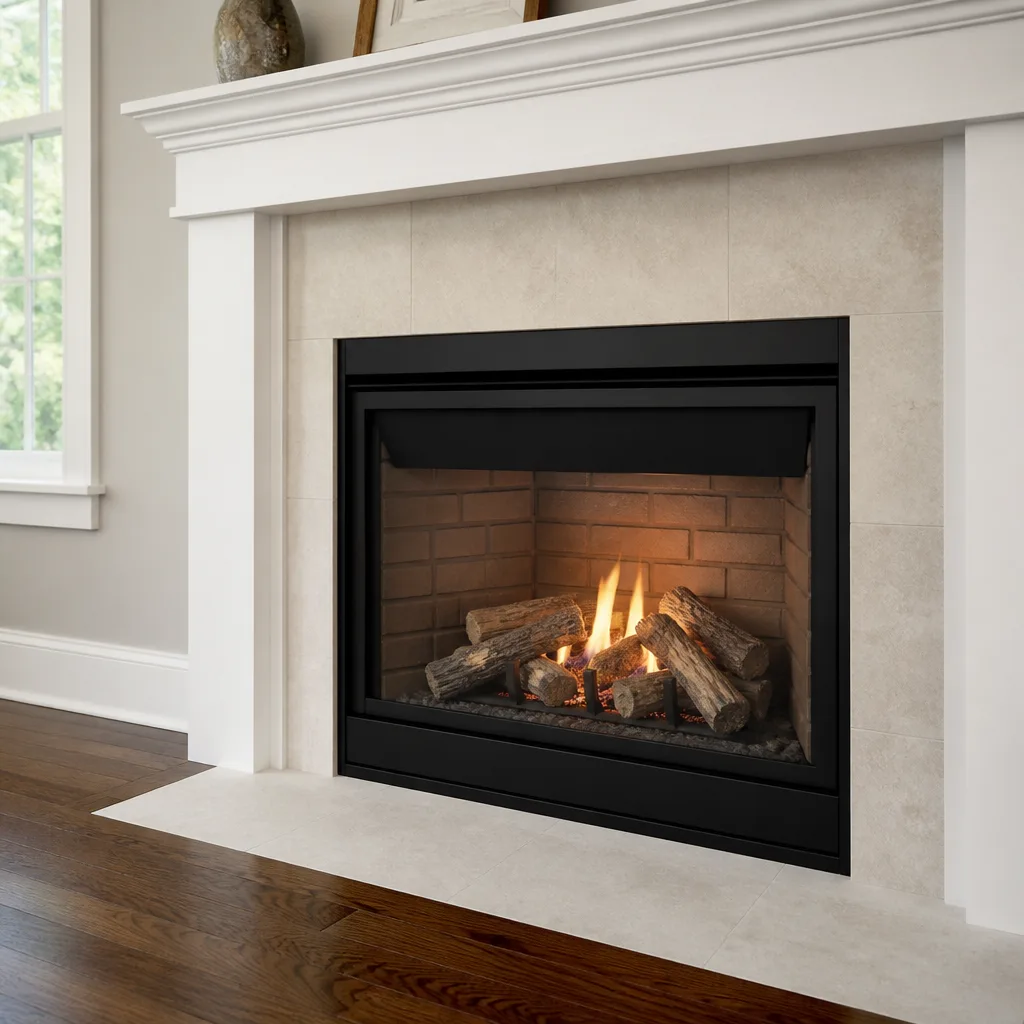
Chimney sweep logs do not sweep chimneys. They loosen some creosote - which then falls where a brush and vacuum still have to collect it.
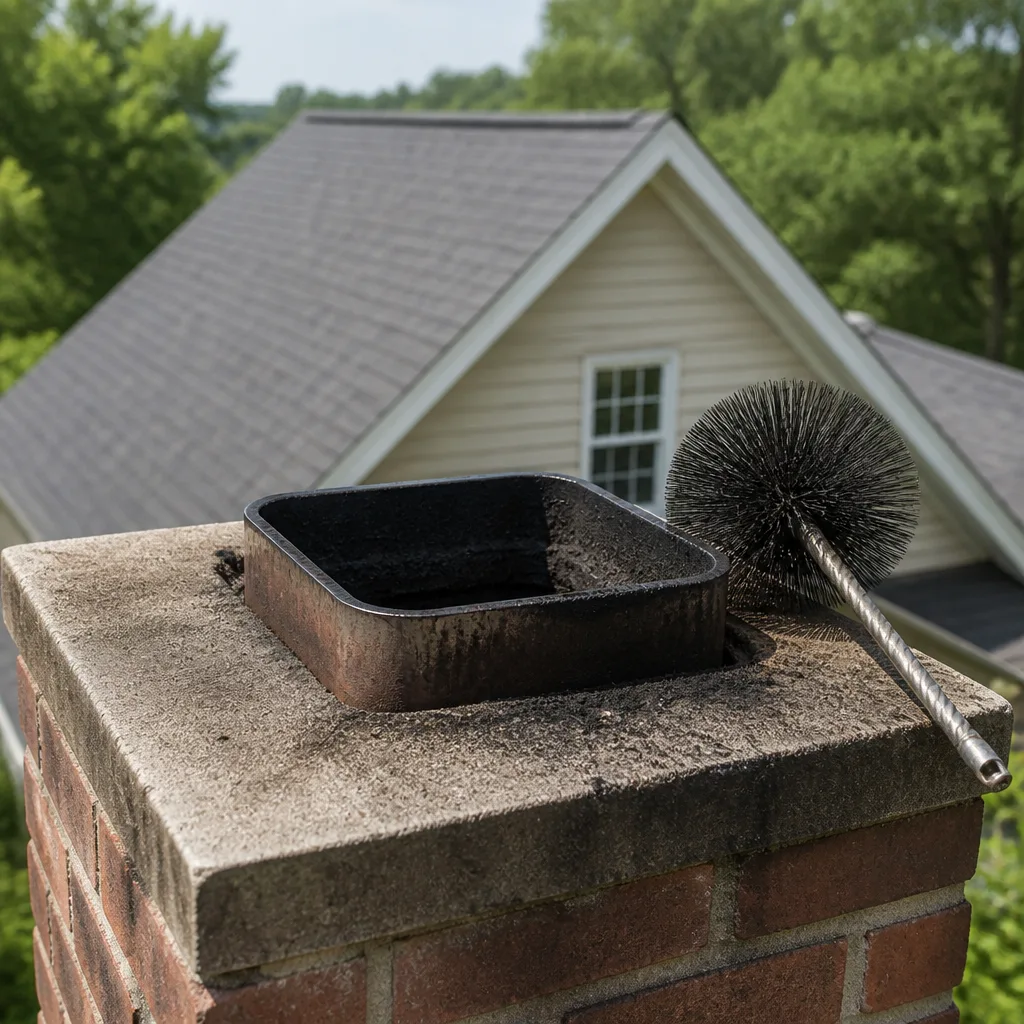
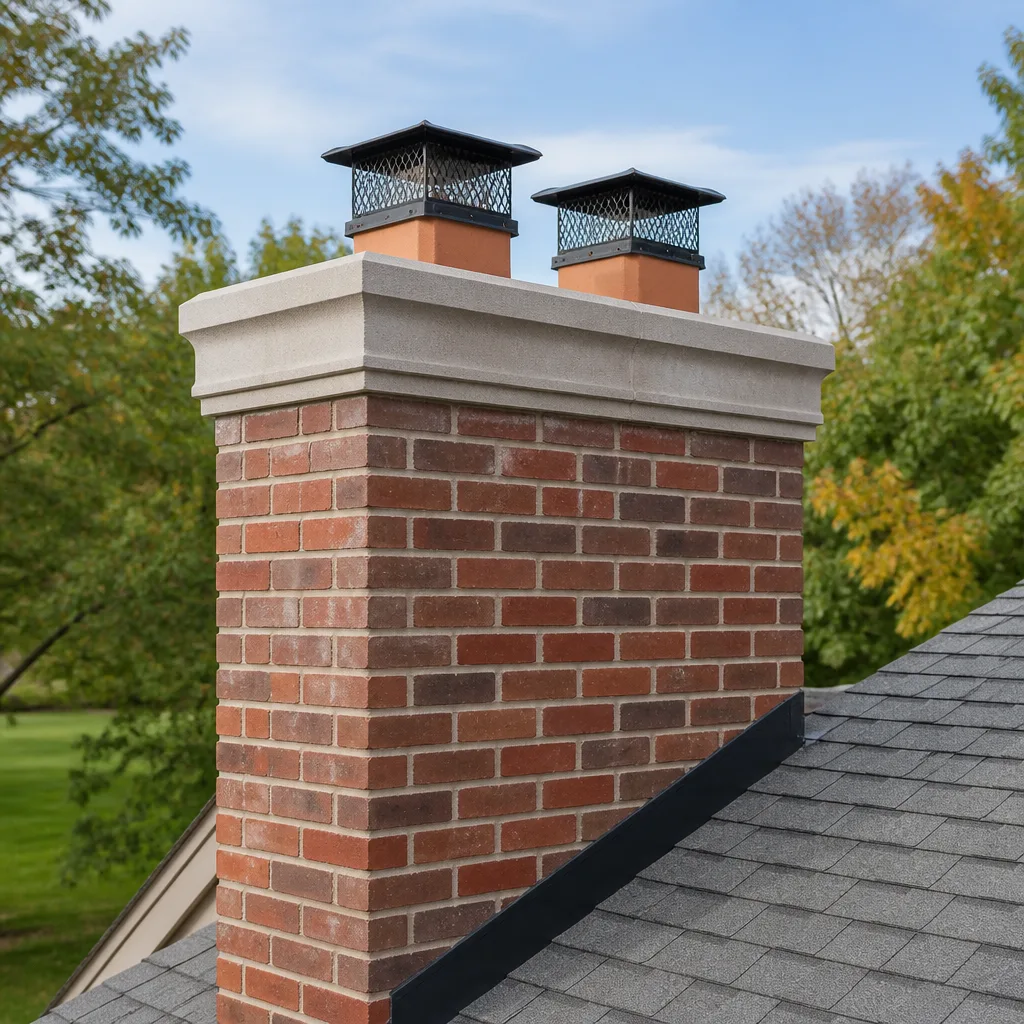
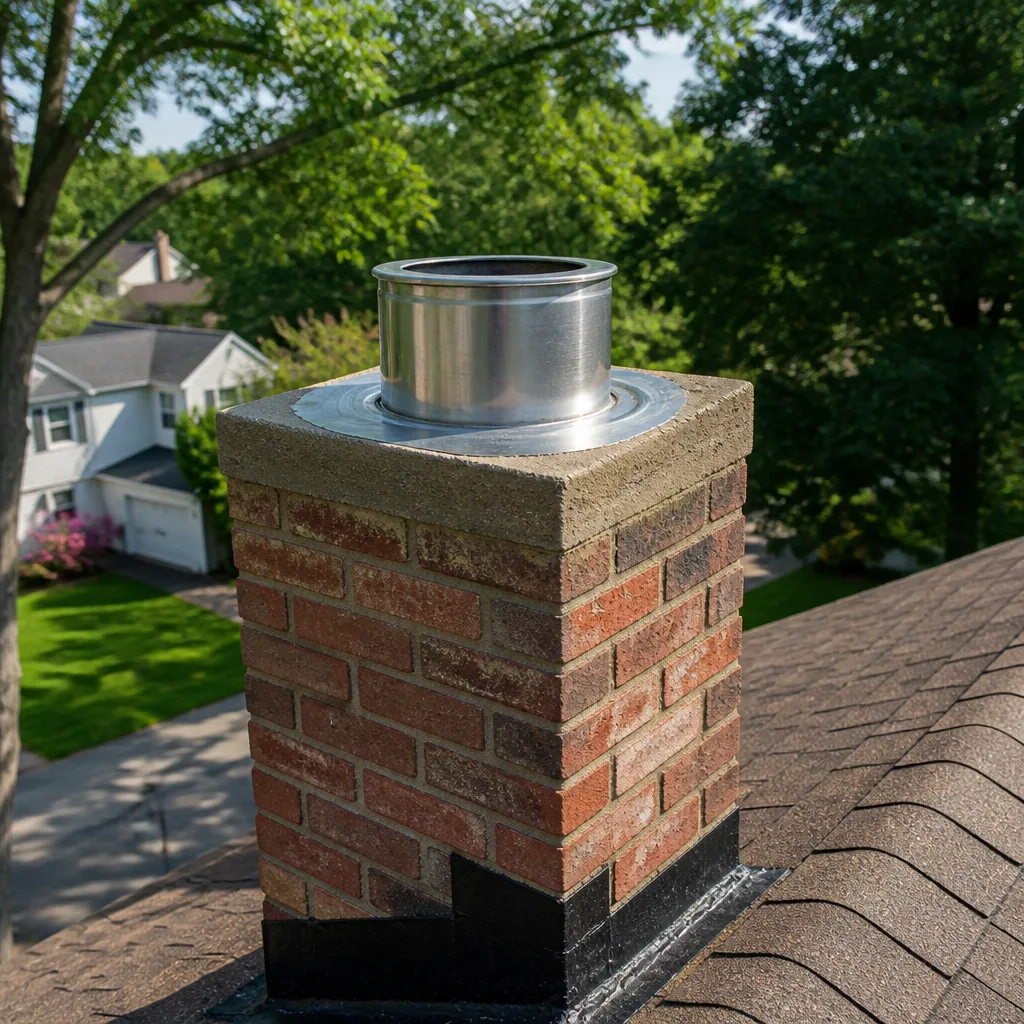
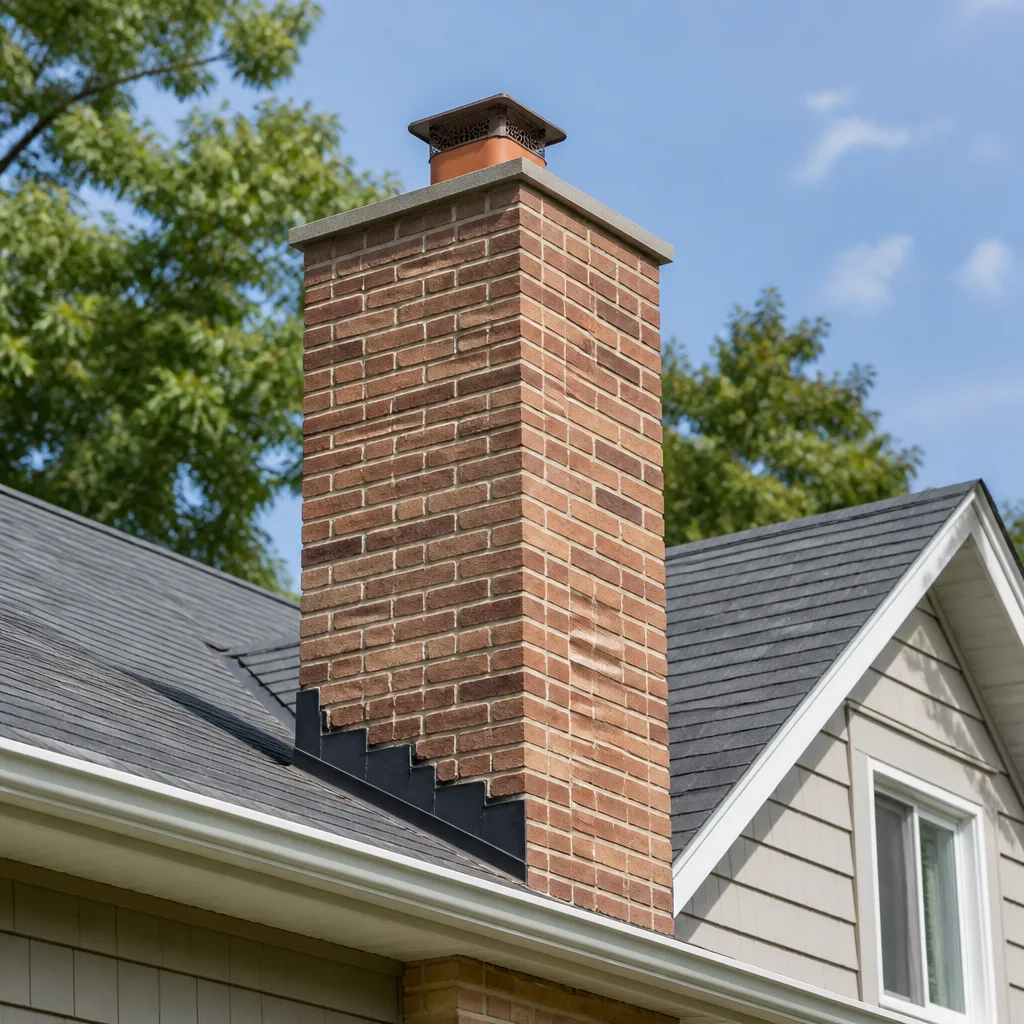
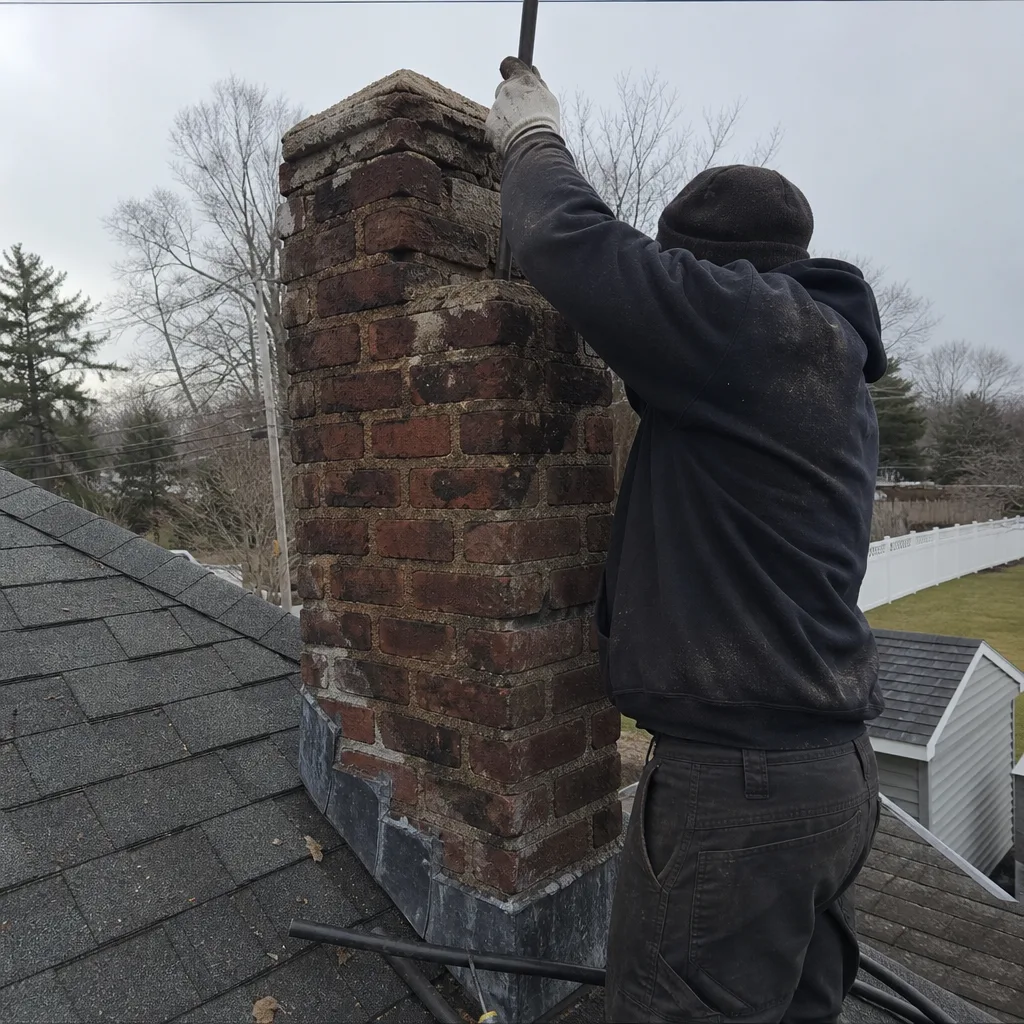 Before
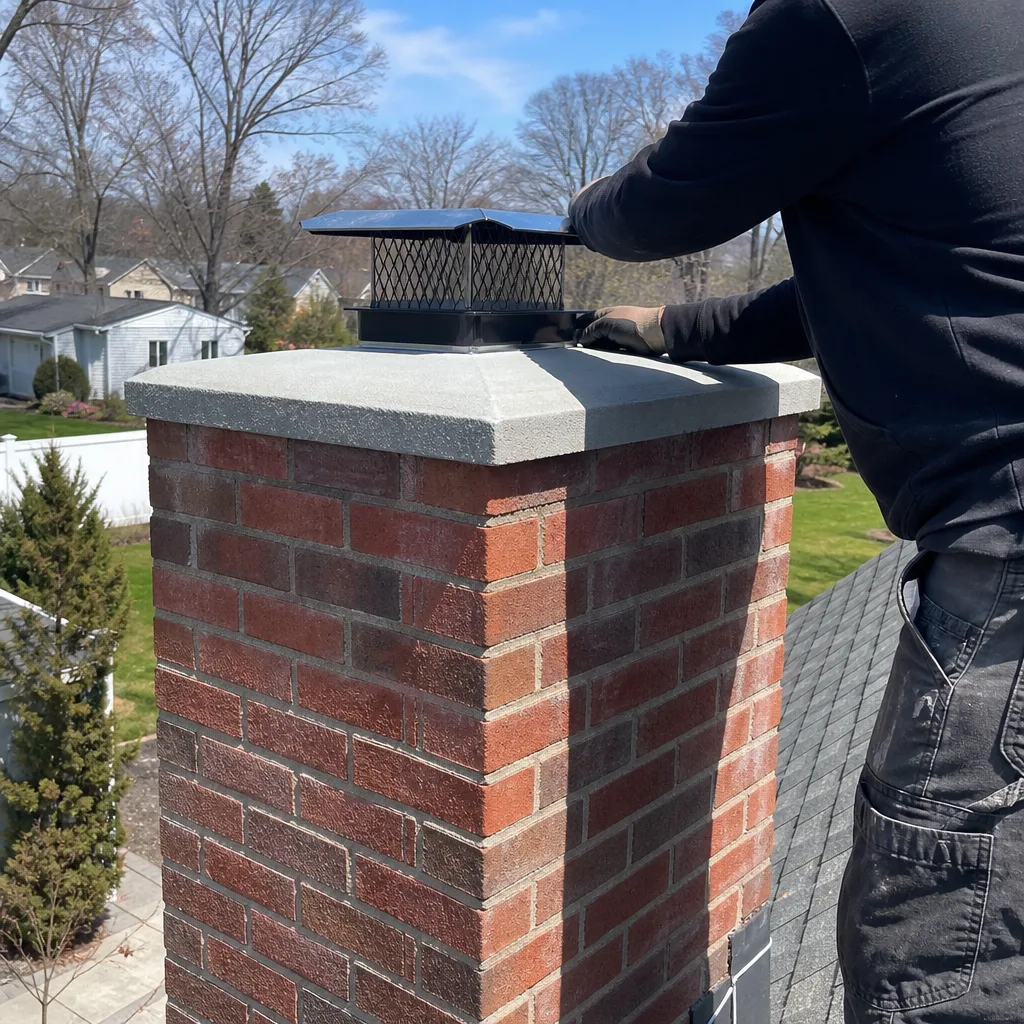 After
After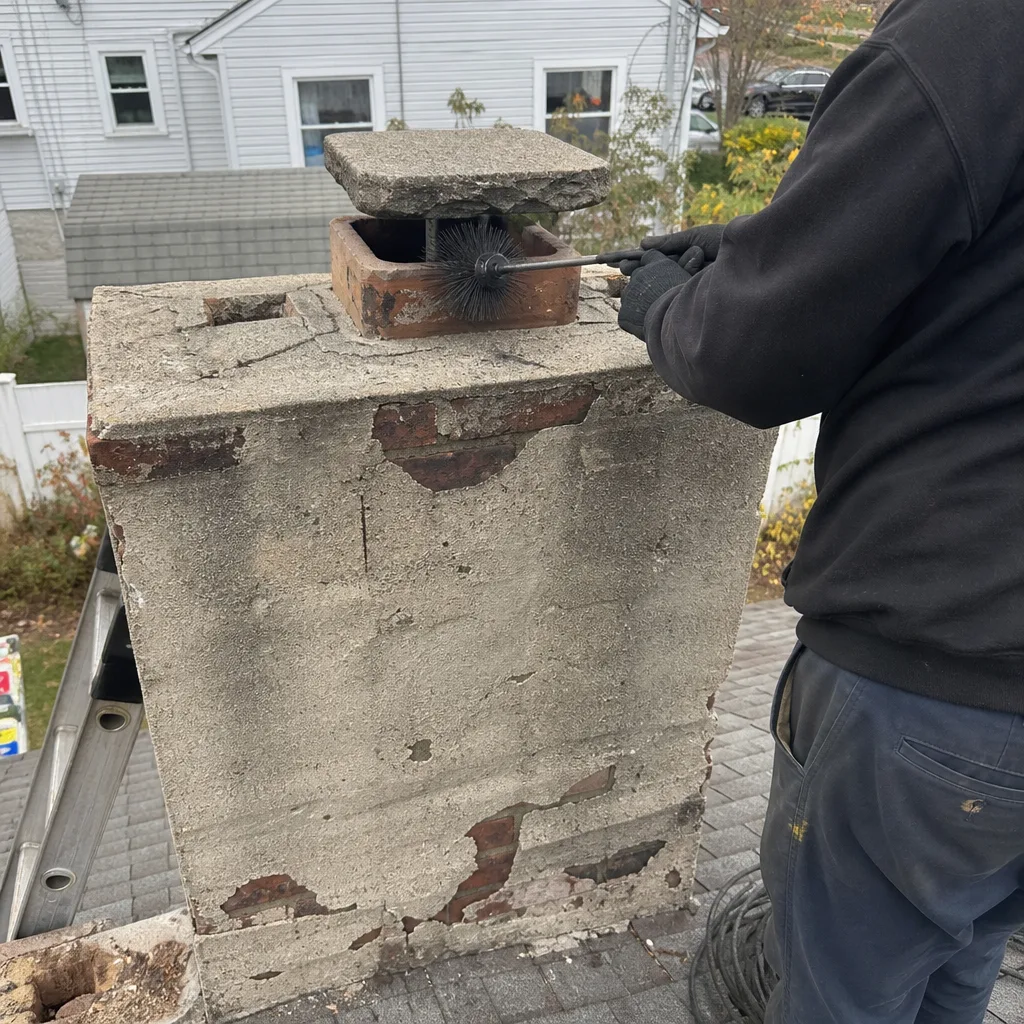 Before
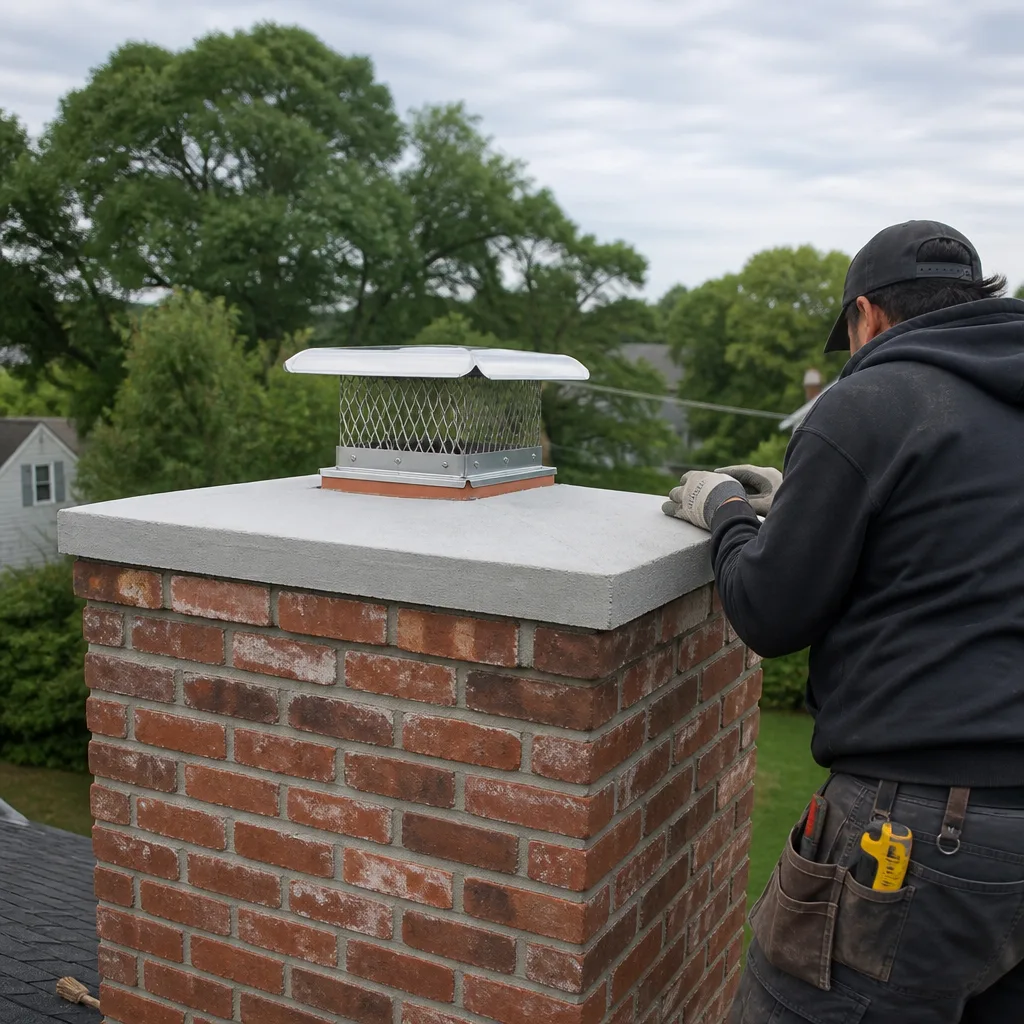 After
After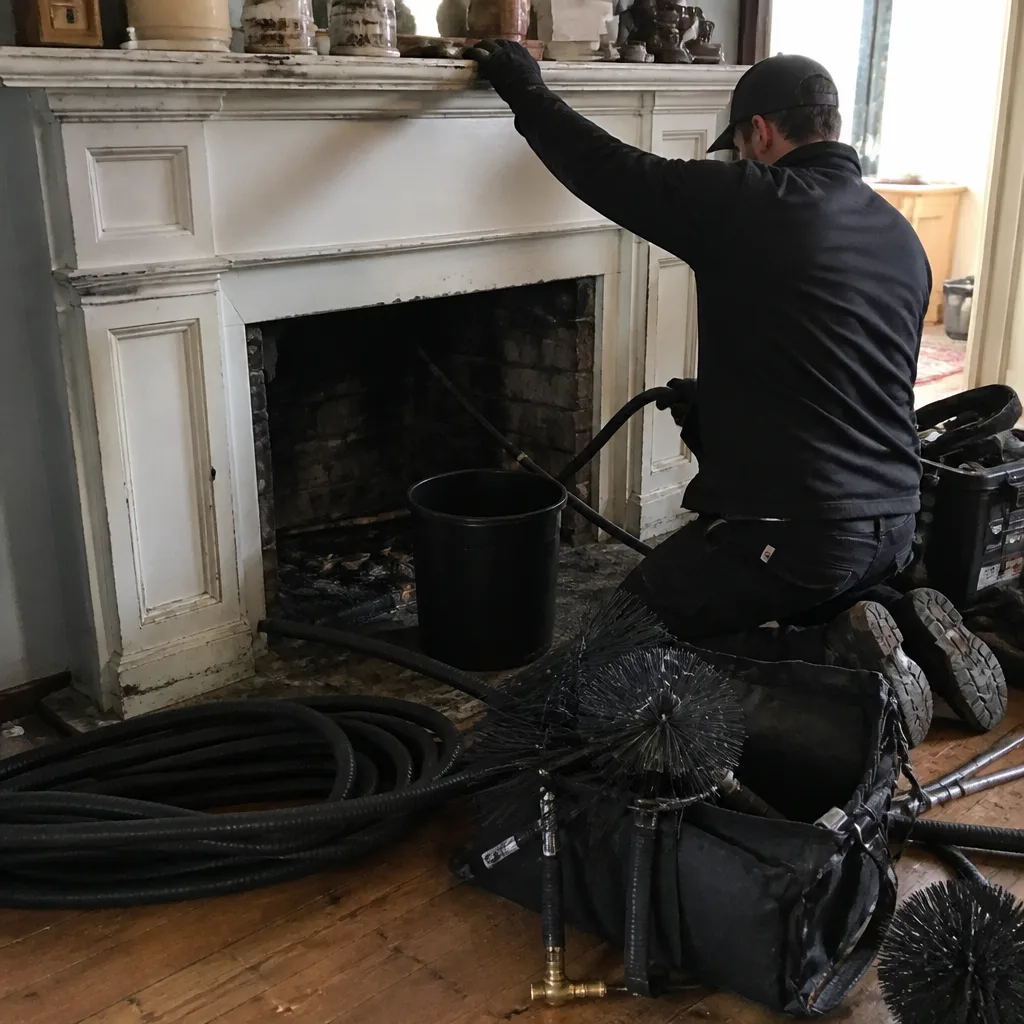 Before
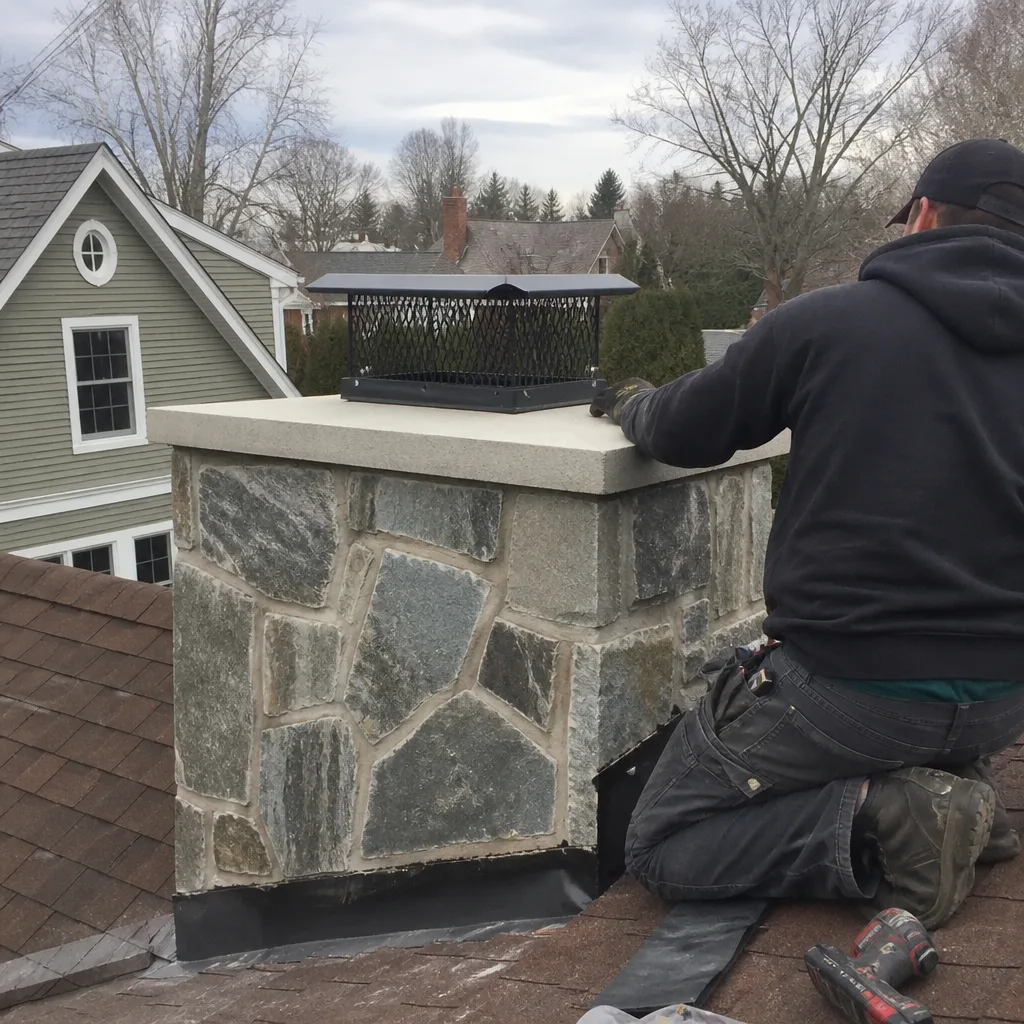 After
AfterHeatShield Chimney Cleaning in Long Island, NY | Top Hat Chimney
We provide independent HeatShield chimney cleaning and repair service across Long Island, from Nassau County’s postwar Capes to the South Shore barrier islands. The one thing that makes our HeatShield work different here is that we start with the residue Long Island actually produces: acidic, sulfurous oil-burner soot, not the fluffy wood creosote most guides assume. That changes how we clean, what we look for, and whether your HeatShield liner is actually doing its job. Call (516) 968-5380 and Wendell Pike will tell you straight what you need.
Why Long Island Residents Choose Us for HeatShield Service
Wendell Pike founded Top Hat Chimney in 1999, and he’s spent the years since working chimneys all across Long Island, from ranch houses in Levittown to older colonials near the North Shore. His crews are inside HeatShield systems weekly, which means they know what this brand’s coatings and sleeves actually do under coastal, oil-burner-specific conditions. We’re an independent chimney company, not an authorized HeatShield dealer, so our only loyalty is to the flue in front of us. That independence matters when the honest answer is that a HeatShield repair will hold, or that it’s time for a stainless reline instead. We’re also part of the local Long Island service area you’ll actually see again at the deli, not a franchise that rotated in last spring. Wendell puts his name and license number on the work because he runs into you on Saturday.
Common HeatShield Chimney Cleaning Problems We Solve in Long Island
- Peeling Cerfractory behind the chimney cap. On South Shore barrier islands like Long Beach and Freeport, salt-laden moisture seeps into the clay tile behind older HeatShield coatings. The Cerfractory spalls and peels in sheets, usually starting near the cap where Atlantic spray hits hardest. We see this on roughly half the coastal HeatShield inspections we run.
- Thermal shock cracks from oil-to-gas conversions. HeatShield Cerfractory liners installed in the 1990s on Levittown-era single-flue chimneys crack when homeowners swap oil burners for high-efficiency gas boilers. The new equipment vents at lower, more acidic temperatures, and the liner was never built for that chemistry.
- Joint Repair System failures under wood-burning inserts. Chimneys originally sized for oil burners but now serving wood inserts put HeatShield joint repairs under higher heat and a completely different residue profile. The joints crack, and smoke starts leaking into the house. Nassau County sees this constantly in postwar Cape Cods.
- Acidic soot hiding liner damage. Long Island’s concentration of oil-heated homes means most flues carry oily, sulfurous deposits that eat at masonry and mask cracks underneath. A standard brush sweep won’t reveal it. Our camera inspection does, every single time.
- Failed applications on deteriorated mortar in freeze-thaw zones. Improperly prepped HeatShield applications over weak mortar joints fail within five to seven years in coastal freeze-thaw conditions. The acidic condensate from oil flue gases then eats through the masonry beneath. We grind, prep, and reapply so the coating bonds to something sound.
HeatShield Service in Long Island: What Local Conditions Mean for Your Equipment
Here’s the thing nobody outside Long Island tells you. This region has one of the highest concentrations of oil-heated homes in the United States. That means most HeatShield chimney cleaning calls here involve oil-burner flue servicing, not wood fireplaces. Oil combustion leaves a distinctly different residue: oily, sulfurous soot and acidic condensate that attacks clay liners and HeatShield coatings in ways wood creosote never does. Combine that with the enormous stock of Levittown-era Cape Cods and split-levels in Nassau County whose original masonry flues are now 65 to 75 years old, and you get a pattern you won’t see inland. A HeatShield coating that might last 15 years in Ohio fails in 7 to 10 on a Long Beach chimney facing Atlantic spray. We pulled a Level 2 camera inspection on a 1954 Levittown Cape on Orchid Road and found the original clay flue had HeatShield Cerfractory from a 1992 install peeling away in six-foot sheets, exposing sulfur-eaten mortar joints. The homeowner had no idea. We removed the acidic oil soot, ground down the loose Cerfractory, and applied a full HeatShield resurfacing system with a new stainless multi-flue cap rated for coastal corrosion. Then we waterproofed the ocean-facing exterior brick that was spalling. That sequence, oil soot, salt air, failed liner, spalled brick, is the Long Island story.
HeatShield Models & Products We Service in Long Island
We work on every HeatShield product line: Cerfractory Flue Sealant, Joint Repair System, Resurfacing System, and CeCure Sleeve Relining System. When repairs are needed, we use genuine HeatShield Cerfractory and CeCure sleeve components. Aftermarket equivalents haven’t matched the brand’s thermal expansion and acid-resistance specs, and on Long Island flues venting oil byproducts, that spec matters. For full HeatShield sales & service, we stock common components locally so turnaround doesn’t drag. If a liner is beyond targeted joint repair but the masonry is sound, we recommend full HeatShield resurfacing. If the clay tile has collapsed or the chimney is severely spalled, we’ll say so and advise a stainless reline like DuraFlex instead. Your flue doesn’t care how the fire looks. It cares how it breathes.
HeatShield Service Pricing in Long Island
HeatShield chimney cleaning on Long Island typically runs between $180 and $340 depending on flue size, residue type, and access. HeatShield joint repairs usually land between $400 and $900. Full HeatShield resurfacing or CeCure sleeve installation runs $2,500 to $6,000 based on flue height and condition. Spalling brick repair and chimney waterproofing, two services our coastal customers need constantly, add $500 to $4,000 depending on scope. Every estimate is free, and the number Wendell gives you before a tool comes off the truck is the number on the invoice. We also offer $40 off any repair over $200, a free second opinion on any written estimate, and 10% off always for seniors and veterans. Call (516) 968-5380 for an exact quote.
Serving Long Island, NY - Our Local Coverage Area
We’re based in the Long Island area and know this community well. Use the map below to see our service coverage - if you’re nearby, we can almost certainly help.
FAQs - HeatShield Chimney Cleaning in Long Island
Yes, in most cases the HeatShield Joint Repair System seals the joints from inside the flue without tearing out masonry. The catch is that the underlying mortar has to be sound enough to bond to. On Levittown-era chimneys where decades of acidic oil soot have eaten the joints, we sometimes need to do targeted repointing first. Camera inspection tells us which situation you have before we touch anything. Call (516) 968-5380 and we’ll schedule one.
Salt-laden air and coastal freeze-thaw cycles are the usual culprits. Moisture from Atlantic spray seeps into the clay tile behind the HeatShield coating, then freeze-thaw pressure spalls the Cerfractory from underneath, especially near the chimney cap. We see this constantly on South Shore barrier islands. The fix usually starts with removing the failed coating, prepping the masonry properly, and reapplying a full resurfacing system with a corrosion-rated cap. Call (516) 968-5380 for a free assessment.
It can, but the application has to account for the flue chemistry. High-efficiency boilers vent at lower temperatures, which produces more acidic condensate. HeatShield Cerfractory is acid-resistant when applied correctly, but an application done for a mid-century oil burner’s exhaust profile often fails when the boiler is upgraded. We assess the current venting before recommending any HeatShield work. Call (516) 968-5380 and Wendell will give you a straight answer.
Yes, and it’s more common here than almost anywhere else. The combination of salt-laden air, freeze-thaw cycling, and oil-burner exhaust chemistry causes older HeatShield applications on coastal Long Island chimneys to spall and peel in sheets. We typically see it near the cap or wherever moisture has saturated the clay tile behind the coating. The repair is a full resurfacing after proper prep, and we’ll show you the camera footage before we recommend it. Call (516) 968-5380 to schedule an inspection.
Sometimes. The CeCure Sleeve Relining System works when the original flue is intact enough to support it and the diameter accommodates the wood stove’s venting requirements. But chimneys sized for mid-century oil burners are often oversized for modern wood stoves, which causes draft problems regardless of liner. We’ll run the numbers and tell you if a CeCure sleeve makes sense or if a properly sized stainless liner is the better fix. Call (516) 968-5380.
Service Areas Near Long Island
We serve homeowners across Nassau and western Suffolk, including Rockville Centre, Brentwood, Southampton, Dix Hills, and Smithtown. If you’re in HeatShield service in Rockville Centre or HeatShield service in Brentwood, we’re already nearby. If it doesn’t need fixing, we’ll tell you that first.
Book Your HeatShield Service in Long Island Today
Call (516) 968-5380 for a free HeatShield chimney cleaning estimate on Long Island. Wendell or a live person answers around the clock, the price you hear is the price on the invoice, and every job is backed by our 90-Day Done Right Promise in writing. Once a year, burn or no burn.
Written by Wendell Pike, Owner at Top Hat Chimney, serving Long Island since 1999.