
Level 1 sweep and inspection to the NFPA 211 annual standard - flue, crown, cap, and flashing checked and photographed
Chimney sweep logs do not sweep chimneys. They loosen some creosote - which then falls where a brush and vacuum still have to collect it.
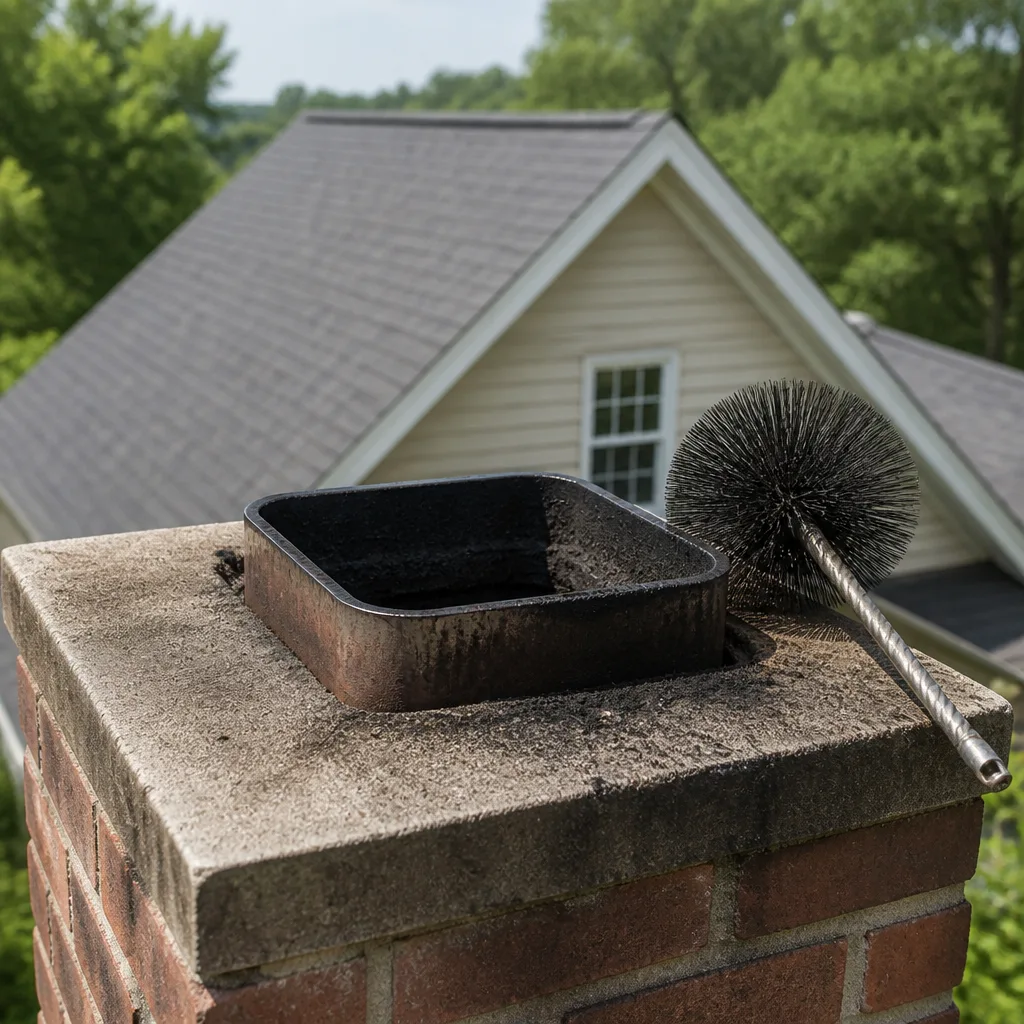
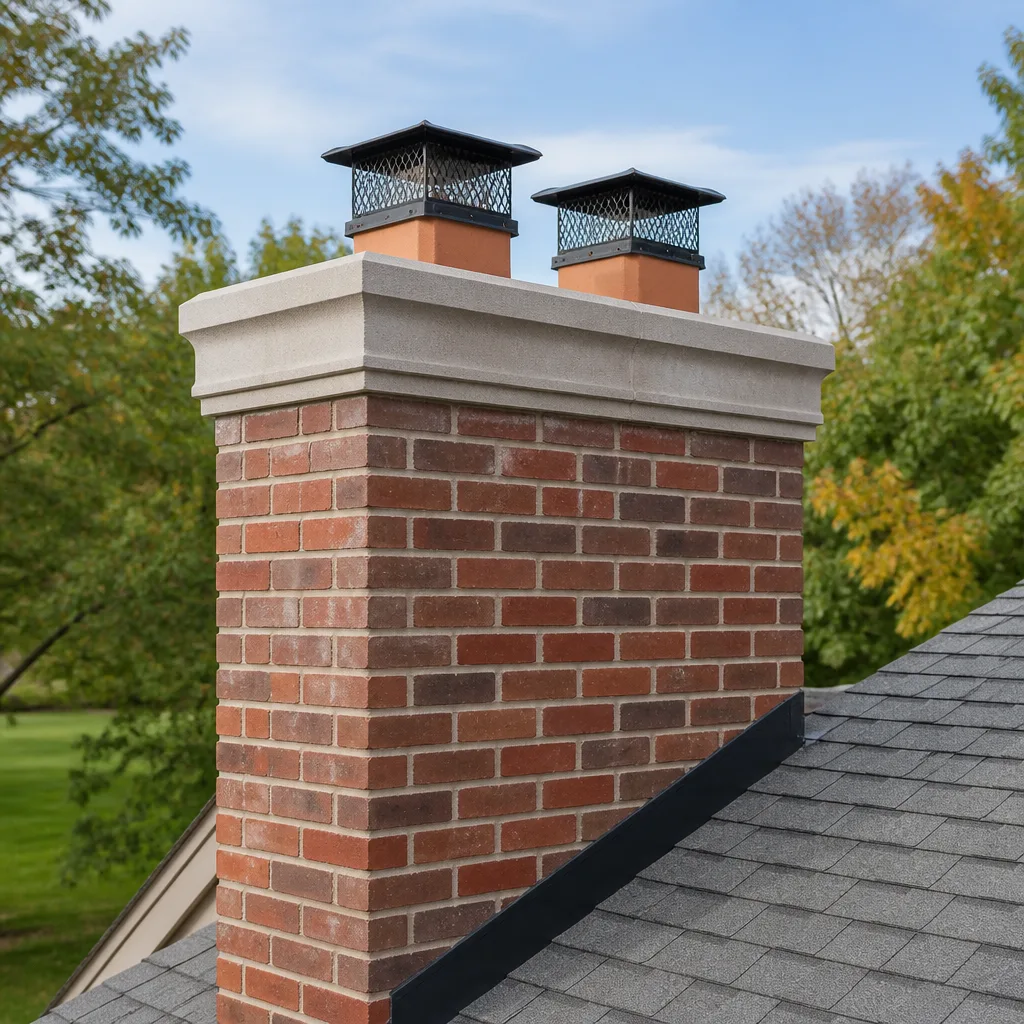
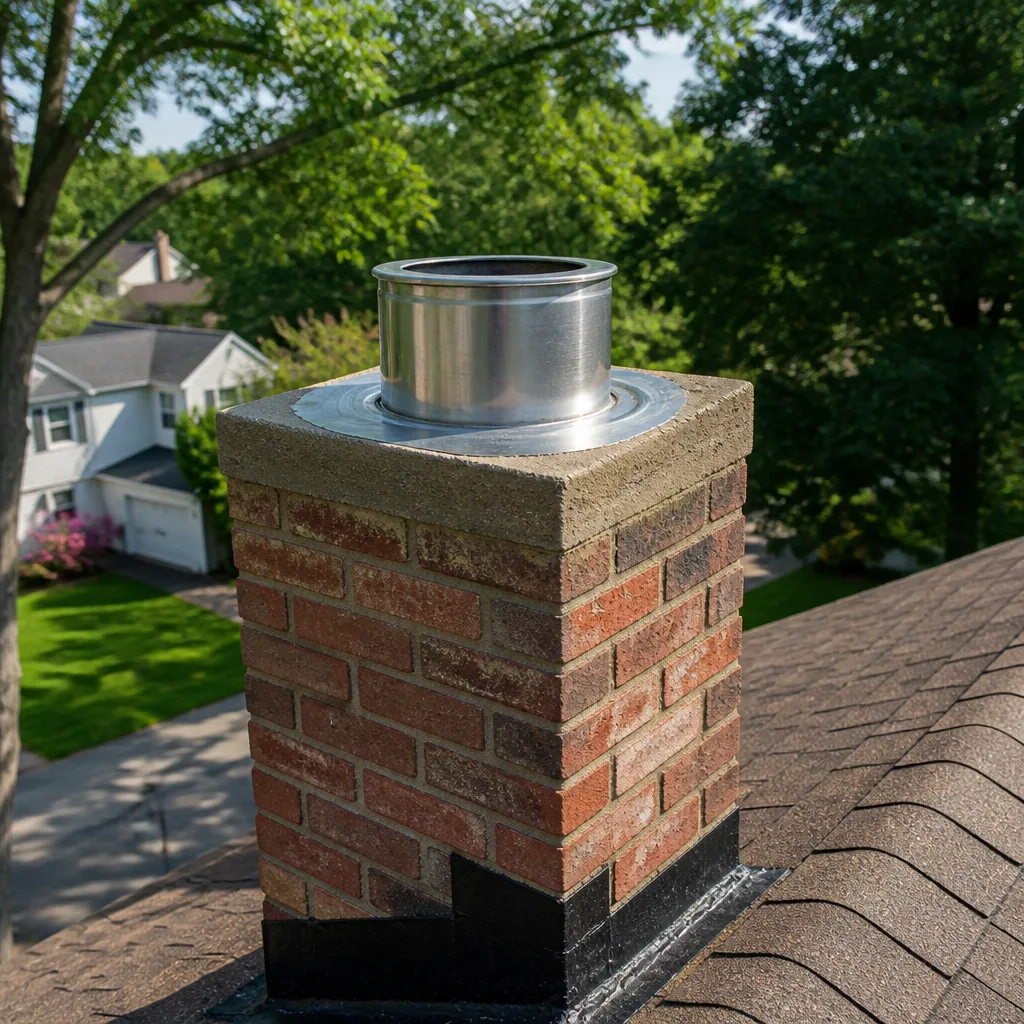
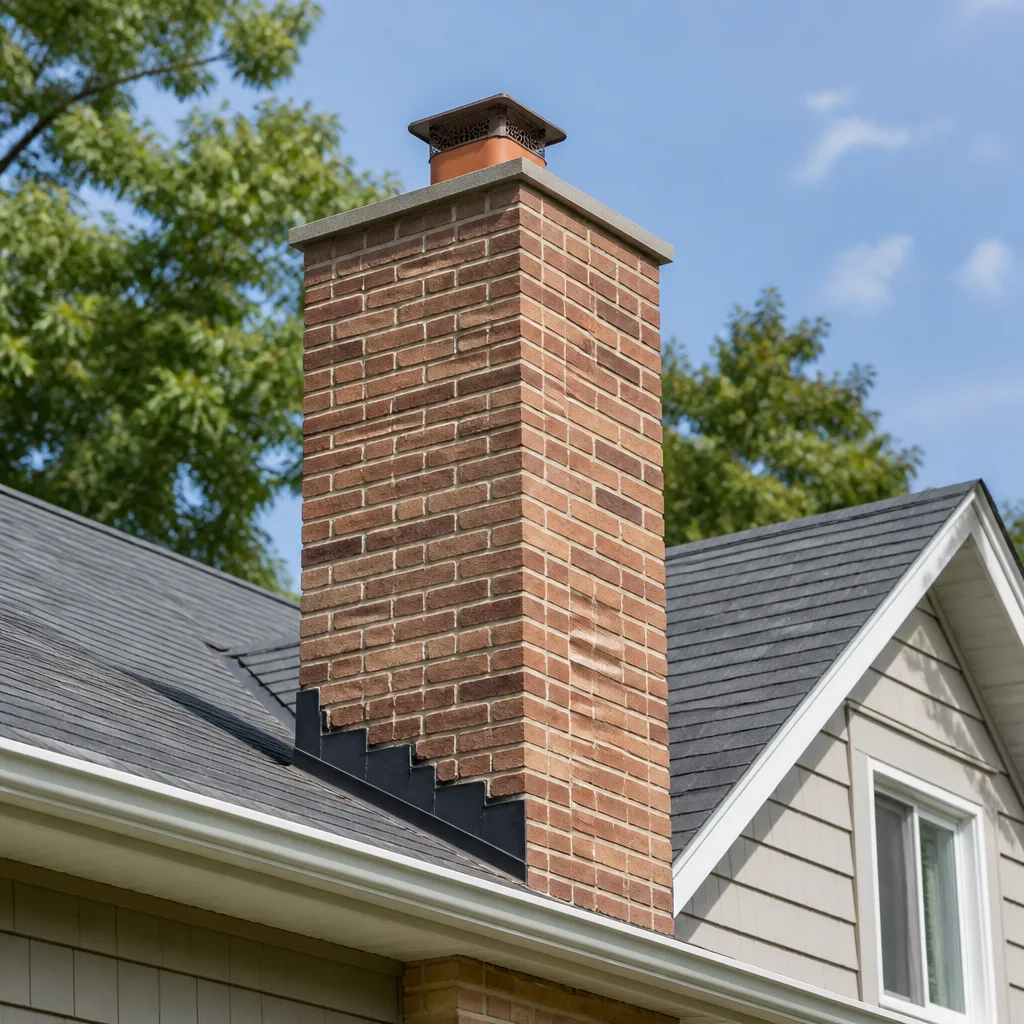
 Before
 After
After Before
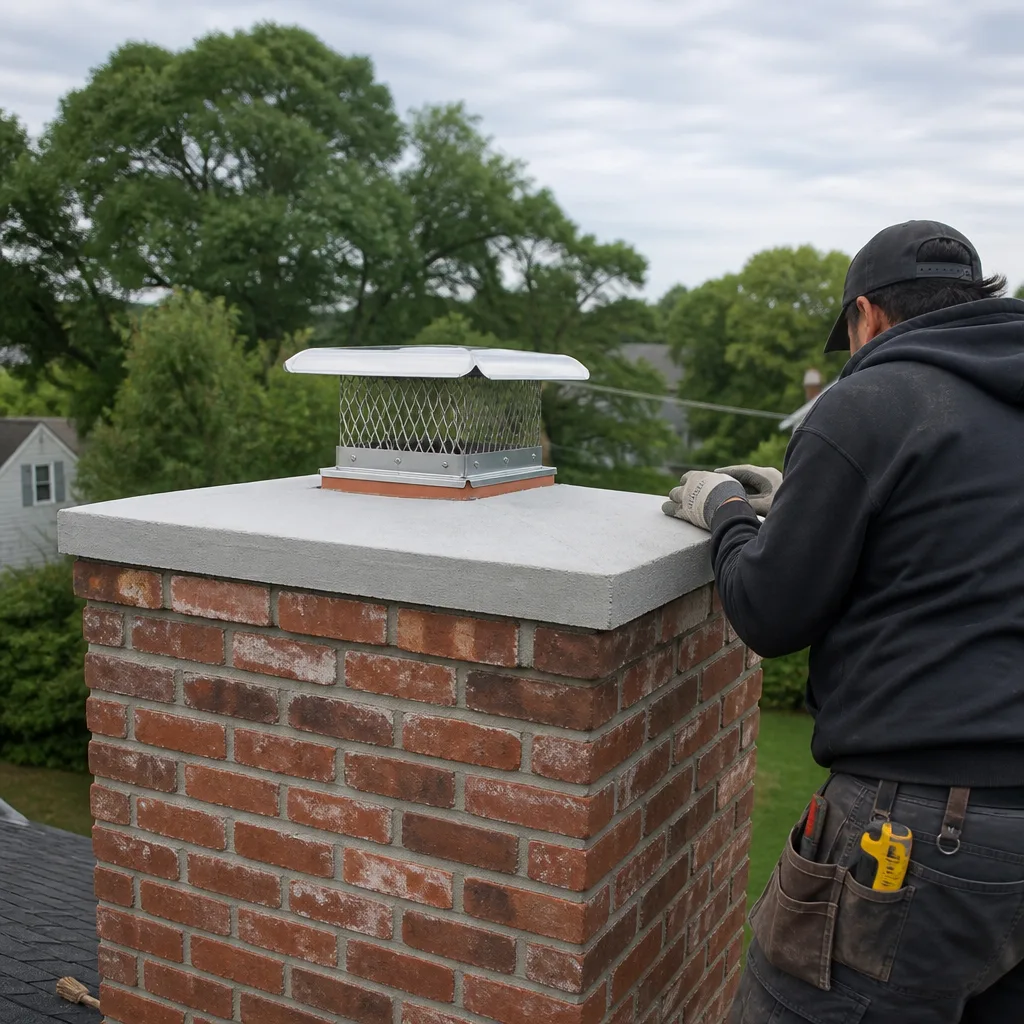 After
After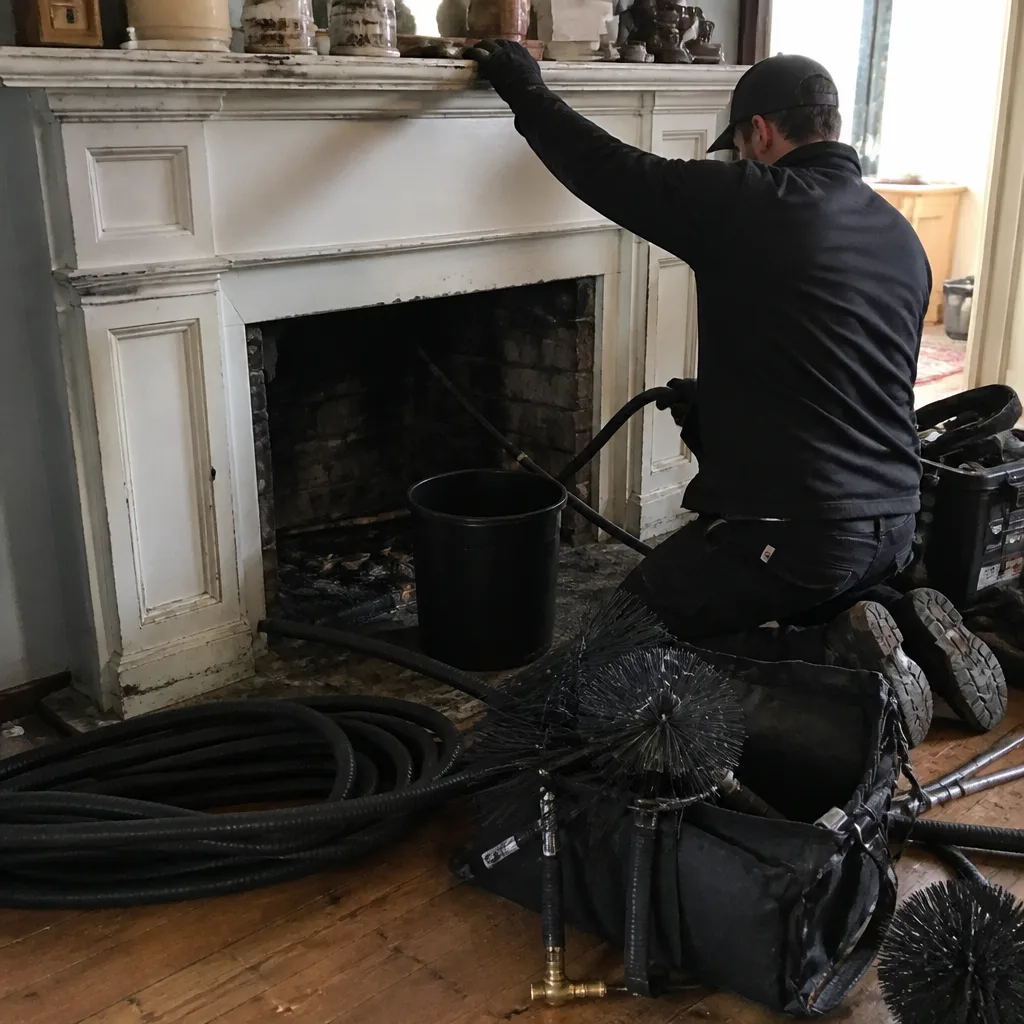 Before
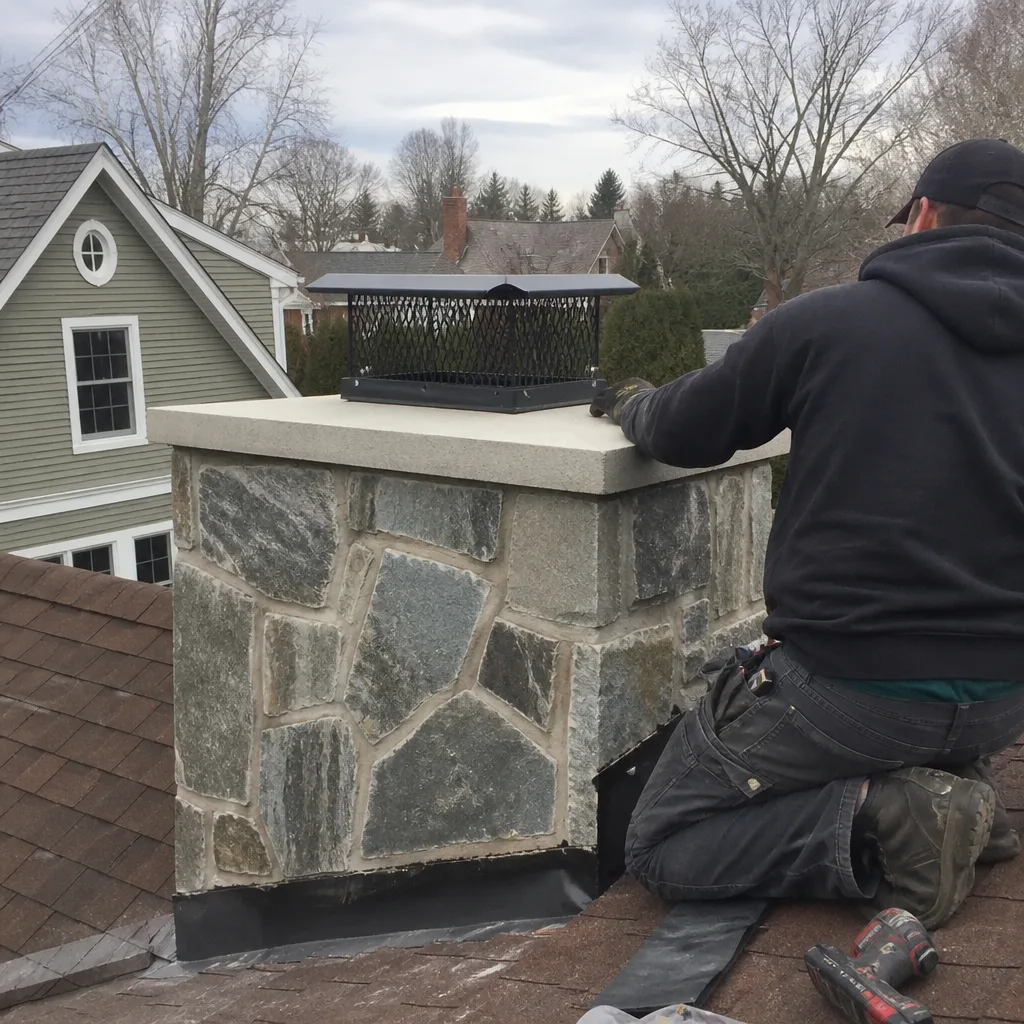 After
AfterHeatShield Chimney Cleaning & Sweep in Long Island: What to Know First
HeatShield chimney cleaning and sweep service in Long Island typically runs between $189 and $350 depending on flue condition, creosote stage, and whether your liner was factory-installed or retrofitted with the HeatShield Cerfractory system. Most jobs take 60 to 90 minutes and can be scheduled within a week. The honest number comes after we look, not before we arrive, and you’ll have it in writing before a single tool comes off the truck.
This page is for Long Island homeowners who own a fireplace or stove liner treated with HeatShield’s Cerfractory sealant or a HeatShield joint repair system. Maybe you had the liner resurfaced a few years back and you’re not sure how to maintain it. Maybe a national outfit quoted you a sweep and then “found” problems once they were inside. Either way, you want someone who knows this specific product and won’t use it as an excuse to upsell you. That’s what we do. Call (516) 968-5380 and ask for Wendell.
How HeatShield Products Fail, and How We Fix Them
- Cerfractory flaking at the smoke shelf. HeatShield’s Cerfractory sealant bonds tight where the surface was properly prepped, but on older Long Island chimneys, the smoke shelf is where original mortar was already spalling. We see early flaking there because moisture from coastal humidity works behind the bond line. The fix is removing loose material, re-prepping with a wire brush, and applying a HeatShield-compatible patch, not slapping another coat over the old one.
- Joint repairs that crack at the terracotta seams. HeatShield’s joint repair system fills the gaps between clay flue tiles. When the chimney has settled slightly, which is common in homes built before 1970 from Levittown to Huntington, those seams move just enough for hairline cracks to reappear. During a sweep we map every seam and flag which ones need touch-up before next burning season.
- Creosote adhesion on textured Cerfractory surfaces. The HeatShield finish is slightly textured by design. It’s good for flue gas turbulence, but it holds stage 2 creosote harder than a smooth stainless liner. A standard push-brush doesn’t always get it. We use rotary whip systems on HeatShield-lined flues to break the glaze without gouging the sealant.
- Third-degree creosote glaze that looks like a liner problem and isn’t. Here’s something you won’t find on HeatShield’s site: if you burn a lot of green oak or pine on Long Island, you can build a hard black glaze on a perfectly good HeatShield liner in a single season. The glaze is creosote, not liner failure. We remove it chemically with a professional-grade creosote remover and a follow-up rotary sweep. Cost is half what a liner replacement quote would run. If it doesn’t need fixing, I’ll tell you that first.
- Stainless steel HeatShield caps loosening from wind vibration. Houses closer to the water, from Long Beach up to Port Washington, get steady salt wind. We regularly find HeatShield rain caps that have worked loose from repeated buffeting. During every sweep of a HeatShield-equipped chimney, we check cap hardware and re-secure with stainless fasteners so you’re not hearing a rattle during a nor’easter.
Our HeatShield Chimney Cleaning and Sweep Process
Every HeatShield job follows the same plain process, start to finish:
- 1
You call, a person answers. Day or night, someone picks up. You explain your setup, we ask about your firebox, your burner, and what you’ve noticed. You get an arrival window, not a four-hour maybe.
- 2
On-site look before any work. Wendell or one of his crew walks your hearth, checks the firebox, runs a mirror up the flue if access allows. On a HeatShield liner, we’re looking at the surface texture and checking the damn smoke shelf. Then we tell you what we see and what it costs. Full stop.
- 3
Camera inspection. You don’t take a sweep’s word on the condition of a HeatShield liner. You see the footage. We run a camera up the flue and watch it with you. No exceptions, no “trust me.”
- 4
The sweep itself. Rotary or brush, matched to your flue’s shape and the creosote stage. HeatShield-lined flues get the gentler rotary treatment unless they’re smooth stainless-clad. Drop cloths down. HEPA vacuum running from first brush rotation to last.
- 5
Post-sweep camera pass. Once the flue is clean, we run the camera again so you can see exactly what changed. That second pass is what catches loose HeatShield joints and early flaking before they become liner replacements.
- 6
Plain-English verdict and the 90-Day Done Right Promise. We tell you what you need now, what can wait, and what’s fine as-is. Every job, every single one, gets the promise in writing: if it’s not done right, one call brings us back at no charge.
What HeatShield Chimney Cleaning and Sweep Costs in Long Island
| Job | Typical Long Island Price |
|---|---|
| Standard HeatShield flue sweep (no glaze, annual maintenance) | $189 – $249 |
| Sweep with stage 2 creosote removal (rotary + chemical treatment) | $275 – $350 |
| Level 1 camera inspection only | $95 – $150 |
| Level 2 camera inspection (joint mapping, Cerfractory surface check) | $225 – $325 |
| HeatShield joint touch-up (per seam, minor) | $85 – $140 |
| Cerfractory patch repair (smoke shelf or small area) | $250 – $450 |
What moves the price: creosote stage, flue length, roof pitch, and whether your HeatShield liner was factory-fitted or sprayed over old tile. Two-story colonial with a steep pitch in Huntington costs more than a ranch in Levittown. Simple as that. No charge for the estimate, and you’ll know the number before any work starts. Call (516) 968-5380 for a free quote.
Why Long Island Homeowners Call Top Hat Chimney for HeatShield Work
We’ve been sweeping flues on Long Island since 1999, which means we’ve watched HeatShield liners live out a good chunk of their service life here. Wendell Pike puts his name on the truck and his license number on the invoice. If you had a bad experience with a national chain that quoted one price on the phone and another at the door, you’re exactly who we work for. Background-checked crew, real arrival windows, and a phone that a live person answers around the clock. Maybe that’s Wendell himself. And when a HeatShield liner is beyond what a patch can fix, we’re not going to fake it: we also work with DuraFlex and Gelco, so we’ll tell you what the better long-term option is, and why.
FAQs
Once a year, burn or no burn. Long Island humidity works on mortar and ceramic surfaces even when you’re not burning, and a chimney that sits through a damp spring and summer grows creosote problems in the off-season. HeatShield’s textured surface holds creosote a little harder than smooth stainless, so the annual sweep is not just a suggestion. Call (516) 968-5380 to schedule.
Yes, it does. The Cerfractory surface is harder than terracotta but more delicate than stainless. We use rotary whip systems with poly bristles rather than steel, and we pace the brush so it breaks creosote without scoring the sealant. A standard chimney sweep who treats it like a clay tile flue can do real damage in one visit.
In our experience, yes, provided the sweep uses the right methods and doesn’t use chemical cleaners that react with the Cerfractory bond. We stick to HeatShield-compatible products and document the entire process on camera. That footage is your record if a warranty claim ever comes up.
Not always. We get called out to second opinions on exactly this. A HeatShield liner can look rough after years of hardwood fires, but a camera inspection often shows a surface issue, not a structural failure. If a company wants thousands of dollars for a full teardown, bring us the footage or let us run our own. A free second opinion on any written estimate is a standing offer.
We service both. Factory-installed HeatShield liners in newer construction and the retrofit Cerfractory jobs that were popular on Long Island ten to fifteen years ago. Each has its own wear patterns, and we know what to look for in both.
Written by Wendell Pike, Owner, Top Hat Chimney at Top Hat Chimney, serving Long Island and nearby areas.