
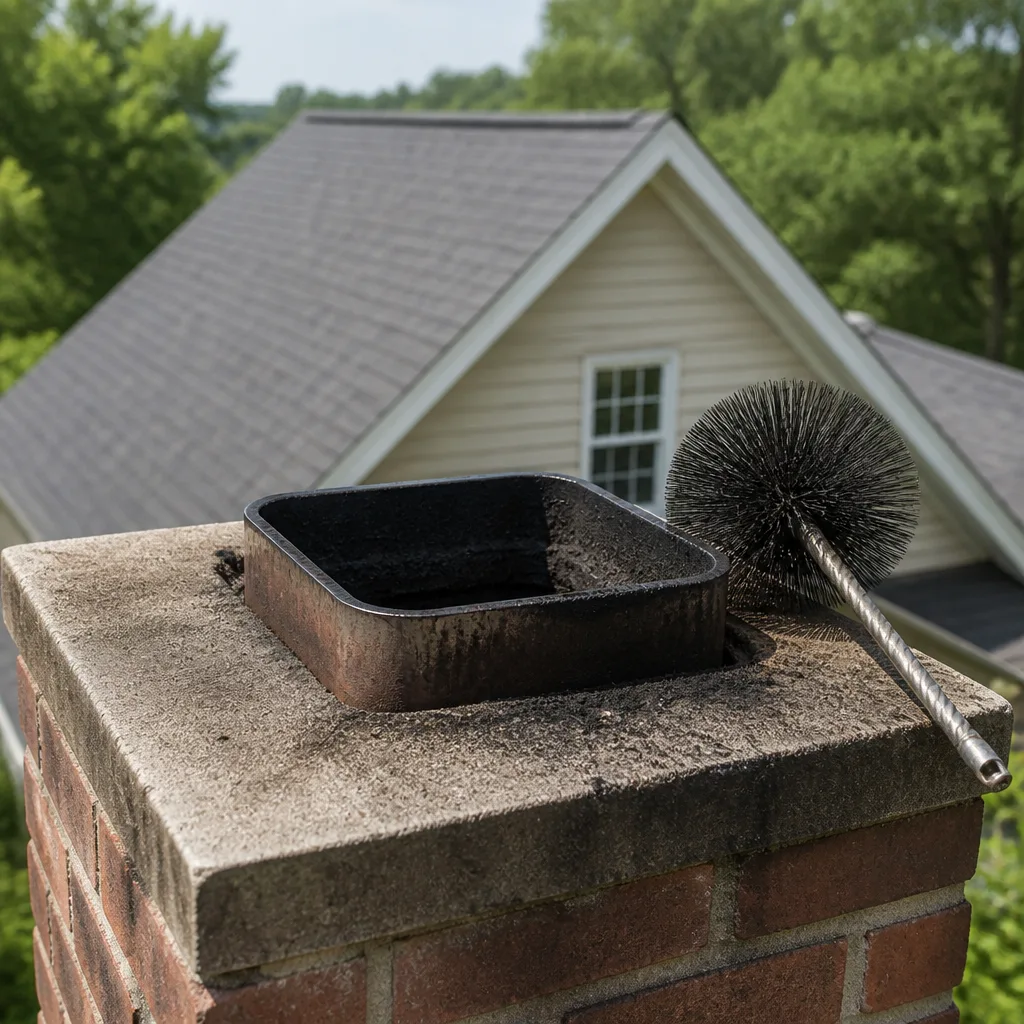
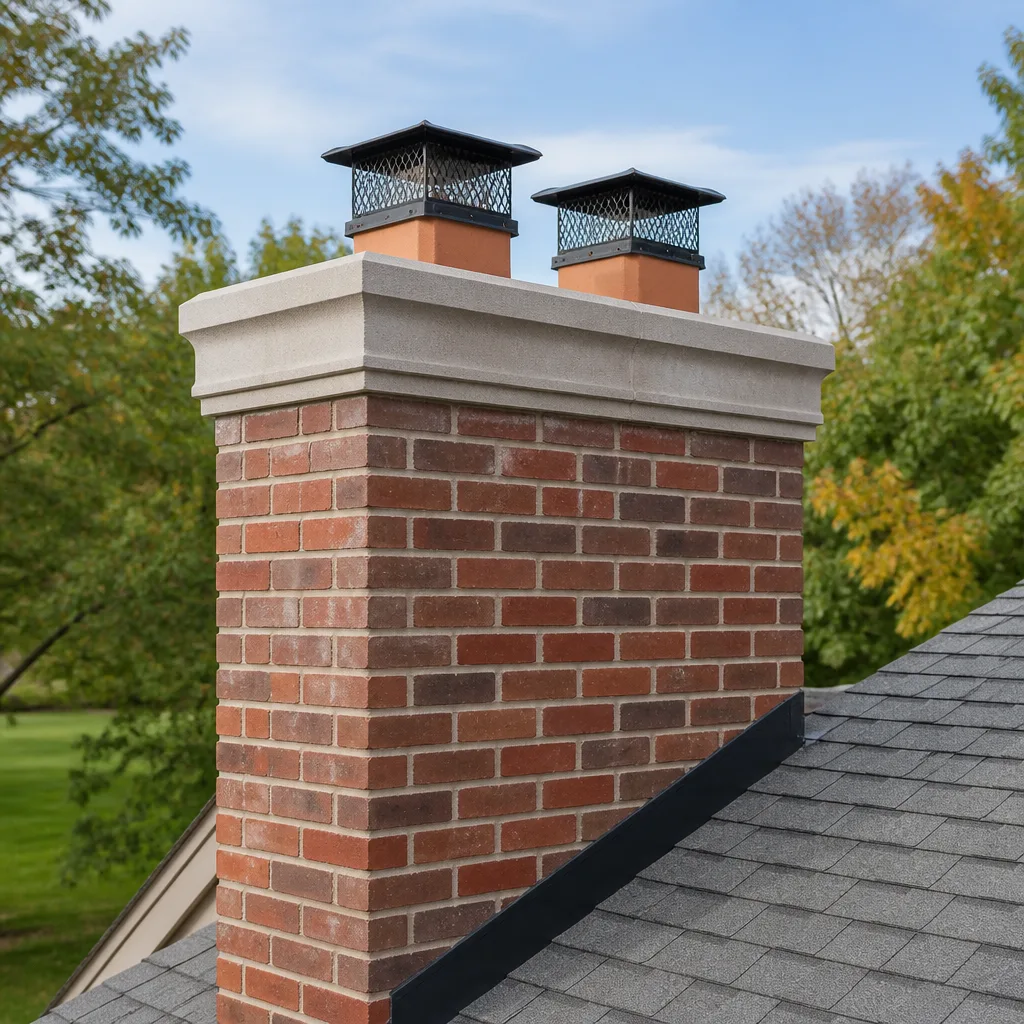
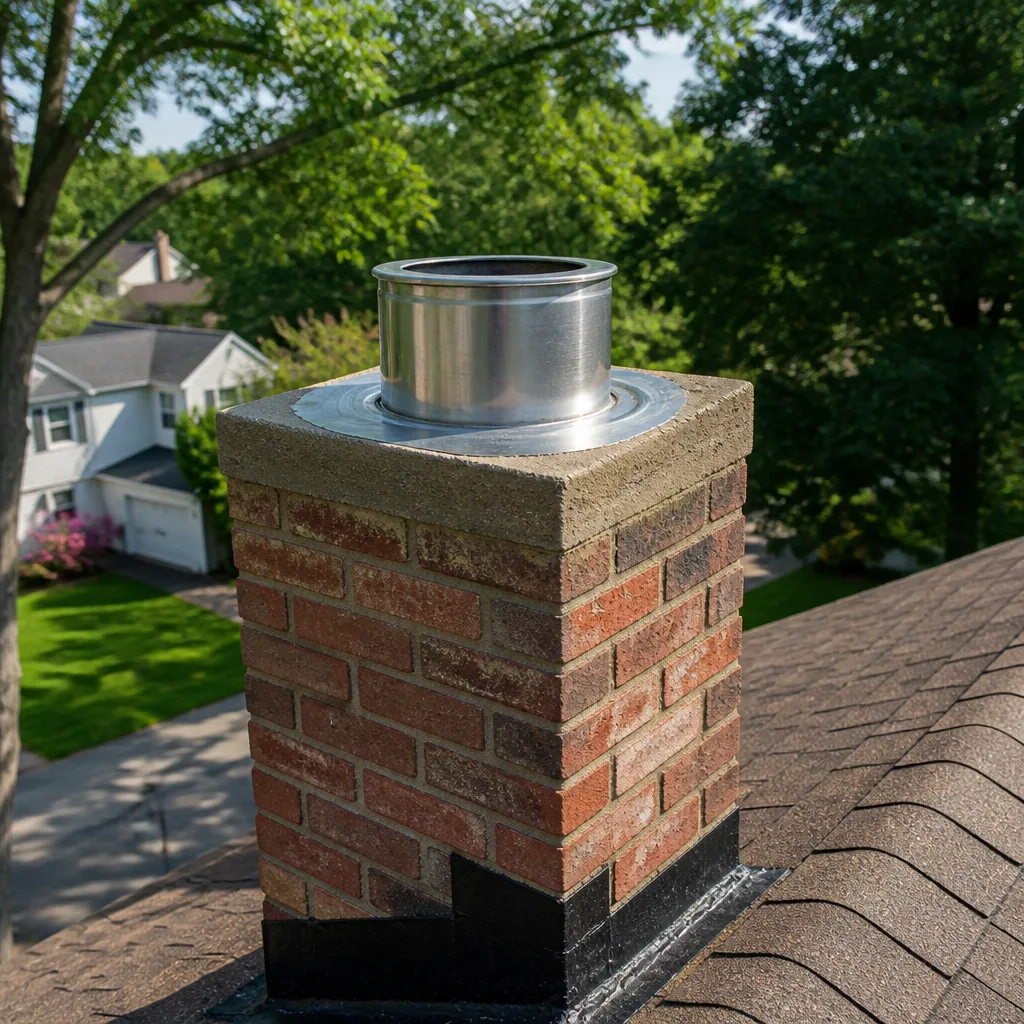
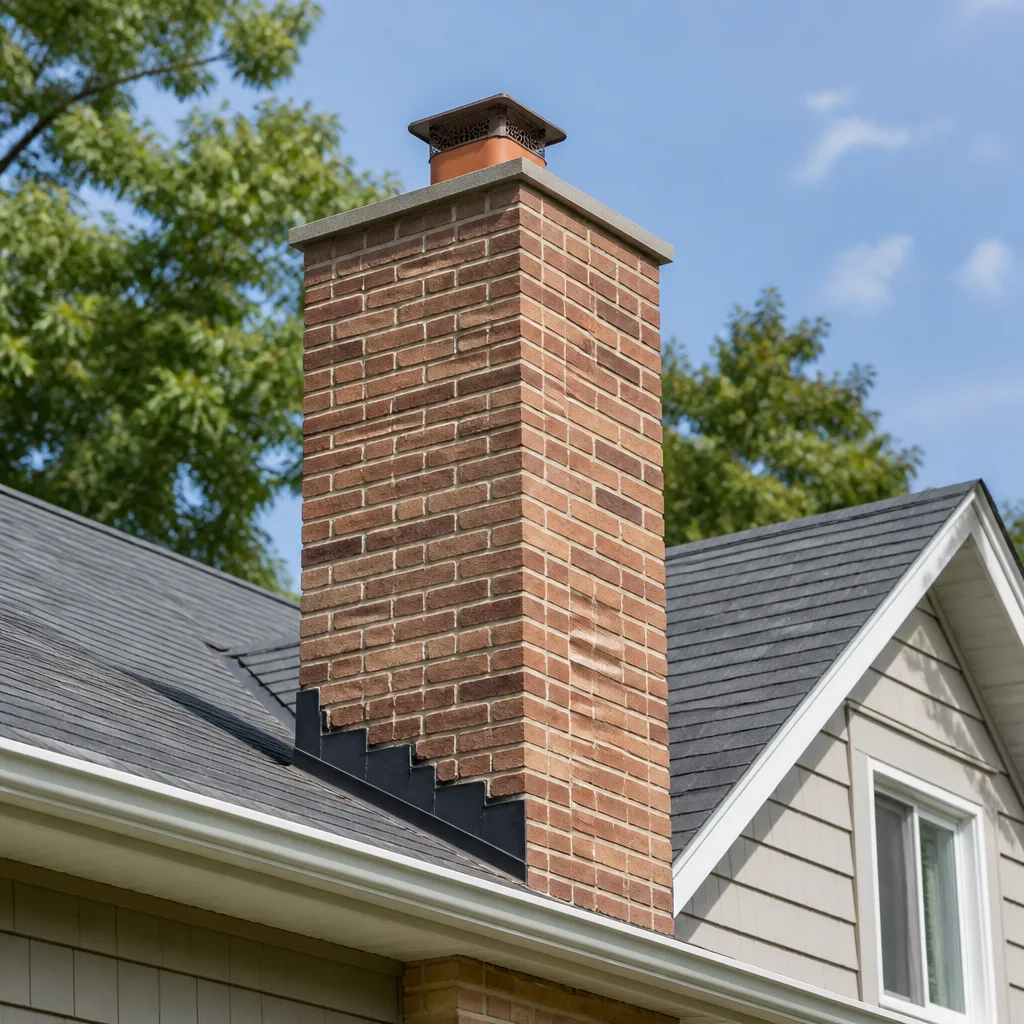
Level 1 sweep and inspection to the NFPA 211 annual standard - flue, crown, cap, and flashing checked and photographed
Chimney sweep logs do not sweep chimneys. They loosen some creosote - which then falls where a brush and vacuum still have to collect it.
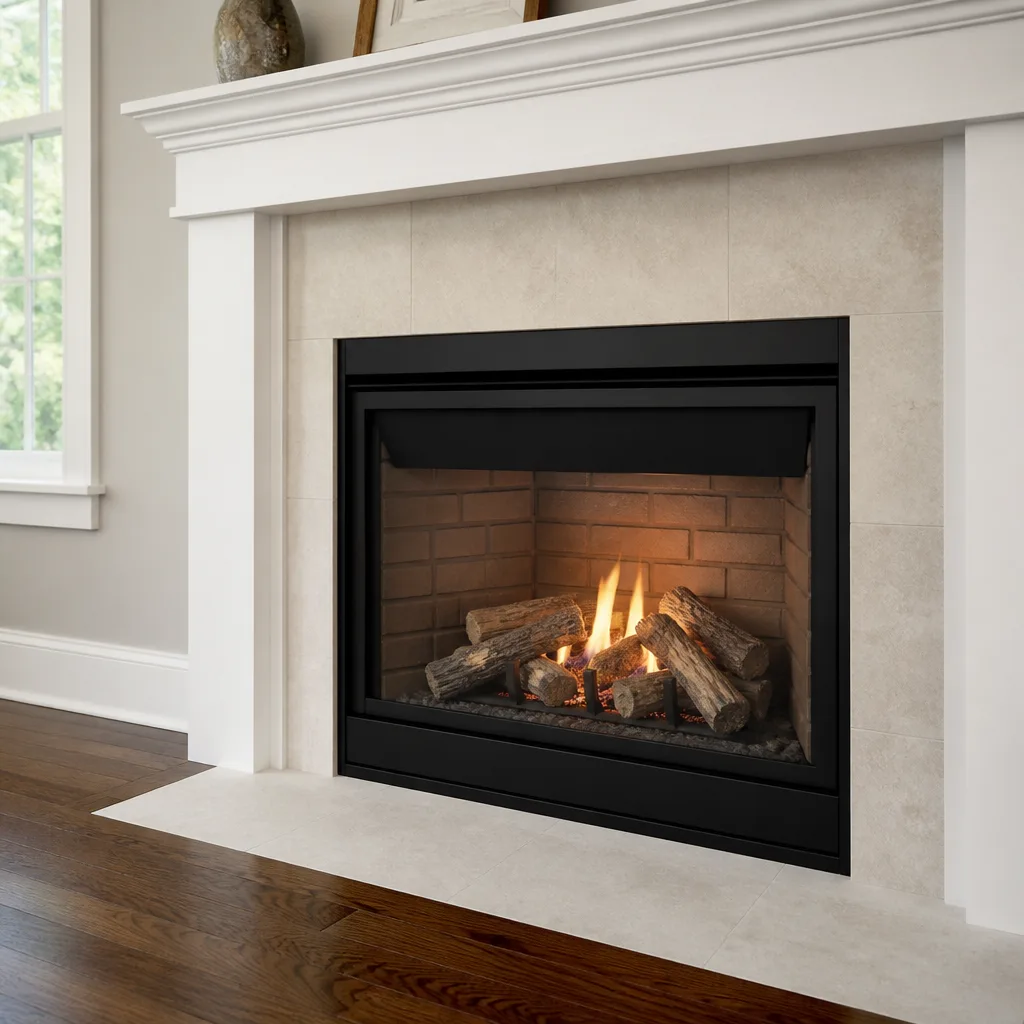
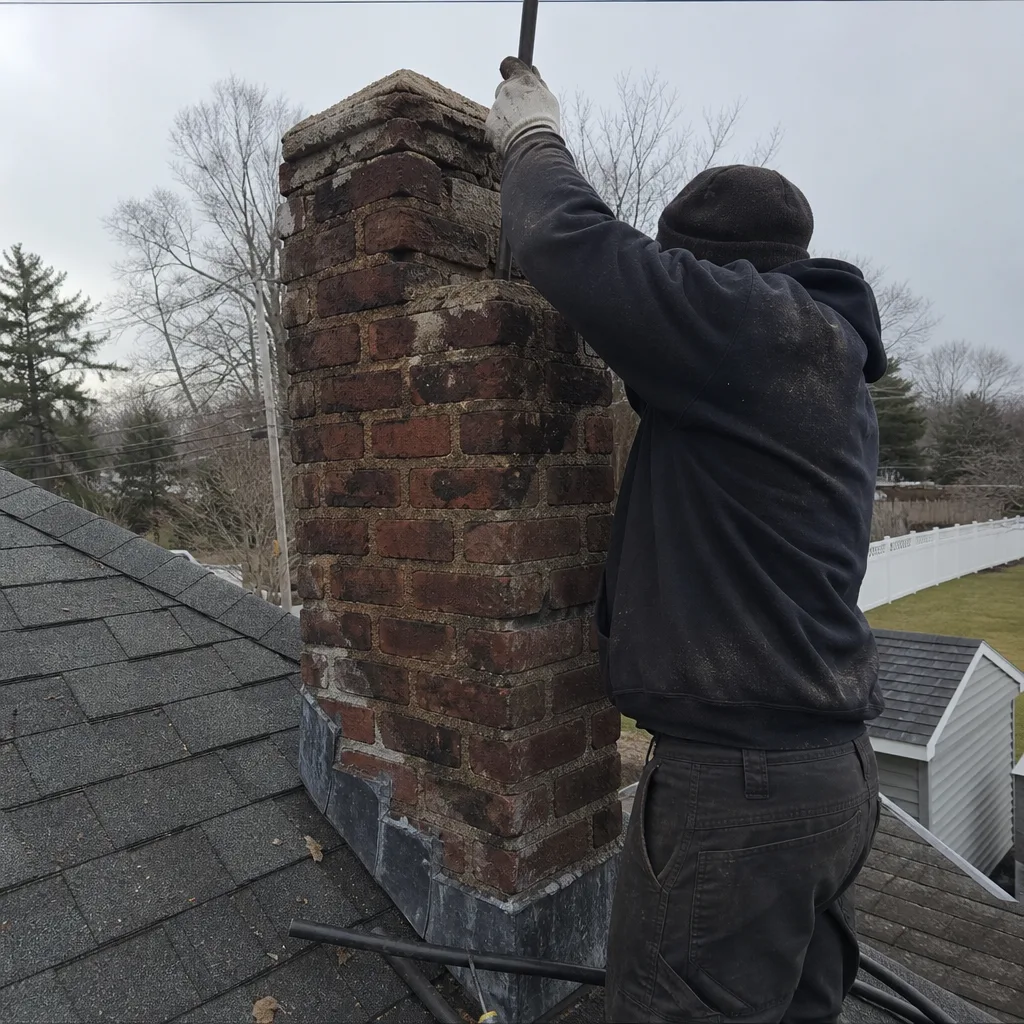 Before
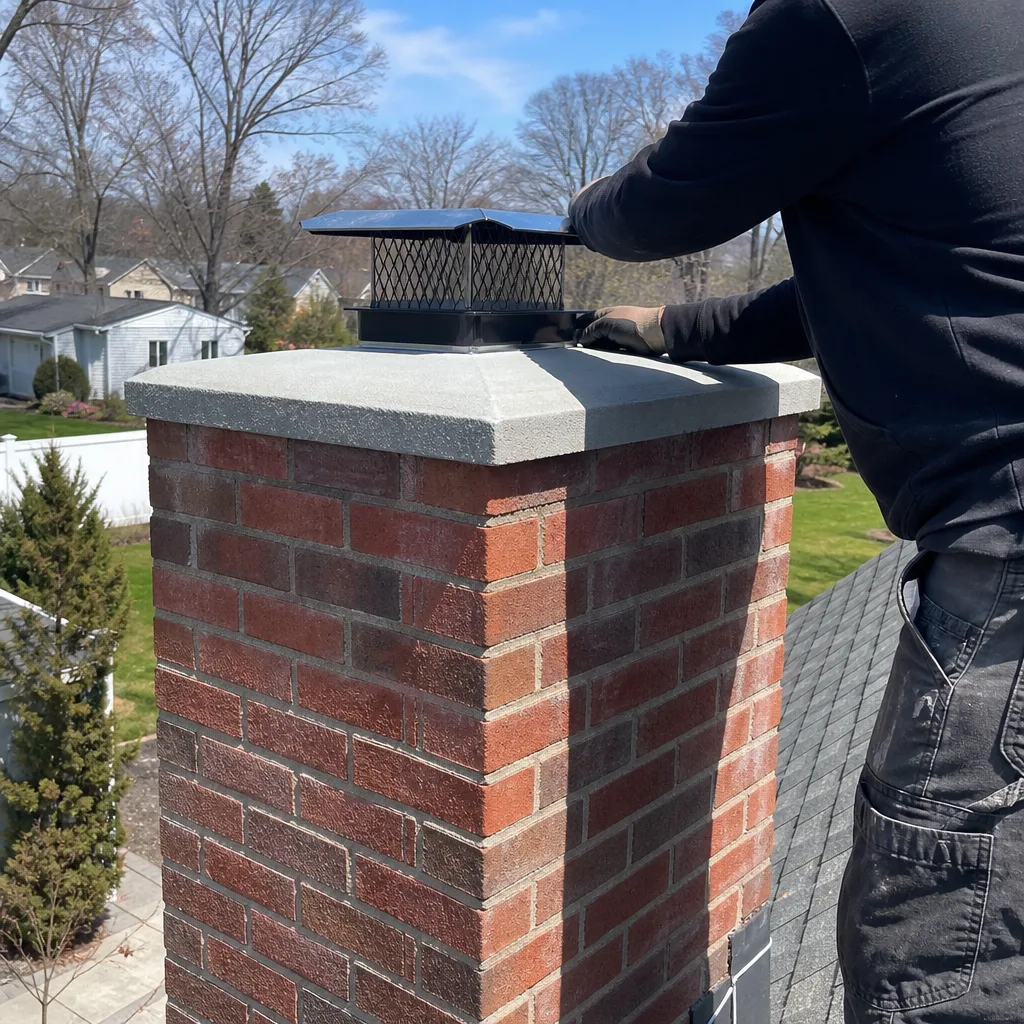 After
After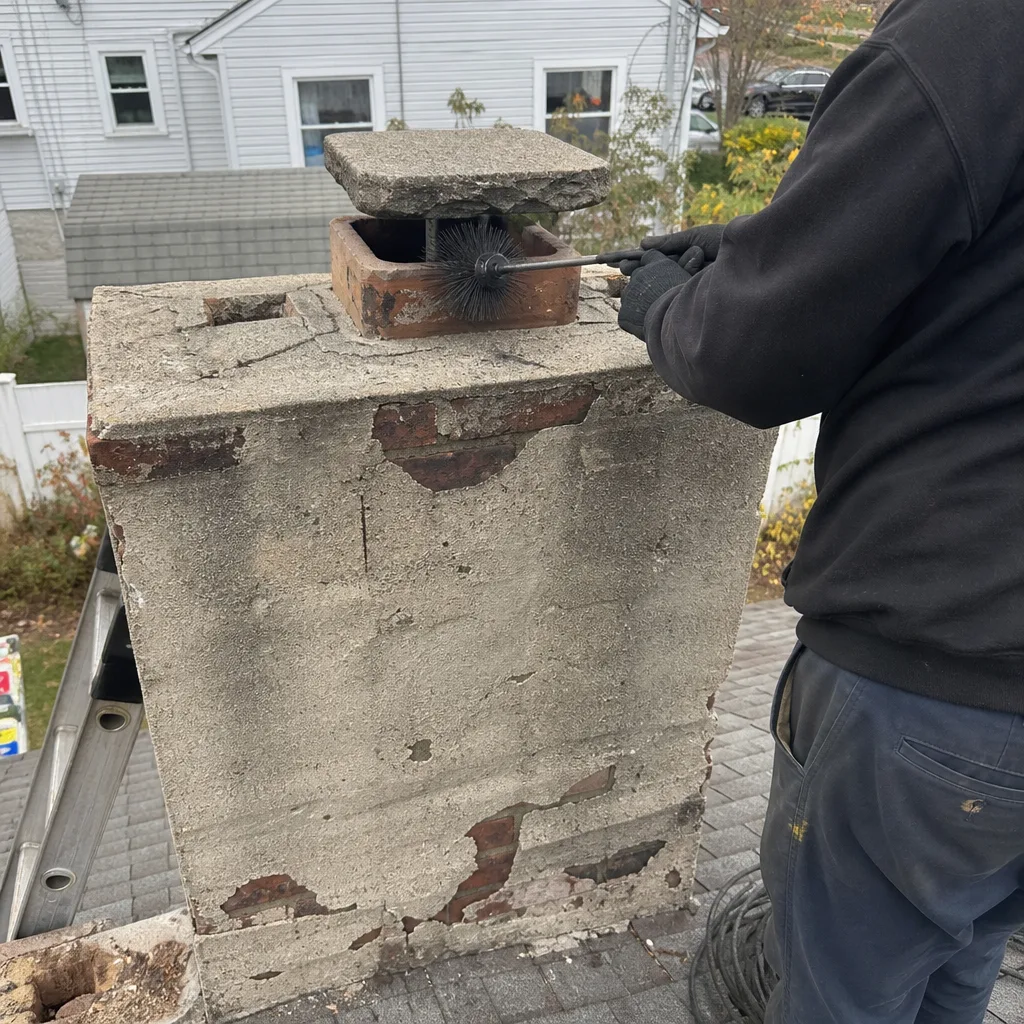 Before
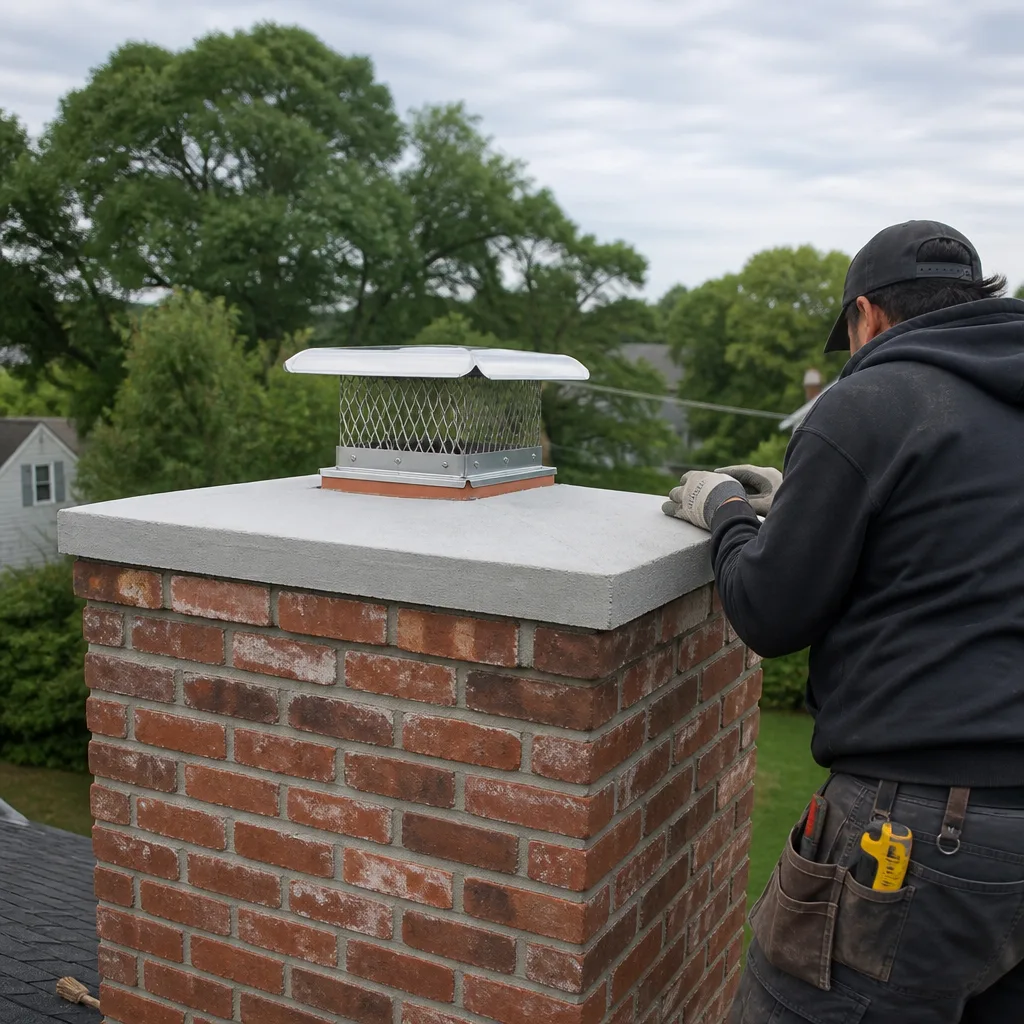 After
After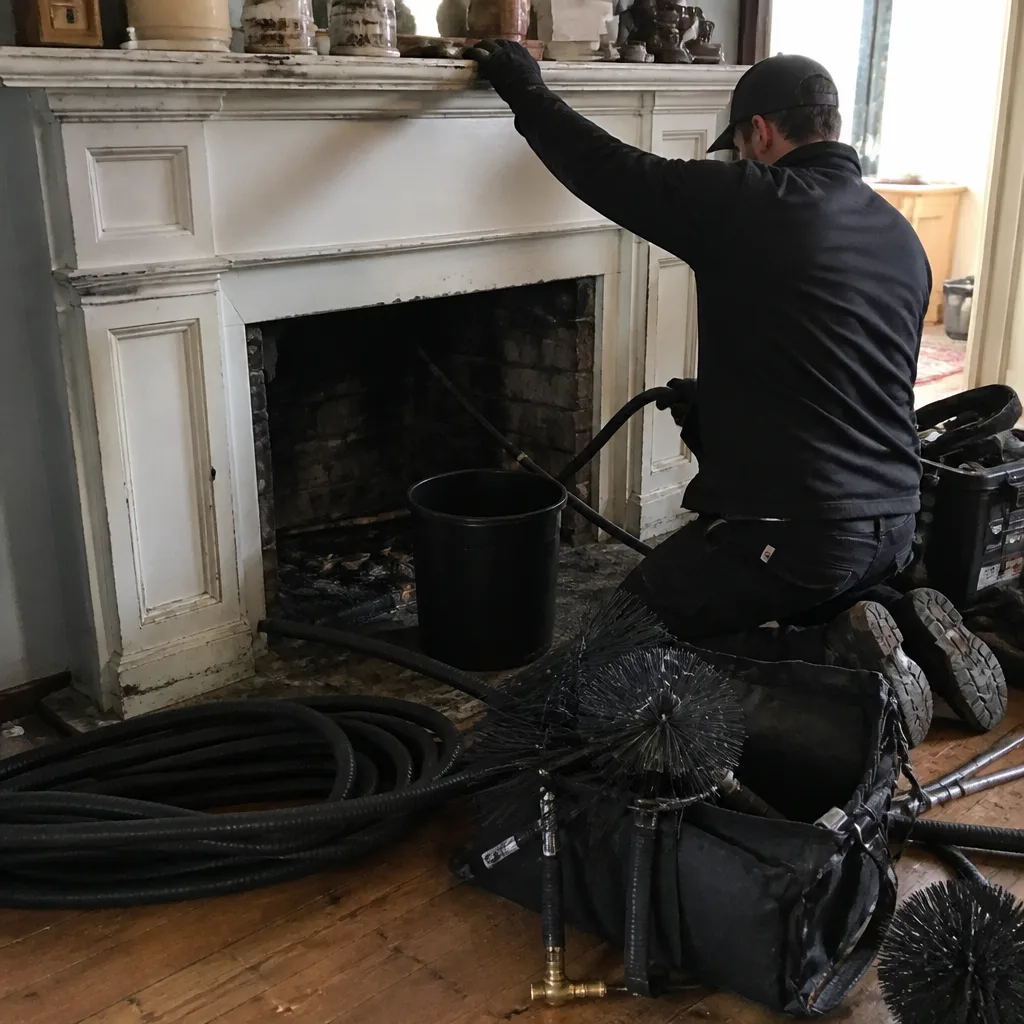 Before
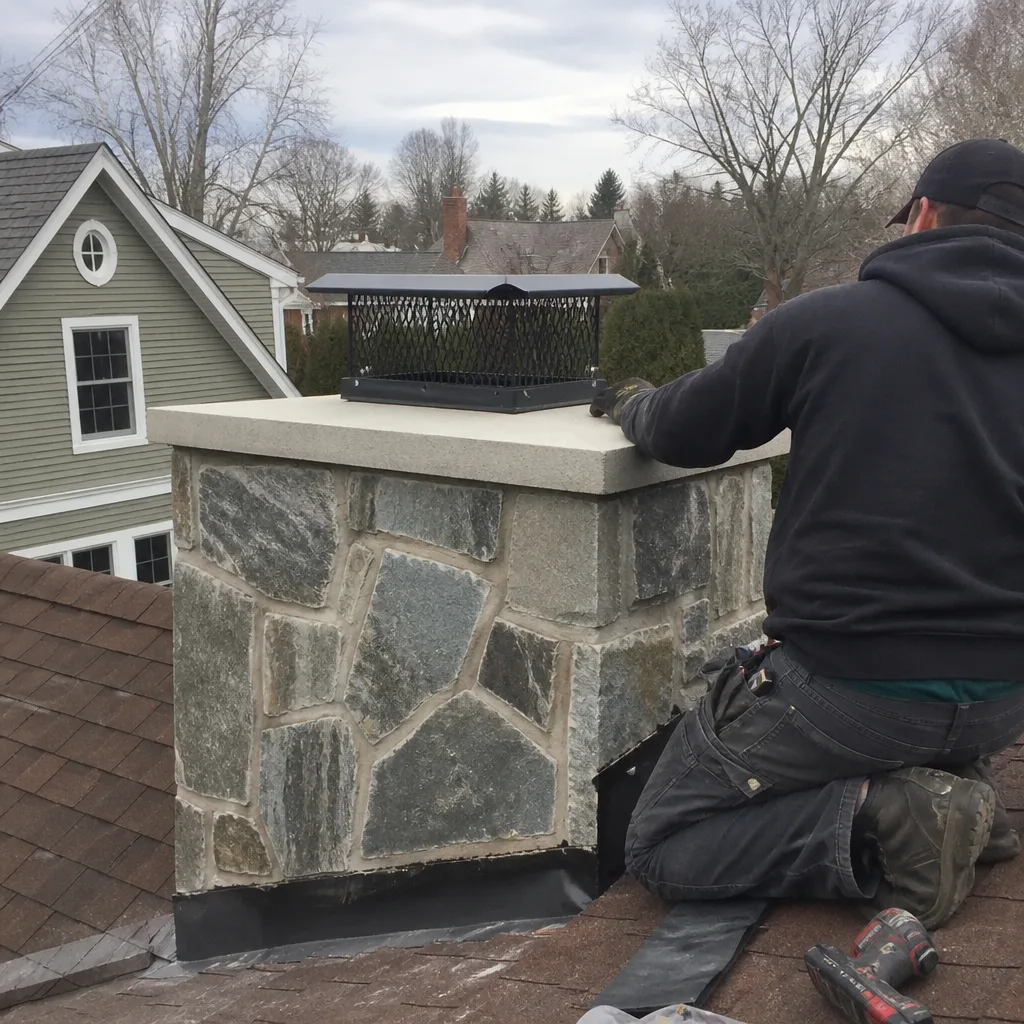 After
AfterHeatShield Chimney Repair in Long Island: What to Know First
HeatShield chimney repair in Long Island typically runs between $400 and $1,800 depending on whether you need joint repair, a partial liner patch, or a full cerfractory resurfacing. Most jobs take one visit, and we’ll show you camera footage before and after so you can see exactly what was done. You’ll get an upfront number before any work starts, and that number matches the invoice.
This page is for Long Island homeowners with an existing HeatShield liner who need honest answers about repair, warranty, and whether replacement actually makes sense. If you’re not sure what you’ve got up there, call (516) 968-5380 and Wendell Pike will walk you through it.
How HeatShield Products Fail - and How We Fix Them
HeatShield’s Cerfractory sealant gets marketed as a liner replacement alternative, and in many flues it does good work. But it has failure patterns we see across Long Island, and they’re almost always tied to how it was put in. Here’s what we run into:
- Joint seal failure from installer error. HeatShield’s Joint Repair System is only as good as the prep. If the old clay tile joints weren’t cleaned to a proper profile before the Cerfractory was applied, it delaminates within a few seasons. We pull the camera, spot the exact section, and re-apply with full surface prep, not just a patch over debris.
- Cerfractory spalling in clay tile flues. The HeatShield system relies on the original clay tile as a structural shell. When tiles have already cracked from a chimney fire or years of moisture cycling, the coating starts to flake. Here’s the part the manufacturer’s brochure skips: if the structural tile is gone, no coating is going to fix it. We’ll tell you when the shell is too far gone before recommending another coating.
- Coating shrinkage at the smoke chamber. Long Island humidity swings from wet to dry all year. The smoke chamber sees the biggest temperature gradients, and that’s where HeatShield coated surfaces tend to pull away from the corbelled brick. A slight gap there lets flue gases into the chase cavity. We find this often enough that it’s one of the first places we check on every HeatShield inspection.
- Improper thickness across raked cement joints. HeatShield’s spec calls for a minimum mil thickness on the Cerfractory. Some previous installers applied it thinner to save product, especially at the top of the flue where no one looks. A mil gauge reading from the camera usually confirms it. We build it back to the proper depth, not just a quick skim coat.
- Crown and flashing leaks are not liner problems. A fair share of HeatShield-related calls on Long Island turn out to be water getting in around the crown or flashing, not liner failure at all. The camera shows us the flue first, then we walk the roof line. If it’s limestone crumbling or missing flashing, we fix that instead. If it doesn’t need fixing, Wendell will tell you that first.
Our HeatShield Chimney Repair Process
Every HeatShield job we do around Long Island follows the same steps, no shortcuts.
- 1
Call and talk to a person. You get a live voice day or night, and an arrival window you can actually plan around. If that window slips, we call you before you have to wonder.
- 2
Camera inspection first, always. Before any HeatShield repair quote, a camera goes up the flue. You’ll see the footage. We’ll point to the exact spot that’s failing and explain whether it’s a coating issue, a structural issue, or just age.
- 3
Plain-English verdict. We tell you whether the HeatShield surface can be re-joined, whether you need a ceramic patch, or whether the underlying clay tile has to be addressed. You get a written number before any tool comes off the truck.
- 4
The repair, done to spec. For HeatShield work, we use the manufacturer’s Cerfractory mix applied at the proper thickness. If a repair calls for a different product because we think it will hold better in a Long Island chimney, we’ll say so and have the alternative on hand.
- 5
Post-repair camera check. Same camera, same angle, so you can compare the before and after yourself. No mystery, no trust-fall.
- 6
90-Day Done Right Promise. Every HeatShield job gets the same guarantee in writing. If it’s not right, one call brings Wendell’s crew back at no additional cost.
What HeatShield Chimney Repair Costs in Long Island
Most HeatShield repair work lands between $400 and $1,800, depending on what the camera and a mil gauge actually show. Here are the common scenarios:
- Minor joint touch-up or spot repair: $400 - $650
- Mid-flue joint repair with camera documentation: $650 - $950
- Partial Cerfractory resurfacing (single flue section): $900 - $1,400
- Full HeatShield re-coat plus crown waterproofing: $1,500 - $1,800
What moves the price: chimney height, flue accessibility, how much old coating has to be removed for the new one to bond, and whether the structural tile underneath is still sound. We never pad the estimate with extras you didn’t agree to. Call (516) 968-5380 for a free estimate. Free means free, and the second opinion is free too if you’ve already got a written bid from someone else.
Why Long Island Homeowners Call Top Hat Chimney for HeatShield Work
We’re local, we’re licensed, and Wendell Pike has been doing this since 1999. That means more than any brochure bullet point can. It means when we say a HeatShield liner can be saved, you can ask anyone on your street whether we actually honor that. And when we say it can’t, the camera footage and a plain-English verdict back us up.
We’re an independent HeatShield service provider, not a manufacturer-authorized shop, which means our only client is you. We also work with DuraFlex and Gelco, so if a HeatShield repair turns out to be the wrong call for your flue, we’ve got other options on the truck or in the shop, and we’ll say so directly. No upsell. The 90-Day Done Right Promise is stamped on every job, in writing. Calls are answered by a real person, around the clock, and it may well be Wendell himself. Most of the jobs we do around Long Island come from homes that have been burned by a national outfit that quoted one price on the phone and another at the door. We’re the other kind of outfit.
FAQs
HeatShield typically backs its Cerfractory applications through a dealer warranty, and that warranty travels through the installer, not through us, because we’re an independent service provider. If we’re doing repair work on an existing HeatShield liner, the job is covered by our 90-Day Done Right Promise, not by HeatShield’s program. We’ll let you know before work starts whether your original installer’s warranty has any bearing on what we’re about to do. Call (516) 968-5380 and we’ll sort out what actually applies.
It depends entirely on the structural condition of the original clay tile underneath. If the tile is still sound, a failed HeatShield coating can often be cleaned, resurfaced, and brought back to working condition. If the tile shell is cracked, separated, or starting to fail in sections, no coating will fix it, and a liner replacement is the real answer. We’ll know which camp you’re in after the camera goes up. You’ll see the footage yourself before you spend a dime.
Most HeatShield repair calls get scheduled within a few days to a couple of weeks, depending on the season and weather. We don’t do same-day rush jobs because proper surface prep for a HeatShield coating can’t be rushed. A live person answers the phone any time of day, and we’ll give you a real arrival window, not a four-hour holding pattern. The number is (516) 968-5380.
The honest answer is that a small joint crack in a HeatShield liner isn’t usually an emergency, but it gets worse with every heating season, and Long Island’s freeze-thaw cycles don’t help. A gap that starts as a quarter-inch seam can widen into a flue gas leak into the chase. If the camera shows a crack but the flue is still intact, you’ve got some runway. If it shows separation behind the coating, don’t wait. Either way, we’ll give you the plain answer, and if it doesn’t need fixing, Wendell will tell you that first. Call (516) 968-5380 for a straight read on it.
Written by Wendell Pike, Owner, Top Hat Chimney at Top Hat Chimney, serving Long Island and nearby areas.