
Level 1 sweep and inspection to the NFPA 211 annual standard - flue, crown, cap, and flashing checked and photographed
Chimney sweep logs do not sweep chimneys. They loosen some creosote - which then falls where a brush and vacuum still have to collect it.
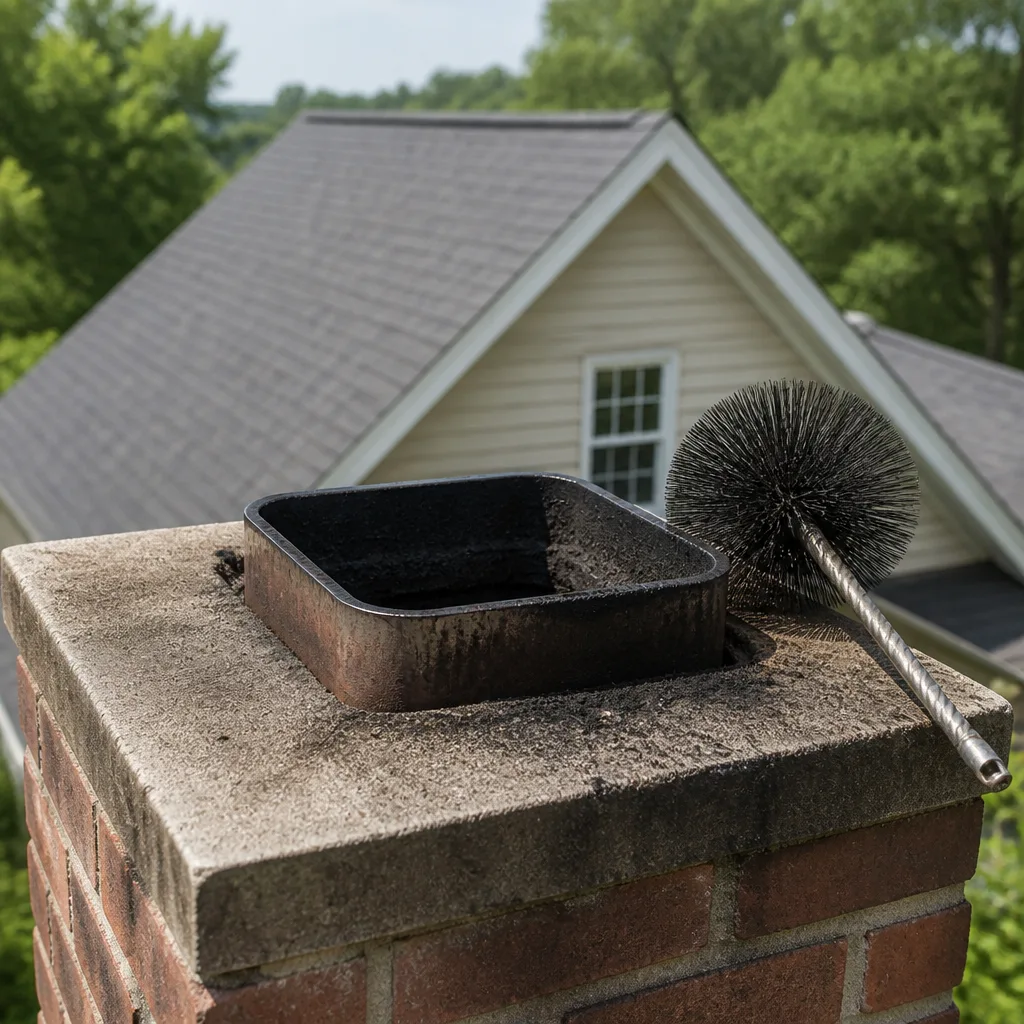
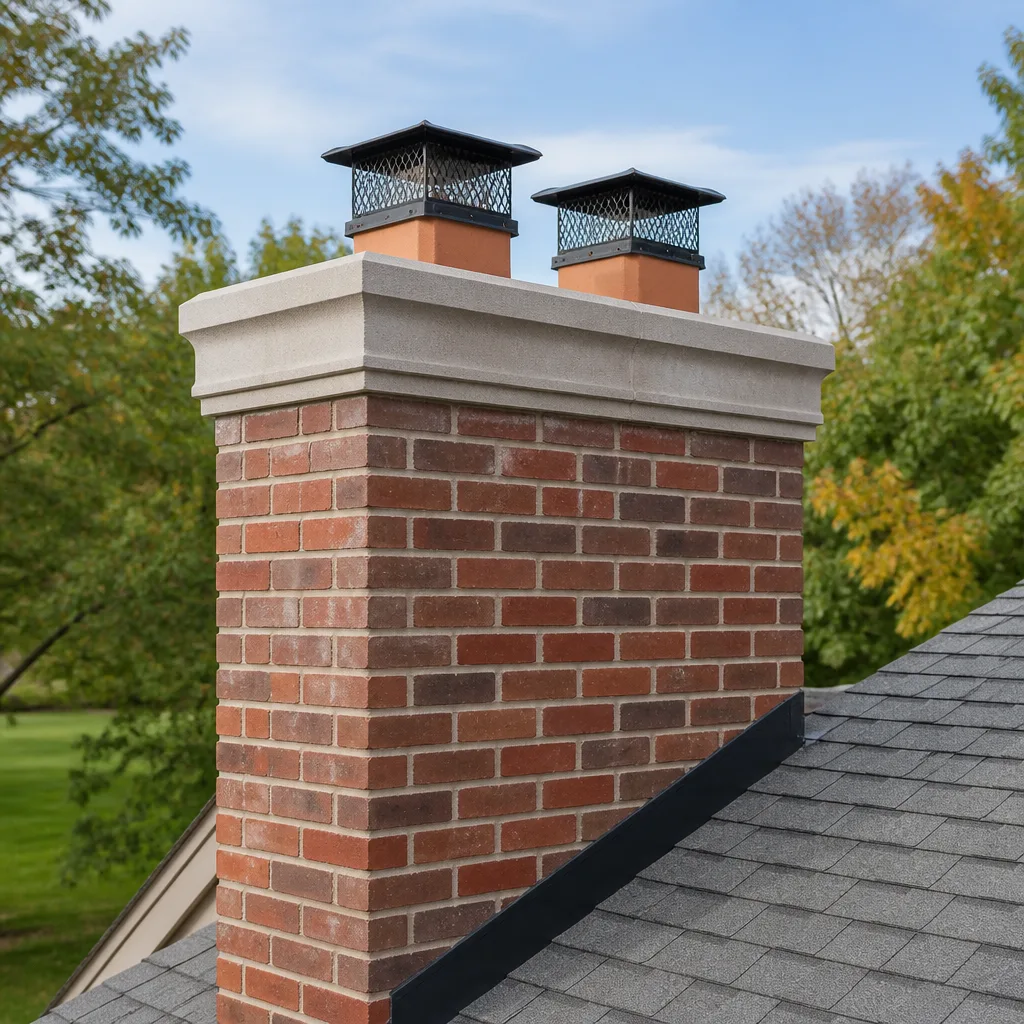
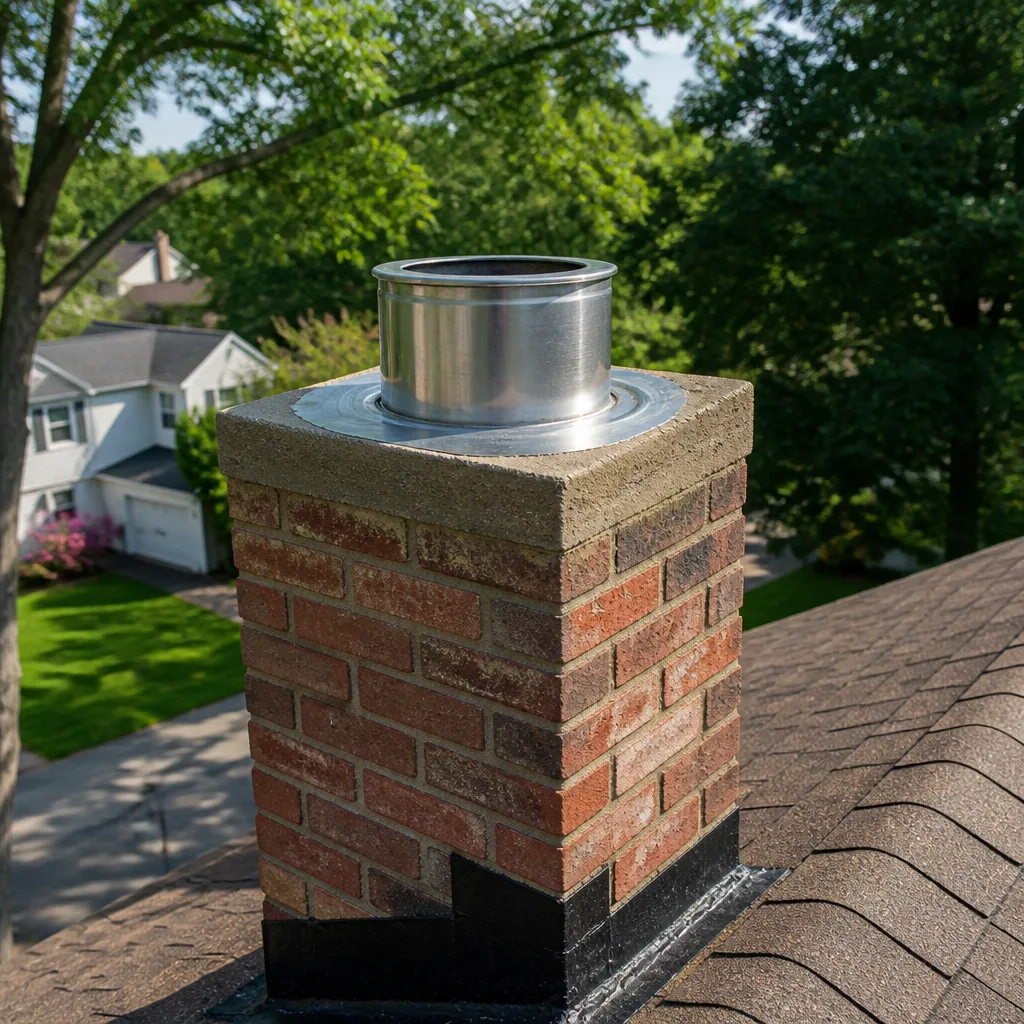
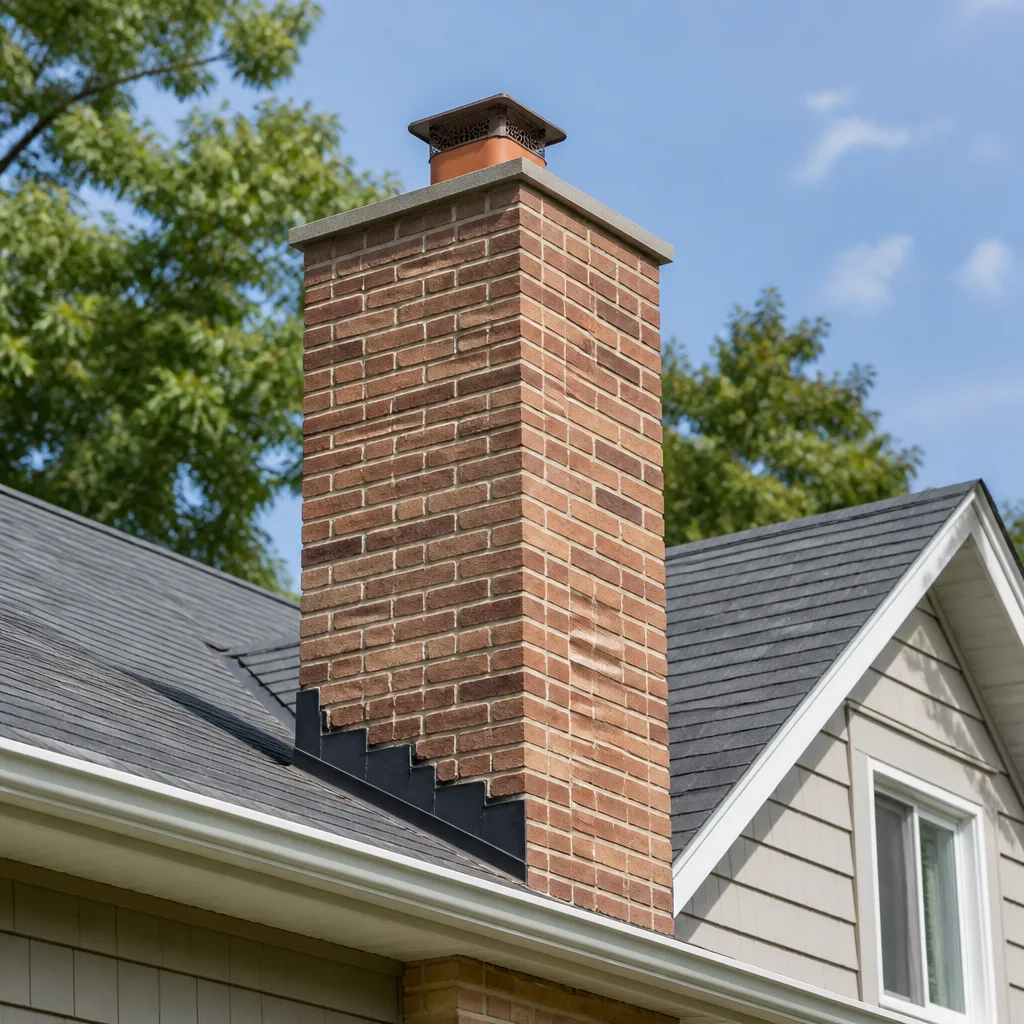
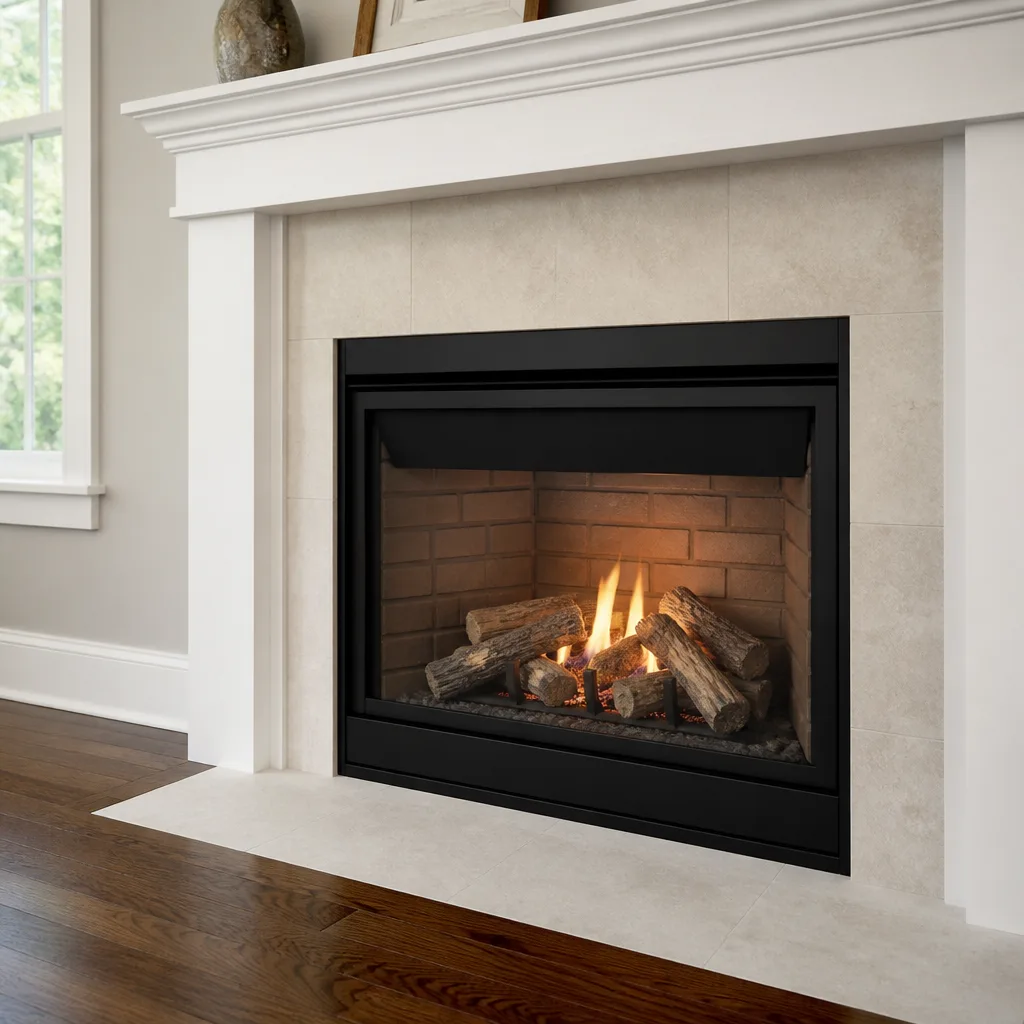
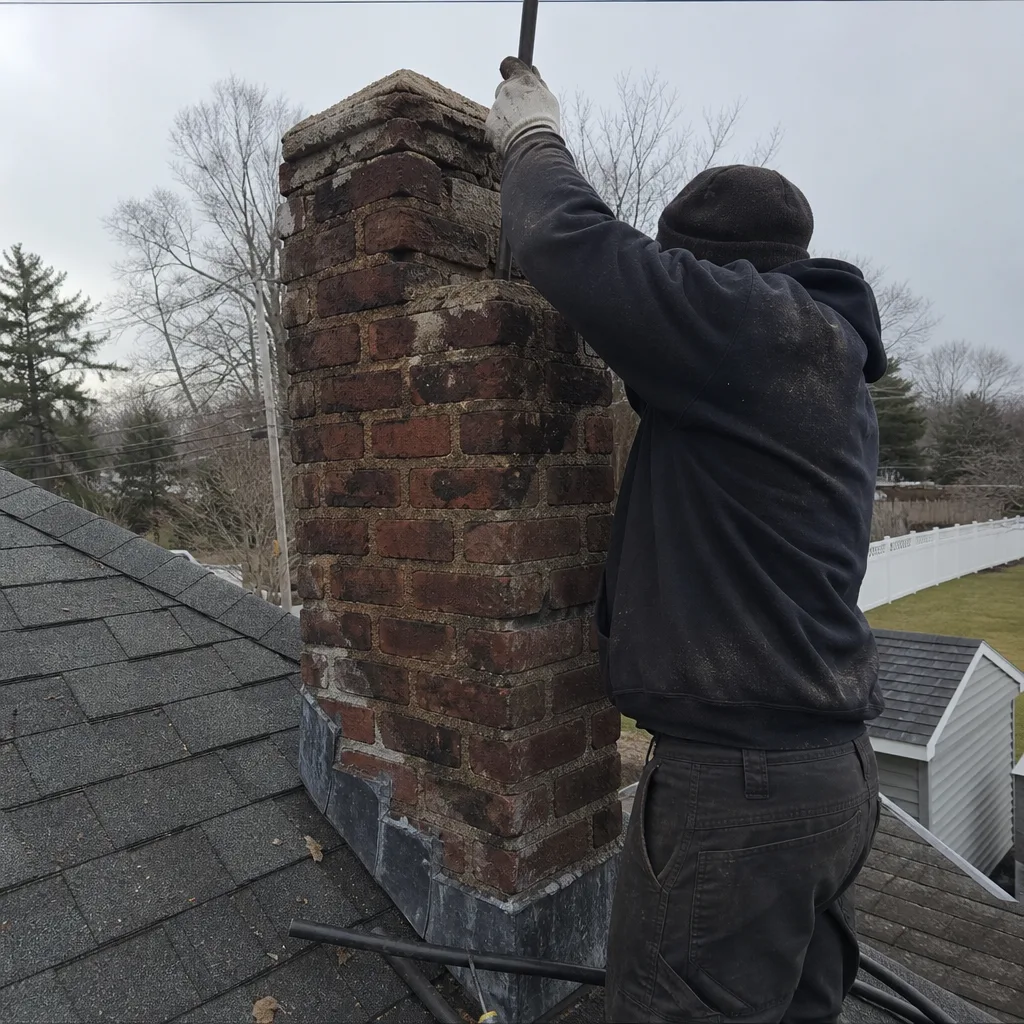 Before
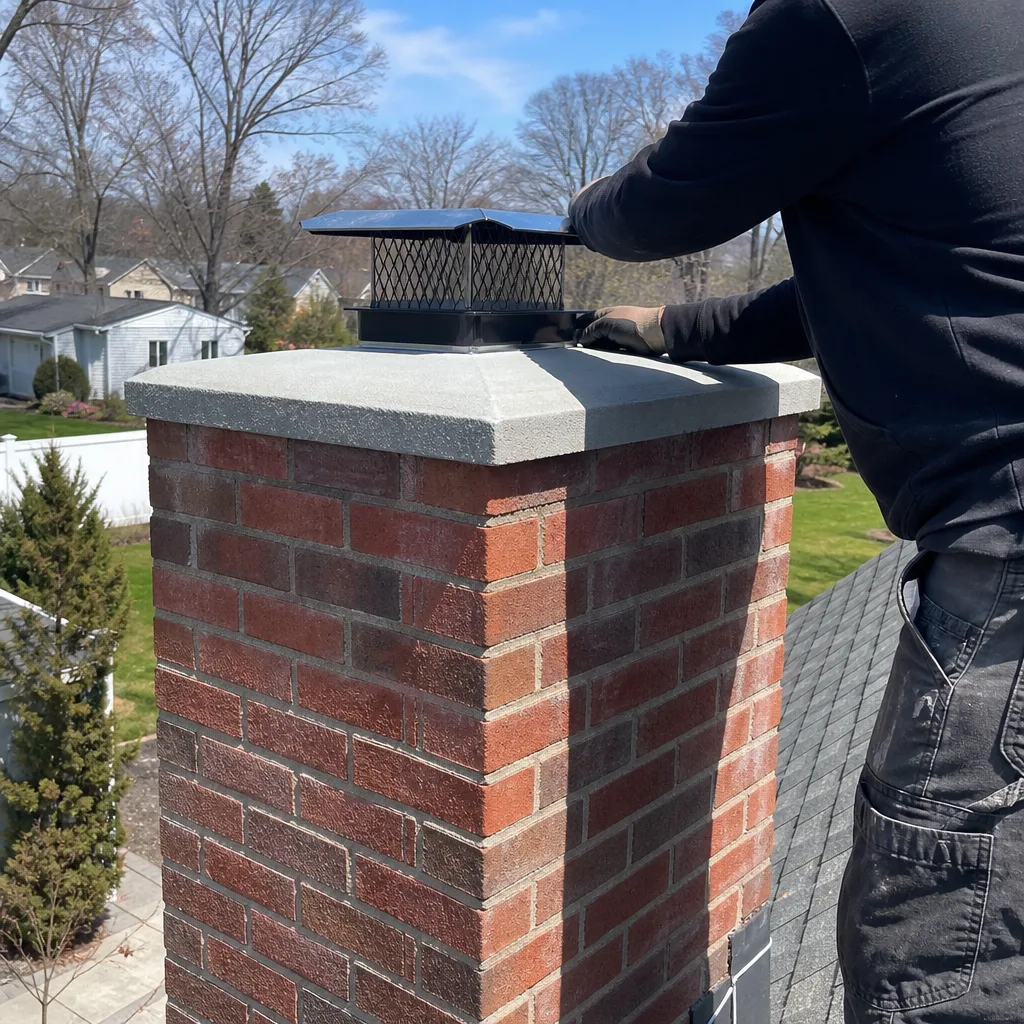 After
After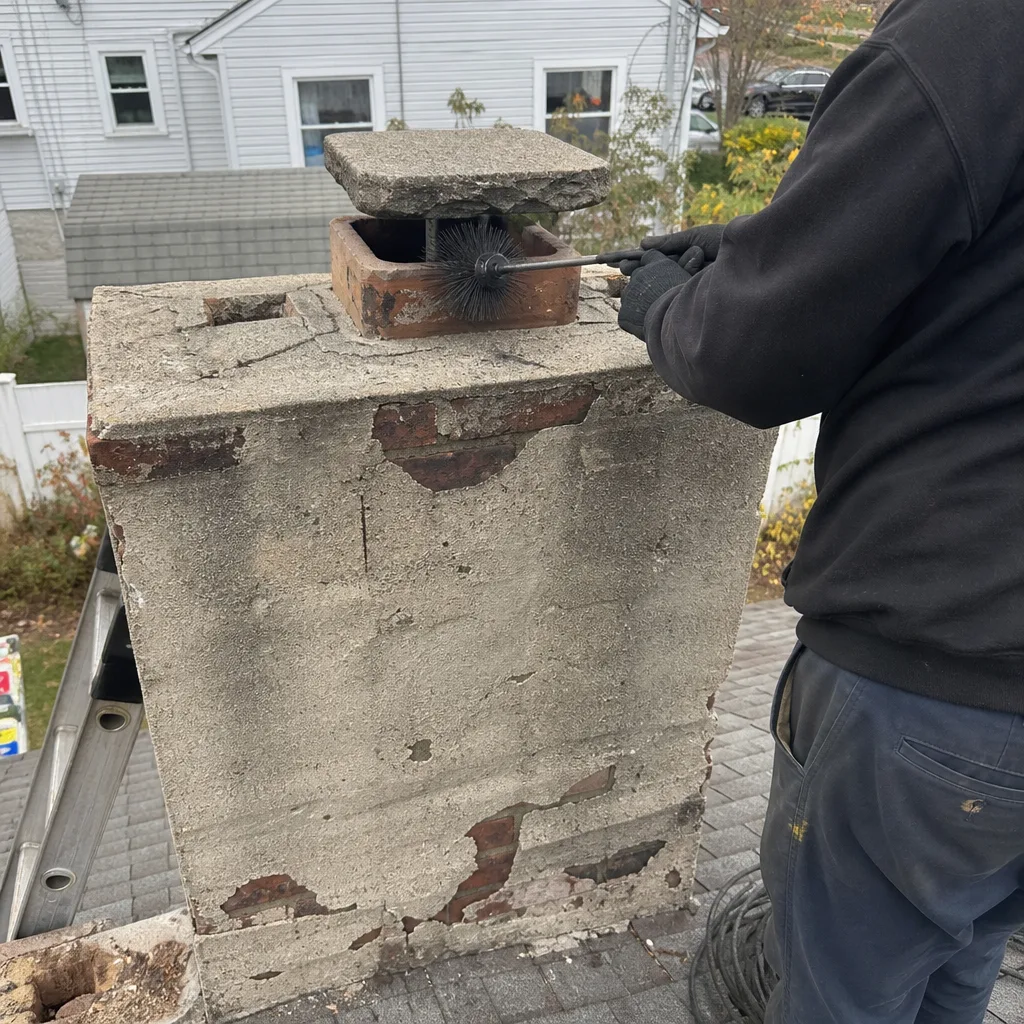 Before
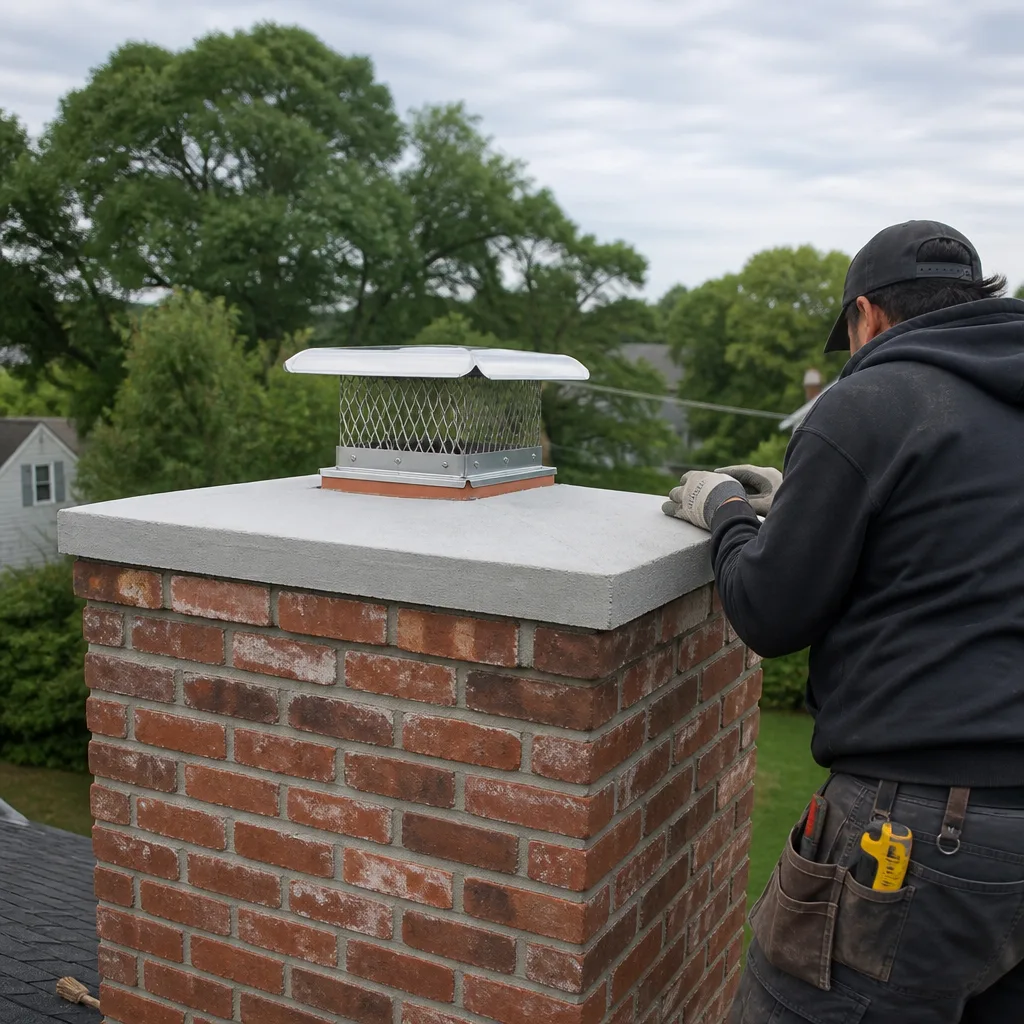 After
After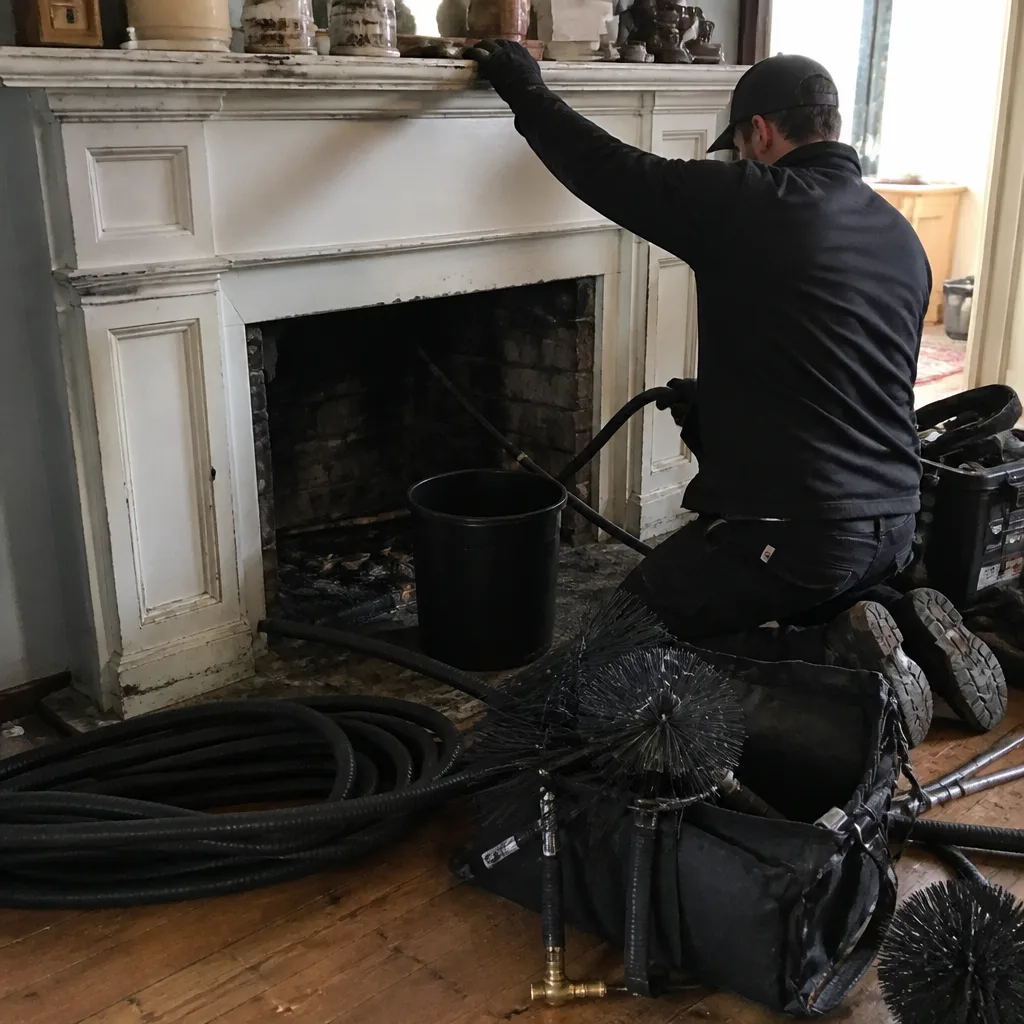 Before
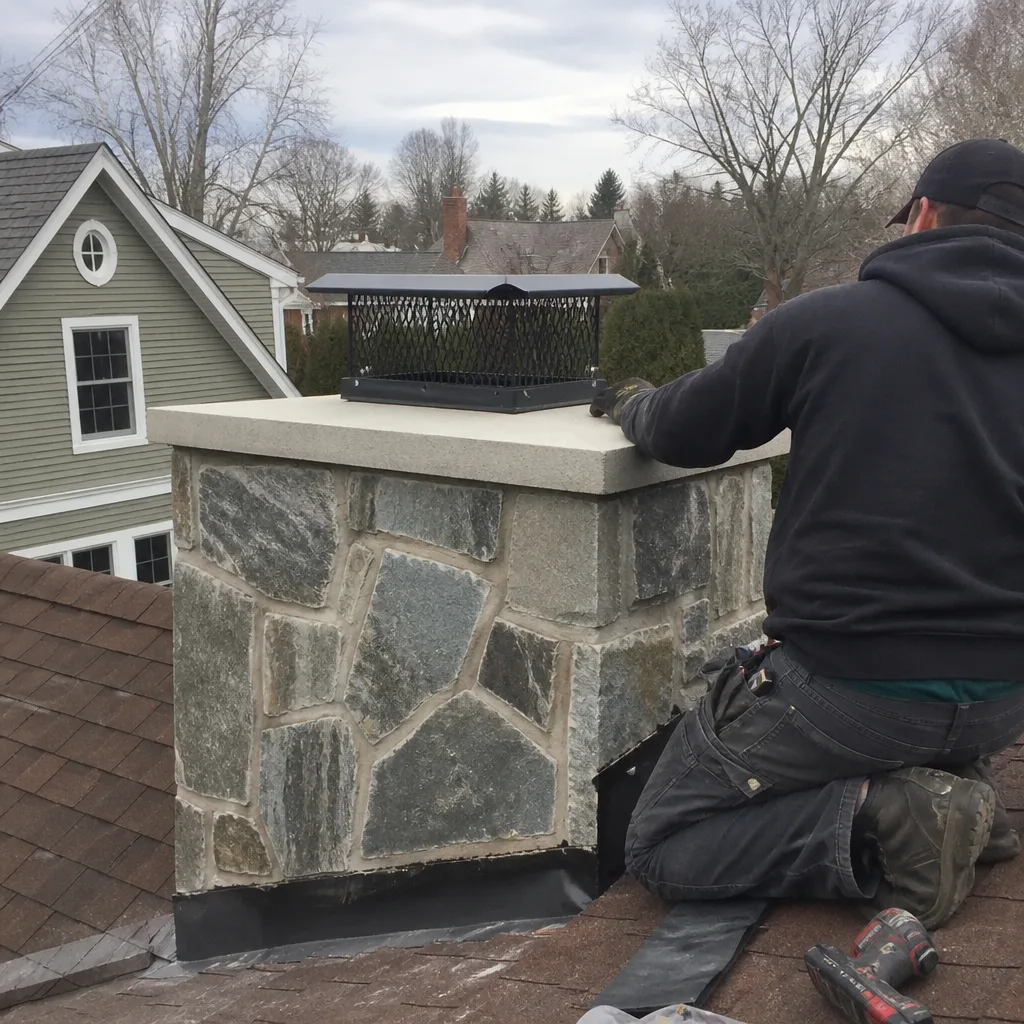 After
AfterHeatShield Chimney Cap Installation: The Long Island Owner’s Guide
We stock HeatShield chimney caps and install them across Long Island, with most jobs running between $340 and $620 installed, depending on flue size and roof access. Same-week scheduling is typical, and we carry the common sizes on the truck so the swap usually happens in one visit. Most owners figure out something’s wrong the same way: rust streaks on the chimney chase, a cap that rattles during nor’easters, or water showing up in the firebox after a hard rain.
Here’s the thing about HeatShield caps on Long Island: salt air and freeze-thaw cycles do a number on the mounting hardware long before the cap itself fails. We see stainless caps with completely rotted galvanized hardware underneath. The cap looks fine from the ground. The anchor bolts are dust. That’s the job we do most often.
Which HeatShield Models This Applies To
HeatShield makes caps for both single-flue and multi-flue applications, and the mounting style matters more than the model name. Single-flue caps slide over the clay tile or metal liner and secure with pressure screws or a clamp band. Multi-flue caps mount to the crown with anchor bolts and standoffs. If you can tell us the inside flue diameter and whether you have one flue or several, we can usually confirm the right part on the phone.
The compatibility gotcha with HeatShield caps: their single-flue models are sized to fit specific outside tile dimensions, not the flue’s inside diameter. A “13×13” cap fits a flue tile that measures 13 inches on the outside. If you measure the hole in the top, you’ll order the wrong size every time. That’s the most common installation mistake we correct on Long Island, and it’s an expensive one to make on your own dime.
HeatShield’s OEM caps are solid stainless, and for most homes they’re worth the money over a generic aftermarket unit. The aftermarket caps in this market tend to be lighter gauge and use cheaper hardware that fails faster in coastal air. We also stock parts from DuraFlex and Gelco, so if an aftermarket equivalent makes more sense for your setup, we’ll tell you that too. Top Hat Chimney is an independent service provider, not affiliated with HeatShield, but we’ve been installing their products long enough to know which ones hold up on Long Island and which ones don’t.
Signs Your HeatShield Chimney Cap Installation Is Failing
- Rust bleeding down the chase or crown. This is the hardware failing, not the cap itself. Galvanized anchor bolts and brackets rust through in Long Island’s salt air, and the red streaks are the giveaway. The cap may still be perfectly good.
- Water in the firebox after rain. A cap that’s shifted or lost its seal lets water run straight down the flue. You’ll see it as damp ash, a musty smell, or actual puddling in the firebox after a storm.
- Cap rattling in high wind. When the anchor bolts loosen or shear, the cap picks up a wobble. You’ll hear it on windy nights, usually as a low-frequency banging that travels down the flue.
- Debris or bird activity in the flue. If the mesh screen has pulled away from the cap body, birds will find their way in. You’ll hear scratching, or find nesting material when you go to light the first fire of the season.
- Visible separation or lift at the mounting point. From the ground, if the cap looks crooked, pitched, or no longer sitting flush against the crown or tile, the mounting system has started to fail. By the time it’s visible from the lawn, it’s been loose for a while.
Replacement Cost & What’s Included
On Long Island, a HeatShield chimney cap installation typically runs between $340 and $620 installed. The range depends on three things: whether you need a single-flue or multi-flue cap, how many stories up your roofline sits, and whether the existing mounting hardware has left the crown or tile in shape to accept new anchors. Single-story ranch homes in Levittown land at the low end. Steep rooflines on older colonials near the North Shore run higher.
Every quote we give includes the cap, replacement stainless hardware, removal and disposal of the old cap, and a photo report of the finished installation. We price upfront before work begins, so the number you hear on the phone is the number on the invoice. The work is covered by our 90-Day Done Right Promise, in writing, and the cap itself carries HeatShield’s manufacturer warranty. If something’s not right, one call brings Wendell and his crew back at no charge.
DIY or Call Us?
What you can safely do from the ground: check for rust streaks, see if the cap is sitting crooked, and look for missing hardware with binoculars. That’s useful information when you call. What we don’t recommend on Long Island: getting on a roof to do the swap yourself. Chimney work means ladder work, standing on a crown that may have hidden damage, and handling a cap that’s heavier than it looks in wind. A fall from even a single-story roofline puts you in the hospital. If the cap is loose, it’s also a fall hazard itself. Call Wendell Pike at (516) 968-5380 and we’ll take a look. If it doesn’t need fixing, we’ll tell you that first. That’s not a sales line, it’s how we’ve operated since 1999.
FAQs
The stainless cap itself typically lasts 15 to 20 years in Long Island’s climate, but the mounting hardware often fails in 7 to 10 years, especially within a few miles of the Sound or the ocean. Salt air eats galvanized components fast. We’ve replaced hardware on caps that were less than a decade old and still in great shape otherwise. Call (516) 968-5380 if you’re seeing rust streaks or a wobbly cap.
In many cases, yes. If the cap body is sound and only the anchor bolts or brackets have rusted, we replace the hardware and remount the cap at a fraction of the cost of a new unit. If the mesh screen has separated but the frame is solid, we can often repair that on site too. We’ll show you the camera footage and give you a plain-English verdict on whether repair or replacement makes more sense. Call us at (516) 968-5380 and we’ll take a look.
A straightforward single-flue cap swap takes about an hour, including removal, mounting, and the photo report. Multi-flue caps and jobs that require crown repair before mounting can run half a day. We’ll give you a real arrival window and call you if that window slips. Most HeatShield installations on Long Island are done in one visit.
We keep common HeatShield single-flue and multi-flue sizes on the truck, so most swaps happen the same day we come out. For unusual flue dimensions or specialty setups, we order direct and schedule the installation once the part arrives. Call (516) 968-5380 with your flue measurements and we’ll tell you on the spot whether it’s one we carry.
Written by Wendell Pike, Owner, Top Hat Chimney at Top Hat Chimney, serving Long Island and nearby areas.