
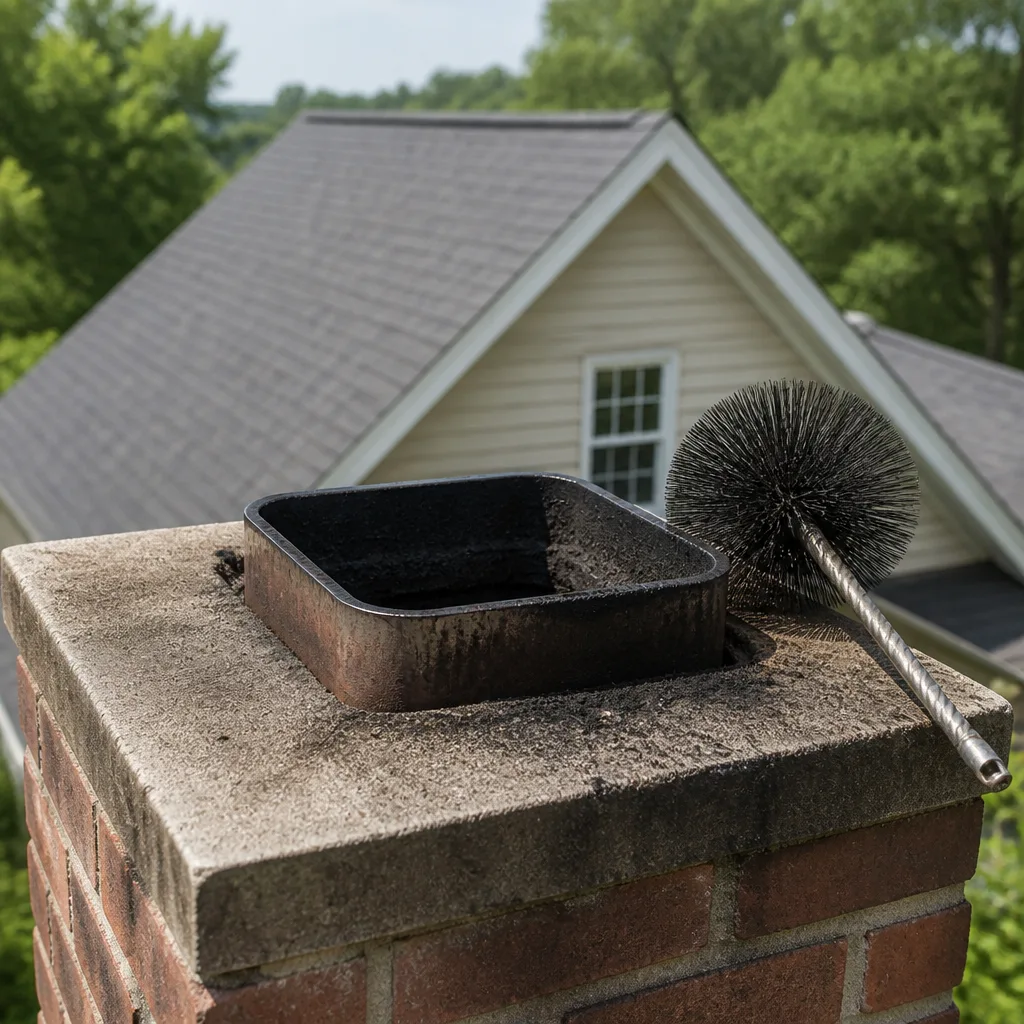
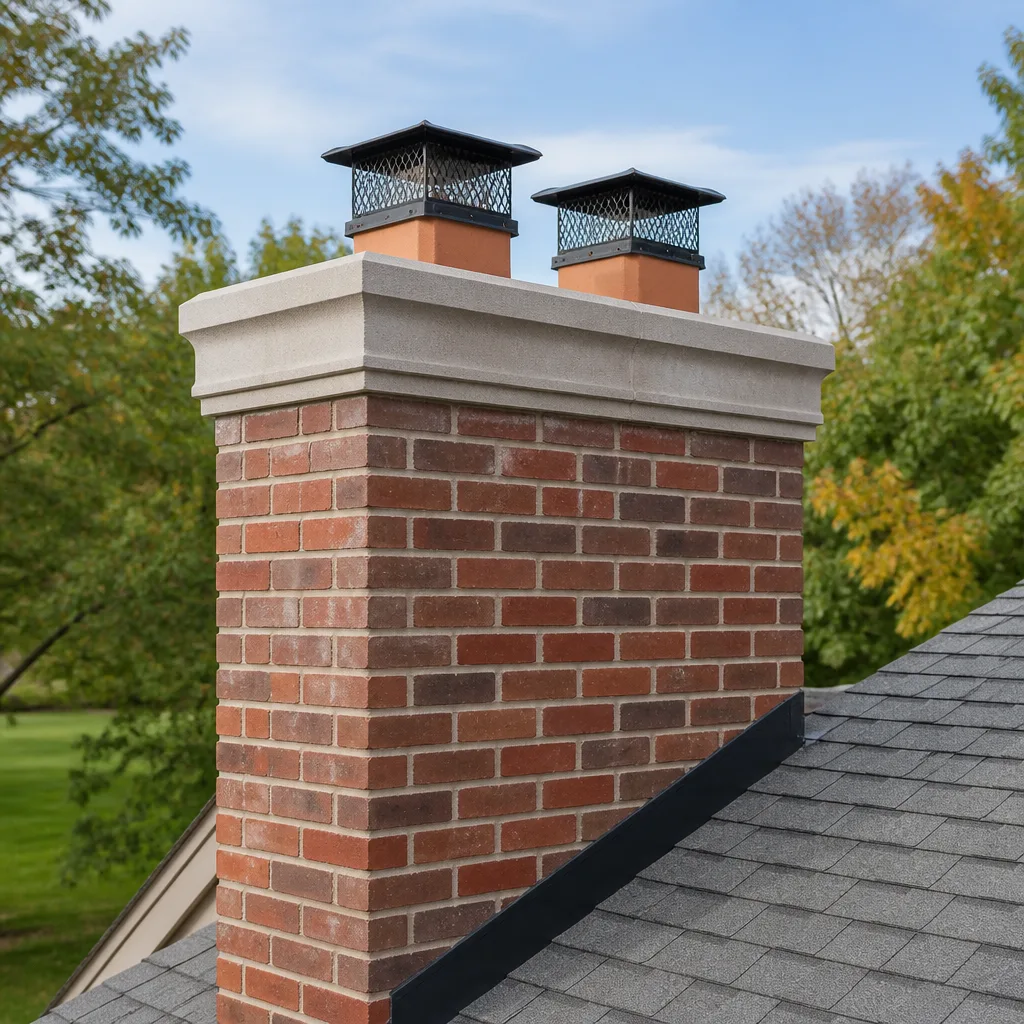
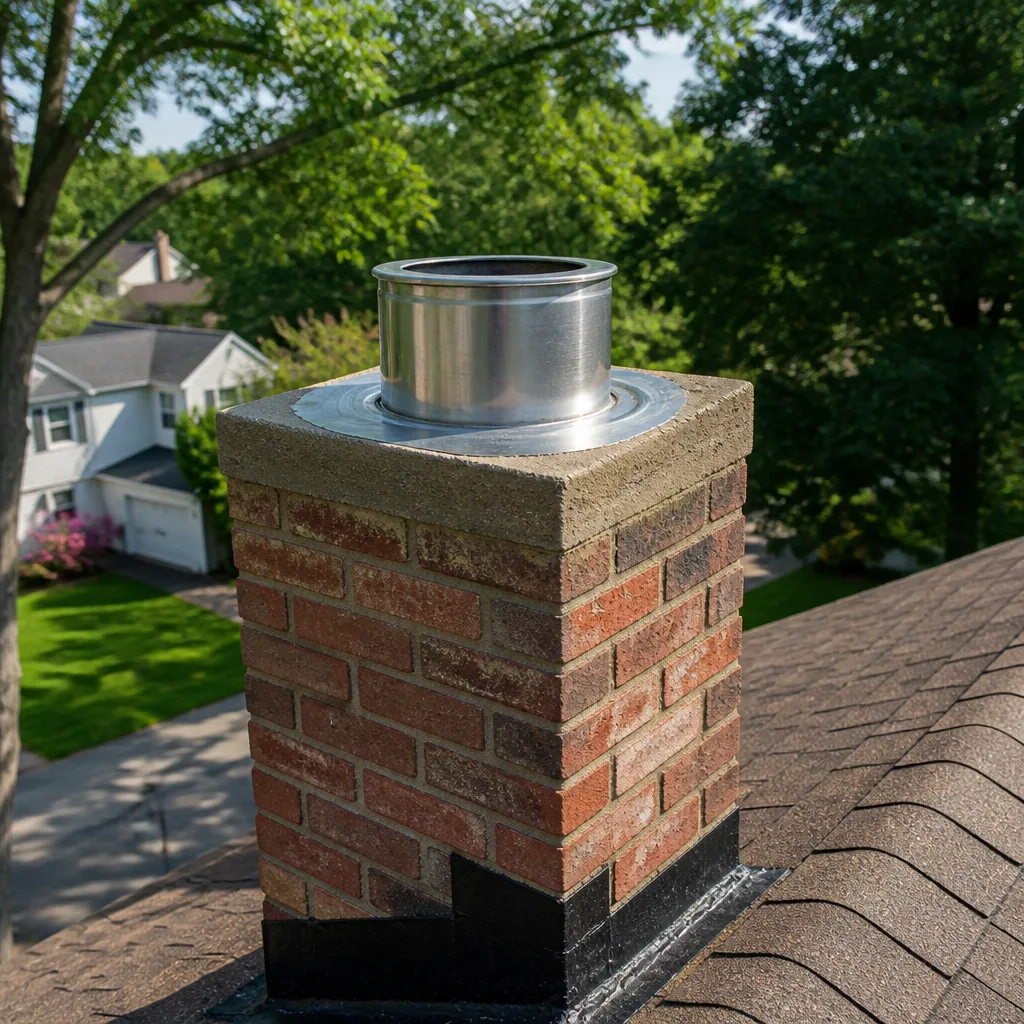
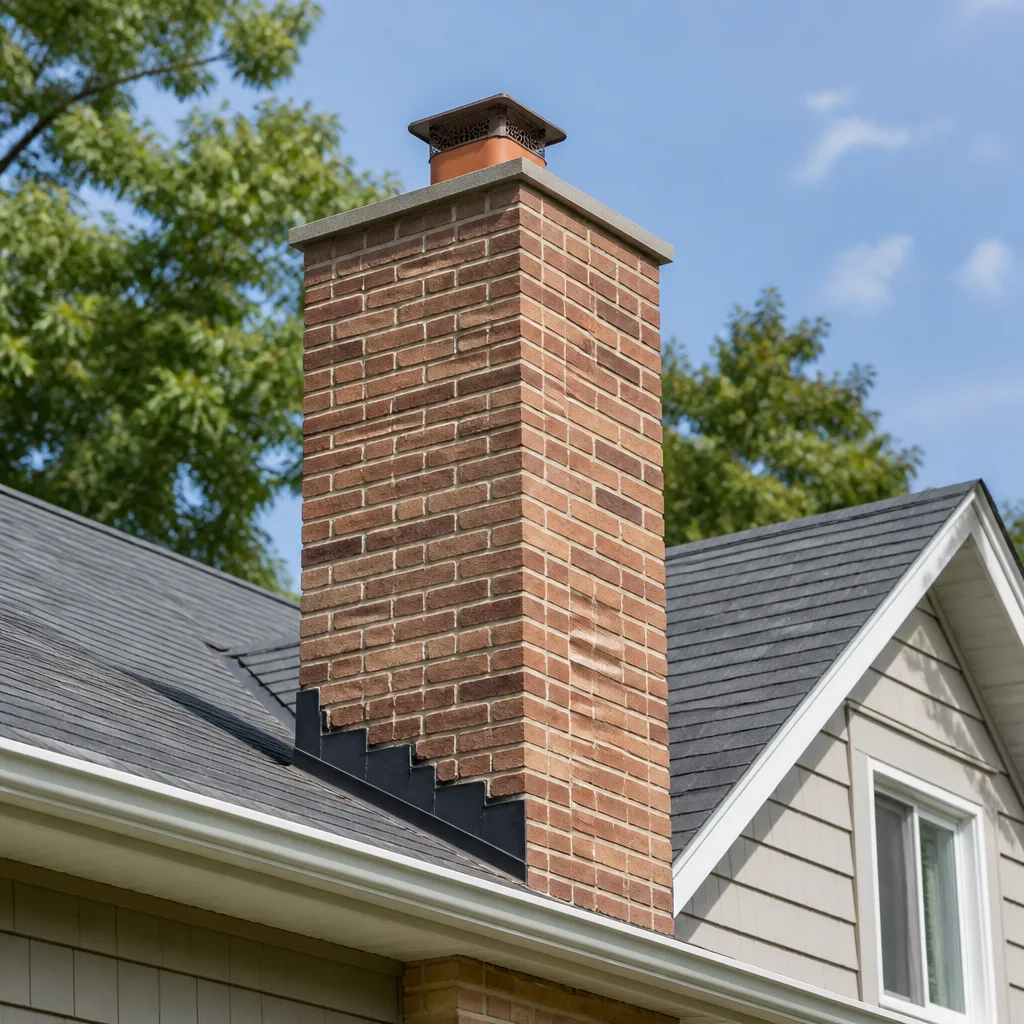
Level 1 sweep and inspection to the NFPA 211 annual standard - flue, crown, cap, and flashing checked and photographed
Chimney sweep logs do not sweep chimneys. They loosen some creosote - which then falls where a brush and vacuum still have to collect it.
 Before
 After
After Before
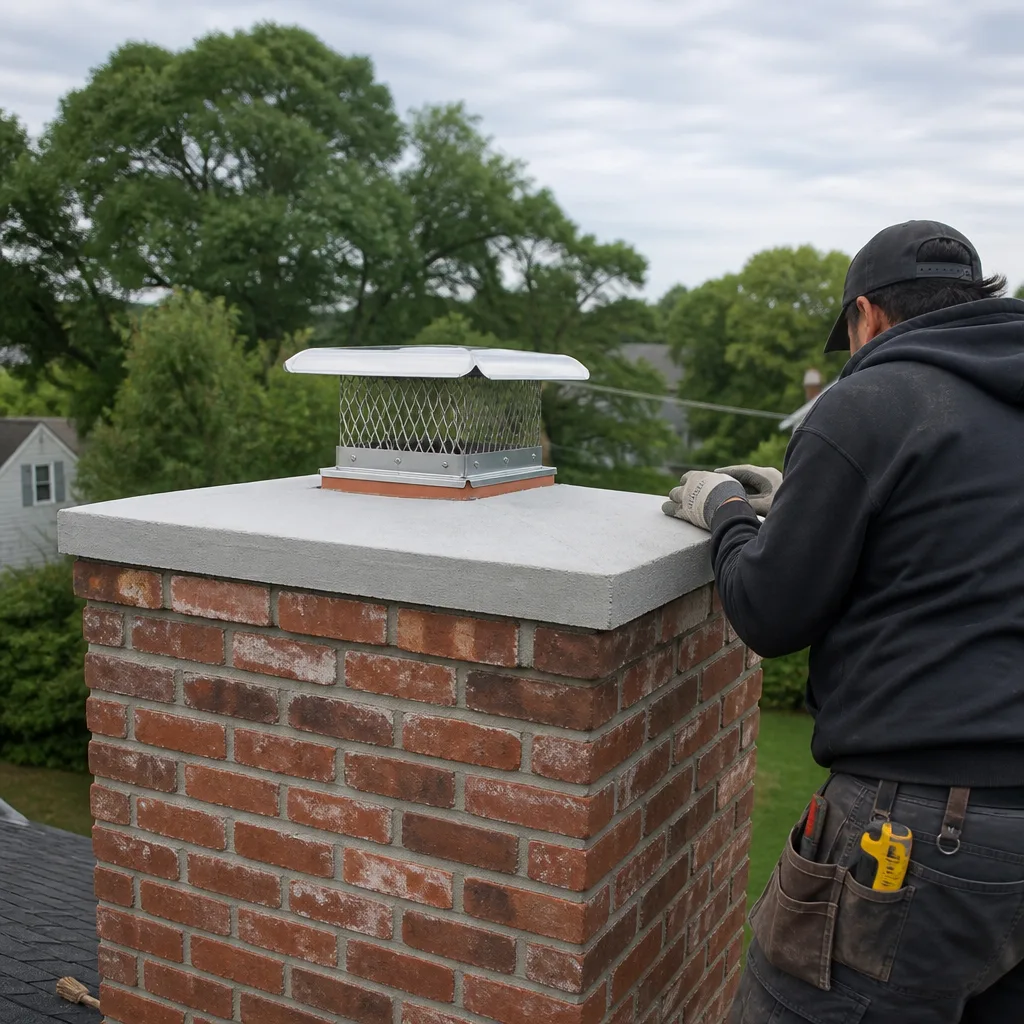 After
After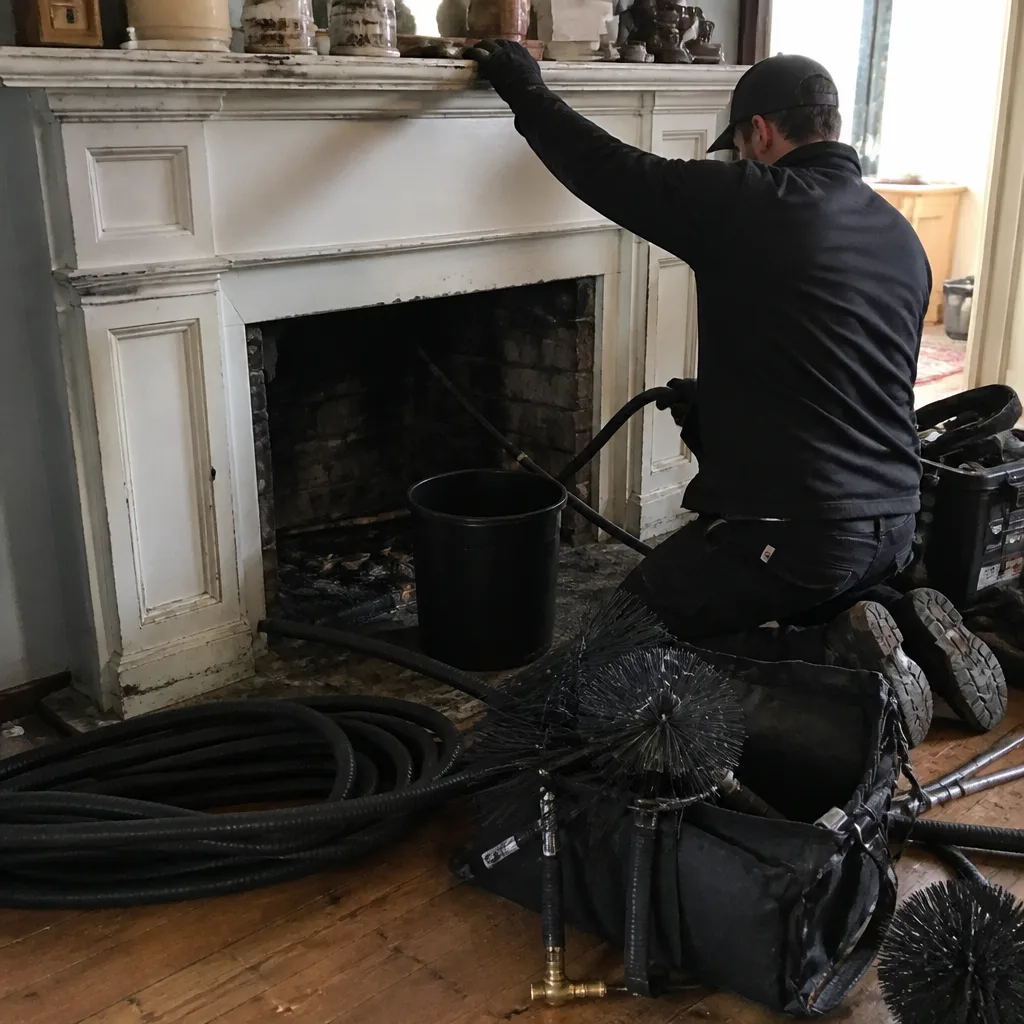 Before
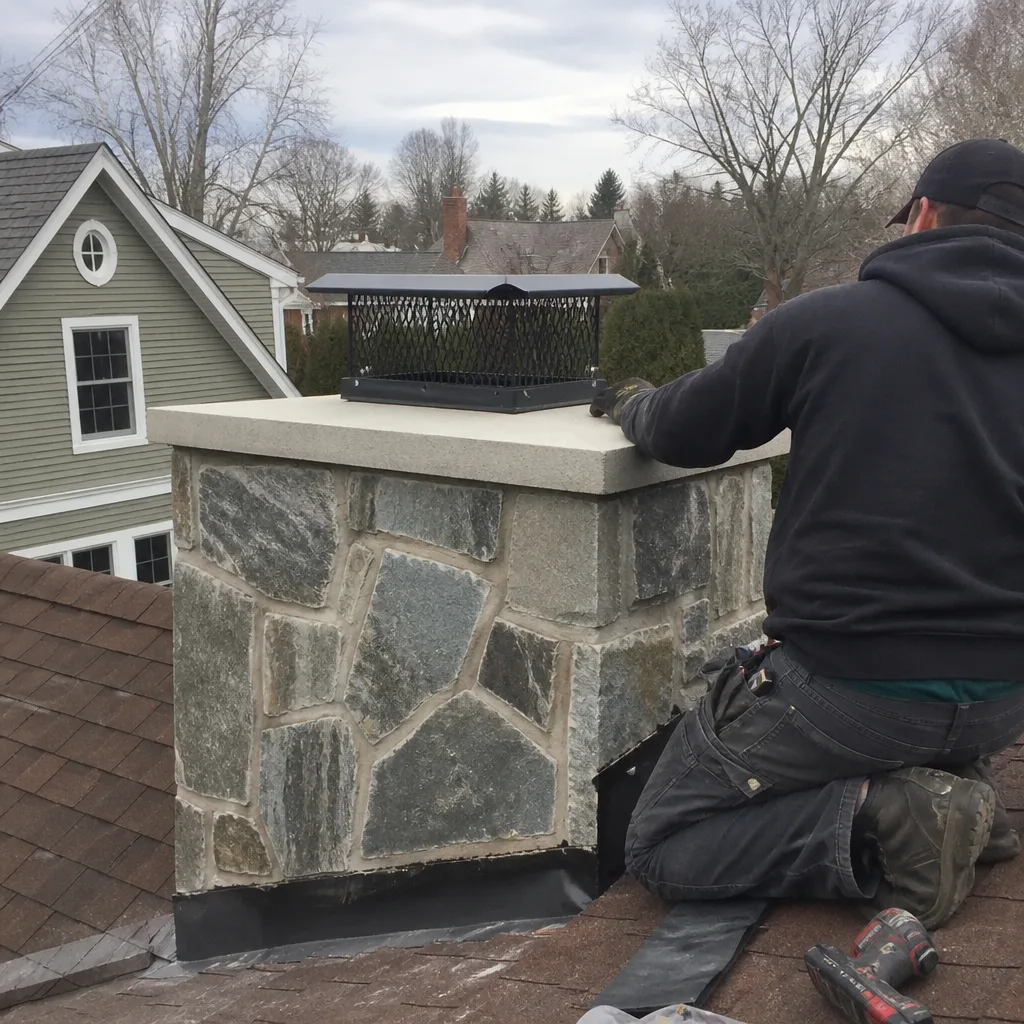 After
AfterCopperfield Damper Repair: The Long Island Owner’s Guide
Copperfield damper repair on Long Island typically runs $240 to $420 installed, depending on whether we’re rebuilding the frame or replacing the blade assembly itself. We keep Copperfield-compatible damper parts on the truck for most common models, so a lot of these jobs get finished in a single visit. Most owners discover the problem by accident: the damper lever suddenly spins free, or a cold draft settles into the room overnight, or you notice the handle won’t hold its position anymore. The good news is that a failed Copperfield damper rarely means a whole new chimney system. It usually means a worn blade, a stripped linkage, or a cracked frame that we can match and swap.
Which Copperfield Models This Applies To
Copperfield makes two damper lines we see regularly in Long Island homes: the standard cast-iron throat dampers in their masonry fireplace series, and the top-sealing dampers sold under the Copperfield name for prefab and retrofit applications. The throat dampers fail differently than the top-sealing ones, and the parts are not interchangeable between the two lines. If you open your firebox and look straight up, a throat damper sits right above the fire, usually a cast plate with a lever or chain. A top-sealing damper mounts at the top of the flue and works with a cable that runs down to a bracket in the firebox wall.
To match the part correctly, we need the damper’s width and depth measurements, or a clear photo of the failed area. Copperfield stamps model numbers on some castings, but not all of them, especially the earlier production runs. When we can’t read a stamp, we measure the throat opening and match the frame geometry. On the OEM versus aftermarket question: Copperfield’s factory blades tend to fit their frames perfectly, but their older hardware was prone to the same problem we’ll get into below, and a quality aftermarket blade with a thicker pin can outlast the original part. We stock both options and we’ll show you the difference before reaching any recommendation. Top Hat Chimney is an independent service provider and not affiliated with Copperfield, so our recommendation is based on what actually holds up in these chimneys, not what a factory catalog pushes.
Signs Your Copperfield Damper Is Failing
- The handle spins without resistance. This almost always means the linkage pin that connects the handle to the blade has sheared or slipped out. The blade itself may be fine, but until that pin is replaced, the damper won’t open or close at all.
- Cold air drops down the chimney even when the damper is closed. A cracked or warped blade leaves a gap around the edges. On windy nights in Long Island, especially near the water, that gap turns into a freezing draft that makes your furnace work harder.
- You can’t fully close the damper, or it grinds against the frame. Creosote buildup and rust scale can warp the seating surface over time. Forcing the handle only bends the linkage and makes the eventual repair more expensive.
- Soot streaks or water staining on the damper blade. Water getting past a failing cap or crown drips down onto a hot damper blade and creates exactly the conditions for rust seizure. We see this a lot on older colonials where the chimney crown has started to spall.
- You smell fireplace odor in the summer, even with the damper shut. A slightly open or misaligned blade lets humid air carry old smoke smell down into the house. This one drives people crazy in July and August, and it’s usually the moment they call.
Replacement Cost & What’s Included
In Long Island, expect to pay between $240 and $420 for a Copperfield damper repair, installed, with the exact number depending on whether we’re replacing just the blade and pins or rebuilding the surrounding frame. A simple blade swap on a clean, accessible throat damper sits at the lower end. Rebuilding a rusted frame or replacing a top-sealing damper cable assembly runs higher because it takes more time and more parts.
Here’s what that price always includes:
- The Copperfield-compatible blade, linkage, or cable assembly required for the repair
- Removal of the failed part and installation of the new one
- Seating adjustment so the damper opens and closes with the right pressure
- A camera check of the flue above the damper so you’re not fixing one part while another fails silently
- Our 90-Day Done Right Promise in writing: if it’s not right, one call brings Wendell and his crew back
The price you hear before work begins is the price on the invoice. We don’t do the bait-and-switch thing that Long Island homeowners have learned to expect from the big national chains.
DIY or Call Us?
There are a couple of things worth checking yourself before you call. First, make sure the damper handle isn’t simply slipping on its shaft because the set screw backed off. A quarter-turn with a screwdriver has saved more than a few Long Island homeowners a service call. Second, shine a flashlight up and look for visible gaps around the blade when it’s closed. If the blade is mechanically intact but just dirty, a sweep might be all you need.
Beyond that, this is not a job for a homeowner. A damper blade that’s rusted into its frame can snap suddenly under pressure, and the sharp cast-iron edge will open a hand in a second. The linkage hardware sits in a tight, awkward space where a wrong move sends the blade swinging down on your fingers or your face. We handle these repairs every week, and we have the right replacement pins, bushings, and blades to do it cleanly. If the damper only needs a small adjustment, we’ll say so and charge accordingly. If it doesn’t need fixing, I’ll tell you that first. If it does, call (516) 968-5380 and we’ll get you on the schedule.
FAQs
A Copperfield throat damper typically lasts 12 to 20 years in Long Island, but salt air near the South Shore and heavy creosote from constant wood burning can cut that to 8 to 10 years without annual cleaning. The top-sealing models actually tend to fare better here because they keep rain and warm wet air from pooling on the blade. The number one lifespan killer in this area is running a chimney for years without a sweep, which lets acidic creosote sit on the cast iron and eat through it. Call (516) 968-5380 and we’ll tell you what’s left in your damper before you spend a dollar.
In many cases, yes. A stripped linkage pin, a loose set screw, or a blade that just needs reseating can be fixed without replacing the whole damper assembly. We rebuild what we can and replace only what’s actually failed. If the frame is cracked through or the blade is rusted beyond seating, replacement is the only honest fix, and we’ll show you the damage on camera before we do anything.
Most Copperfield damper repairs take between 60 and 90 minutes from start to finish, which is why we can often complete the job on the same visit. A top-sealing damper cable replacement can push toward two hours because the cable has to be routed and tensioned through the firebox wall. We’ll give you a straight time estimate when we book the appointment.
We keep the most common Copperfield blade sizes, linkage pins, bushings, and cable kits stocked on the truck for standard Long Island installations. That’s what lets us handle a lot of these repairs in one trip. If your model needs a less common size, we can usually source it within a few business days from our supplier network alongside our other trusted brands like DuraFlex, HeatShield, and Gelco. Call (516) 968-5380 for an exact availability check.
Written by Wendell Pike, Owner, Top Hat Chimney at Top Hat Chimney, serving Long Island and nearby areas.