
Last updated September 10, 2026
Level 1 sweep and inspection to the NFPA 211 annual standard - flue, crown, cap, and flashing checked and photographed
Chimney sweep logs do not sweep chimneys. They loosen some creosote - which then falls where a brush and vacuum still have to collect it.
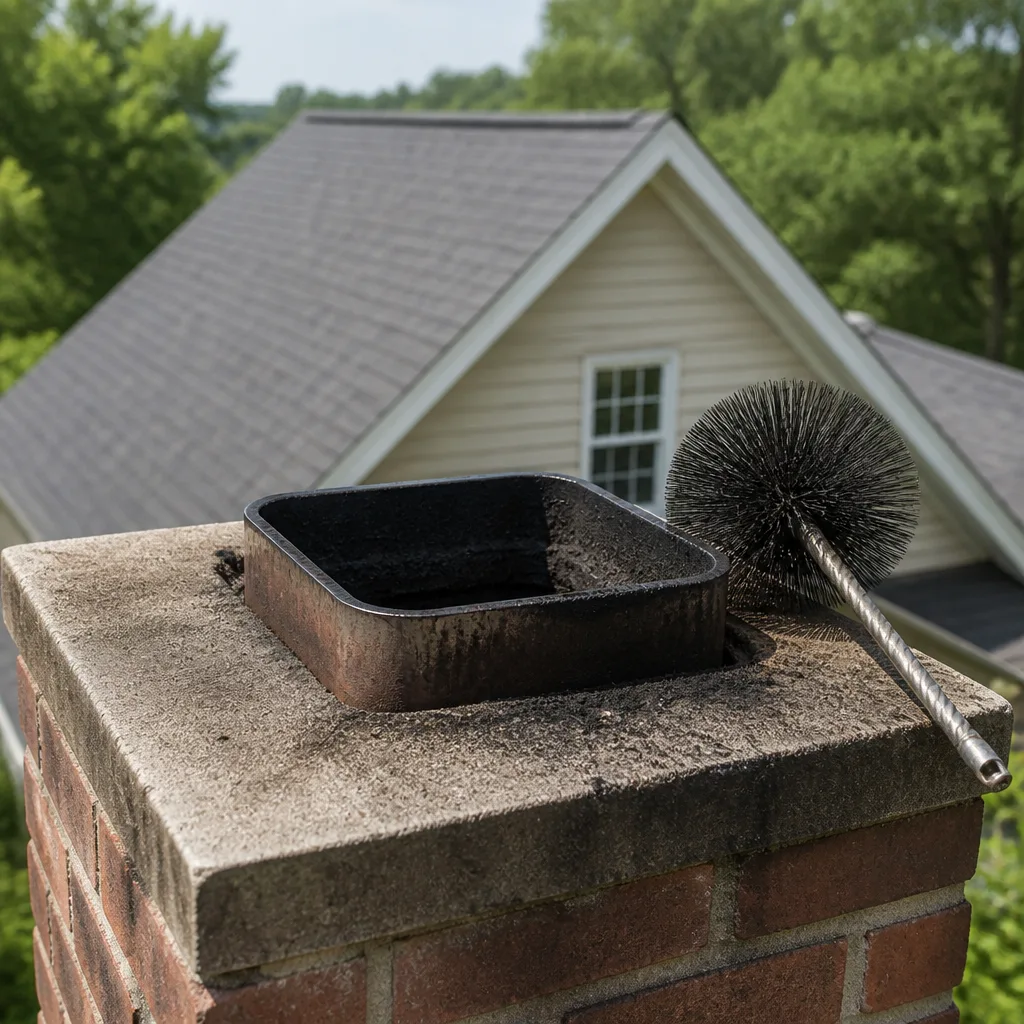
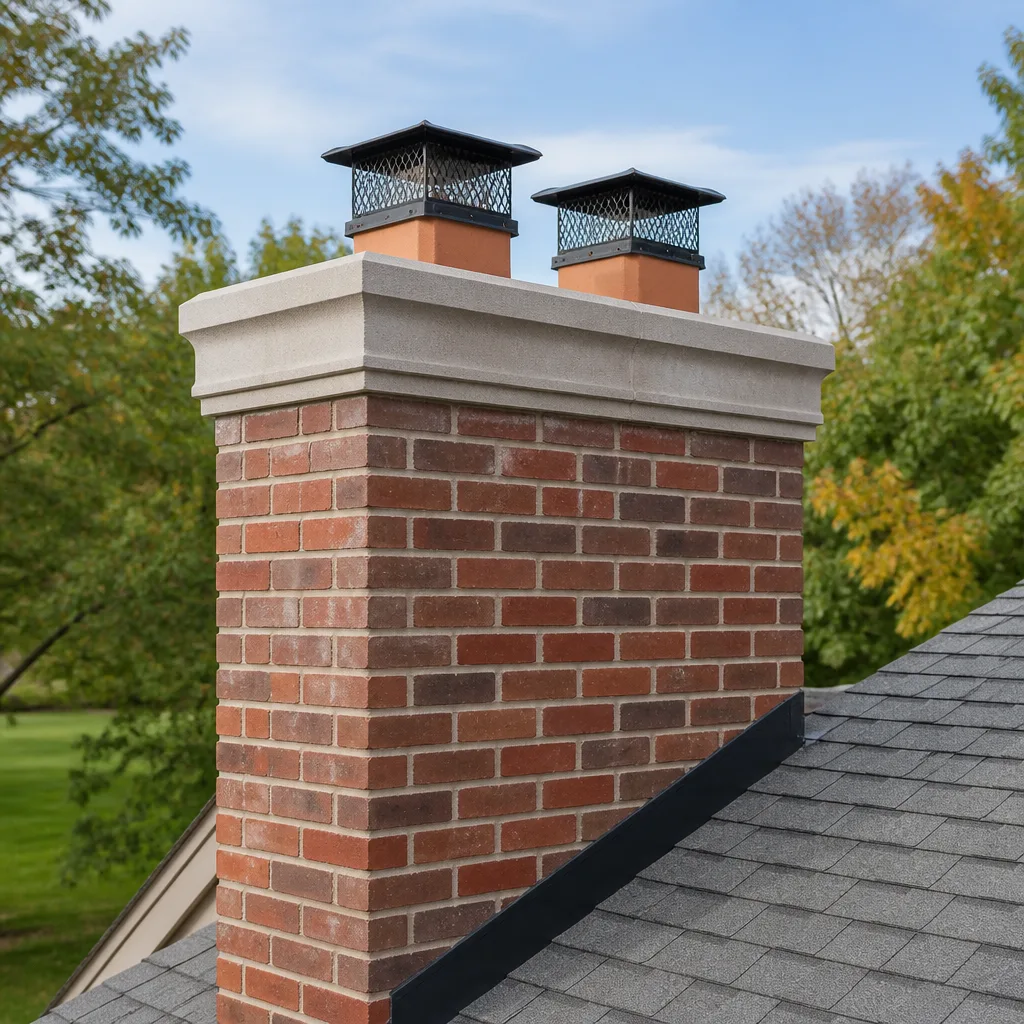
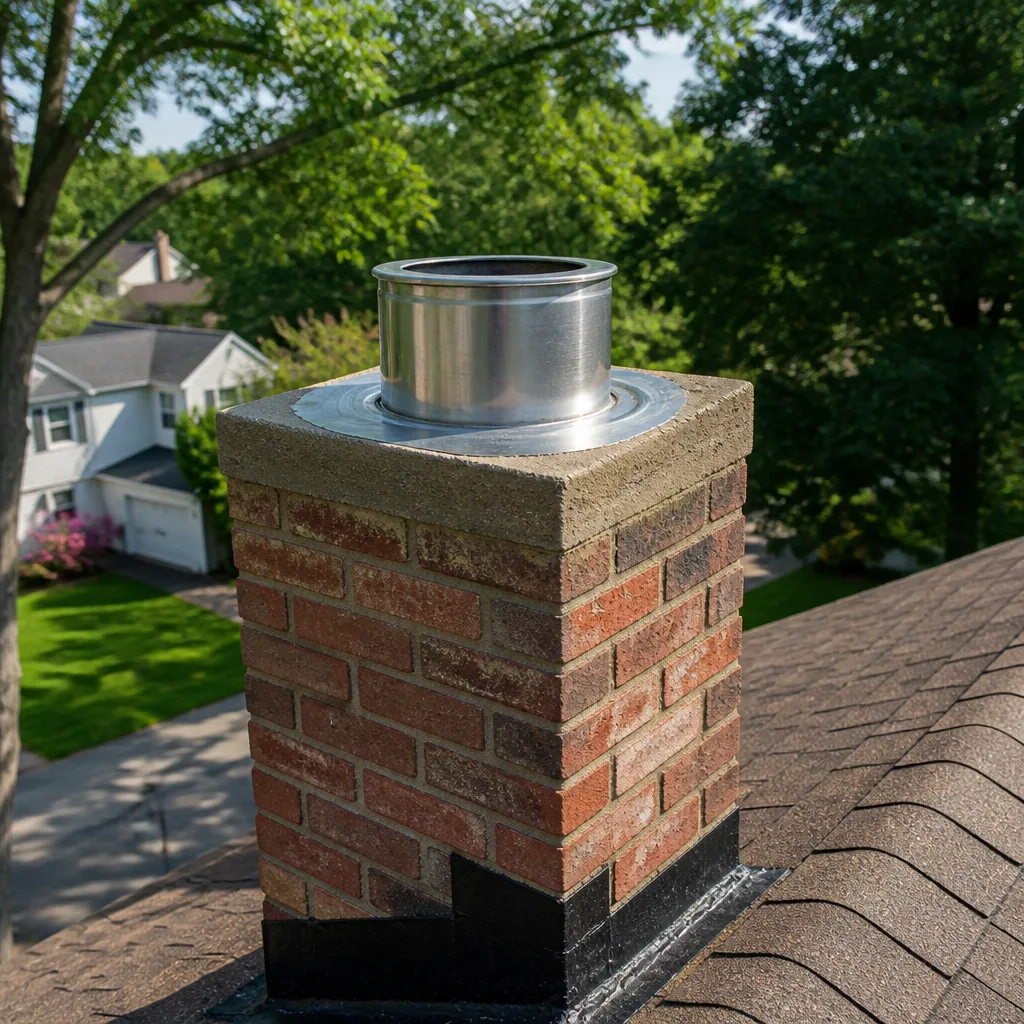
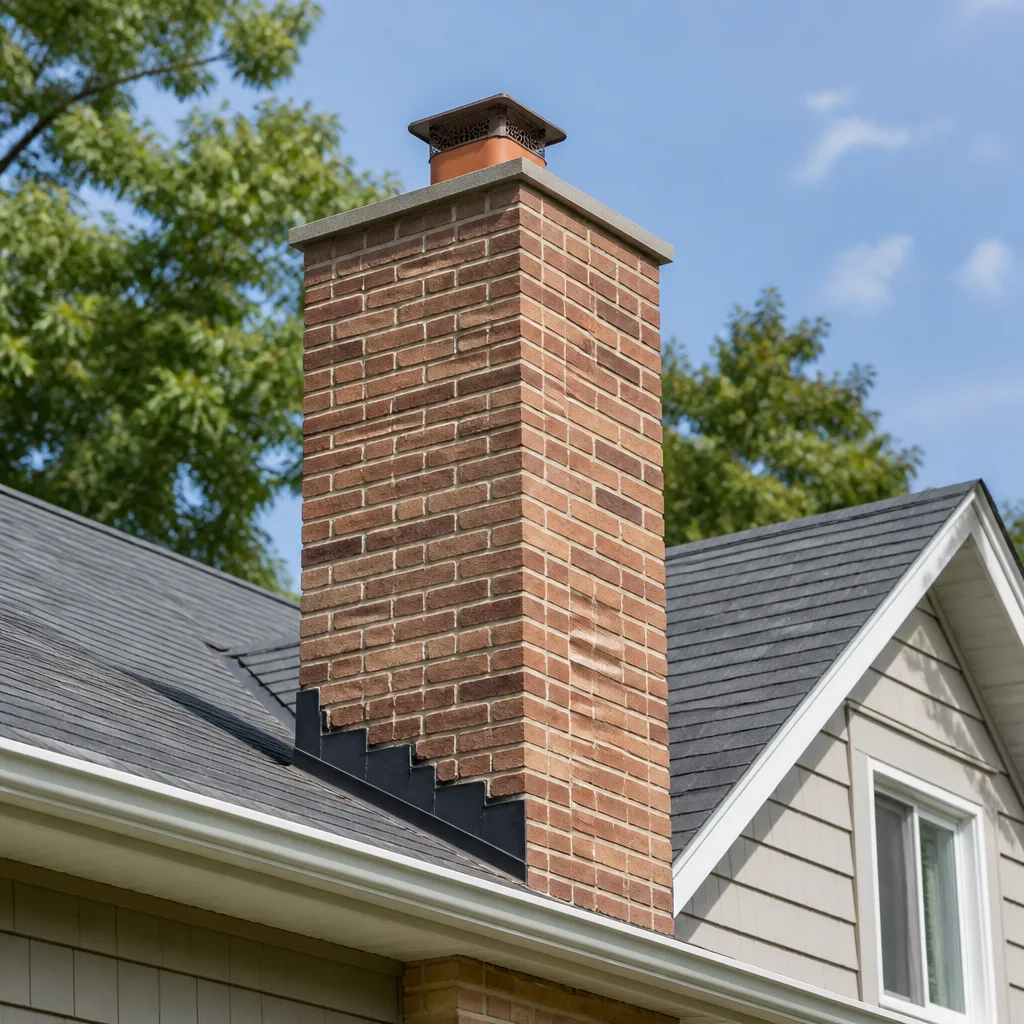
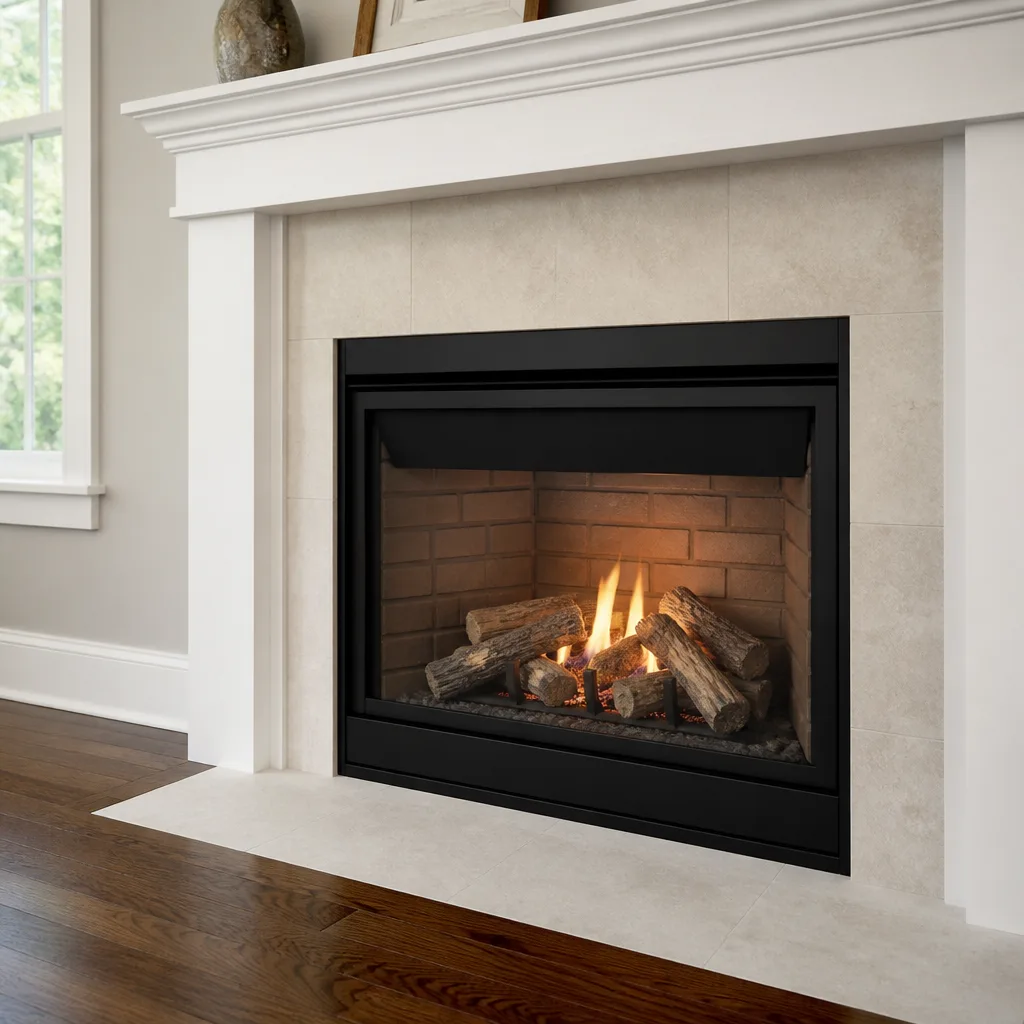
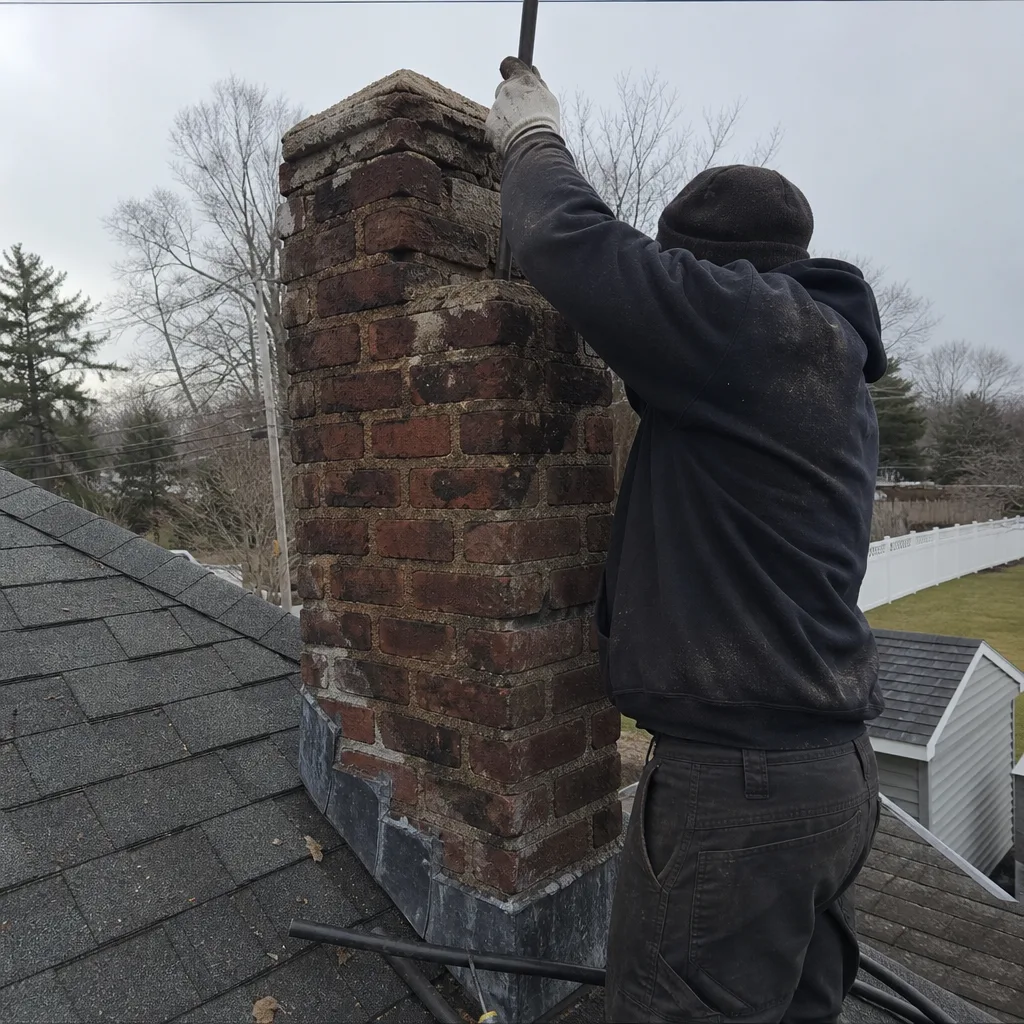 Before
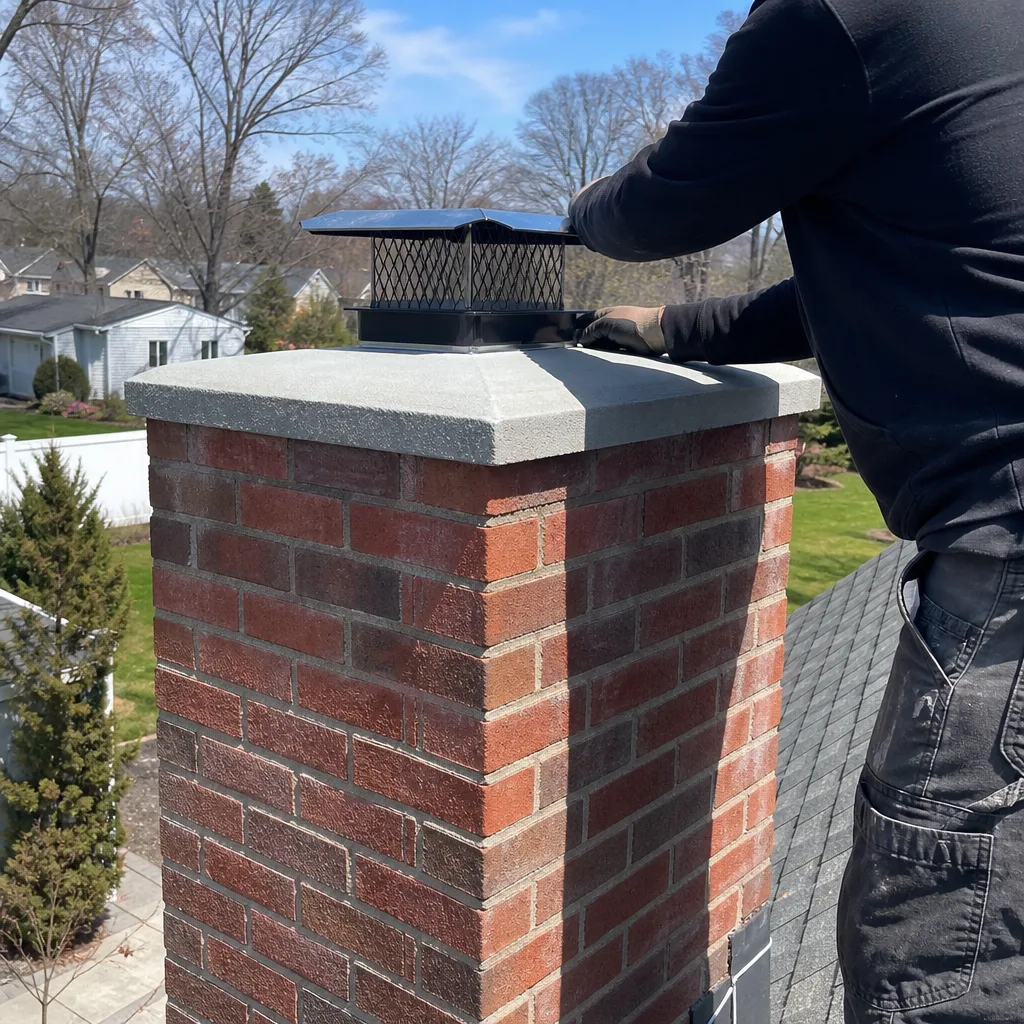 After
After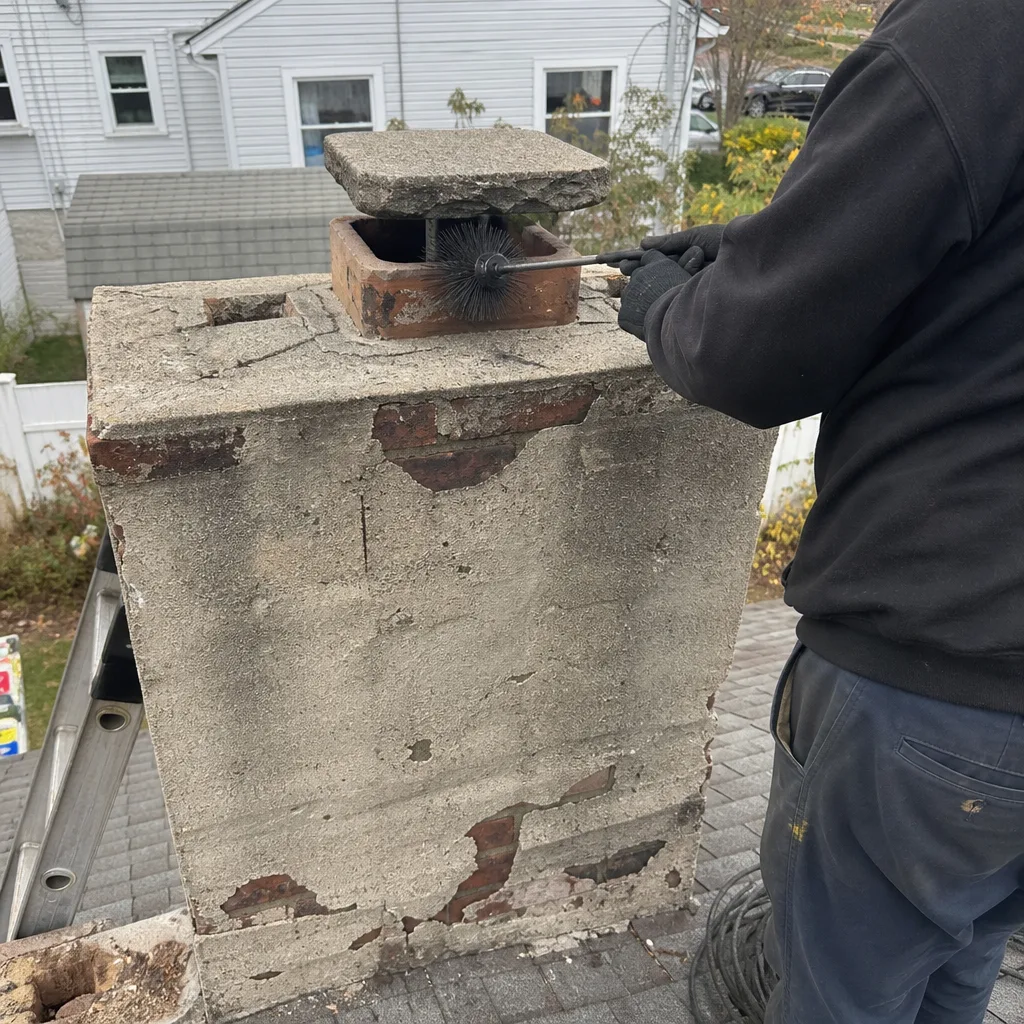 Before
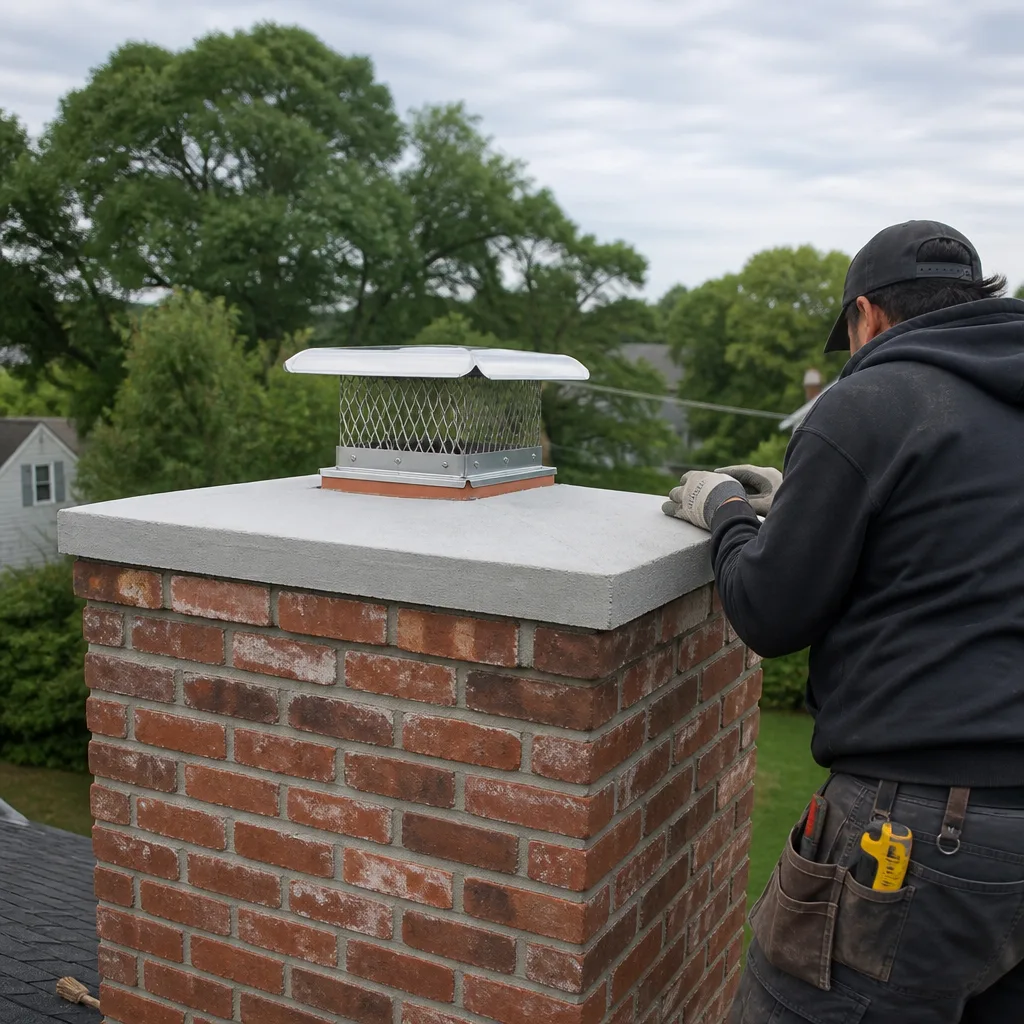 After
After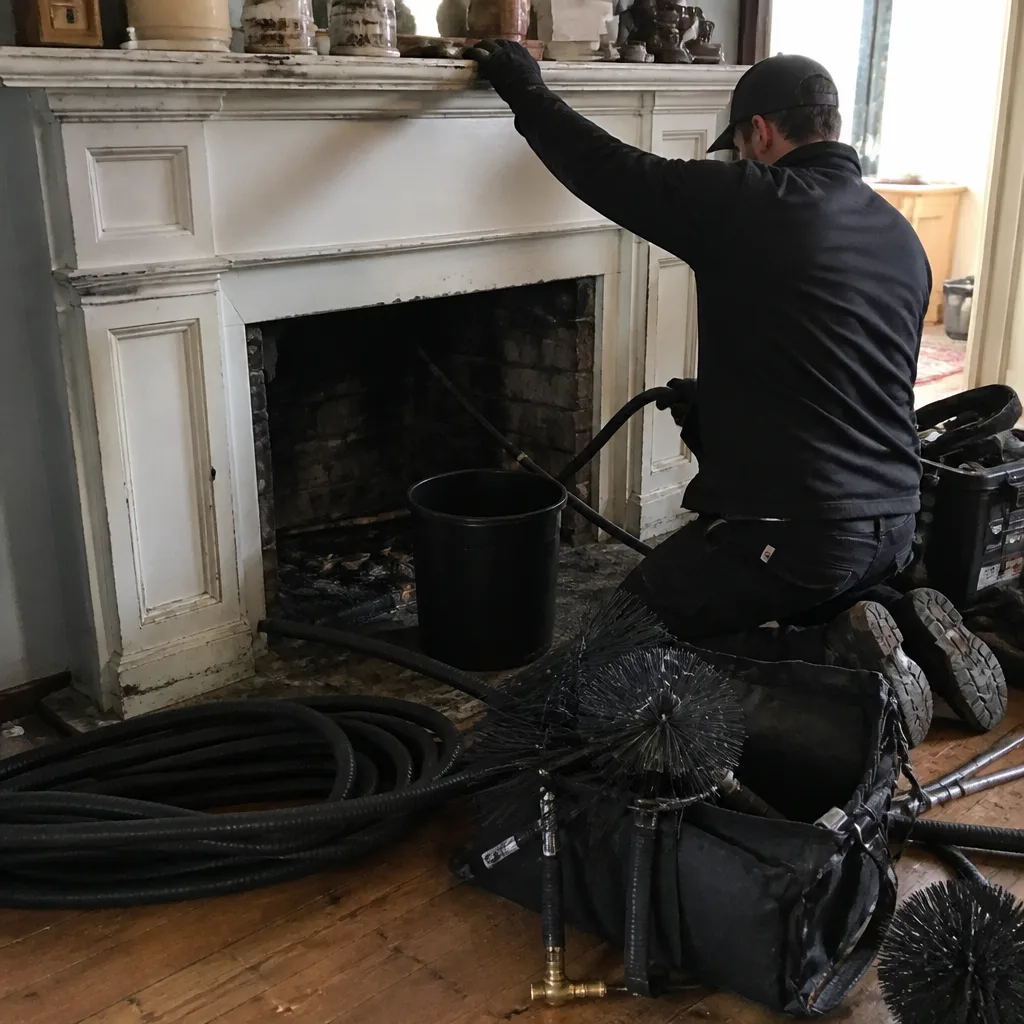 Before
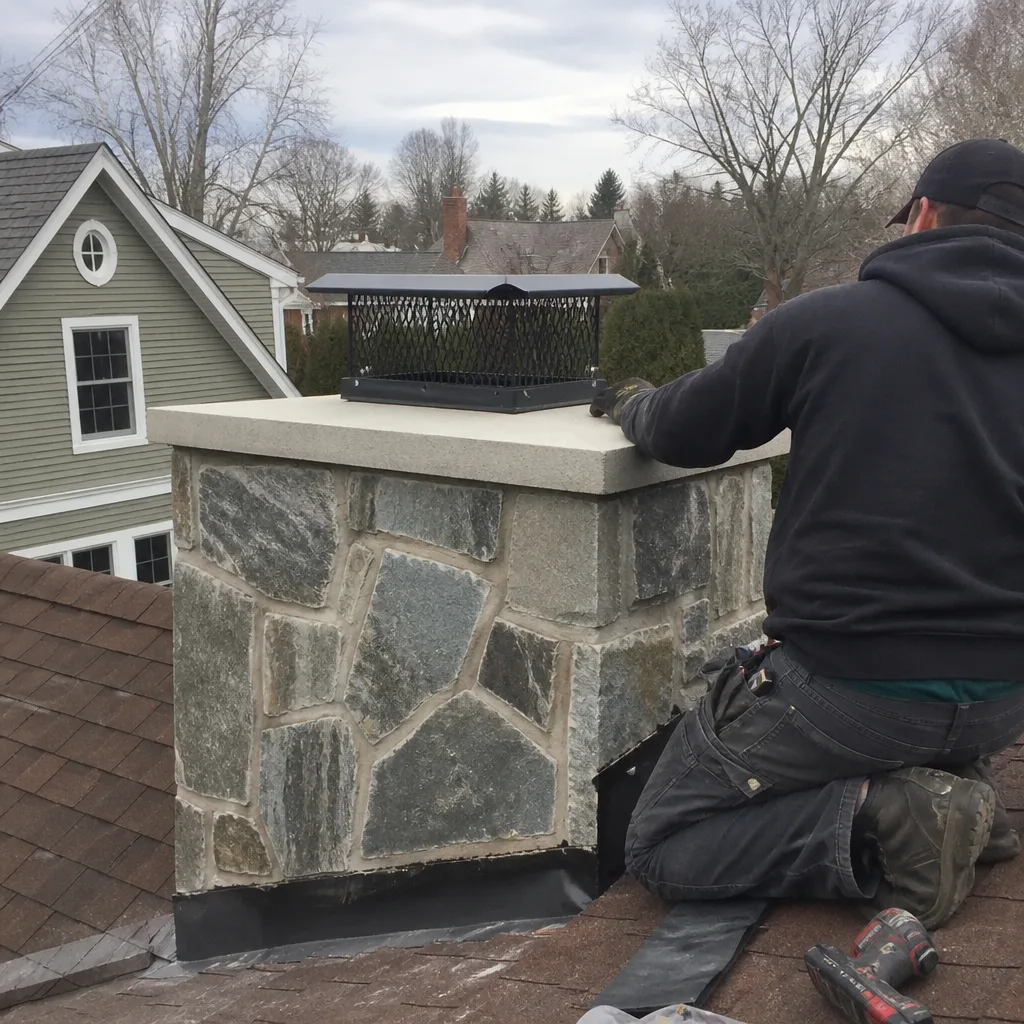 After
AfterSeasonal Chimney Cleaning Care for Long Island: Year-Round Homeowner’s Guide
Scheduling a chimney cleaning in January, right when the fireplace is getting heavy use, is exactly backwards from when the work does the most good. Most Long Island homeowners call the sweep when the fire is already burning, but the two windows that actually matter are late spring and fall. This guide lays out what to do, when to do it, and why the calendar matters more than the temperature outside. By the time you finish, you’ll have a month-by-month plan that keeps your chimney safe, efficient, and ready for whatever Long Island weather throws at it.
Quick Answer
The optimal chimney cleaning windows on Long Island are late spring (May through June) and early fall (September through October). Late spring removes the creosote and soot from winter burning before summer humidity turns it corrosive and odorous, while fall confirms nothing degraded over the wet, hot months. Burn or no burn, an annual inspection and cleaning is the baseline. “Once a year, burn or no burn. Chimneys break in the off-season too,” says Wendell Pike, who has swept Long Island flues since 1999.
Table of Contents
- Why January Is Backwards: The Real Cleaning Calendar
- Late Spring (May-June): The Cleaning Window That Actually Matters
- Summer on Long Island: What Humidity Does to an Uncleaned Flue
- The Fall Pre-Season Checklist: What to Verify Before the First Fire
- Winter: What You Can Do During Active Use
- After a Nor’easter: Storm Damage You Can’t See Until the Next Fire
- The 12-Month Chimney Care Calendar for Long Island
- Common Mistakes to Avoid
- When to Call a Professional
- Frequently Asked Questions
- The Bottom Line
Why January Is Backwards: The Real Cleaning Calendar
Long Island’s four seasons don’t stress your chimney equally. January feels urgent because the fireplace is running constantly and every crackle reminds you the flue is full of last year’s soot. But the work a sweep does in January is the work that should have been done in October, before the burning season started. By the time the fire is lit, whatever is inside the flue is already there.
The real rhythm of chimney care follows the island’s climate pattern: cold, damp winters give way to wet springs, then hot, humid summers, then a brief, beautiful fall. Each season does something specific to a chimney. Creosote builds in winter. Moisture attacks in spring and summer. Freeze-thaw cycles work on the masonry from November through March. The cleaning schedule should match this cycle, not the homeowner’s sudden impulse to call when the living room feels chilly.
Think of it like boat maintenance on the South Shore. You don’t wait until July 4th to discover your bilge pump is dead. You check it in April, before the season starts, and you winterize in October, after it ends. A chimney is the same kind of seasonal equipment. The difference is that a failed chimney doesn’t just ruin a weekend. It can burn a house down or push carbon monoxide into a bedroom.
Here’s the counterintuitive part, and it’s the reason this guide exists: doing the right tasks at the wrong time means you either clean a chimney you’re about to fill with creosote again, or you light a fire in one that hasn’t been checked after a Long Island winter. Clean in September, and the flue sits empty and ready for the burn season. Clean in January, and you just removed the evidence of what the chimney went through, without addressing whether it’s safe to keep burning.
The two windows that matter are late spring and early fall. Everything else is either preparation or response.
Late Spring (May-June): The Cleaning Window That Actually Matters
Late spring is the single most important cleaning window for Long Island chimneys. This is when the burning season has truly ended for most households, and the flue still holds everything winter left behind: creosote deposits, ash, soot, and sometimes debris from animals that found the warm flue inviting in March and April.
The reason May and June matter specifically comes down to what happens next. Long Island summers are humid. That humidity is the enemy of a dirty chimney, and here’s the chemistry: creosote is hygroscopic, which means it absorbs moisture from the air. When humid summer air settles into a flue coated with creosote, the creosote absorbs that moisture and becomes corrosive. It expands slightly, releases acidic compounds, and attacks the flue liner, the mortar joints, and even the metal damper. A chimney that was merely dirty in April can be actively deteriorating by August.
There’s also the smell. Anyone who has walked into a Long Island home in late July and caught a whiff of stale smoke from the fireplace knows this phenomenon. It’s not the heat. The humid air is interacting with the creosote, and the result is a sour, smoky odor that fills the house on hot days. The fix is not air freshener. The fix is getting the creosote out before the humidity arrives.
In our experience, May and June are also when we find the things that need repairing before they become emergencies. A cracked flue tile that expanded and contracted through ten freeze-thaw cycles over the winter will be visible in spring. A chimney cap that a nor’easter loosened in March will be sitting slightly askew. A damper that rusted shut over the winter will be frozen. None of these are emergencies in June. All of them are emergencies if you discover them in November, after the first cold snap, when every sweep on Long Island is booked solid.
The practical benefit of a late spring cleaning is that it gives the homeowner the entire summer to plan for any needed repairs. If the flue needs a new liner, you have June, July, August, and September to get it done, on your schedule, at a reasonable price. If you wait until October, the same repair becomes urgent, and urgent work always costs more and waits longer.
What a Late Spring Cleaning Actually Involves
- The sweep removes the creosote, soot, and ash from the flue walls, smoke chamber, and firebox.
- The chimney is inspected for winter damage: cracked flue tiles, deteriorated mortar joints, damaged caps or crowns, and signs of water penetration.
- The sweep checks the damper, smoke shelf, and clearances to confirm the system is safe to use when burning season returns.
- Any evidence of animal intrusion, water damage, or structural movement is documented and explained.
The point of a spring cleaning is not just to make the chimney clean. It’s to leave the chimney in a state where summer humidity can’t hurt it and fall burning can start safely.
Summer on Long Island: What Humidity Does to an Uncleaned Flue
Long Island summer is the season that quietly does the most damage to neglected chimneys. The heat gets blamed, but it’s the humidity that wreaks the real havoc. From Islip to Riverhead, the air from June through September carries moisture that works its way into every masonry joint and every layer of creosote inside an uncleaned flue.
Here’s what actually happens inside a dirty flue over a Long Island summer. The creosote absorbs moisture from the humid air. As it absorbs, it becomes sticky and then runny, trickling down the flue walls and pooling at the smoke shelf and around the damper. Third-degree creosote, the hard, shiny glaze that builds up from hot fires, doesn’t absorb moisture the same way, but it sits on the flue walls as a hard, acidic layer. The moisture in the air reacts with it anyway, slowly eating at the flue liner beneath.
The odor is the symptom most homeowners notice first. A chimney that smelled fine in May can reek by August because the humid air activated the creosote. This smell doesn’t stay in the fireplace. It moves through the house, especially on hot days when the air pressure draws air down the chimney and into the living space.
But the real danger is structural. Moisture is the enemy of masonry. Water penetrates the crown, the mortar joints, and the bricks themselves. When winter arrives, that trapped water freezes and expands, cracking mortar, spalling brick faces, and widening whatever gaps existed. Long Island’s freeze-thaw cycle is relentless. A chimney that went into summer with a small mortar crack can come out of the next winter with a structural problem.
The summer is also prime time for animal activity. Raccoons, squirrels, and birds all find chimneys attractive places to nest. An uncapped or poorly capped flue will attract them, and once they’re in, they bring debris, droppings, and sometimes die in place. That’s a smell no homeowner forgets, and it’s a real fire hazard if the nesting material sits near the flue.
The answer is not to run the air conditioner and ignore it. The answer is to make sure the chimney is clean and capped before the humidity settles in. If you missed the late spring window, a summer cleaning is still smarter than waiting. The flue will be clean during the worst of the humidity, and you’ll be ahead of the fall rush.
The Fall Pre-Season Checklist: What to Verify Before the First Fire
October is the month that matters on Long Island. The nights turn cool, the pumpkins appear on the farm stands, and every fireplace on the island gets its first real test. But before that first fire, there’s a short list of things that must be verified. Fireplaces and chimneys don’t fix themselves over the summer, and some problems that develop between May and October can’t wait.
Here’s the fall pre-season checklist, in order of importance:
- Confirm the flue is clear. This means no nests, no debris, no accumulation from last season’s final burns. Even if you cleaned in spring, the summer may have brought animals or storm debris.
- Check the damper. It should open and close fully. Dampers rust, warp, and seize over the summer, especially in humid Long Island air. A damper that won’t open means no fire, period.
- Inspect the cap and crown. The cap keeps rain, snow, and animals out. The crown keeps water out of the masonry. Both take damage from Long Island winters. Check for rust, cracks, missing pieces, or shifting.
- Look for water stains on the ceiling or walls near the fireplace. These indicate a leak that developed over the spring or summer and will only get worse with fall rains.
- Test the draft before the first fire. Light a match and hold it near the open damper. The smoke should pull up the flue. If it drifts into the room, there’s a draft problem that needs attention before you light a real fire.
The problems that develop over summer are a specific set. Squirrels and raccoons build nests in flues during August and September. Heavy rains in September and October can penetrate damaged crowns and soak the masonry. Dampers seize from months of humid air and disuse. Bricks spall from moisture that’s been working since spring. And of course, creosote that was never removed in spring has had all summer to harden, glaze, and bond to the flue walls.
The fall checklist is not a substitute for a cleaning and inspection. It’s the minimum you can do before lighting the first fire. If anything on the list isn’t right, the fire waits until a pro has looked at it. As Wendell says, “Your flue doesn’t care how the fire looks. It cares how it breathes.” And if it can’t breathe, it fills the house with smoke or worse, carbon monoxide.
Winter: What You Can Do During Active Use
Once burning season is underway on Long Island, the routine changes. There’s a set of things homeowners can and should do during the winter months, and a longer list of things that must wait for the sweep. Knowing the difference keeps you safe and keeps the chimney working.
During active use, you should:
- Burn seasoned hardwood only. Seasoned means cut, split, and stacked for at least six months, ideally twelve. Wet or green wood produces more smoke, more creosote, and less heat. On Long Island, where humidity is high, proper seasoning matters even more because wood left uncovered absorbs moisture from the air.
- Monitor for back-drafting. A properly drafting chimney pulls air up and out. If smoke enters the room, or you smell smoke in the house hours after the fire dies, there’s a draft problem. Stop burning until it’s checked.
- Check the damper before lighting every fire. It should be fully open before the first match, and fully closed after the last ember. A forgotten damper is a common, entirely preventable cause of cold drafts and smoky rooms.
- Keep the firebox clean. Remove ash buildup weekly during heavy use. A firebox full of ash reduces airflow and makes the fire burn dirtier.
- Listen for unusual sounds. Popping, cracking, and sizzling are normal for wood fires. Hissing, rumbling, or a sudden rush of air up the flue are not. If something sounds wrong, it probably is.
What must wait for the sweep during winter:
- Any repair or adjustment inside the flue. The chimney is hot, the creosote is active, and the risk of a chimney fire is highest during burning season. This is not the time for partial fixes or temporary patches inside the system.
- Cleaning the flue itself. The brushing and scraping that clears creosote should happen after the burning stops, not while it’s actively accumulating. Mid-winter cleanings are sometimes necessary for heavy users, but they’re not routine maintenance.
- Structural work on the masonry. Brick and mortar work in freezing temperatures doesn’t cure properly. It’s spring or fall work, not January work.
The first-degree creosote that builds during a season of steady burning is manageable. The third-degree creosote that builds from hot fires, burning trash or wrapping paper, or burning wet wood is not. That’s the glaze Wendell talks about. “First-degree creosote is a brush job. Third-degree is a glaze. Catch it early.” The way to catch it early is to burn well-seasoned wood, keep the fire hot but not roaring, and book the spring cleaning before the smell starts.
After a Nor’easter: Storm Damage You Can’t See Until the Next Fire
Long Island nor’easters are rough on chimneys. The combination of high winds, driving rain, and sometimes snow hits the most exposed part of the house, and the damage isn’t always visible from the ground. The cap can lift, the flashing can separate, the crown can crack, and the masonry can absorb enough water to compromise the structure over the following freeze-thaw cycle.
The invisible part is what makes storm damage dangerous. A shifted chimney cap might look fine from the yard but now allows rain to pour directly into the flue. Damaged flashing doesn’t announce itself until a brown stain appears on the ceiling during the next heavy rain. A cracked crown quietly lets water into the brick, where it freezes, expands, and widens the crack.
Here’s what to check after a nor’easter:
- Cap and spark arrestor: Is it still seated properly? Are any pieces missing? Does it look level?
- Flashing: Is it still tight against the roofline, or does it appear lifted, bent, or separated?
- Crown: Are there visible cracks, or does the mortar look washed out?
- Brick and mortar: Are there fresh gaps, spalled faces, or loose bricks?
- Inside the firebox: Is there water, debris, or a damp smell that wasn’t there before?
The challenge is that much of this damage is only visible from the roof or with a camera inspection. A chimney that passes the visual check from the ground can still have a cracked flue tile or a compromised cap that only shows up when the next fire is lit and the draft pulls rain into the system.
The smart move after a serious nor’easter is a professional inspection. The camera goes in, the flue gets examined, and the verdict is delivered in plain English. Top Hat Chimney works this way, and it’s the only honest way to know whether a storm left damage that’s waiting to reveal itself. “The camera footage and a plain-English verdict, every time, no exceptions.”
The timing matters too. A nor’easter in November, December, or January means a chimney that’s actively being used. Damage then is urgent. A nor’easter in March or April gives you time, but only if you don’t forget about it before the next burn season.
The 12-Month Chimney Care Calendar for Long Island
This calendar removes the ambiguity. It maps specific tasks to specific months, grounded in Long Island’s actual climate pattern. No vague seasonal advice. Just a checklist for each month.
January
- The season of heaviest use. Burn seasoned hardwood only, keep the firebox free of ash buildup, check the damper before every fire.
- Watch for back-drafting and listen for unusual sounds.
- If you never got a fall inspection, this is the month the gap shows up. Address any smoke or draft problems immediately.
February
- Heavy use continues. The flue is accumulating creosote.
- If you’re a heavy burner (more than three fires per week), consider whether a mid-season inspection makes sense, especially if you’re noticing smoke or reduced draft.
- Check the exterior for ice dam formation around the chimney base after snowstorms.
March
- Burning season tapers off. Begin planning for the late spring cleaning and inspection.
- This is the month to book the sweep for May or June, before the calendar fills.
- If a nor’easter hit, schedule a post-storm inspection once the weather clears enough for roof access.
April
- Final burns of the season for most households. The accumulated creosote from the winter is sitting in the flue.
- Inspect the cap and crown from the ground after the last winter storm.
- Note any ceiling stains or damp smells near the fireplace.
May
- The optimal cleaning window opens. Get the flue swept and inspected before the humidity arrives.
- Address any damage found: cracked tiles, damaged caps, seizing dampers.
- Install or repair the chimney cap if needed, before summer animal activity begins.
June
- The cleaning window continues. This is the last good month to clean before the humid air settles in for the summer.
- If you’ve been putting it off, book now. After June, the window closes and the summer damage cycle begins.
- Schedule any needed masonry repairs for the dry, warm months.
July
- The fireplace is dormant. The chimney sits in humid air.
- If the flue is clean, you’re fine. If it’s not, you’ll start smelling the creosote by late July.
- This is a good time for exterior work: repointing, crown repair, flashing replacement.
August
- Humidity peaks. An uncleaned flue is at its smelliest and most corrosive.
- Animal activity is high. Raccoons and squirrels are looking for nesting sites in uncapped flues.
- Book the fall inspection now, before the October rush. Top Hat Chimney books out weeks in advance once the weather turns.
September
- The fall window opens. Pre-season inspections confirm the chimney is ready for burning.
- Address any summer damage, animal intrusion, or water penetration.
- Clean the flue if it wasn’t done in spring, or if summer brought debris or animals.
October
- The critical month. Run the full fall checklist: flue clear, damper working, cap and crown intact, no water stains, strong draft.
- First fires should be small, hot, and clean. Don’t overload the firebox on night one.
- If anything on the checklist fails, the fire waits until a pro has looked at it.
November
- Burn season begins in earnest. The routine shifts to active-use care: seasoned wood, clean firebox, damper check before every fire.
- Watch for smoke entering the room. Any back-drafting is a stop and inspect signal.
December
- Peak burn month. If you did the spring cleaning and the fall checklist, you’re in good shape.
- If you didn’t, this is the month problems surface: smoky fires, slow drafts, water running down the flue in a rainstorm.
- Holiday fire safety: never burn wrapping paper or cardboard. They produce intense heat and sparks that can ignite creosote in the flue.
This calendar works because it treats the chimney as a system with a rhythm, not a box you light on fire whenever it’s cold. Follow it, and the surprises mostly disappear.
Common Mistakes to Avoid
- Cleaning in January instead of May or September. The flue is actively filling with creosote during burn season. A January cleaning removes evidence without solving the seasonal problem. Clean in late spring, confirm in early fall.
- Burning unseasoned wood. Long Island’s humid climate makes wood take longer to season than most people think. Wood stored uncovered absorbs moisture from the air. At least six months of covered seasoning is the minimum.
- Ignoring the summer smell. A smoky odor in July and August is the humid air reacting with creosote. It’s not a quirk. It’s a signal the flue needs cleaning and the creosote is actively corroding the system.
- Skipping the cap. An uncapped chimney on Long Island is an open invitation to raccoons, squirrels, and rain. The cap is the cheapest insurance a chimney owner can buy.
- Assuming no fires means no problems. A chimney that sits unused for years still degrades. Water penetrates, animals move in, mortar crumbles. “Once a year, burn or no burn.”
- Checking the chimney from the ground after a nor’easter. The damage that matters is never visible from the lawn. A cap that shifted a half-inch or flashing that lifted won’t show from below. The flue needs a camera inspection to confirm it’s sound.
- Trusting the previous owner’s word. “The inspector said the chimney was fine” is a phrase Wendell has heard hundreds of times, often right before finding a cracked flue or a missing liner. If you just bought the house, get the chimney checked regardless of what the paperwork says.
When to Call a Professional
Call a professional when the chimney hasn’t been cleaned or inspected in over a year, regardless of how much you burn. Call when smoke enters the room, when you smell smoke in the house hours after the fire, or when you see water inside the firebox. Call after any nor’easter that hit your area with high winds or heavy rain. Call if you see ceiling stains, damp smells, or crumbling mortar around the chimney. Call if animals have been on the roof or you hear scratching in the flue. Call before buying a house with a fireplace, not after. And call if you simply don’t know when the chimney was last looked at. Top Hat Chimney offers free estimates in Long Island. Call (516) 968-5380 and a live person answers. The number you hear on the phone is the number on the invoice.
Frequently Asked Questions
Once a year, even if you only burn occasionally. Long Island’s humidity and freeze-thaw cycles damage chimneys year-round, not just during burn season. The annual cleaning doubles as an inspection that catches winter damage, water penetration, and animal activity before they become expensive problems. Heavy burners may need a second cleaning mid-season.
Late spring, between May and June, is the optimal window. The burning season has ended, the winter’s creosote is still brushable, and the cleaning leaves the flue clean before summer humidity sets in. Early fall, in September, is the second window for those who missed spring or want a pre-season confirmation. Cleaning in January, during peak burning, removes evidence without addressing the seasonal cycle.
Yes. Long Island summers are humid, and creosote absorbs moisture from the air. The moistened creosote becomes corrosive and attacks the flue liner and mortar joints, while also releasing a sour, smoky odor that fills the house. An uncleaned flue going into summer is actively deteriorating by August.
You can check the visible exterior, but the damage that matters is inside the flue and on the roofline. A shifted cap, lifted flashing, or cracked flue tile is not visible from the ground. The honest way to evaluate storm damage is a camera inspection. Top Hat Chimney provides camera footage with every inspection, so you see exactly what’s there.
On Long Island, a standard chimney cleaning and inspection typically runs between $150 and $350, depending on the chimney’s condition, accessibility, and whether animals or heavy creosote are involved-see our Chimney Cleaning Cost Breakdown: The Long Island Homeowner’s Reference for 2026 for full details. Repairs and liner work are additional. Top Hat Chimney delivers no-hassle upfront pricing before work begins, with $40 off any repair over $200 and a free second opinion on any written estimate. Call (516) 968-5380 for an exact quote.
The creosote accumulates, the flue narrows, and the risk of a chimney fire rises. Summer humidity turns the creosote corrosive, attacking the liner. Water gets in through undetected cracks, freezes, and widens the damage over winter. Animals move into unprotected flues. Small problems become structural ones, and a chimney that needed a $250 sweep becomes a chimney that needs a $3,000 liner. The annual cleaning is the cheap date. Call (516) 968-5380 to book yours.
The Bottom Line
Long Island’s chimney care is seasonal work that follows the island’s actual climate, not the homeowner’s impulse to call when the fire is already lit. The two windows that matter are late spring and early fall. Late spring takes out the winter’s creosote before humidity turns it corrosive and smelly. Early fall confirms the chimney survived the summer and is ready to burn safely. Between those windows, the work is simple: burn seasoned wood, watch for smoke, check the damper, and inspect after nor’easters. Skip the January panic call. Book in May. Confirm in October. Burn safe all winter. Follow the calendar and the chimney stops being a mystery.
Written by Wendell Pike, Owner at Top Hat Chimney, serving Long Island since 1999.
Call (516) 968-5380 for a free estimate. Top Hat Chimney is the locally owned, owner-operated sweep serving Long Island for over 29 years, with a 90-Day Done Right Promise on every job, a live person answering every call, and the same face showing up year after year. Visit our more guides & resources for year-round chimney care tips.
Read more about our Chimney Cleaning & Sweep in Long Island, Chimney Repair in Long Island, and Fireplace Services in Long Island, or visit the Top Hat Chimney home page.