
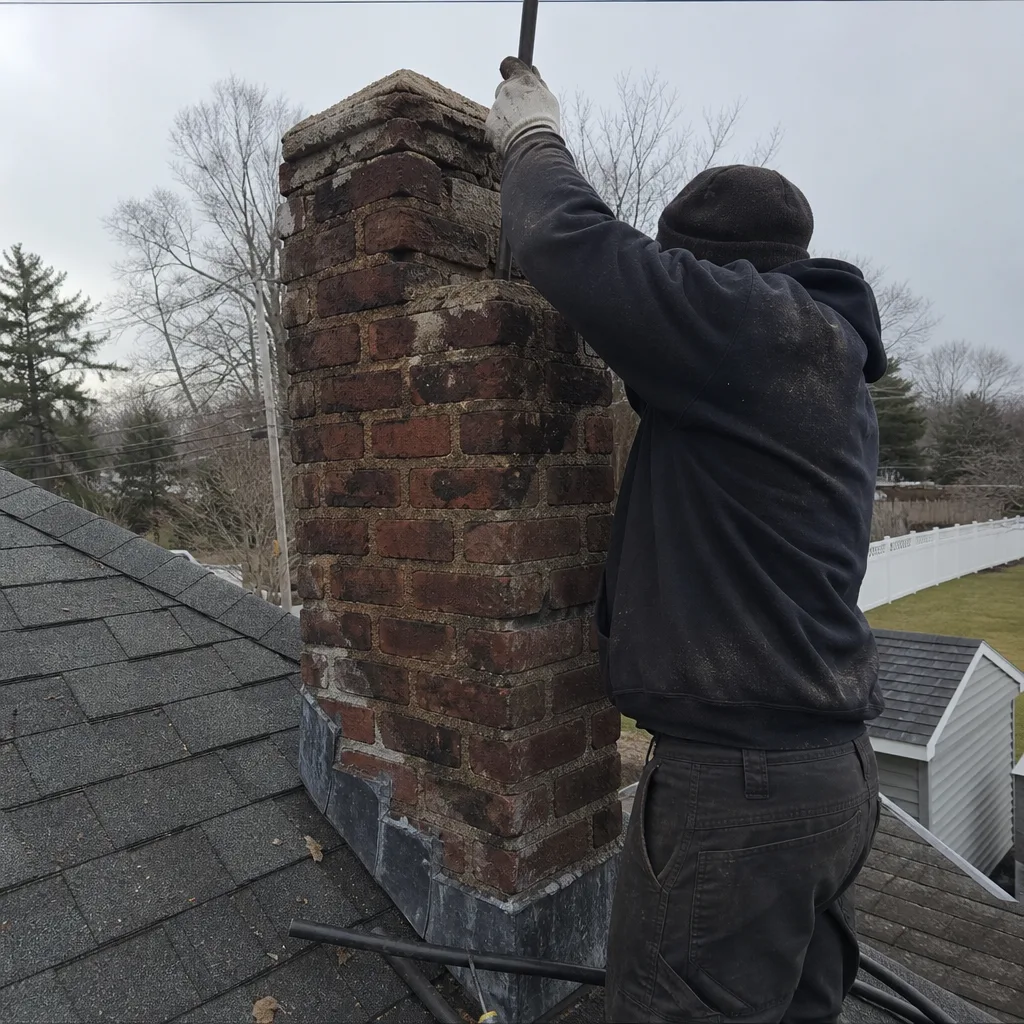
Level 1 sweep and inspection to the NFPA 211 annual standard - flue, crown, cap, and flashing checked and photographed
Chimney sweep logs do not sweep chimneys. They loosen some creosote - which then falls where a brush and vacuum still have to collect it.
 Before
 After
After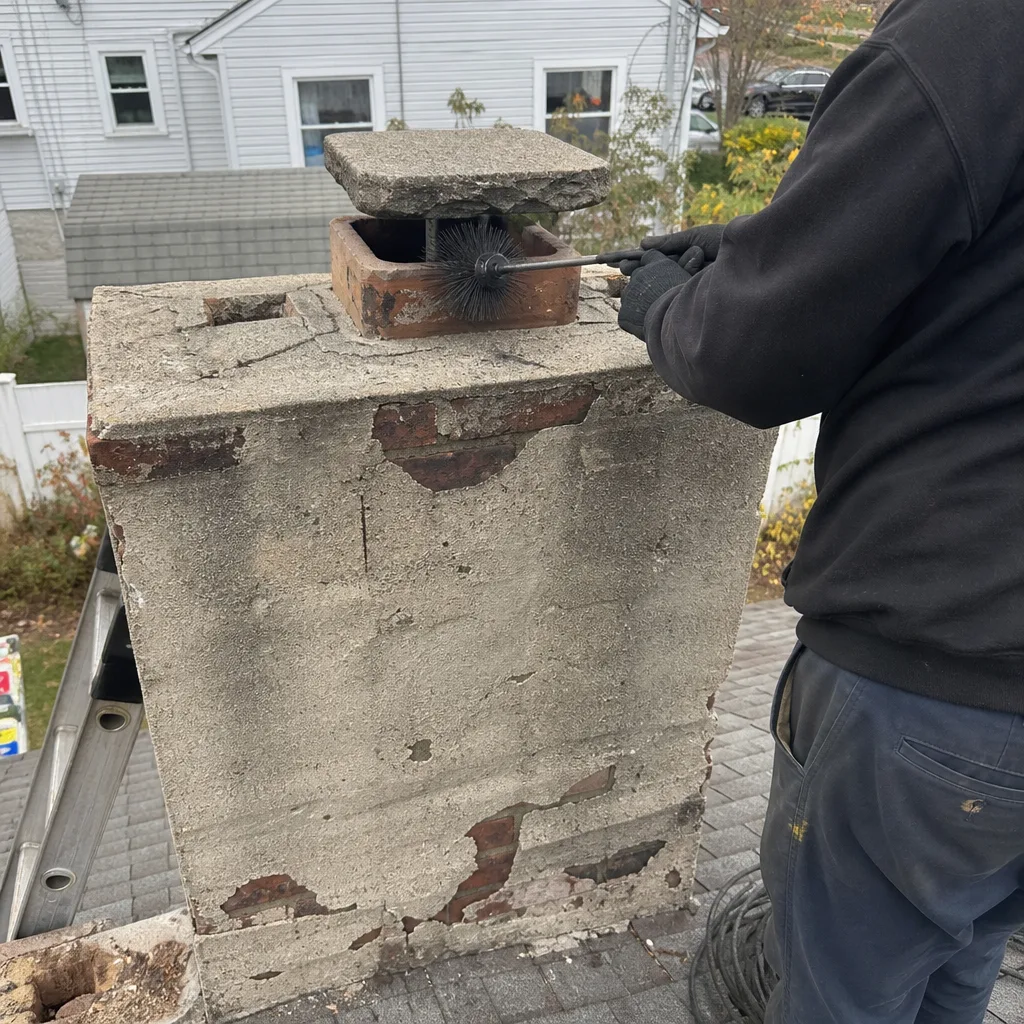 Before
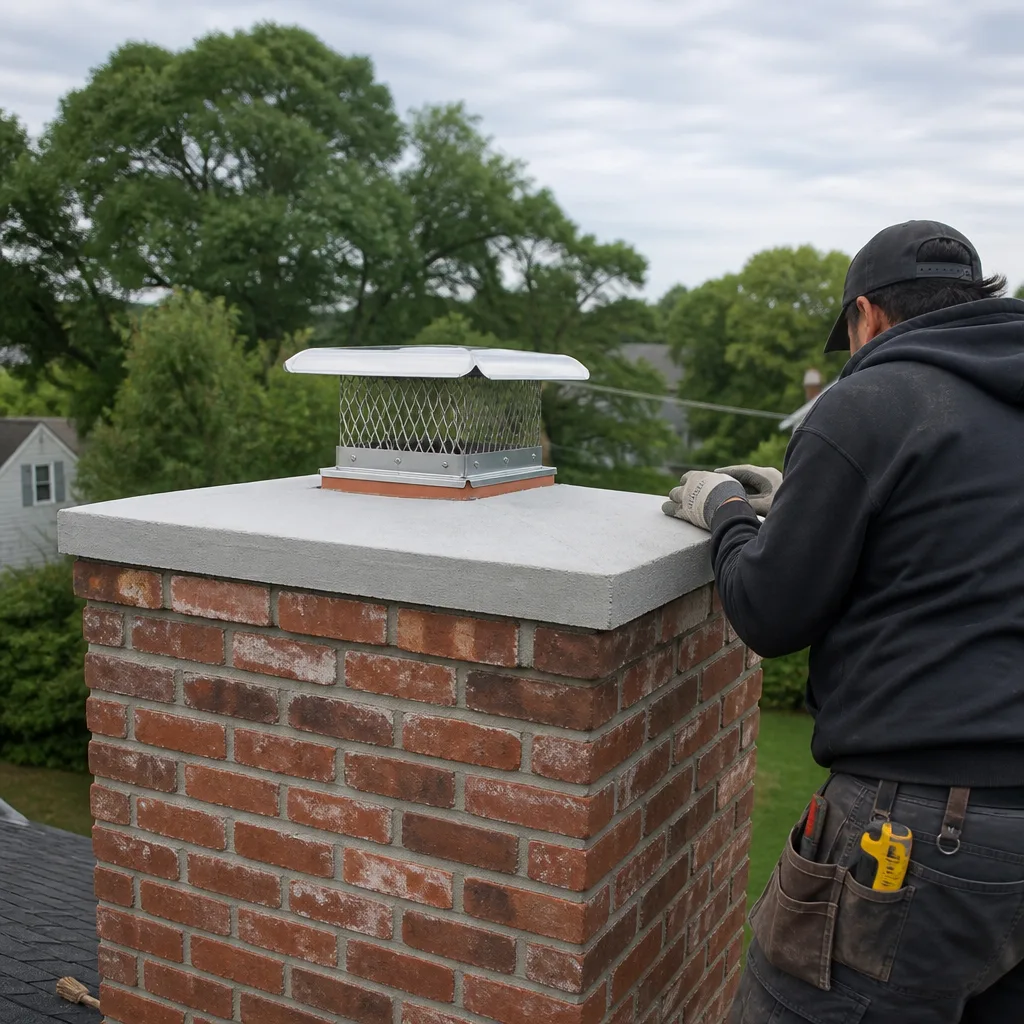 After
After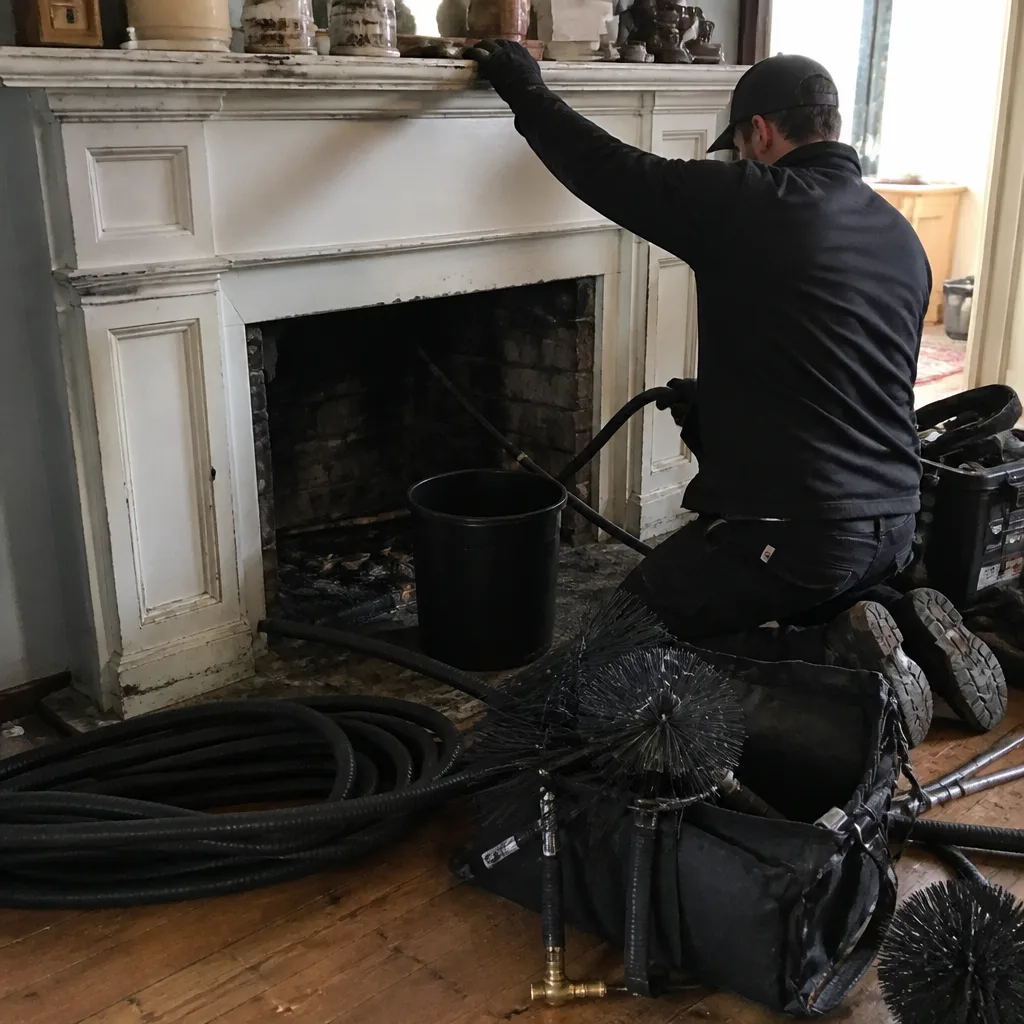 Before
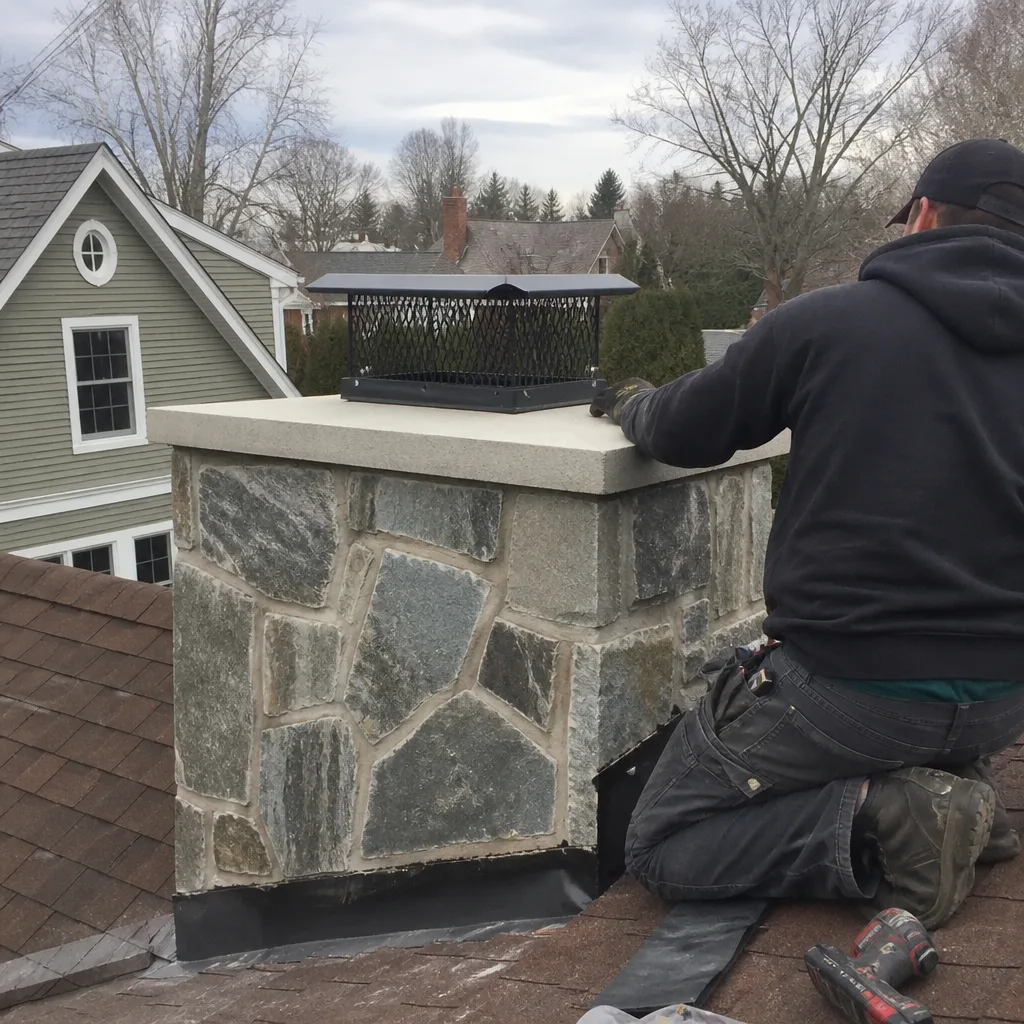 After
AfterDuraFlex Chimney Cap & Crown in Long Island: What to Know First
We provide independent DuraFlex chimney cap and crown work across Long Island, from Levittown ranches to the older colonials out near the North Shore. Most cap replacements and crown repairs we can complete in a single visit, and we’ll give you a flat price before any tool comes off the truck. If the job doesn’t need doing, we’ll tell you that first and you won’t pay for work you never needed.
This page is for Long Island homeowners who already have a DuraFlex liner, cap, or chase cover and want a sweep who knows how these products behave after a decade of salt air and coastal wind. Call (516) 968-5380 and you’ll get a live person, not a phone tree.
How DuraFlex Products Fail - and How We Fix Them
DuraFlex makes good liners and caps. But every product has failure patterns, and after 29 years working chimneys on Long Island, we’ve seen where DuraFlex pieces give out and what causes it. Here’s what we run into most often.
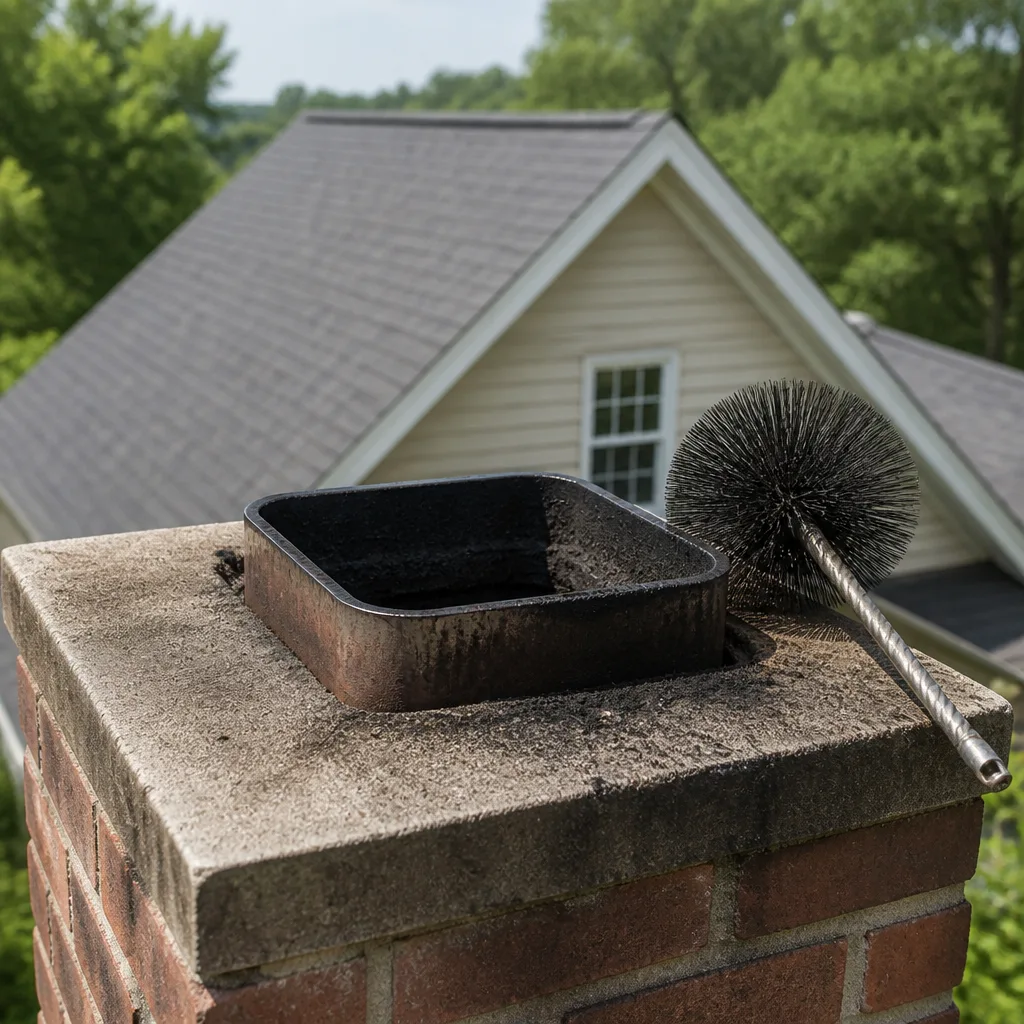
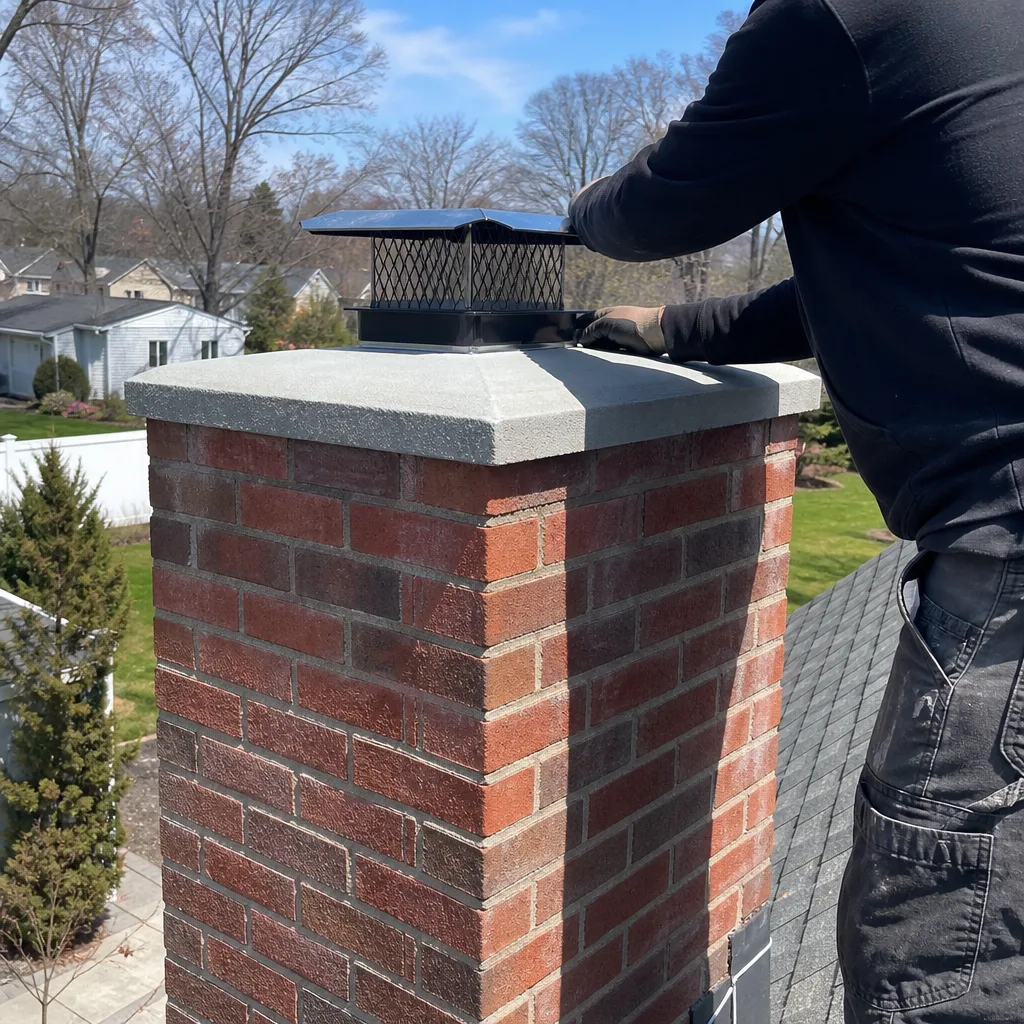
- Aluminum cap screen clogging from salt-sprayed debris. The DuraFlex aluminum caps have a fine spark-arrestor screen that does its job until Long Island’s coastal air deposits salt, then wind plasters leaves and pine needles against it. Draft collapses, smoke backs into the living room, and the homeowner assumes the flue is blocked deep inside. Nine times out of ten, it’s just the screen. We clean it, and if the mesh has corroded through in spots (common within three to five years near the water), we replace the cap with one that has a coarser, stainless mesh better suited to our coastal climate. The flue itself is often fine.
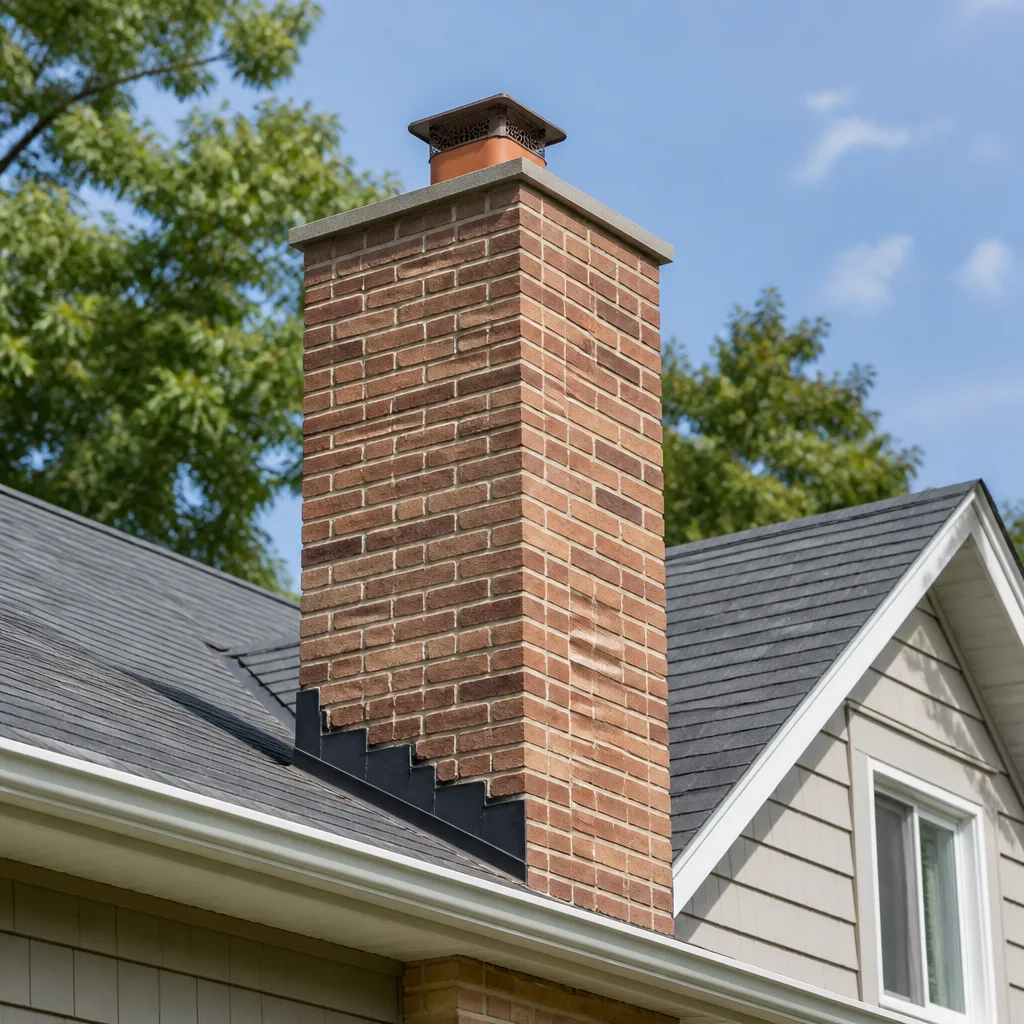
- Stainless cap base plate pulling away from a settled crown. DuraFlex caps mount to the crown surface, and on older Long Island homes where the crown has heaved from freeze-thaw cycles, the base plate ends up sitting unevenly or secured to crumbling concrete. We’ve seen caps lean and eventually lift in a nor’easter because the crown underneath gave out. The fix isn’t just a new cap; it’s addressing the crown first, then seating the cap on something solid. Skip the crown and you’ll be back on the ladder in two years.
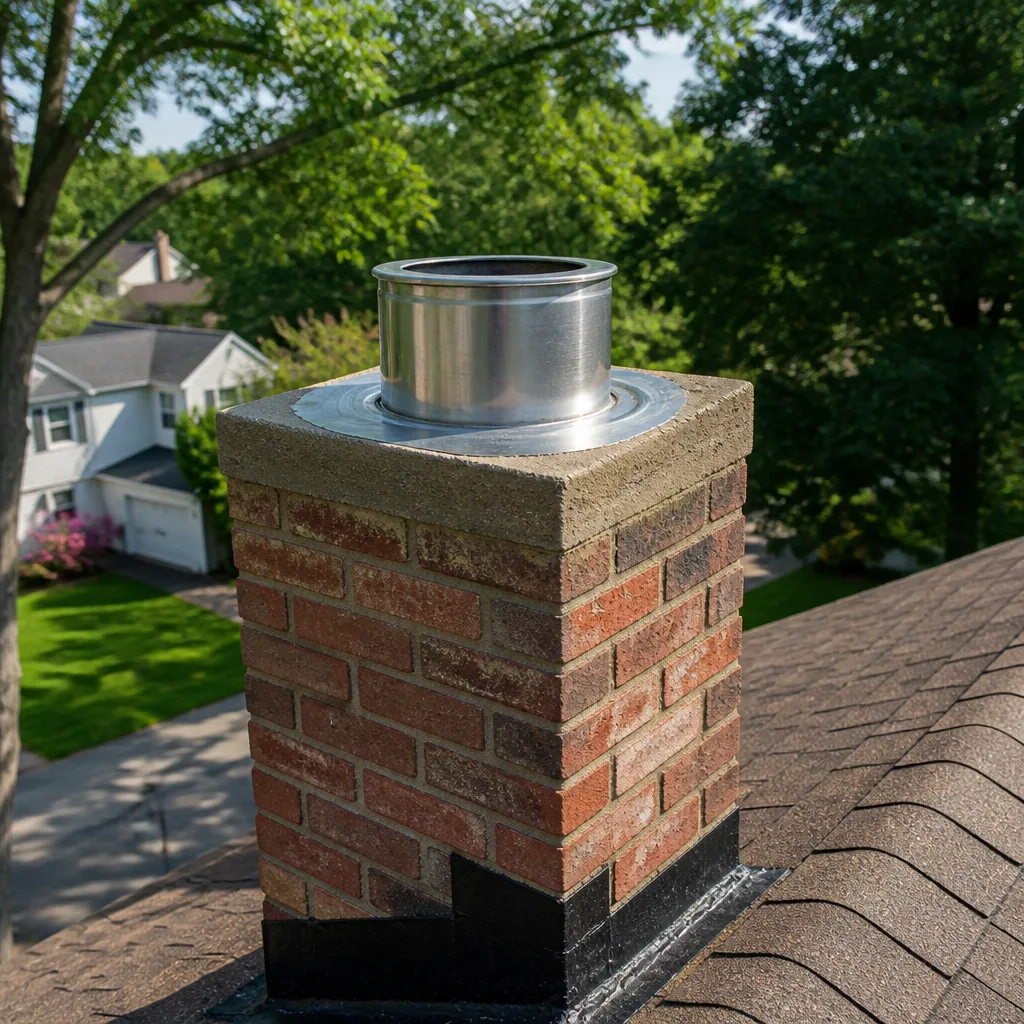
- Crown cracking around the flue opening where a DuraFlex liner passes through. When a liner was retrofitted, the crown sometimes got patched quickly around the new pipe. That patch mix shrinks, cracks, and lets water run down the outside of the liner into the firebox. We see this often on split-levels and raised ranches built in the 1960s and 70s. Our repair involves opening the cracked area, cleaning it, and using a flexible crown sealant that moves with the crown instead of fighting it. If the crown needs more than spot repair, we’ll coat the whole surface rather than stitch patches until it looks like a quilt.
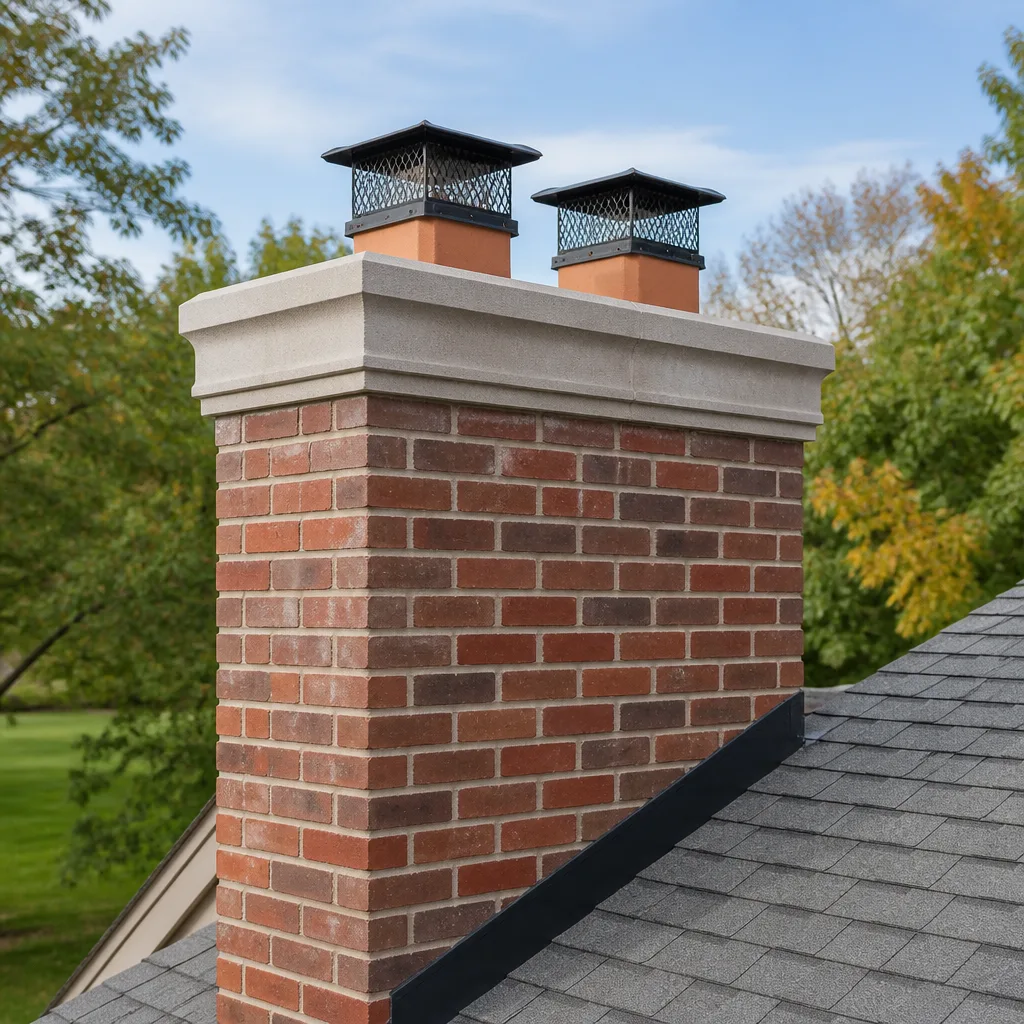
- Multi-flue DuraFlex cap with one flue breathing harder than the other. On Long Island homes with two flues sharing one cap, we regularly find one flue pulling enough air while the other starves. It’s usually a draft imbalance, not a cap defect, but the cap design can make it worse if the mesh on one side is clogged. Before anyone sells you a new cap, we check both flues individually with a draft test. Sometimes the answer is cleaning one screen and adjusting the cap position, not replacing anything.
- Chase cover rust-through on factory-built boxes with DuraFlex liners. This one isn’t DuraFlex’s fault, but we see it on pre-fab fireplace chases across Nassau and Suffolk counties. The galvanized chase cover rusts after 15 to 20 years of Long Island rain and snow, water drips onto the top of the DuraFlex liner, and eventually you’ve got a wet firebox and a rust-stained liner. We replace the chase cover with a properly crowned top and make sure the liner connection stays dry. Anyone who tells you to replace the liner over a chase cover problem is guessing. The camera will show what’s actually wet.
Our DuraFlex Chimney Cap & Crown Process
Every DuraFlex job starts the same way, and it’s the same way we’ve worked since 1999. No shortcuts, no guessing, and no work you can’t see with your own eyes.
- 1
The call. You reach a live person at (516) 968-5380. We hear what’s going on, ask a couple of questions, and book a time that works. You’ll get a real arrival window, and if Wendell or the crew is running behind, the phone rings before you have to call us.
- 2
The look. Wendell and his crew arrive in uniform, introduce themselves, and go up for a close inspection. No phone call is an estimate. Before any price is given, the crown, cap, and flashing get examined in person.
- 3
The verdict, in plain English. If it doesn’t need fixing, Wendell tells you that first. If it does, you’ll get a flat price and a straight answer about what’s urgent and what can wait.
- 4
The parts call. For DuraFlex liners and caps, we determine whether an OEM part or a quality aftermarket equivalent makes sense for your chimney and your budget. Warranty-sensitive situations get OEM. Otherwise, we’re honest about what performs just as well.
- 5
The work and the test. We repair or replace, then test everything. Draft check, smoke test, water test where it matters. You see the result before we pack up.
- 6
The promise. Every job carries the 90-Day Done Right Promise in writing. If it’s not right, one call brings us back at no charge.
What DuraFlex Chimney Cap & Crown Costs in Long Island
Here are the prices we quote most often for DuraFlex cap and crown work on Long Island. Every number is a flat range, not a “starting at” figure. The exact price depends on your roof pitch, access, and what’s actually wrong up there.
- DuraFlex cap cleaning and screen repair: $95 to $180
- Single-flue cap replacement (stainless, installed): $240 to $390
- Multi-flue cap replacement (stainless, installed): $410 to $720
- Crown crack repair and reseal (small spots): $150 to $310
- Full crown reseal or coating (average chimney): $480 to $790
- Chase cover replacement (factory-built box): $450 to $900
What moves the price: roof steepness, two-story access, how deteriorated the crown really is, and whether we find liner damage while we’re up there. We’ll tell you the number before we touch anything, and it won’t change after the work. If you have a written estimate from another company, we’ll give you a free second opinion and likely save you money. Call (516) 968-5380 and we’ll figure it out together.
Why Long Island Homeowners Call Top Hat Chimney for DuraFlex Work
We’ve been working chimneys on Long Island since 1999, and a good number of our customers came to us after a national chain sent a stranger who changed the price at the door. That doesn’t happen with us. The price we quote on the phone is the price on the invoice, and Wendell Pike puts his name and license number on every job.
Wendell learned the trade through the construction and building technology program at San Diego Mesa College, then spent over a decade sweeping flues before he ever thought about running his own operation. He’s been inside more Long Island chimneys than he can count, from Levittown cap-and-liner retrofits to North Shore chase covers, and he’s the one who runs into you at the hardware store on Saturday.
Nearly three decades in, our trucks still roll with DuraFlex products on board, plus HeatShield and Gelco backup when a job calls for something specific. If you own a DuraFlex liner or cap and you want a sweep who actually knows how those products age on Long Island, call (516) 968-5380. A live person answers, and the estimate is free.
FAQs
No, not with a properly installed cap from a reputable manufacturer. DuraFlex warranties cover defects in workmanship and materials, not the cap sitting above the liner. What actually voids a DuraFlex liner warranty is improper installation, use of unapproved fuels, or failure to maintain the liner. We’re an independent DuraFlex service provider, not an authorized dealer, so our warranty guidance is based on what we’ve seen in the field on Long Island, not a manufacturer script. If we recommend non-OEM parts, we’ll tell you plainly and only when they don’t compromise what you have.
The most reliable way is a visual inspection, and we’ll show you what we see. If the screen is clogged but the metal is sound, cleaning is enough. If the mesh is corroded through, splitting at the seams, or the base plate no longer sits tight, replacement is the honest call. Your flue doesn’t care how the fire looks. It cares how it breathes. Call (516) 968-5380 and we’ll put eyes on it.
Most cap replacements and crown spot repairs, yes. Full crown coating or chase cover replacement can take a second visit if the weather’s not cooperating or the crown needs time to cure before final inspection. Long Island coastal weather doesn’t always cooperate with sealant, and we won’t rush a job that needs to set properly. You’ll know the timeline before we start.
That depends on how far the cracking runs and what’s underneath. Hairline cracks with no water damage to the flue or firebox are usually spot repairs. If the crown has heaved, crumbled, or let water sit against the liner, patching it is throwing good money at bad masonry, and we’ll tell you so. If it doesn’t need fixing, we’ll tell you that first. And if it does, you’ll see the evidence before you spend a dollar.
Yes. We work regularly with HeatShield and Gelco products as well, so if your chimney has a mix of brands or you’re considering a repair that involves more than just the cap and crown, we won’t send you to another company. One crew, one invoice, and one 90-Day Done Right Promise covering all of it.
Written by Wendell Pike, Owner, Top Hat Chimney at Top Hat Chimney, serving Long Island and nearby areas.