
Level 1 sweep and inspection to the NFPA 211 annual standard - flue, crown, cap, and flashing checked and photographed
Chimney sweep logs do not sweep chimneys. They loosen some creosote - which then falls where a brush and vacuum still have to collect it.
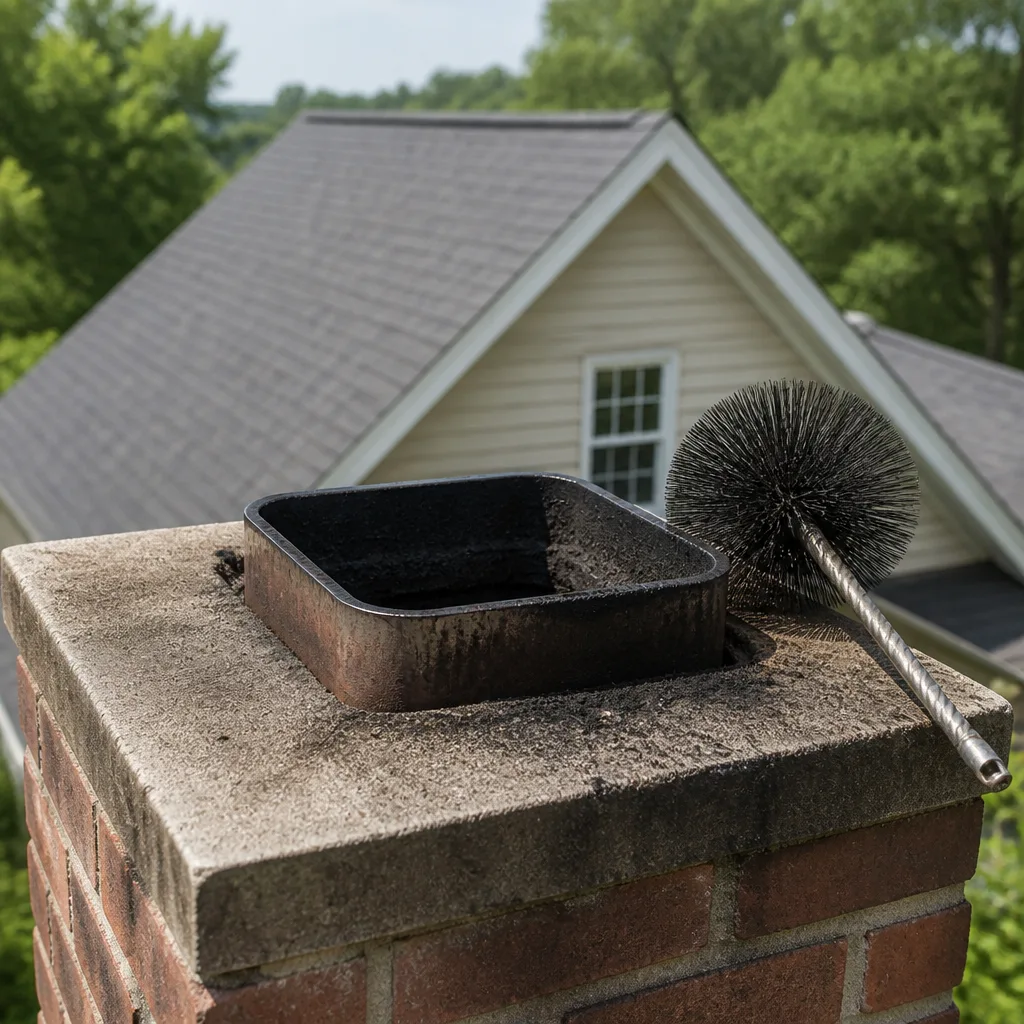
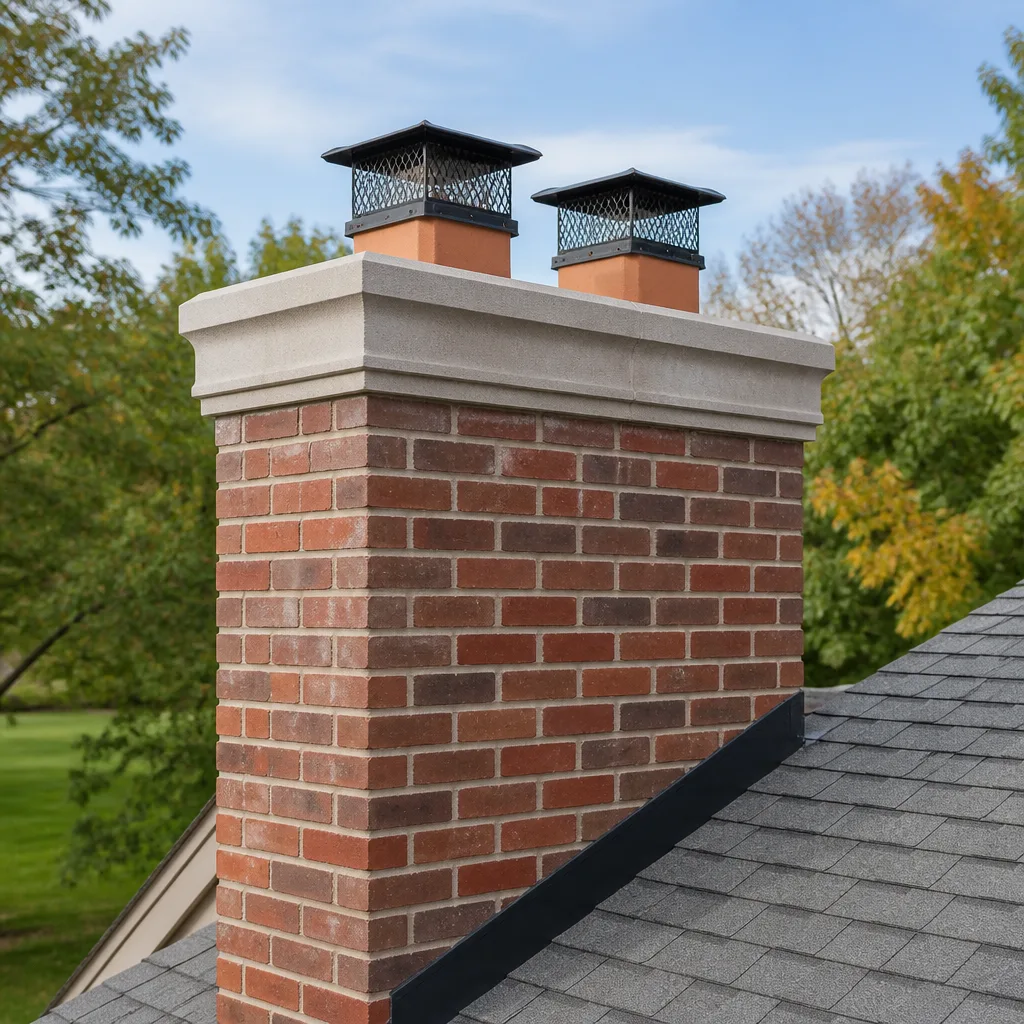
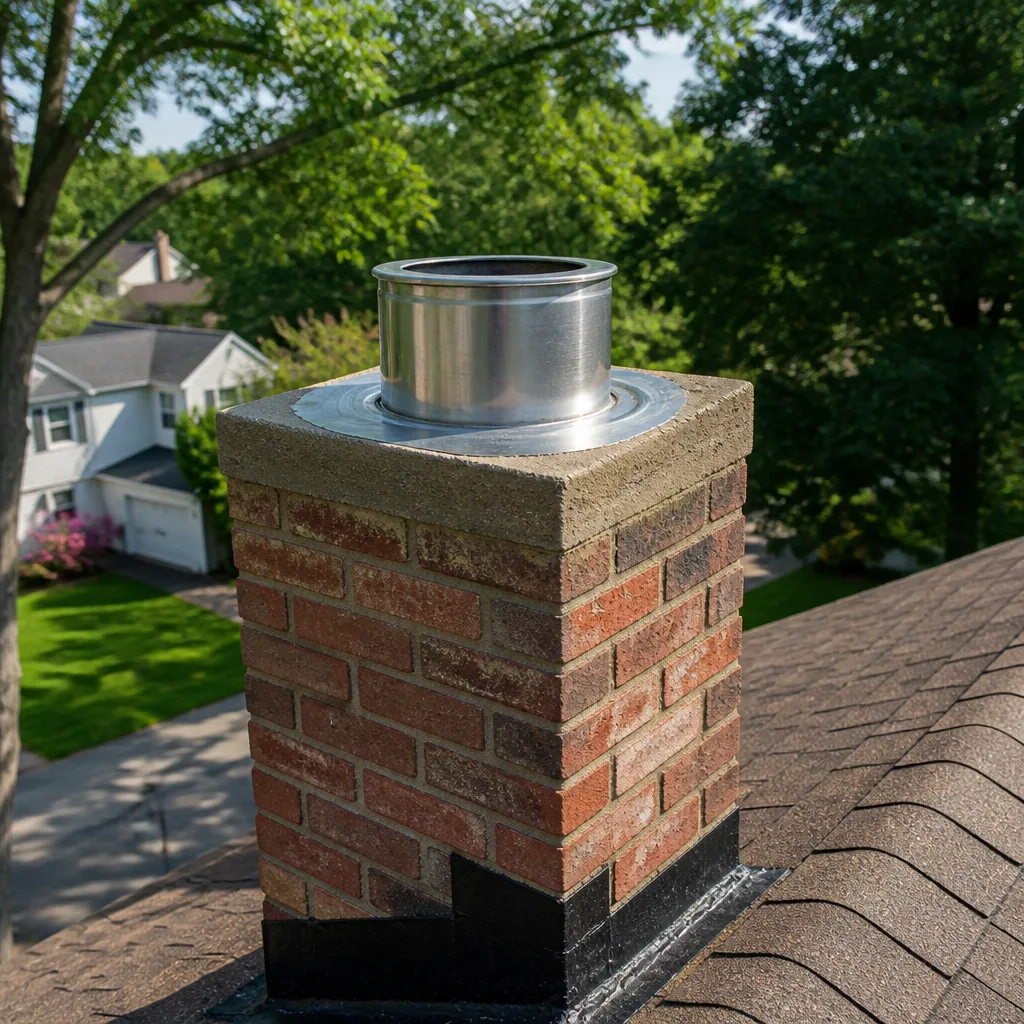
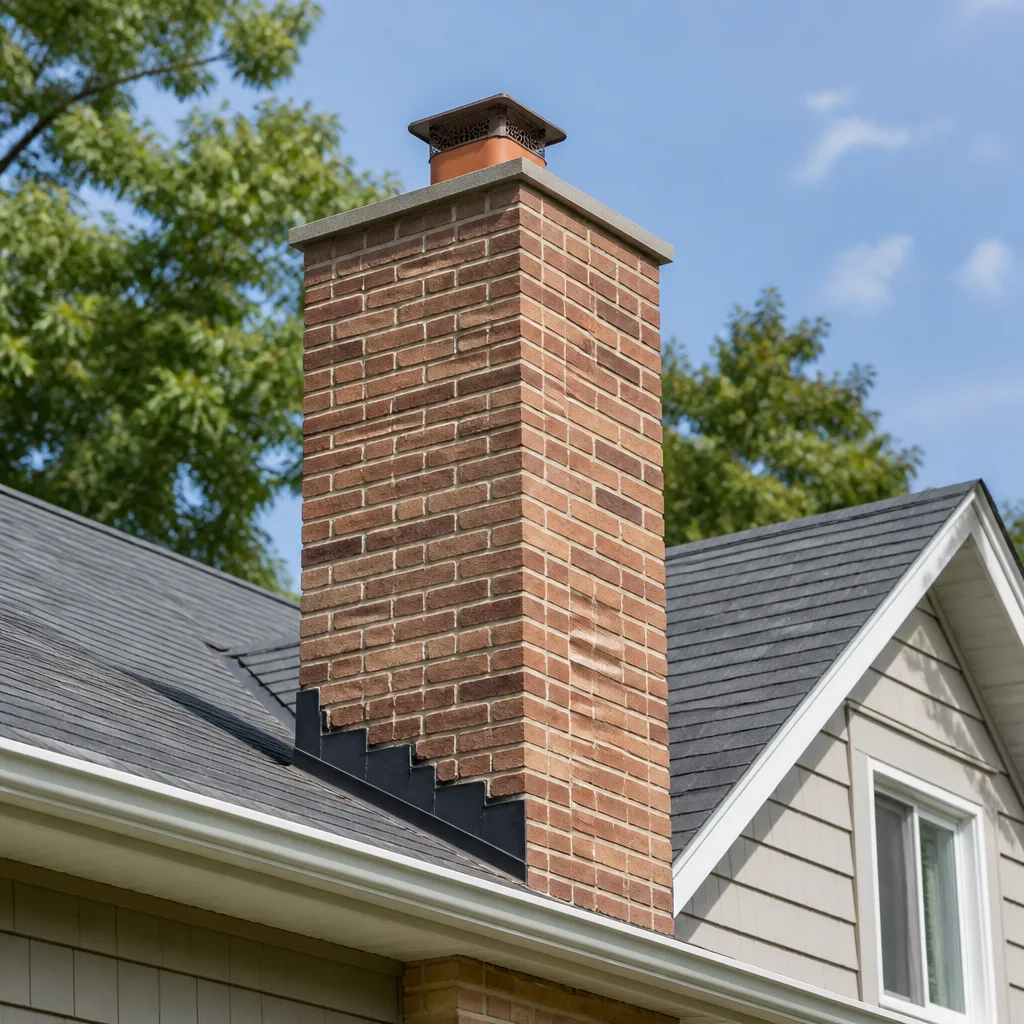
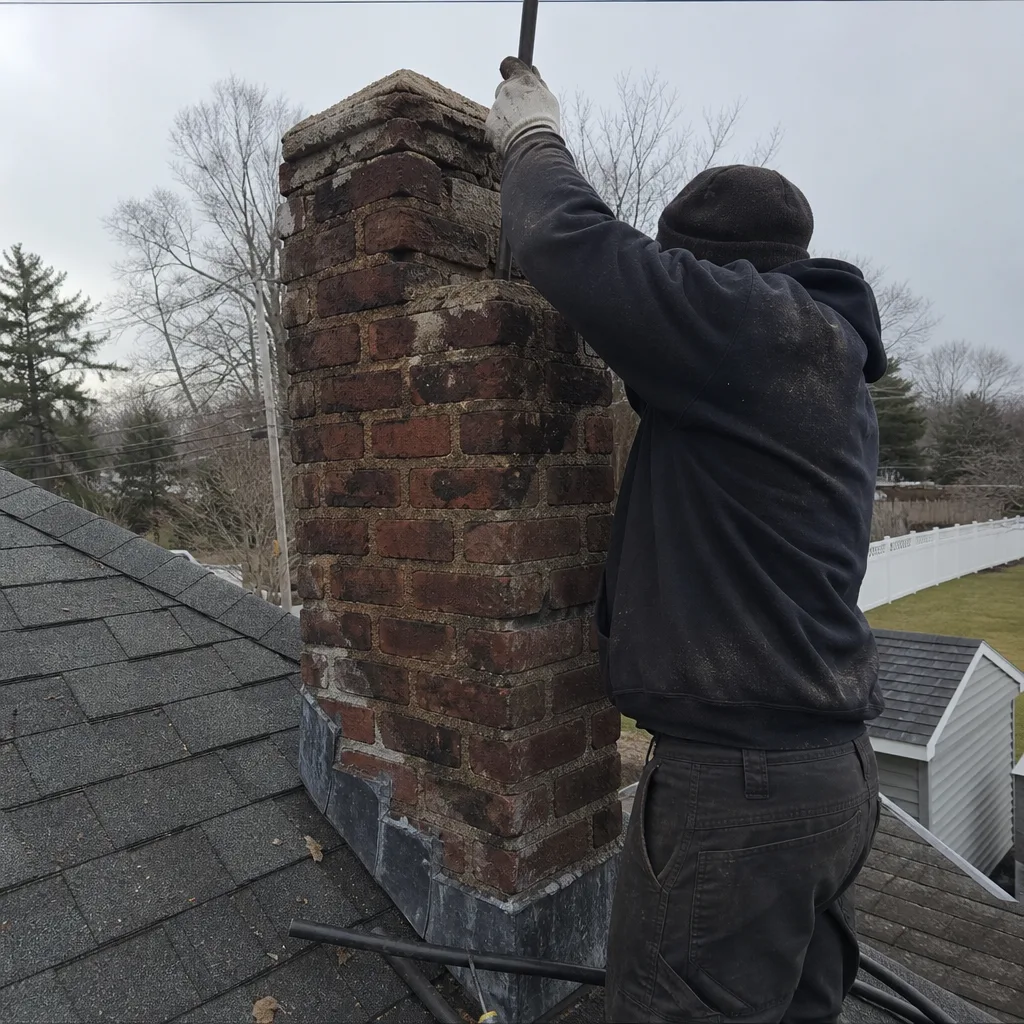 Before
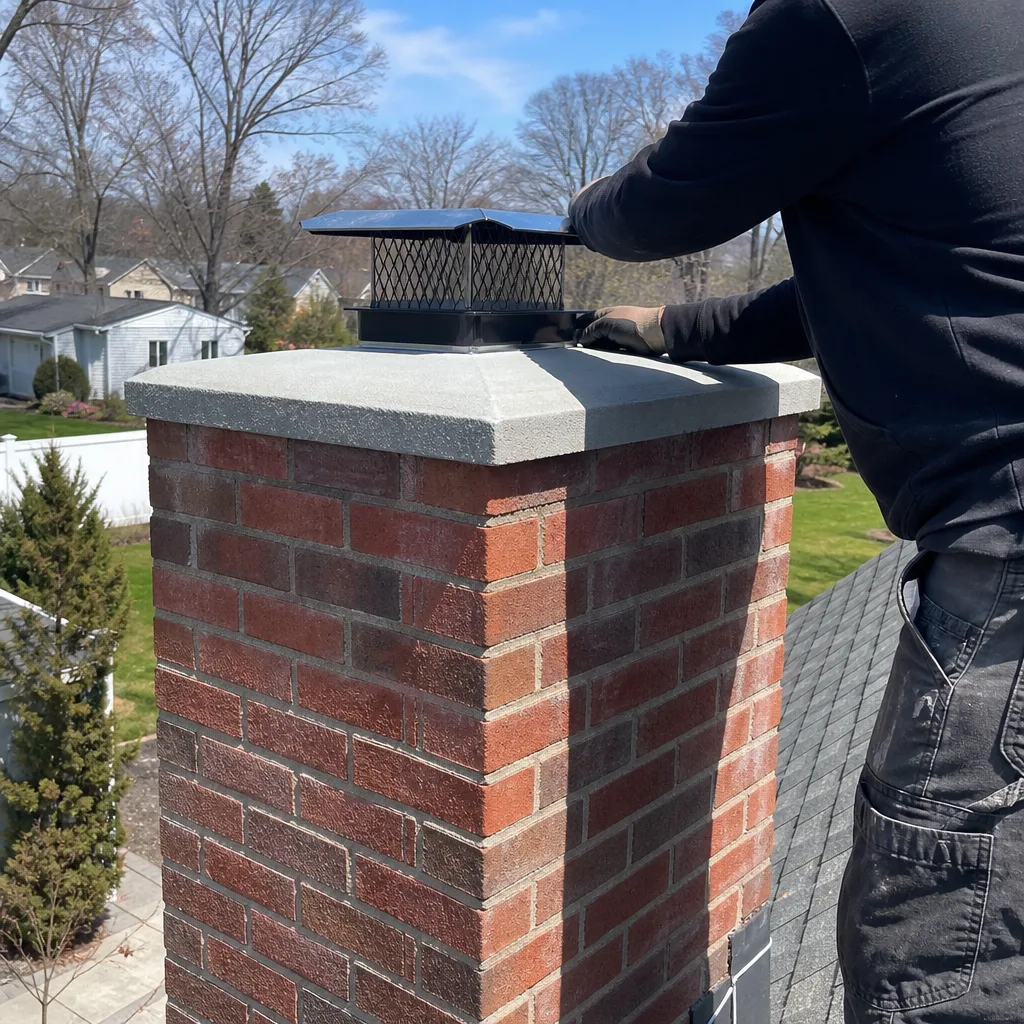 After
After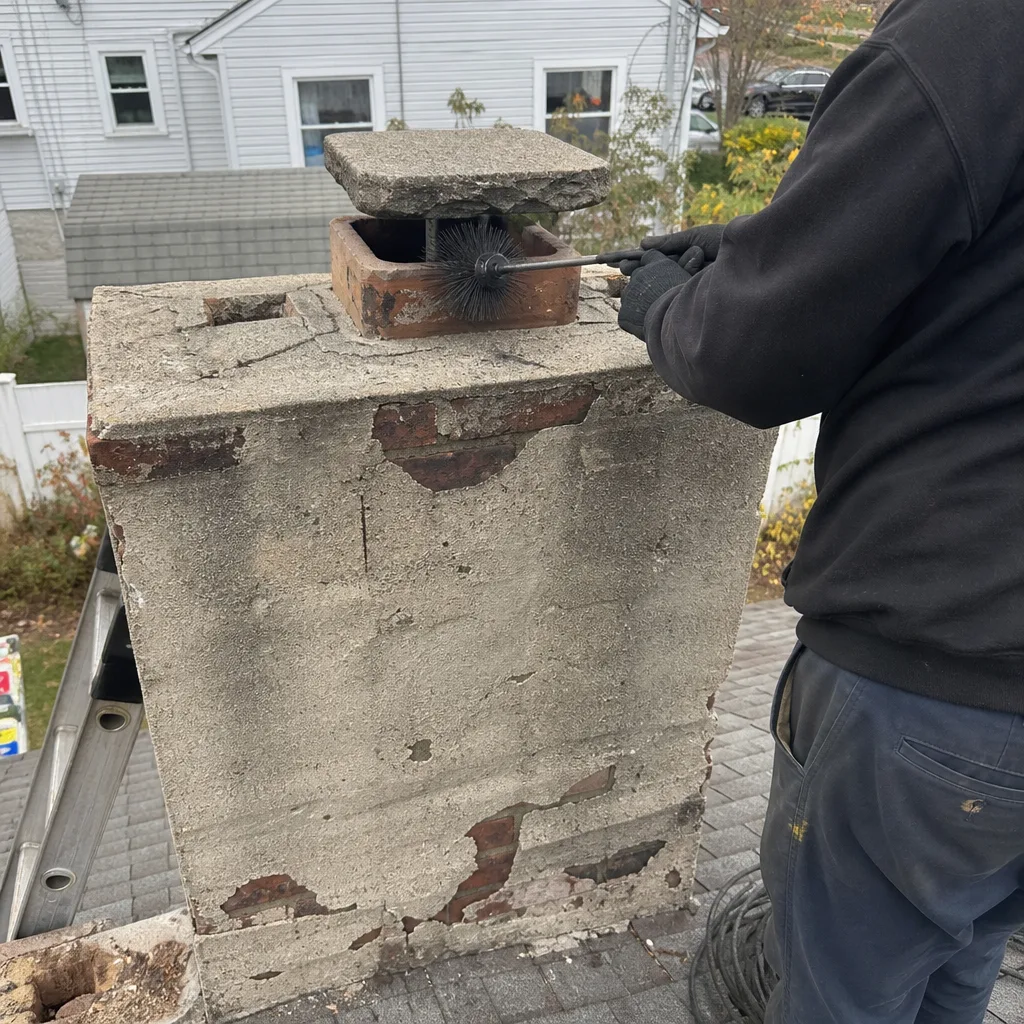 Before
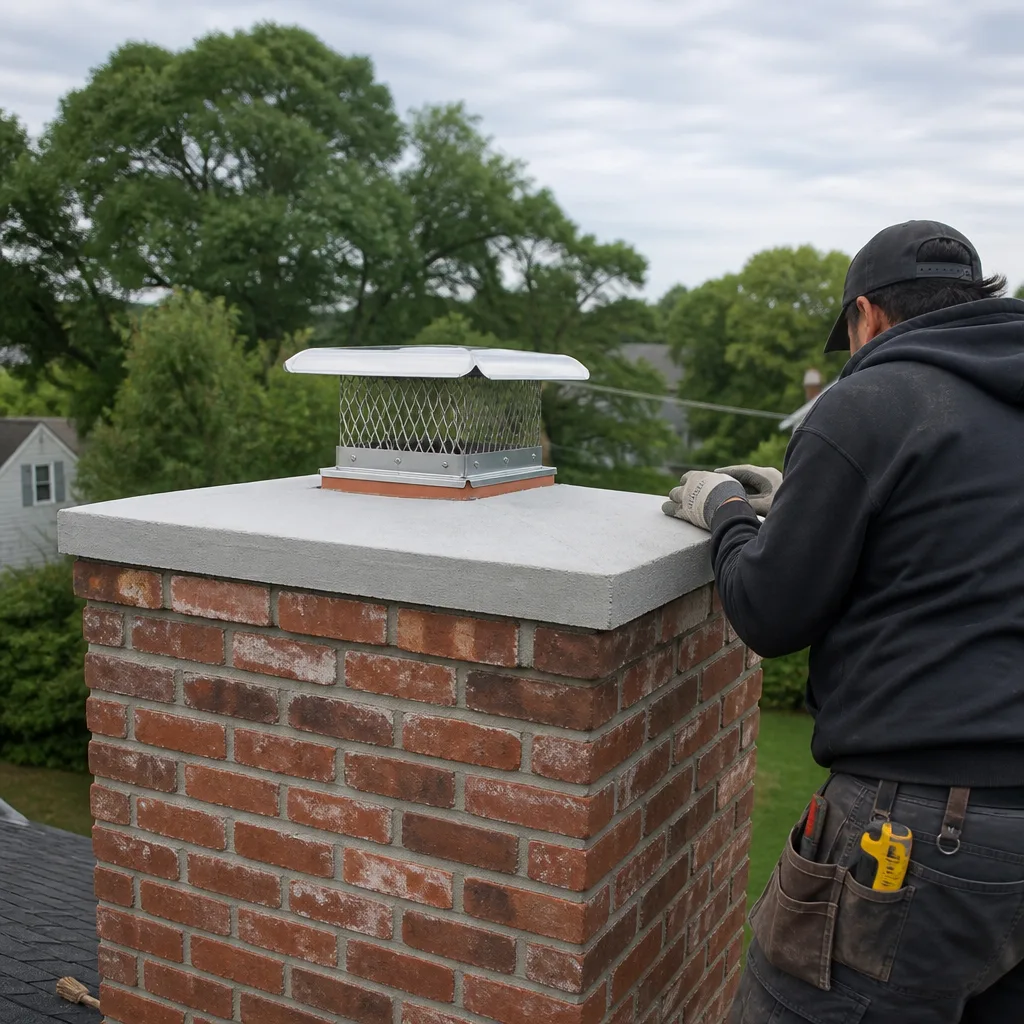 After
After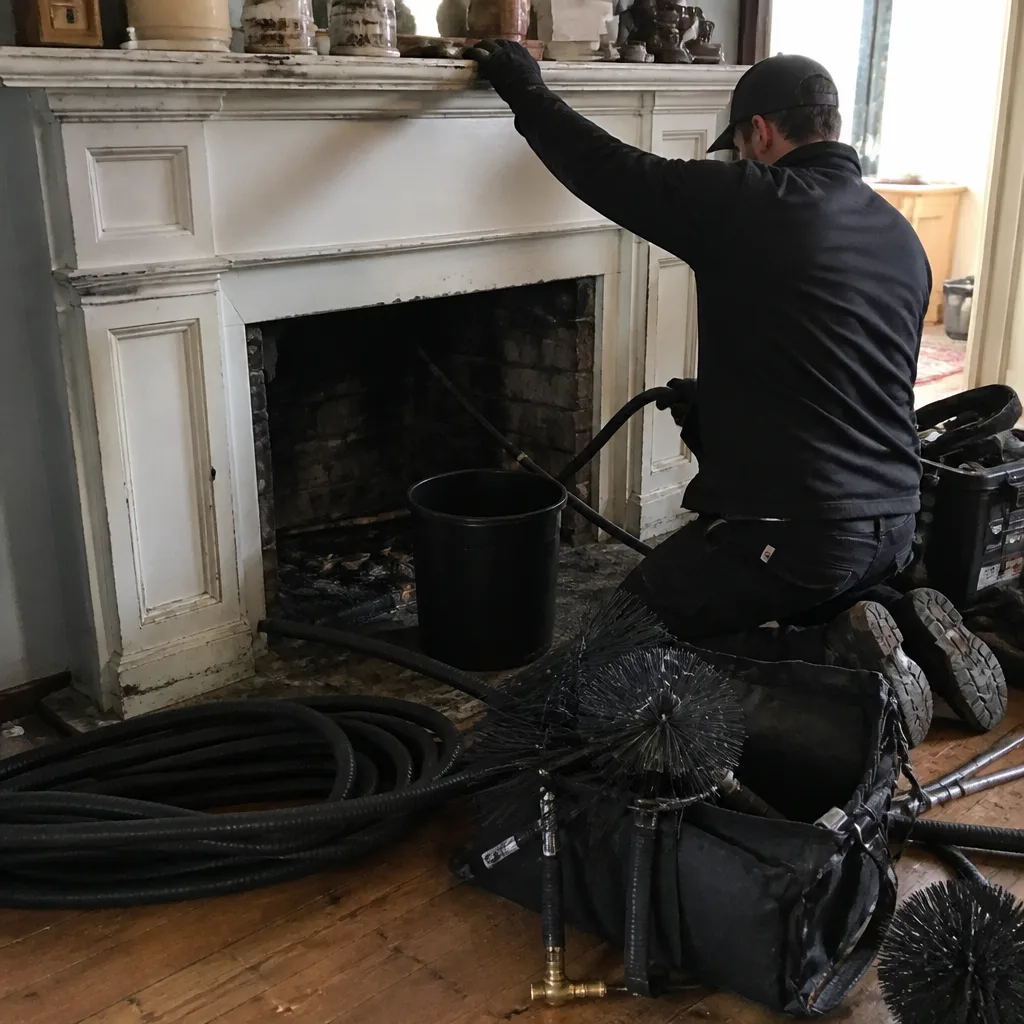 Before
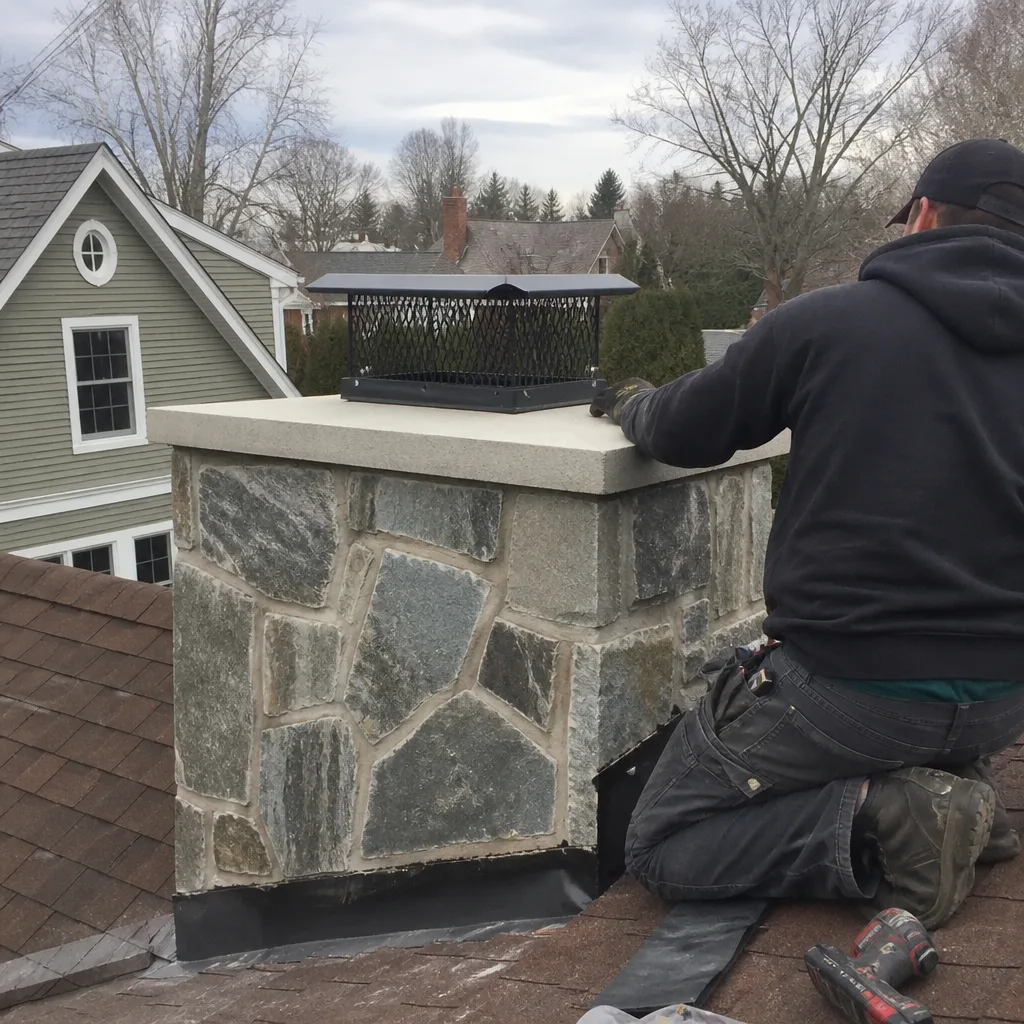 After
AfterDuraFlex Chimney Cap Installation: The Long Island Owner’s Guide
We stock and install DuraFlex-compatible chimney caps across Long Island, with most replacements running $325 to $570 installed. Same-week scheduling is typical once we’ve confirmed your flue size. You probably landed here because you found rust flakes in the fireplace, noticed water staining on the ceiling near the chimney, or watched a squirrel disappear down your flue on a Tuesday afternoon. The cap on a DuraFlex liner system is usually the first component to fail, and the good news is it’s one of the most straightforward fixes we make.
Here’s the thing most national outfits won’t tell you: a failed cap is rarely a liner emergency. If the cap rusted through or the mesh pulled loose, the liner itself may be perfectly sound. We’ll tell you that first, before anyone quotes you a liner replacement you don’t need. If it doesn’t need fixing, we’ll tell you that first.
Which DuraFlex Models This Applies To
DuraFlex makes several liner series, and the cap requirements aren’t one-size-fits-all. We install caps on the DuraFlex SS and DuraFlex AL liner systems most commonly, along with the DuraFlex Pro and DuraFlex 316Ti lines. The compatibility gotcha we see again and again on Long Island: the cap must match the liner’s inside diameter, not the clay tile’s diameter. Homeowners measure the old clay flue, order a cap, and wonder why it doesn’t seat. Your DuraFlex liner should have a metal tag near the top or at the appliance connection with the model and diameter stamped into it. Most Long Island homes we work on run either a 5.5-inch or 6-inch liner for oil burners, or a 6-inch to 8-inch liner for wood stoves and fireplaces.
On the OEM versus aftermarket question: DuraFlex branded caps are well made, but quality aftermarket stainless caps built to the same diameter spec often outlast them in Long Island’s salt air and freeze-thaw cycles. We stock both, including cap options that work with HeatShield and Gelco liner systems when a home has a mixed setup. Wendell Pike has been matching caps to liners across Long Island long enough to know that the wrong cap is worse than no cap: it can restrict draft, trap moisture, and turn a simple replacement into a liner rebuild.
Signs Your DuraFlex Chimney Cap Installation Is Failing
- Rust streaks on the chimney crown or siding below the cap. The cap’s screen or base has begun corroding, and the rust leaches down with rain. Stainless helps, but Long Island’s coastal air shortens the lifespan of any exposed metal component to 7-12 years.
- Damp smell from the fireplace after rain. The cap’s rain hood has warped or the screen mesh has pulled away, letting water drip straight down onto the smoke shelf. You may also see a small puddle at the bottom of the firebox.
- Debris, leaves, or twigs inside the firebox. The screen mesh has rusted through or the cap has shifted. Once debris gets in, it’s only a matter of time before a bird or squirrel follows.
- Sudden drafting problems, back-puffing, or smoke rolling into the room. A cap clogged with creosote or nesting material restricts the flue and reverses the draft. First-degree creosote is a brush job; a clogged cap is the thing upstream that made it worse.
- Visible gaps between the cap and liner, or the cap sitting crooked. Long Island’s freeze-thaw cycles work the fasteners loose over years. A tilted cap lets water run down the outside of the liner, rusting it from the outside in.
Replacement Cost & What’s Included
Most DuraFlex chimney cap installations on Long Island run between $325 and $570 installed. The range depends on three things: whether your liner is accessible from the roof or requires a chase cover modification, the liner’s diameter, and whether we’re matching an existing DuraFlex brand cap or upgrading to a heavier-gauge stainless aftermarket unit. You’ll get the price before a single tool comes off the truck, and the number you hear on the phone is the number on the invoice.
Every cap replacement includes the new cap, removal and disposal of the old one, seating and fastening to the liner, and a camera check of the top three feet of flue while we’re up there. That camera footage and a plain-English verdict, every time, no exceptions. The work is covered by our 90-Day Done Right Promise in writing. If the cap loosens, leaks, or anything isn’t right, one call brings Wendell and his crew back at no charge. We also honor $40 off any repair over $200, and seniors and veterans always get 10% off.
DIY or Call Us?
Replacing a chimney cap means getting on the roof. We’re not going to tell you that’s safe just because it looks simple in a YouTube video. Roof pitch, wet shingles, and a liner that’s been baking in Long Island sun for a decade all make this a job for someone with the right ladder and the right harness. The cap itself is not under tension and there’s no electrical hazard, but a fall from a two-story colonial is not something a $40 cap is worth.
What you can safely check from the ground: rust staining on the cap visible from the street, obvious tilting, and whether the screen mesh looks intact. If your chimney is a straight shot up from a one-story ranch in Levittown and you’re comfortable on a ladder, a careful homeowner can sometimes swap a cap. But most of the failed caps we see on Long Island fail because they were sized wrong or seated poorly in the first place. Our no-hassle upfront pricing means you’ll know the cost before we climb. Call (516) 968-5380 and we’ll talk you through what we see and what we’d do.
FAQs
On Long Island, expect 7 to 12 years from a stainless DuraFlex cap before the mesh or seams start to show rust. Homes within a mile or two of the South Shore or North Shore salt water are at the shorter end. We’ll tell you plainly when a cap can make it another season and when it’s time to swap it.
Usually not, but the answer depends on what failed. A bent rain hood can sometimes be straightened, but rusted mesh, corroded seams, or a loose band that won’t seat are replacement situations. We’ll show you the damage in the camera footage and give you a straight answer. Call (516) 968-5380 for an honest read on it.
Most cap installations take 45 to 90 minutes from setup to cleanup, assuming the liner top is in workable condition. If a chase cover or masonry crown is also deteriorated, the job extends accordingly, and we’ll tell you that before we start. We book work by the job, not the hour.
We stock DuraFlex-compatible caps in the common Long Island diameters, including 5.5, 6, and 8 inches, plus cap options for HeatShield and Gelco liner systems. If your liner needs a size we don’t have on the truck, we’ll have it within a few days and schedule the installation once it’s in hand.
If you’ve got a failed cap or water where it shouldn’t be, give us a call at (516) 968-5380. A live person answers, it may well be Wendell, and you’ll get a straight answer and a no-obligation estimate.
Written by Wendell Pike, Owner, Top Hat Chimney, serving Long Island and nearby areas.