
Level 1 sweep and inspection to the NFPA 211 annual standard - flue, crown, cap, and flashing checked and photographed
Chimney sweep logs do not sweep chimneys. They loosen some creosote - which then falls where a brush and vacuum still have to collect it.
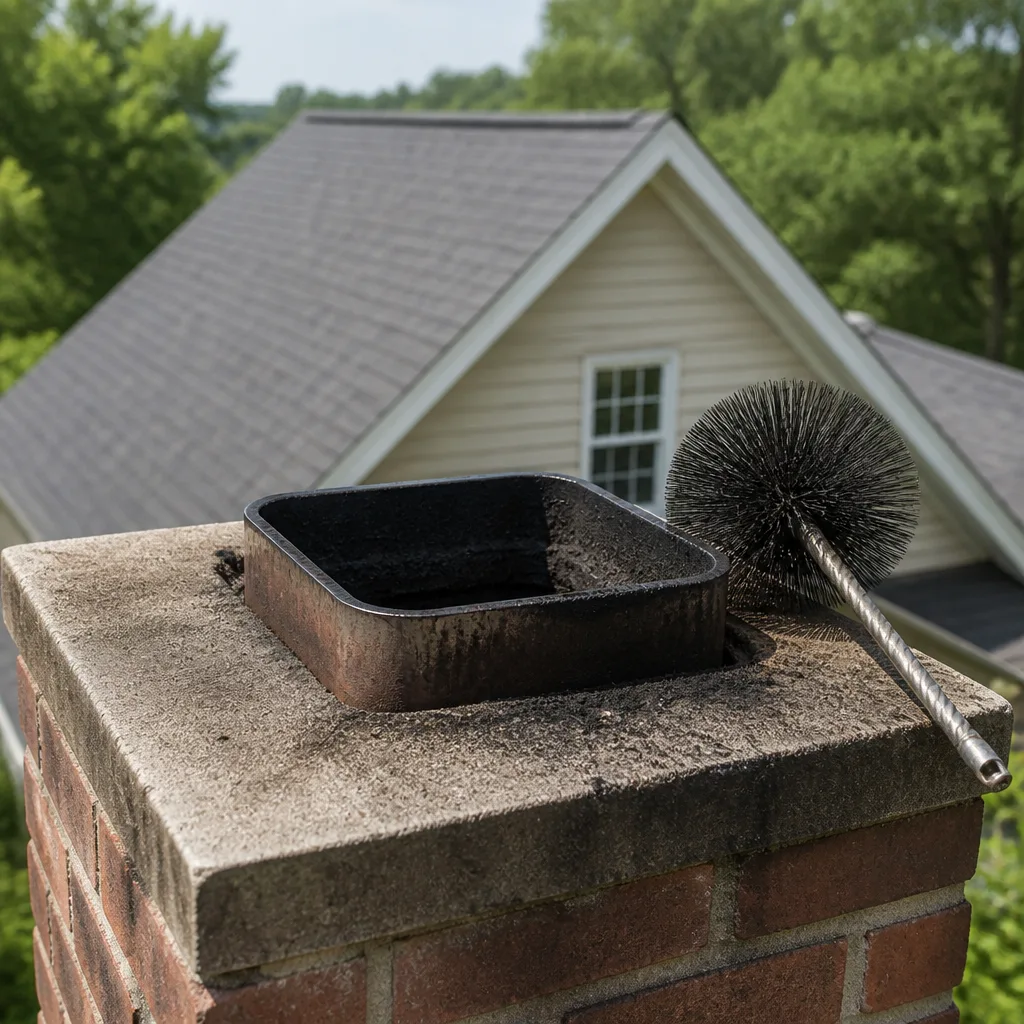
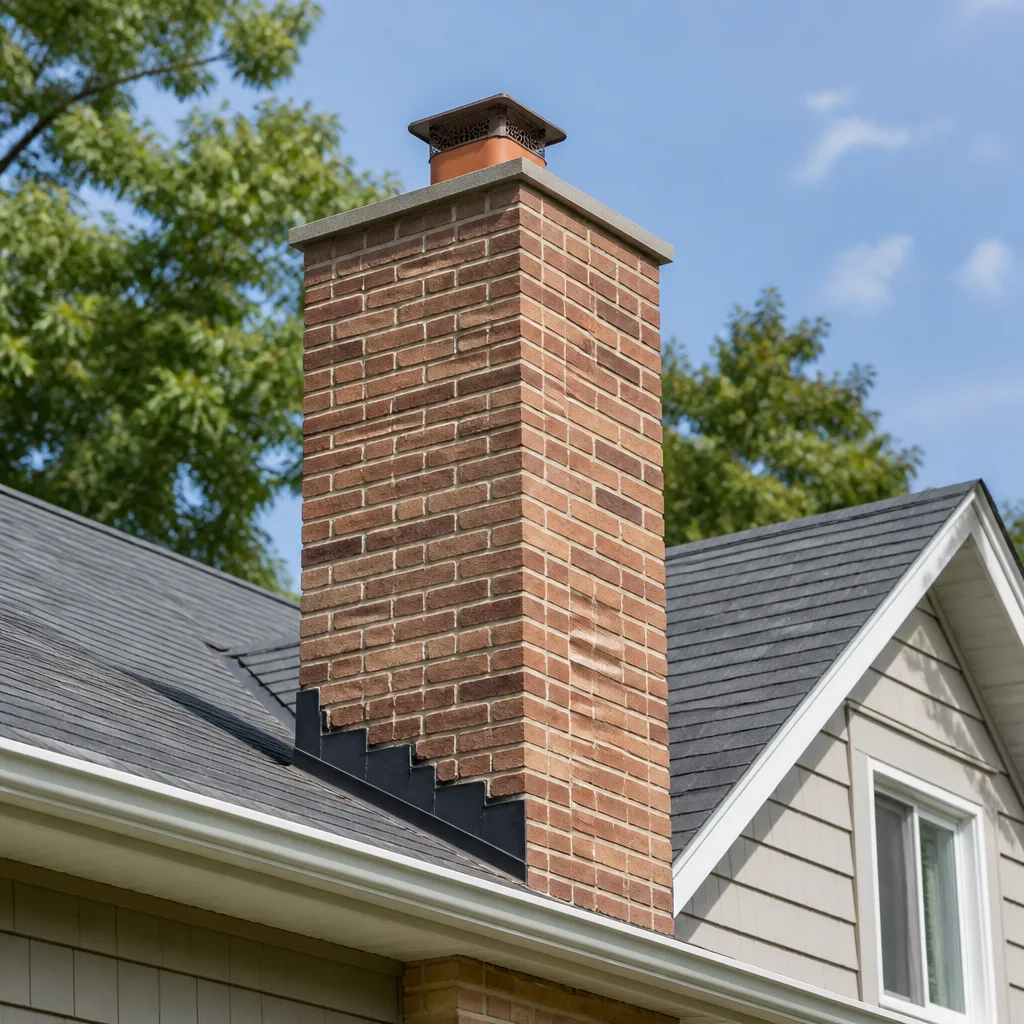
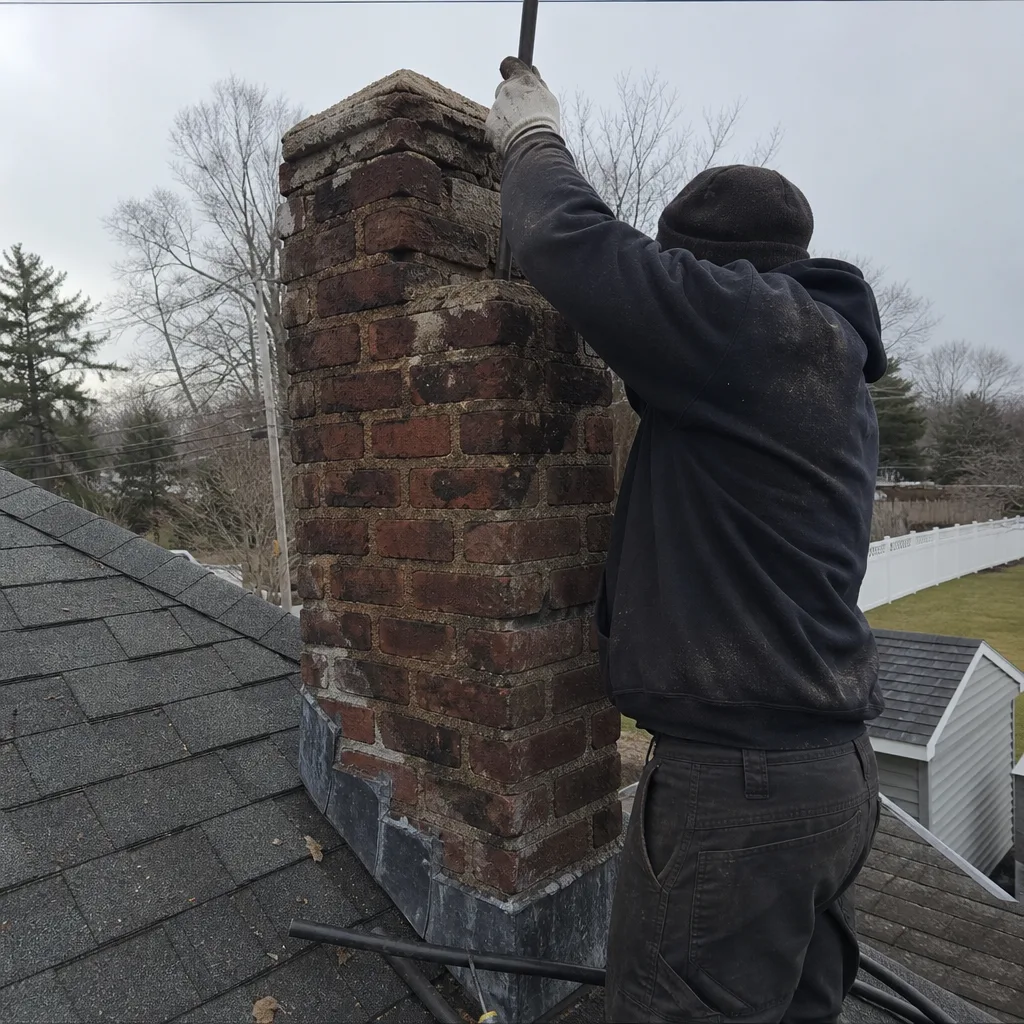 Before
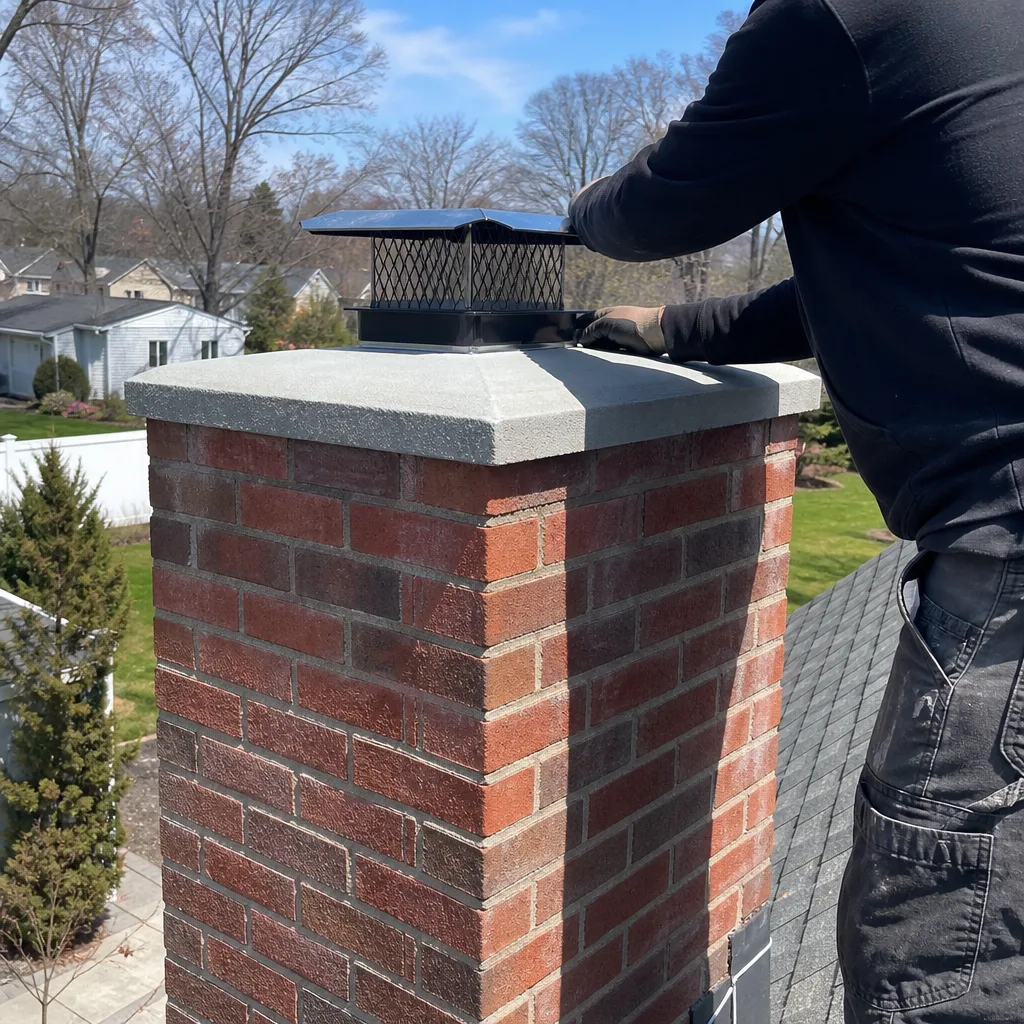 After
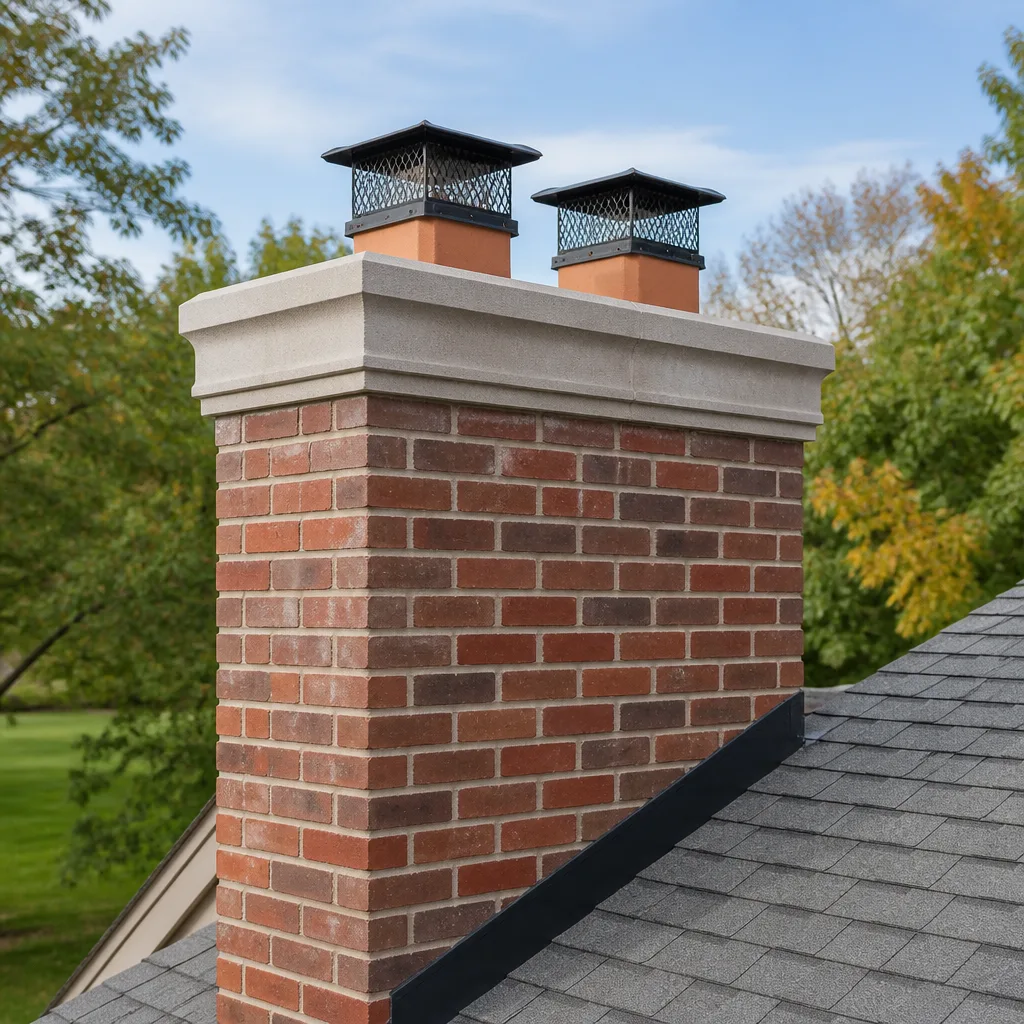
After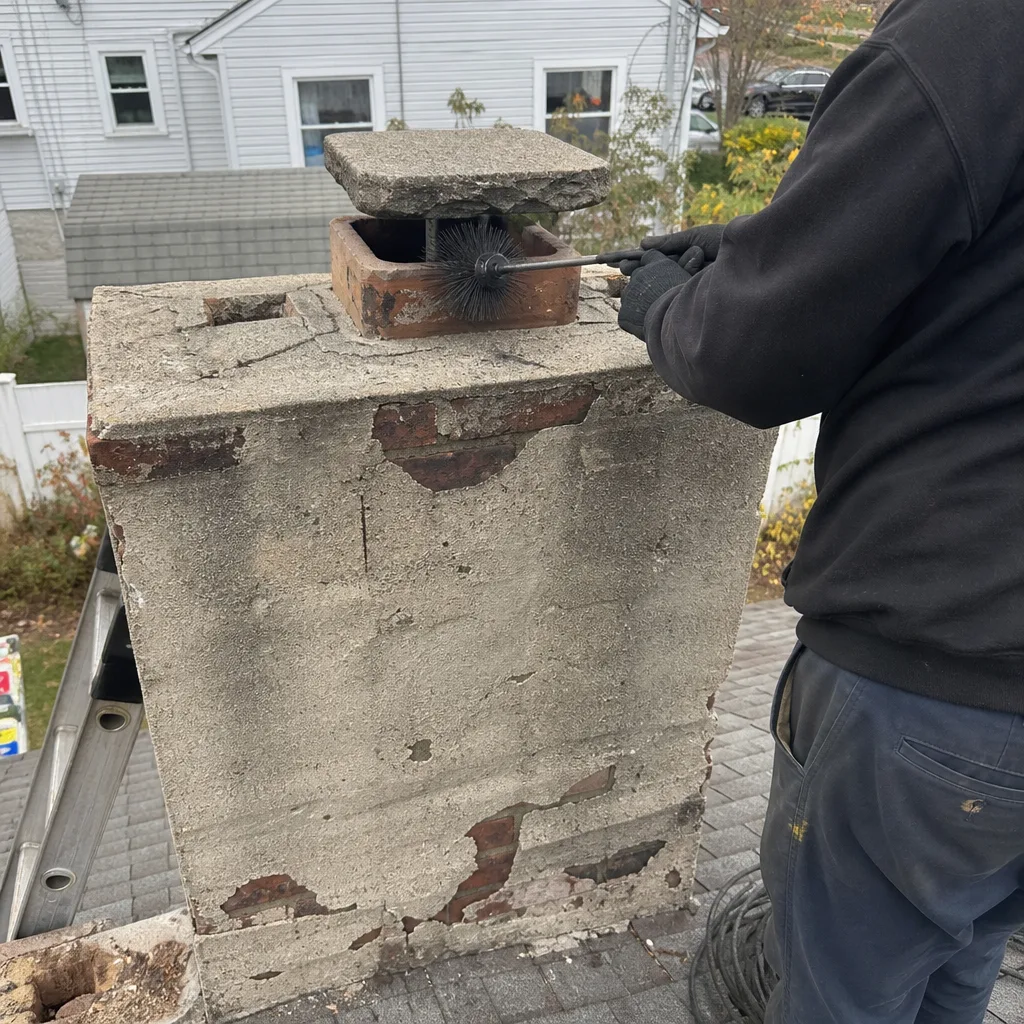 Before
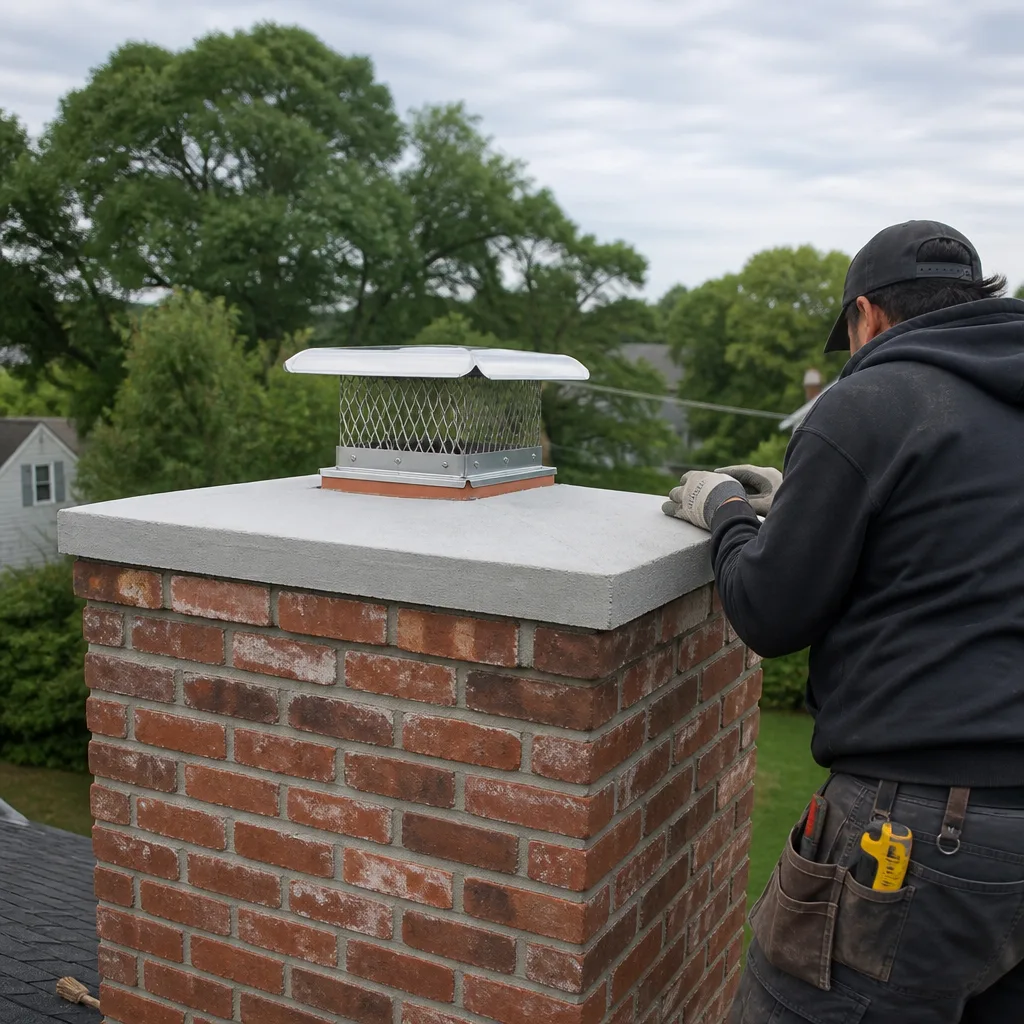 After
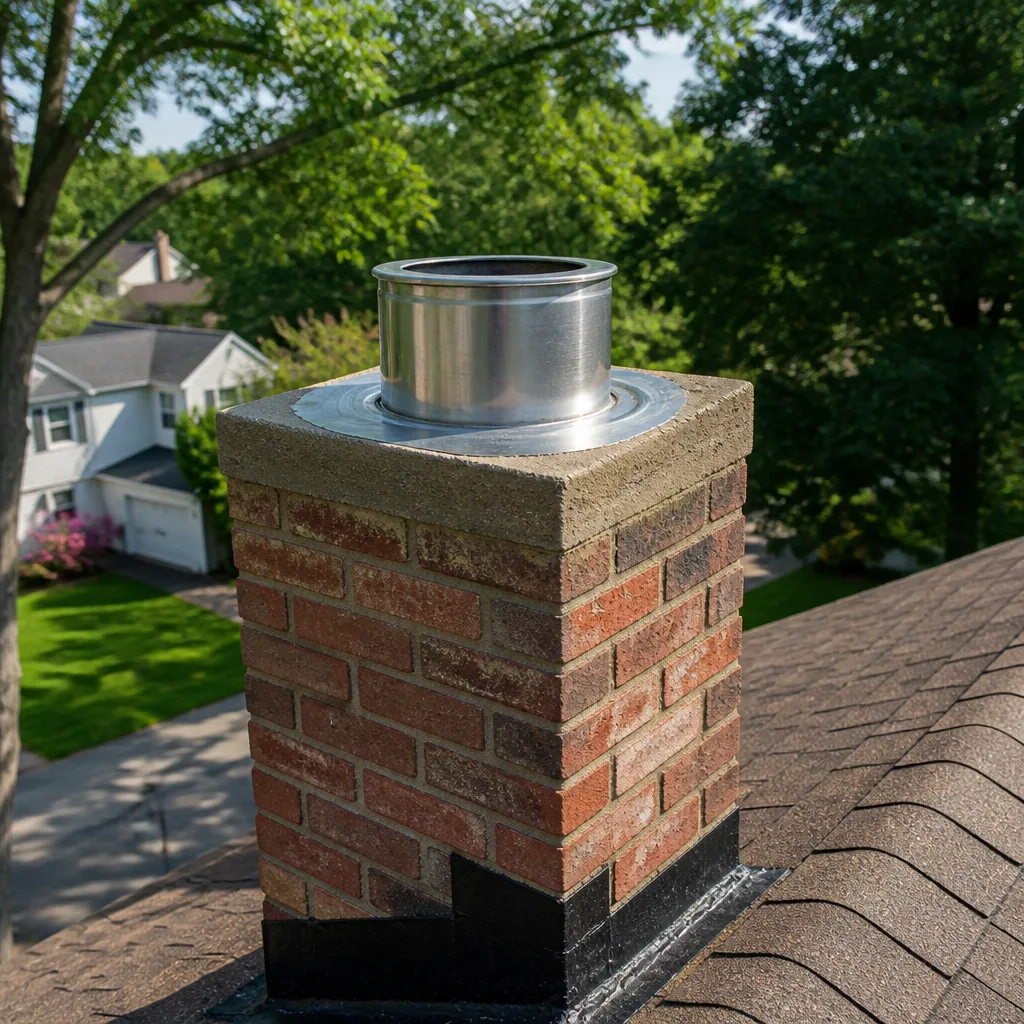
After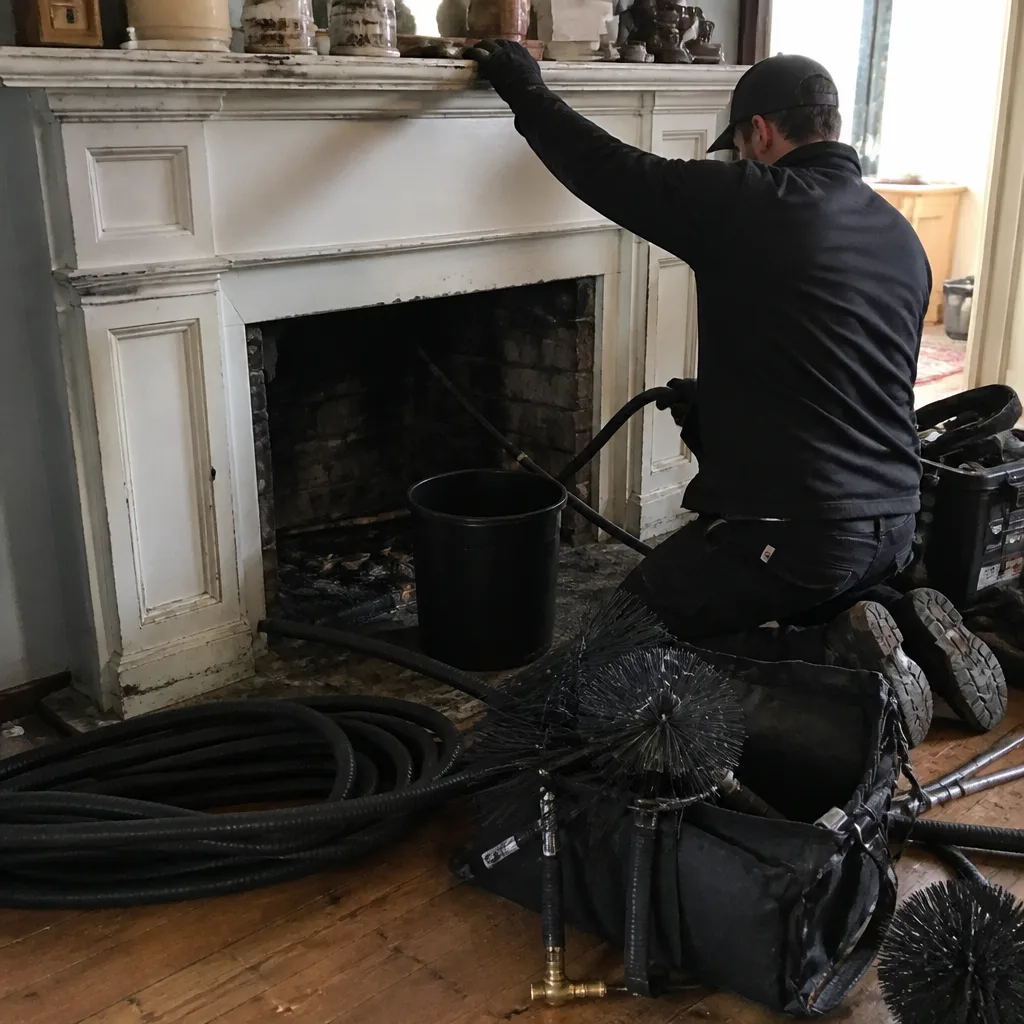 Before
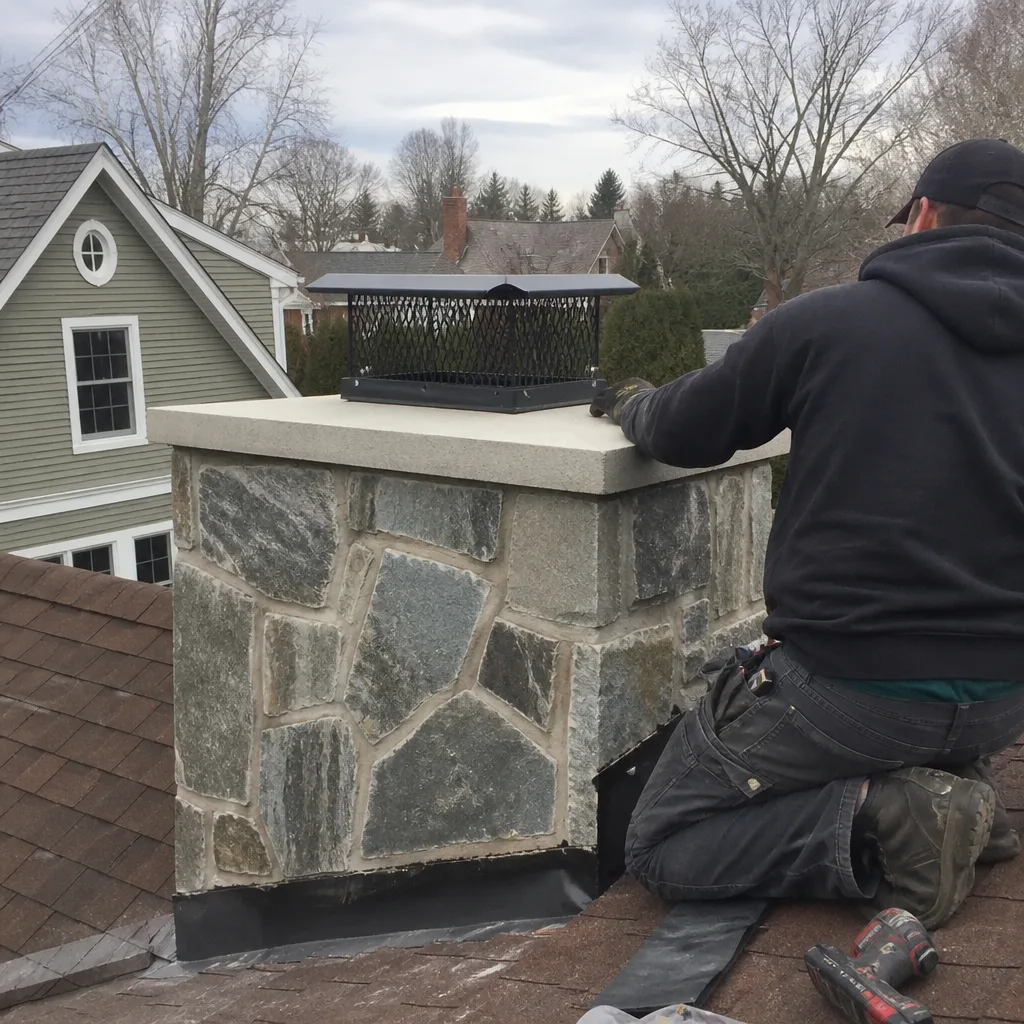 After
AfterDuraFlex Chimney Cleaning in Long Island, NY | Top Hat Chimney
Our Chimney Cleaning & Sweep in Long Island for DuraFlex isn’t a simple brush job. Most of the calls we take involve oil-burner flues, not wood fireplaces, and the residue that builds inside a DuraFlex liner there is oily, acidic, and far harder on the metal than creosote. We’re an independent DuraFlex service provider, not manufacturer-affiliated. We clean, inspect, patch, and re-terminate DuraFlex liners across Nassau and Suffolk County every week. Call (516) 968-5380 for a straight answer about what’s actually happening inside your flue.
Why Long Island Residents Choose Us for DuraFlex Service
Wendell Pike has been inside more Long Island chimneys than most people have been inside their own attics. He learned the trade through San Diego Mesa College’s construction program, then spent over a decade sweeping flues before founding Top Hat Chimney in 1999. These days, his crew opens DuraFlex systems in Levittown capes, North Shore colonials, and South Shore ranches on a weekly basis. The difference shows when a technician knows what an 8×12 oval liner looks like after thirty years of oil-burner condensate pooling at the tee, and can tell you whether it needs a patch or a full reline, straight, no guessing. We stock common DuraFlex 316L stainless and aluminum components locally, which means less waiting when your oil flue decides to start misbehaving in January. And every job gets our 90-Day Done Right Promise in writing. If it’s not right, one call brings the crew back.
Common DuraFlex Chimney Cleaning Problems We Solve in Long Island
- Pinhole corrosion in DuraFlex SS from oil-burner condensate. Long Island’s postwar oil flues run cool, especially with high-efficiency boilers. The acidic condensate eats through stainless from the inside out, and by the time we open the liner, the bottom sections often look perforated. On South Shore barrier island homes, the salt fog on the exterior accelerates the top-end corrosion too.
- DuraFlex AL ovalization when a new boiler drops flue temperatures. Aluminum liners from the 1980s and 1990s were sized for old oil burners that ran hot. When you swap in a high-efficiency unit, the exhaust cools to the point where water condenses inside the aluminum wall. The liner sags, ovalizes, or collapses outright. We see it constantly in Levittown-era Capes.
- Improper termination and missing rain caps. A DuraFlex liner without a proper stainless cap lets rain, salt spray, and debris straight down the flue. The top of the masonry spalls, the mortar erodes, and the liner itself starts rusting at the exposed lip. Marine air on Long Island makes this a five-year problem instead of a twenty-year one.
- Kinked or crushed sections from original installation. Older Long Island chimneys, especially split-levels and Capes with corbelled or offset flues, were never built for smooth liner installation. We pull out DuraFlex sections that look like accordions because the original installer forced them through a tight offset. Draft suffers, soot builds, and the homeowner wonders why the boiler keeps short-cycling.
- Glazed oil soot that a brush alone won’t remove. Oil flue residue on Long Island is a different animal than wood creosote. It’s sulfurous, sticky, and when it hardens against the smooth stainless wall of a DuraFlex liner, you need chemical treatment and rotary tools to break it loose. A standard brush just polishes it. Your flue doesn’t care how the fire looks. It cares how it breathes.
DuraFlex Service in Long Island: What Local Conditions Mean for Your Equipment
Here’s the thing most homeowners never hear: those original single-flue chimneys in Levittown-era homes were sized very specifically for the oil burner installed when the house was built. That means the original DuraFlex liner in those flues, if it was installed in the 1990s, often measures 8″x12″ oval inside a 13″x13″ clay tile. It worked fine with the original boiler. Then someone upgraded to a high-efficiency unit with a much cooler exhaust stream. Now the gases condense inside the smooth stainless wall instead of carrying the moisture up and out. Acidic condensate pools at the bottom tee, and pinholes start eating through from the inside. On the South Shore barrier islands and North Shore bluffs, the daily salt fog adds a second front of attack on the external crown and cap. That’s why a liner that should last decades might be shot in fifteen years here, and why the answer is often not a full rebuild. Sometimes it’s a 316L sleeve, a proper rain cap, and a crown seal. The camera footage tells us which one, every time, no exceptions.
DuraFlex Models & Products We Service in Long Island
We open and service the full DuraFlex lineup: DuraFlex SS single-wall stainless, DuraFlex AL aluminum for gas and oil, DuraFlex Pro heavy-wall stainless for wood and oil, and the 304L and 316L alloy liners. When a section needs replacement, we match the original alloy and diameter. No aftermarket guesswork, no “close enough” fits. We keep common 316L stainless components and aluminum sections on hand, so a repair inside our service county often happens the same week. For a broader look at our DuraFlex work, see our DuraFlex sales & service page. We also do Level 2 inspections, mortar repointing, and cap replacement on every DuraFlex system we touch. A new cap solves more chimney problems than most people think, and it costs far less than a new liner.
DuraFlex Service Pricing in Long Island
DuraFlex chimney cleaning on Long Island typically runs a flat rate that depends on flue height, liner condition, and how heavy the oil soot buildup is. A standard cleaning and inspection on a single-story Cape runs lower than a two-story colonial with a steep roof pitch. Level 2 camera inspections are priced separately and worth every dollar when you’re deciding between a patch and a full reline. If we find a perforated section, we’ll show you the footage before quoting Chimney Repair - Long Island. We write upfront pricing before a single tool comes off the truck, and the number on the phone is the number on the invoice. Call (516) 968-5380 for a free estimate. Half the time, the job is smaller than the homeowner was told by someone else.
Serving Long Island, NY - Our Local Coverage Area
We’re based in the Long Island area and know this community well. Use the map below to see our service coverage - if you’re nearby, we can almost certainly help.
FAQs - DuraFlex Chimney Cleaning in Long Island
Stainless holds up, but not automatically. The salt air eats the cap, crown, and exposed termination long before it hurts the liner body. The real killer is acidic oil condensate inside the flue. With a proper rain cap, a sealed crown, and an annual cleaning that includes a camera check, a 316L liner can last decades even on a barrier island. Skip the cap and you’ll be replacing the top section within a few years. Call (516) 968-5380 and we’ll tell you where your liner actually stands.
Could be both, but the liner is usually the weak link. High-efficiency boilers exhaust at much lower temperatures, and when that cool exhaust hits an old aluminum liner sized for a hotter unit, the moisture condenses and the liner sags or ovalizes. Draft drops, sooting starts, and the boiler safety switch trips. We’ll camera the flue and pressure-test the draft to tell you which one is actually causing the problem, then fix the one that needs fixing. A free second opinion on any written estimate is part of how we work.
Yes, but it’s not a standard sweep. Glazed oil soot on stainless needs chemical treatment and rotary cleaning to break the glaze, then a camera inspection to check for hidden pinholes underneath. A basic brush pass won’t touch it. We do this work across Long Island regularly, and we’ll tell you straight if the liner is too far gone to save. If it doesn’t need fixing, we’ll tell you that first.
Almost always, yes. A rusted cap is a cap problem, not a liner problem, unless the exposed section has been open to the weather for years. We replace caps on DuraFlex liners all the time without touching the rest of the system. The new cap should be stainless, not galvanized, and it needs to fit the liner termination correctly. Call (516) 968-5380 and we’ll quote a cap replacement before we ever suggest anything bigger.
Depends on the type and location of the corrosion. Surface rust at the top from salt spray can wait. Pinholes in the bottom three feet from oil condensate can’t. The only way to know is a camera inspection, which takes about twenty minutes. Home inspectors don’t run cameras. We do. Once a year, burn or no burn. Chimneys break in the off-season too.
Service Areas Near Long Island
We’re based in the heart of Long Island and cover the surrounding communities daily. You’ll see our trucks in Long Island service area towns from the Nassau line through Suffolk. We handle DuraFlex work in DuraFlex service in Rockville Centre, regular calls in DuraFlex service in Brentwood, and jobs in Southampton, Dix Hills, and Smithtown. If you’re within the county, there’s no trip charge.
Book Your DuraFlex Service in Long Island Today
Call (516) 968-5380 and you’ll get a live person, not a call center. We’ll give you an honest answer about your DuraFlex liner, a straight price, and a real appointment window. Ask anyone on your street. The estimate is free.
Written by Wendell Pike, Owner at Top Hat Chimney, serving Long Island since 1999.