
Level 1 sweep and inspection to the NFPA 211 annual standard - flue, crown, cap, and flashing checked and photographed
Chimney sweep logs do not sweep chimneys. They loosen some creosote - which then falls where a brush and vacuum still have to collect it.
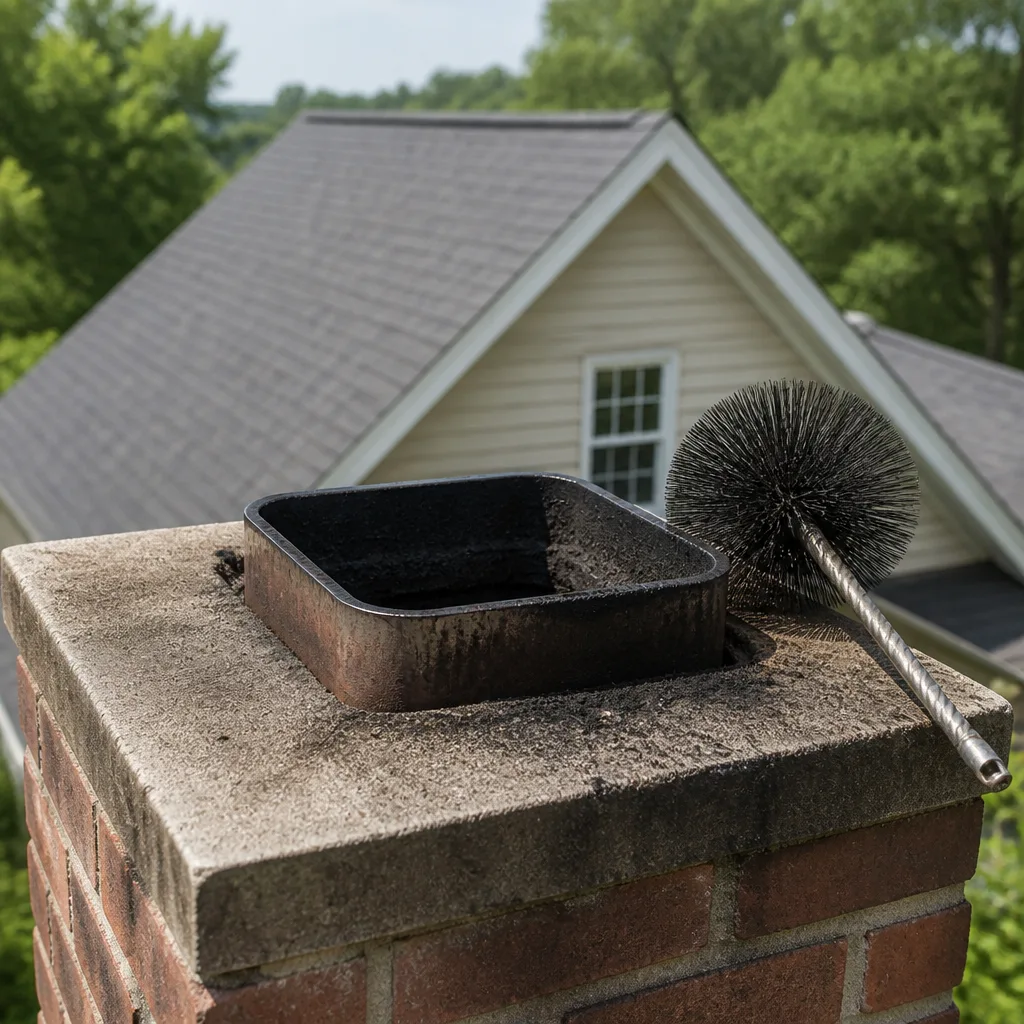
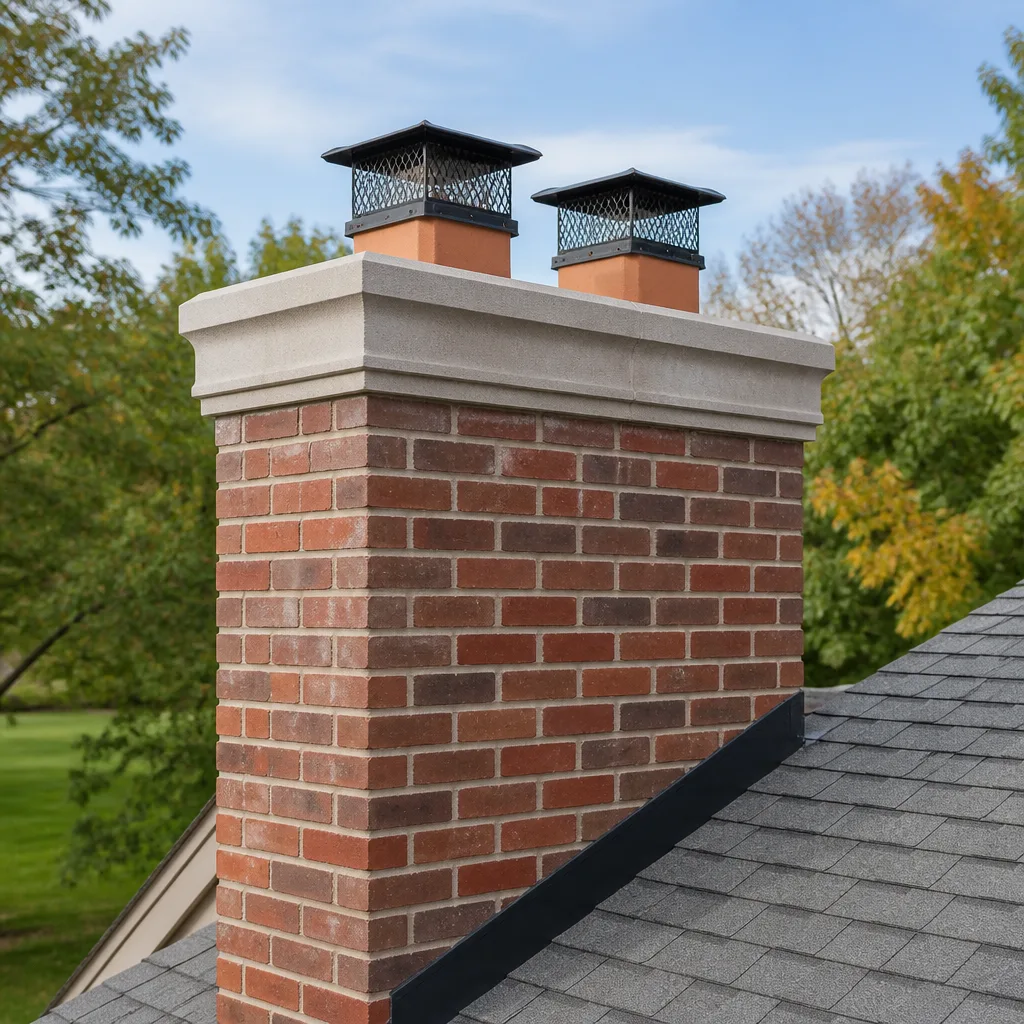
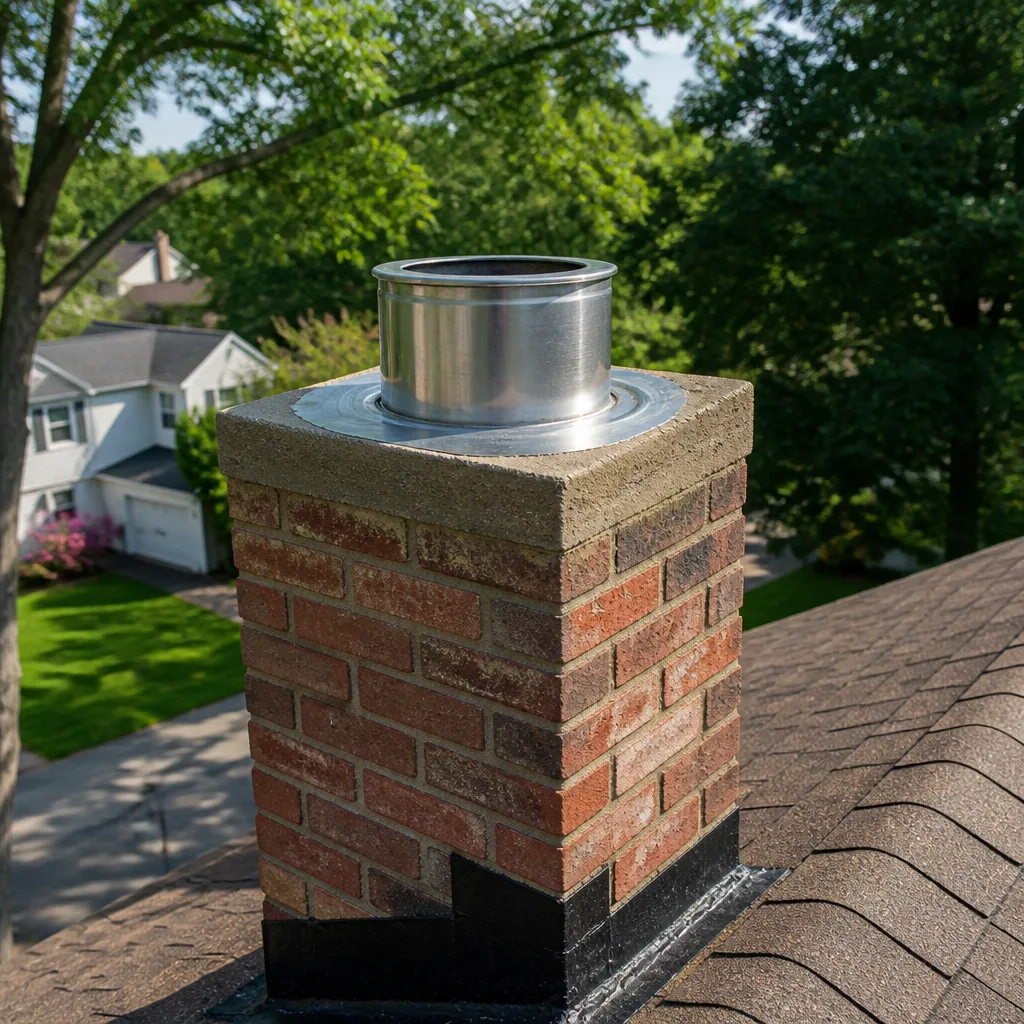
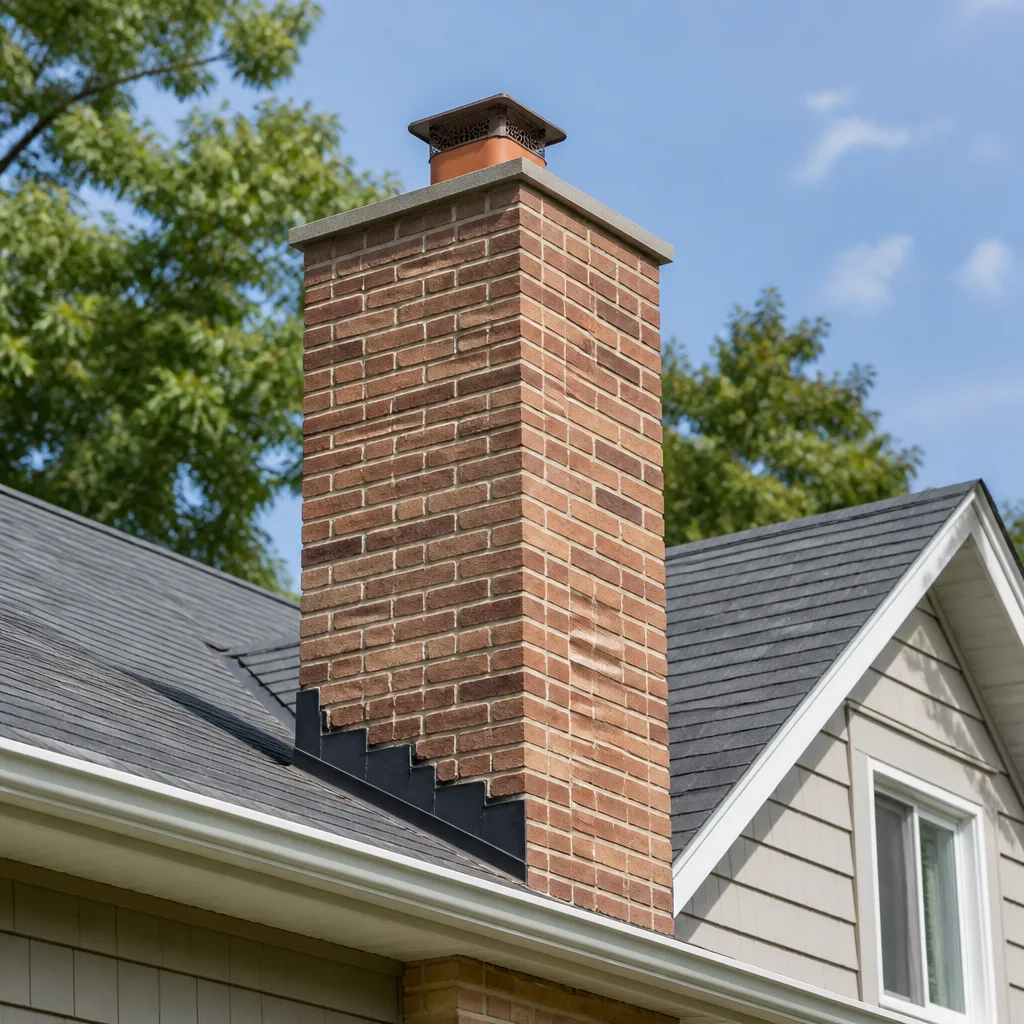
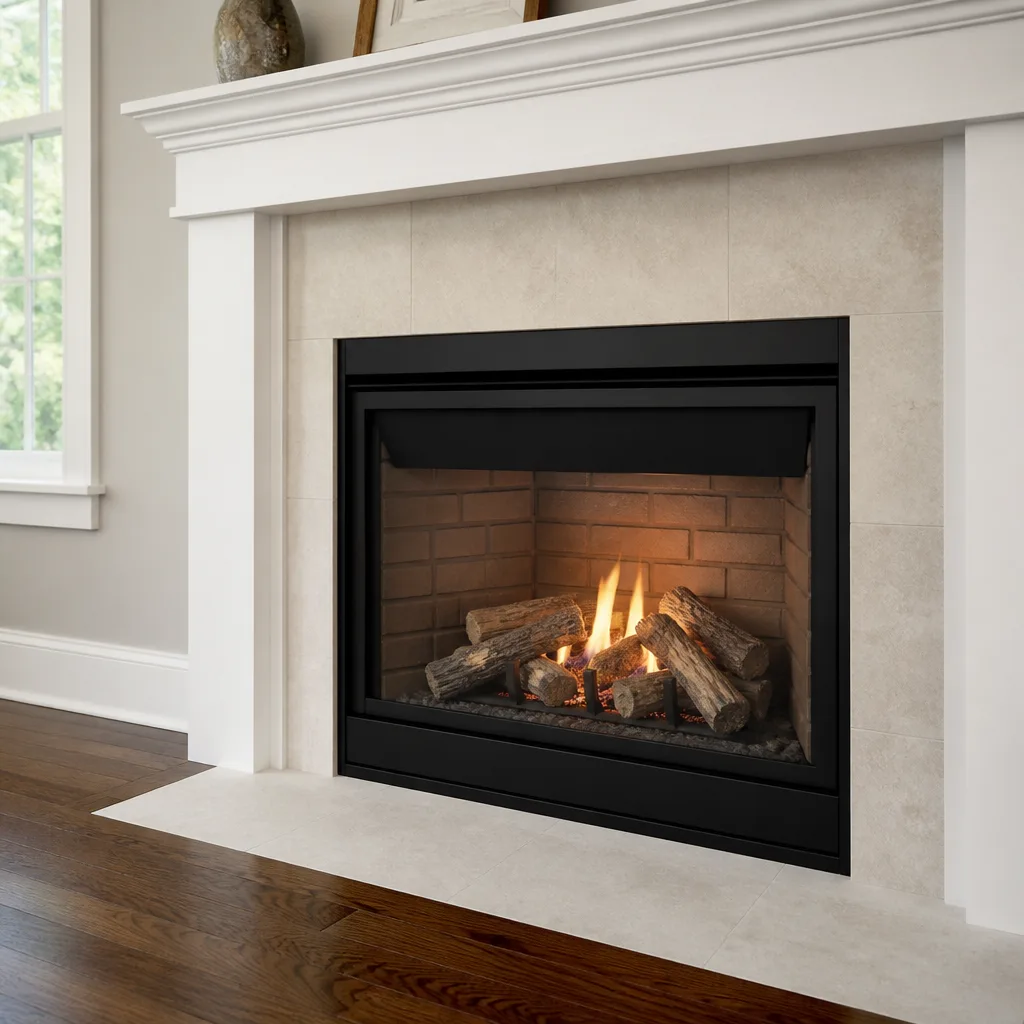
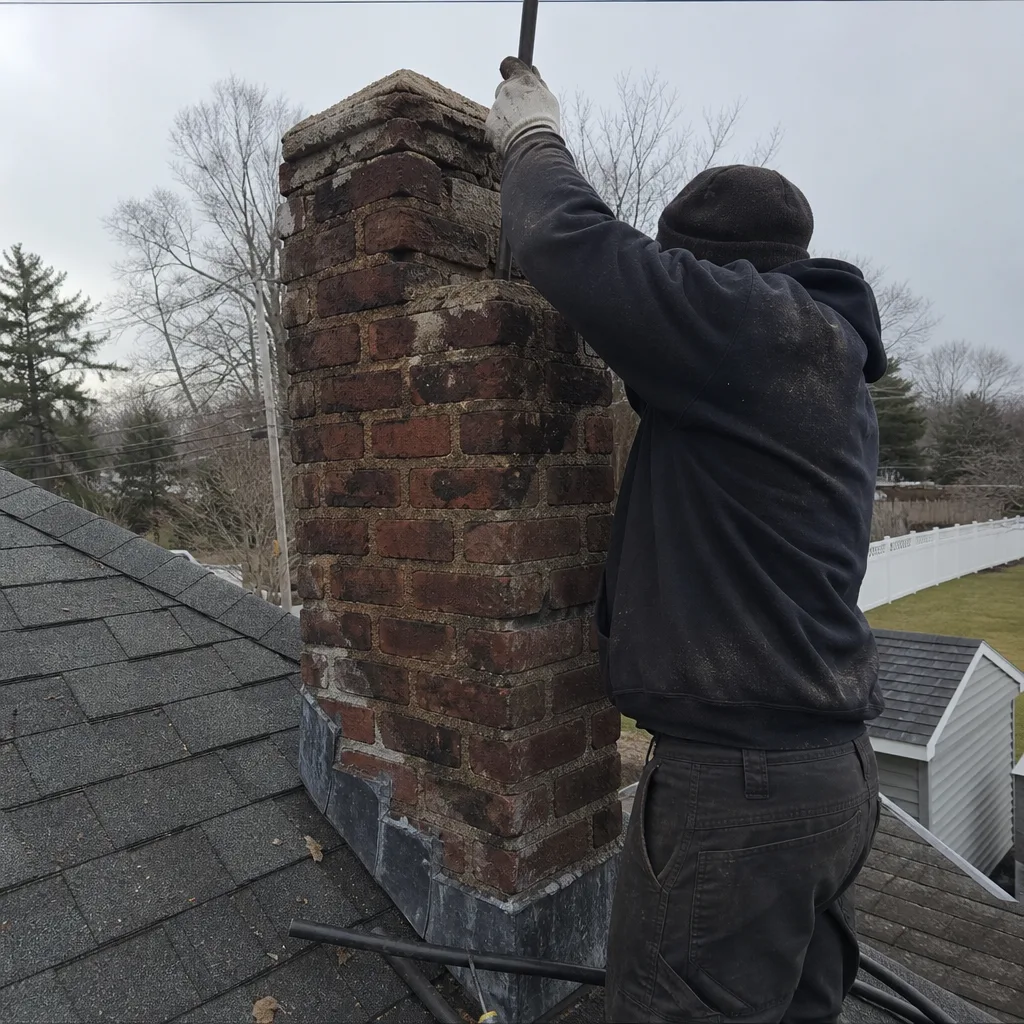 Before
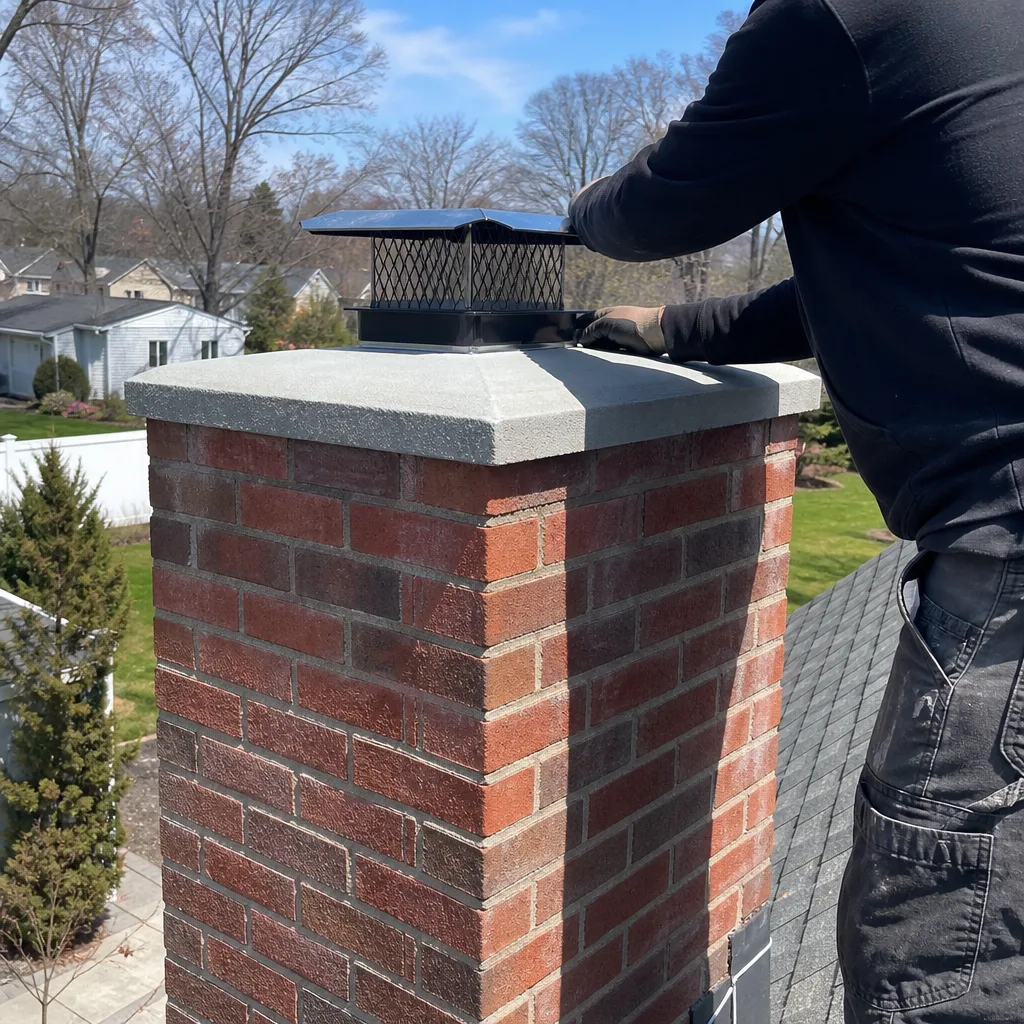 After
After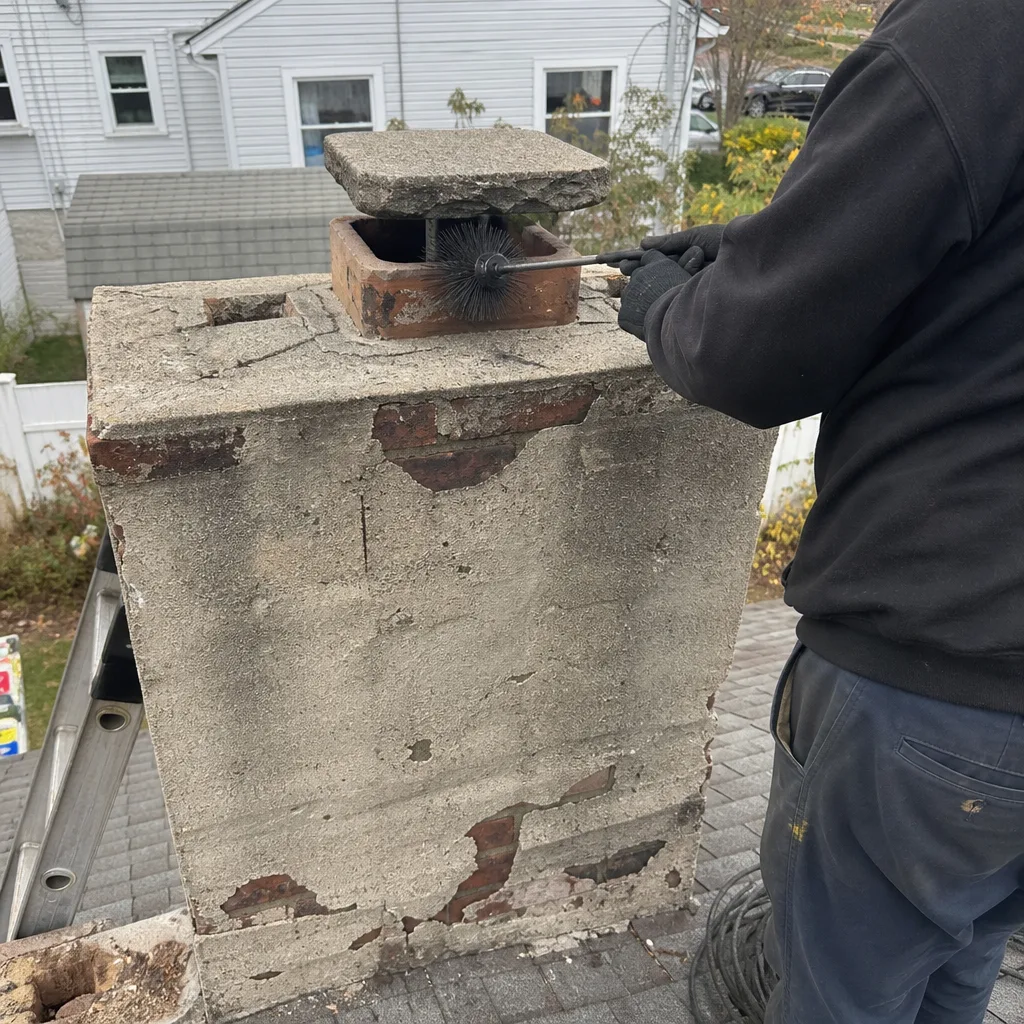 Before
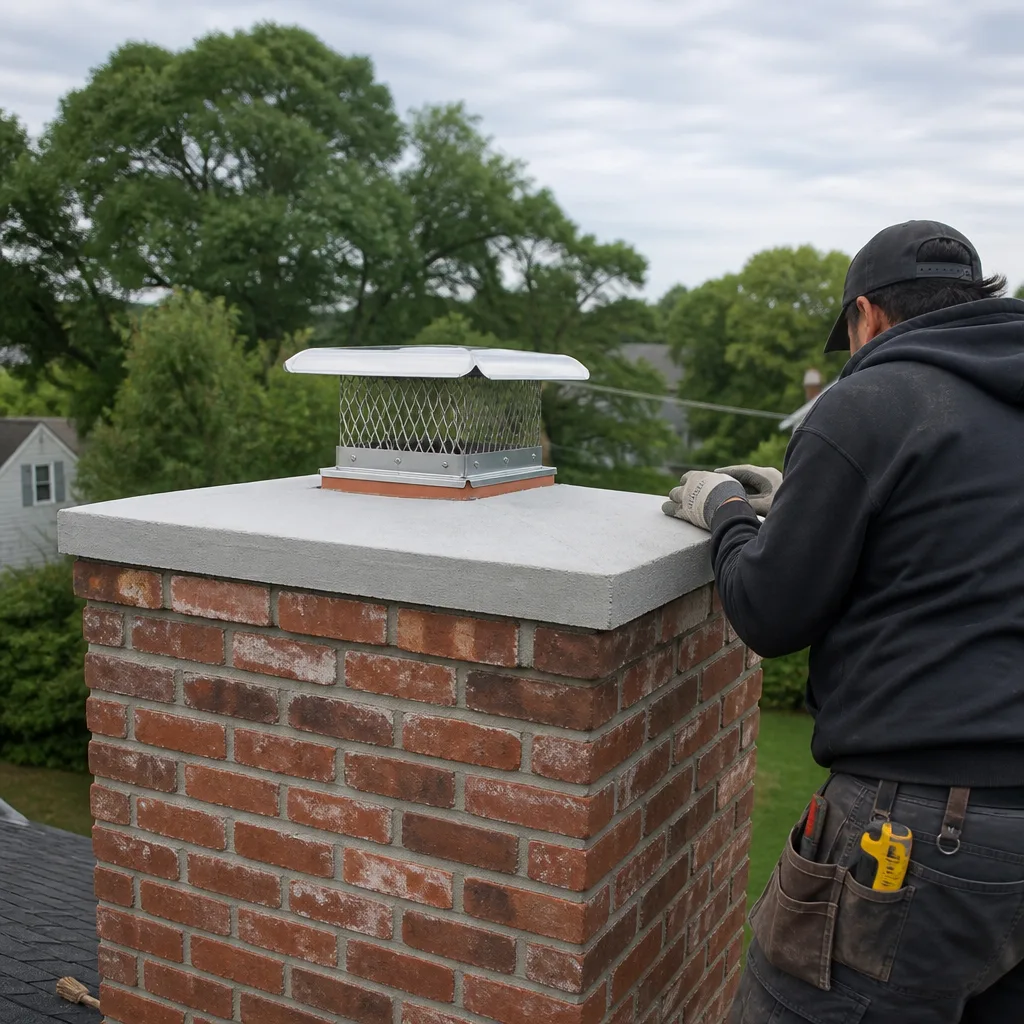 After
After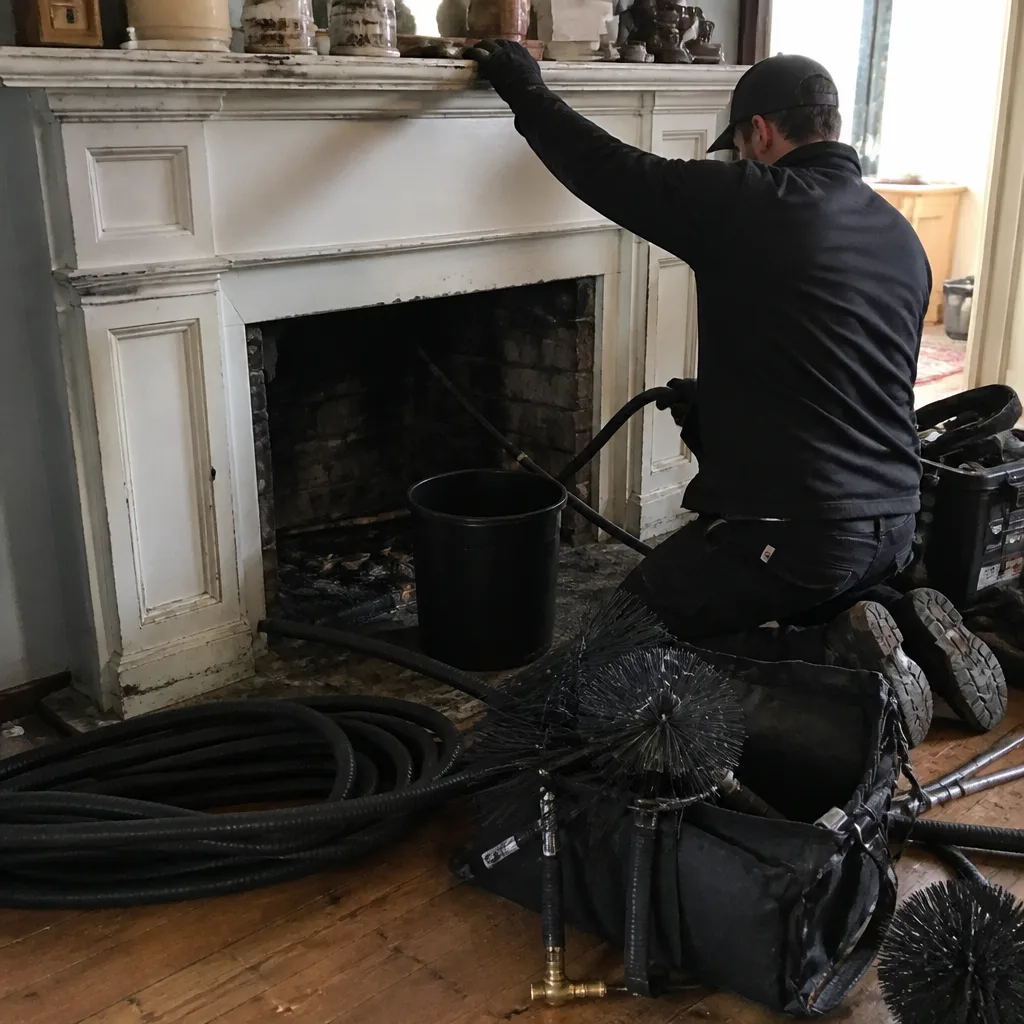 Before
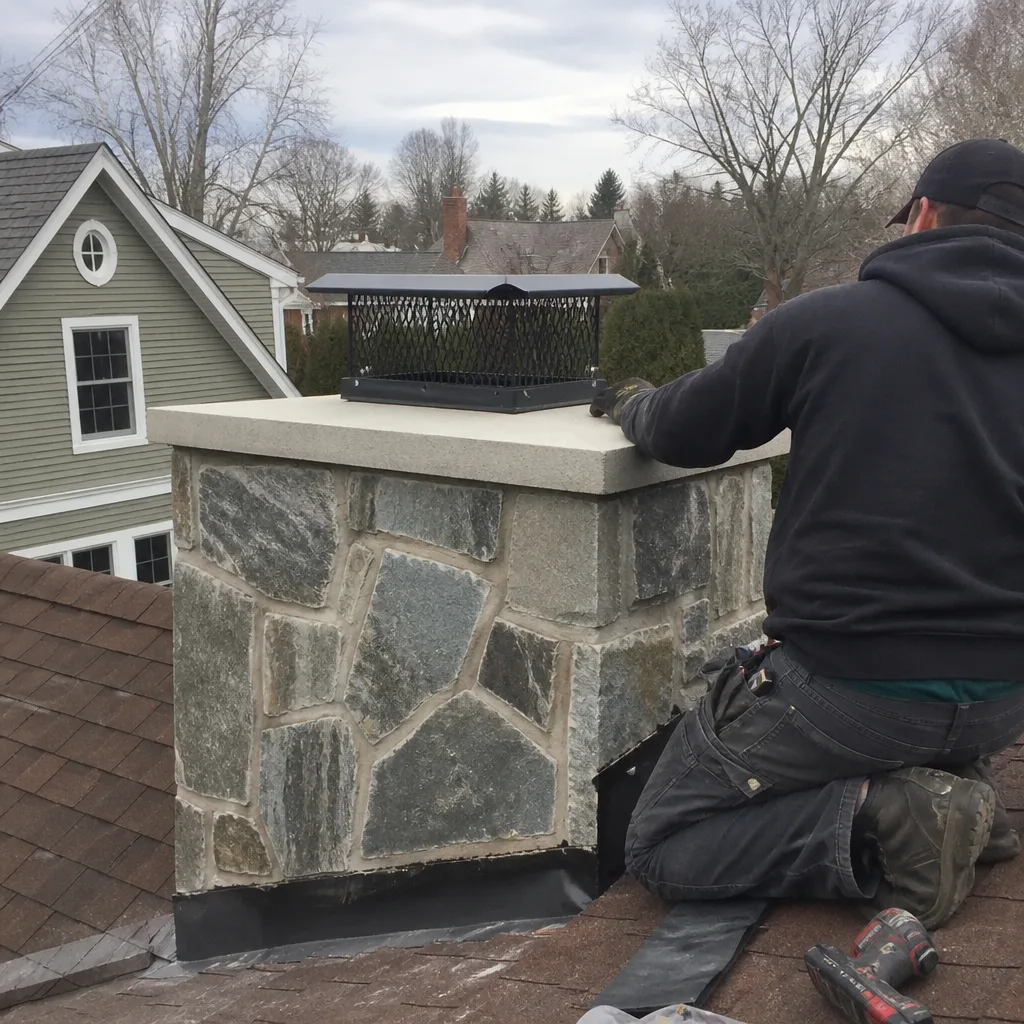 After
AfterHeatShield Fireplace Services in Long Island: What to Know First
HeatShield fireplace service on Long Island typically runs $195-$385 for a sweep and inspection, $450-$1,200 for firebox or damper repairs, and $2,500-$6,500 when a HeatShield liner system needs rebuilding. We’re an independent HeatShield service provider, not a dealer or authorized shop, which means we tell you honestly when a repair will last and when a liner has hit the end of its useful life. Most HeatShield jobs on Long Island are done within two to five business days of your call. If you own a HeatShield fireplace insert or liner system and something’s not working right, call (516) 968-5380 and Wendell Pike will get on the roof himself to look.
What happens when you call
- 1
A real person answersNo phone trees - you reach a local pro.
- 2
You get an upfront price rangeHonest numbers before anyone is dispatched.
- 3
A background-checked tech heads outLicensed & insured, dispatched right away.
- 4
You approve before work beginsNothing starts until you say go.
How HeatShield Products Fail - and How We Fix Them
HeatShield makes ceramic refractory liners and firebox panels, not the metal fireplace itself. That distinction matters, because most “HeatShield problems” we see on Long Island aren’t the HeatShield failing first. They’re the metal firebox behind it rusting out and the HeatShield panels cracking as the unit shifts. Here’s what actually goes wrong and what we do about it.
- HeatShield panel hairline cracks at the firebox seams. The HeatShield ceramic panels are rigid. When the steel firebox expands and contracts through Long Island winters (single-digit cold snaps followed by 40-degree thaws inside the same week), the panels don’t flex the way the metal does. Hairline cracks show up along the seams first. We clean the joint, grind a shallow channel, and re-seal with refractory cement rated for direct flame contact. If the crack runs deeper than a quarter inch, we replace the panel.
- HeatShield liner joint separation in zero-clearance fireplaces. We see this most often in the HeatShield Smoke Chamber and Transition Liner setups installed in mid-2000s zero-clearance units on Long Island’s South Shore. The joints where HeatShield sections meet the flue tile start separating after fifteen-plus years of salt-air humidity. The tell-tale sign is a faint smoky smell in the room even when the damper’s open and the fire’s drawing fine. We re-mortar the joint with HeatShield-compatible refractory and camera-inspect the full run before calling it done.
- HeatShield firebox floor panels crumbling at the grate line. If you burn wood and your grate sits directly on the HeatShield floor panels, the combination of heat cycling and dropped logs beats those panels up from the top down. Homeowners often think the whole fireplace needs rebuilding. Most of the time it’s one or two floor panels. We cut and fit replacements, re-seat the grate with a proper clearance gap, and you’re back burning before the next cold snap.
- HeatShield system installed over an unlined or cracked original flue. This is the one that makes Wendell shake his head. HeatShield is a surface-applied ceramic system, not a structural liner. If the original flue tiles behind it were cracked or missing mortar joints when it went in, the HeatShield coating can’t hold back the creosote and moisture that seep through. On Long Island, where we get real freeze-thaw cycles every winter, that trapped moisture accelerates spalling. We camera the original flue behind the HeatShield before recommending any repair, because the fix usually means installing a proper stainless liner (we work with DuraFlex and Gelco) instead of slapping another coat of ceramic over a failing base.
- HeatShield coating delaminating from the substrate in older inserts. When a HeatShield system was applied over a firebox that still had old glazed creosote or paint residue, the bond was compromised from day one. Years later the coating starts peeling in sheets. We see this in wood-burning inserts across Nassau County where the previous owner rarely swept the chimney. The fix is mechanical removal of the loose coating, proper surface prep, and reapplication. We do it right or we don’t do it at all.
Our HeatShield Fireplace Services Process
Here’s how a HeatShield job goes with us, from first call to final invoice. No surprises, no scope creep, no price changes at the door.
- 1
You call (516) 968-5380. A live person answers, twenty-four hours a day. It may well be Wendell. We ask a few questions about your fireplace and what you’re seeing, then book a time that works.
- 2
We show up and do a camera inspection first. Before any tool comes off the truck, we run a camera through the flue, the firebox, and behind the HeatShield panels. You see the footage. You hear a plain-English verdict. If it doesn’t need fixing, we’ll tell you that first.
- 3
We walk the job with you and agree on a price. The number we quote is the number on the invoice. No trip charge inside our service county. $40 off any repair over $200. Seniors and veterans get 10% off, every time.
- 4
We do the repair with the right parts. For HeatShield work, we use HeatShield-compatible refractory materials and, when replacement panels are needed, we match the original spec. Where a stainless liner makes more sense than patching ceramic, we say so and quote DuraFlex or Gelco honestly.
- 5
We test it hot. Before we leave, we fire the unit up, check the draft, check for any smoke leakage, and re-camera the repair area.
- 6
You get the 90-Day Done Right Promise in writing. If the work isn’t right, one call brings us back. No charge, no debate, no fine print. That’s been the rule since 1999.
What HeatShield Fireplace Services Costs in Long Island
Straight numbers, because that’s how we do business.
- HeatShield fireplace sweep and camera inspection: $195-$285
- HeatShield firebox panel replacement (single panel): $450-$900
- Full HeatShield firebox re-panel and re-mortar: $1,200-$2,800
- HeatShield liner repair / joint re-mortaring (section): $350-$800
- Complete liner replacement with stainless (HeatShield removal + DuraFlex or Gelco install): $2,500-$6,500 depending on flue height and access
What moves the price: roof pitch and height, how many panels need replacing, whether the flue is straight or has offsets, and what the camera shows behind the HeatShield. What doesn’t move it: a number that changes after we arrive. Call (516) 968-5380 and we’ll give you an exact quote. Estimates are free.
Why Long Island Homeowners Call Top Hat Chimney for HeatShield Work
Wendell Pike has worked chimneys across Long Island for years, from the ranch houses in Levittown to the old colonials out near the North Shore. He grew up in San Diego, but the trade was learned hands-on through the construction and building technology program at San Diego Mesa College, then honed over more than a decade of sweeping flues before he ever ran his own truck. Ask anyone on your street. If your HeatShield needs work, they’ll likely point you this way. We install and service HeatShield, DuraFlex, Gelco, Olympia Chimney, Famco, and Copperfield, so when the camera shows your HeatShield is beyond saving and a stainless liner is the better call, we quote you all the options and help you choose without pressure. Background-checked, uniformed, and the same face shows up every time. The 90-Day Done Right Promise is stamped on every job in writing. That’s not marketing talk. That’s how a business runs when the owner lives in the same community and runs into you at the hardware store on Saturday.
FAQs
No. As an independent HeatShield service provider, we work on HeatShield systems with HeatShield-compatible refractory materials and OEM-spec replacement panels. We’re not an authorized dealer and we won’t pretend to be one. What we do is work that holds up, and we document every repair with camera footage so your warranty file stays clean.
In our experience on Long Island, HeatShield ceramic panels typically last 12 to 20 years depending on how hot you burn and how often you sweep. Salt-air humidity and freeze-thaw cycling shorten that lifespan on the South Shore and near the water. The number one variable is creosote: third-degree glazed creosote in contact with HeatShield surfaces accelerates panel failure dramatically. Once a year, burn or no burn. Call (516) 968-5380 to schedule a sweep and camera inspection.
We repair what’s repairable. Most HeatShield panel cracks and joint separations are fixable with refractory cement and proper re-seating. If the steel firebox behind the HeatShield has rusted through or the ceramic has crumbled to the point of structural failure, repair isn’t honest and we’ll tell you so. That’s the difference between us and a shop that sees a HeatShield and smells a big job. We show you the camera footage and let you decide.
HeatShield works in both. We see HeatShield systems in wood-burning fireplaces and inserts most often on Long Island, but gas units with HeatShield refractory panels need servicing too. The failure modes differ: gas units run cooler but more consistently, so the liner degradation is slower, but the acidic condensate from gas exhaust can eat at the mortar joints over twenty-plus years. We service both.
Most HeatShield jobs on Long Island are completed within two to five business days of your call. We’re not a national outfit juggling five counties’ worth of dispatch. Wendell and his crew work Nassau and Suffolk County directly. Call (516) 968-5380 and we’ll give you a real arrival window, and we’ll call if it slips.
Written by Wendell Pike, Owner, Top Hat Chimney at Top Hat Chimney, serving Long Island and nearby areas.