
Level 1 sweep and inspection to the NFPA 211 annual standard - flue, crown, cap, and flashing checked and photographed
Chimney sweep logs do not sweep chimneys. They loosen some creosote - which then falls where a brush and vacuum still have to collect it.
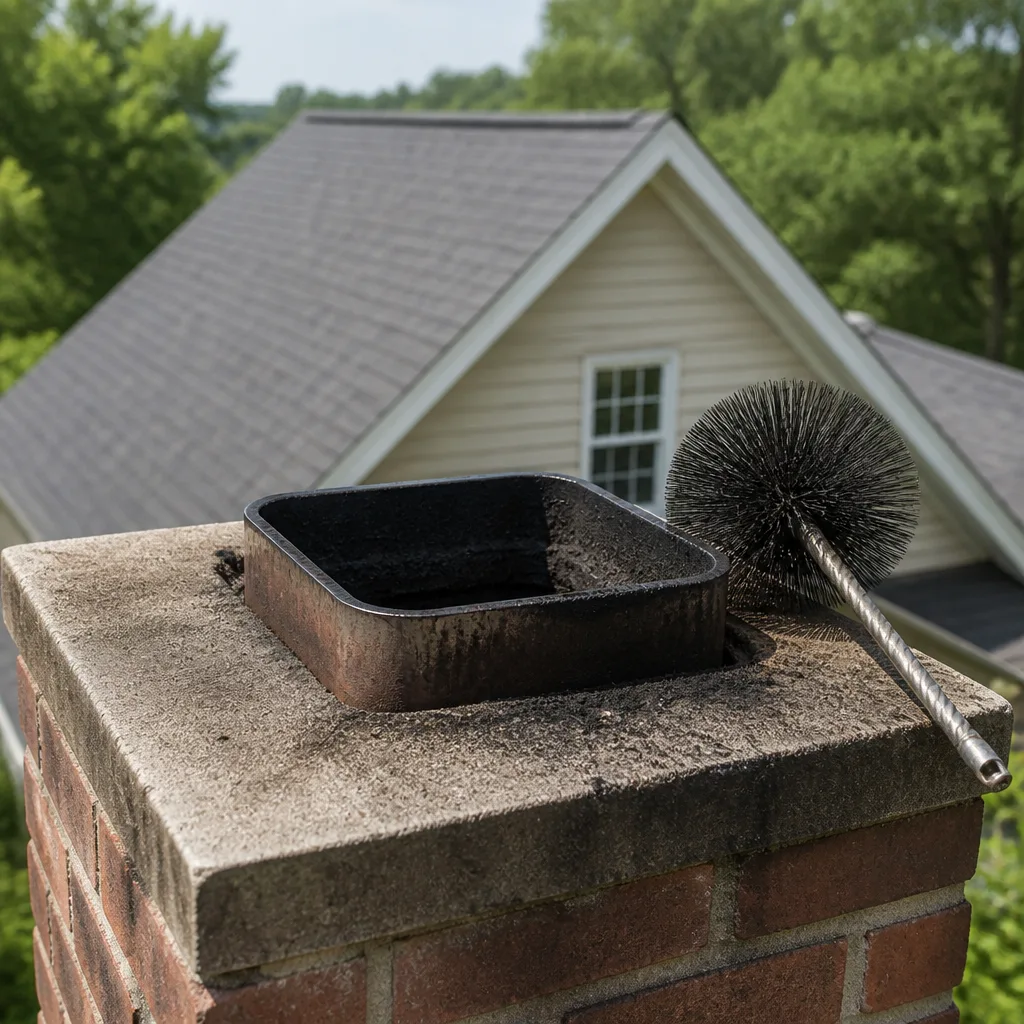
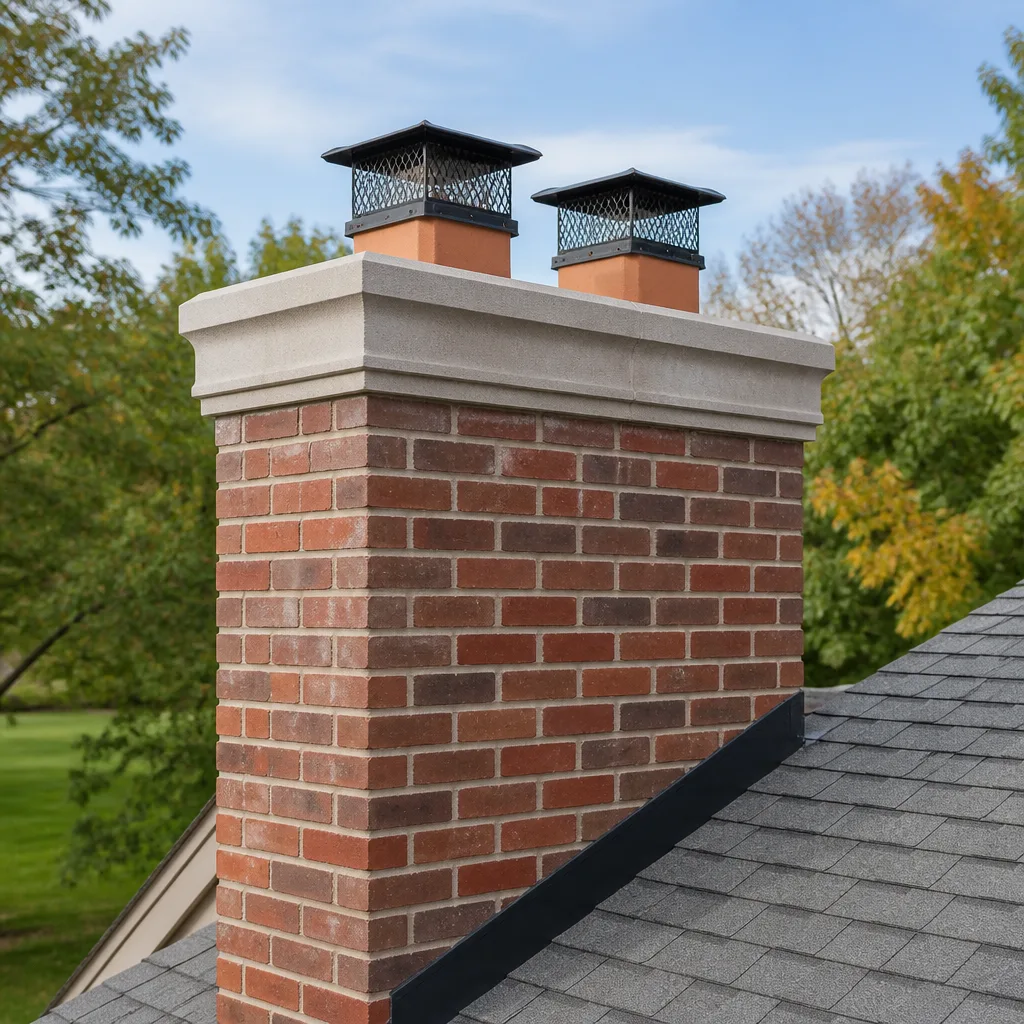
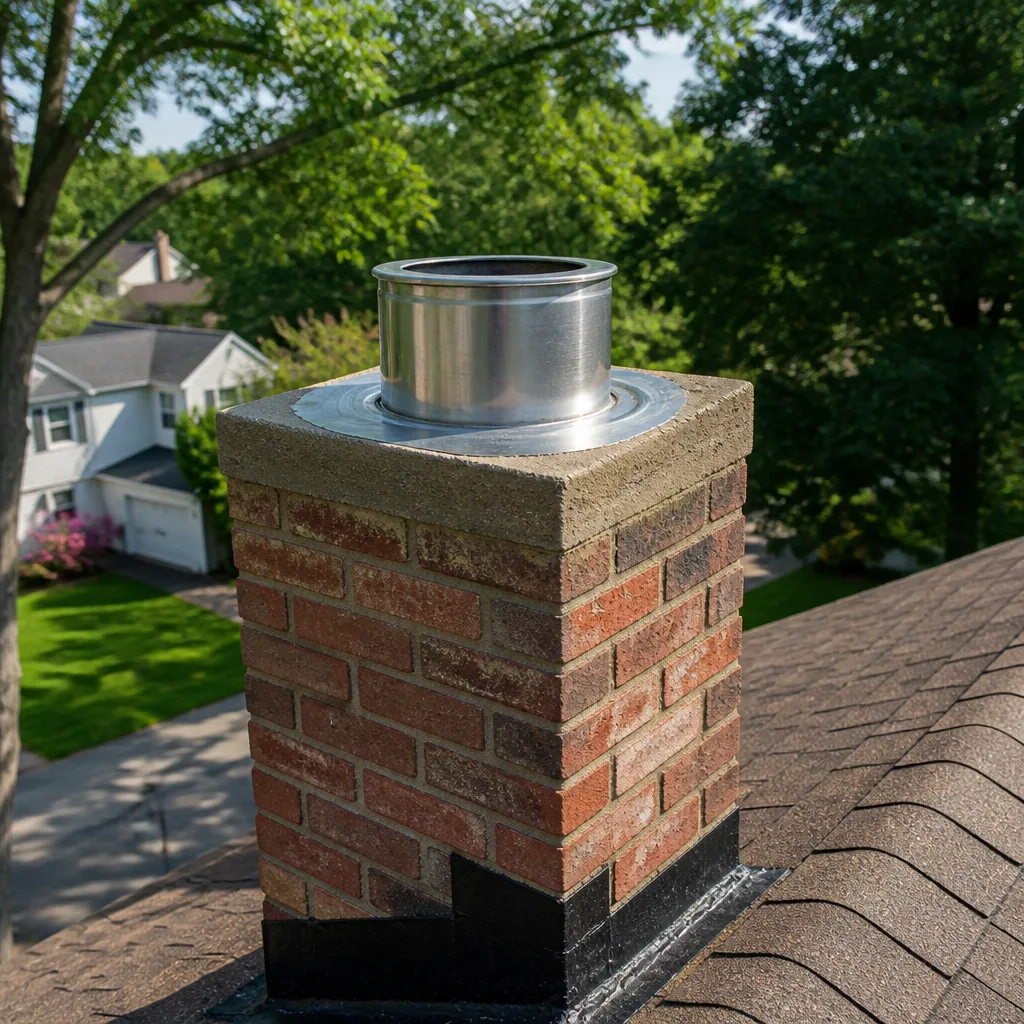
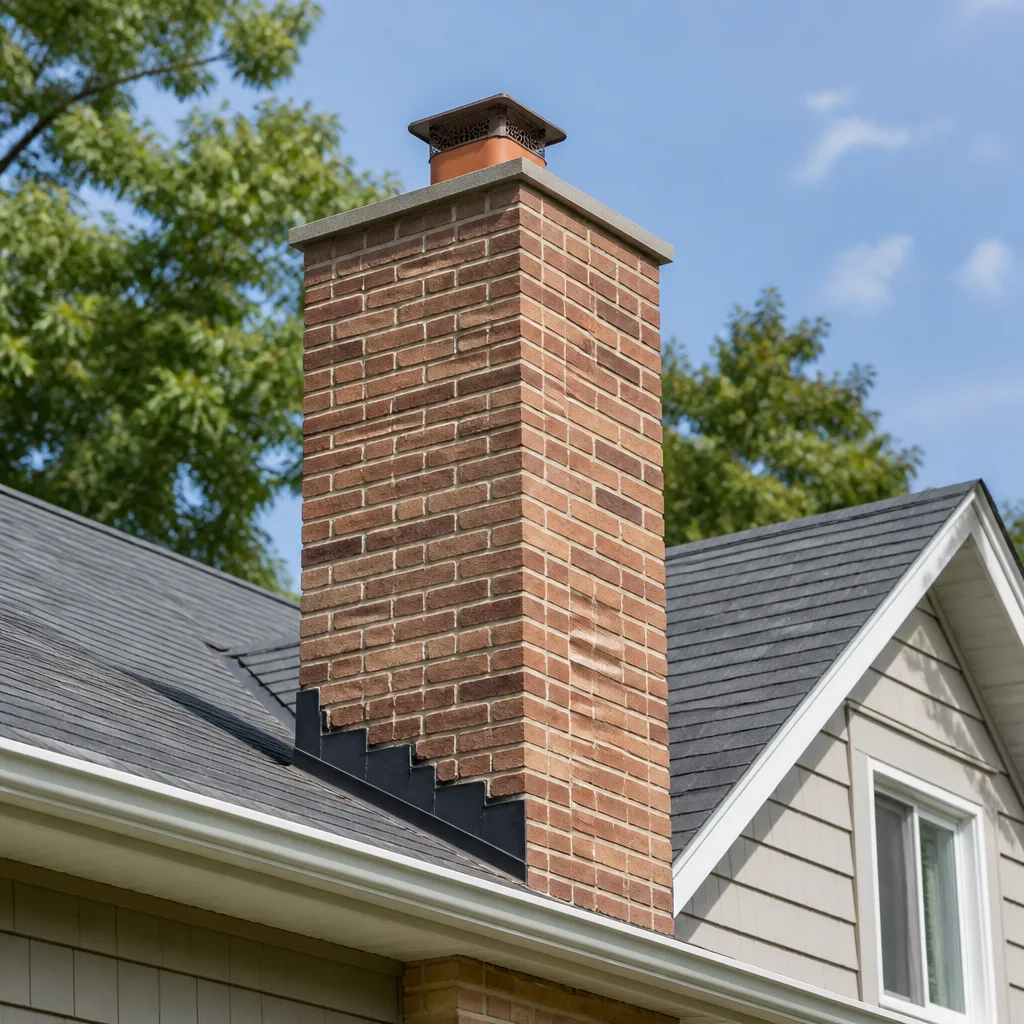
 Before
 After
After Before
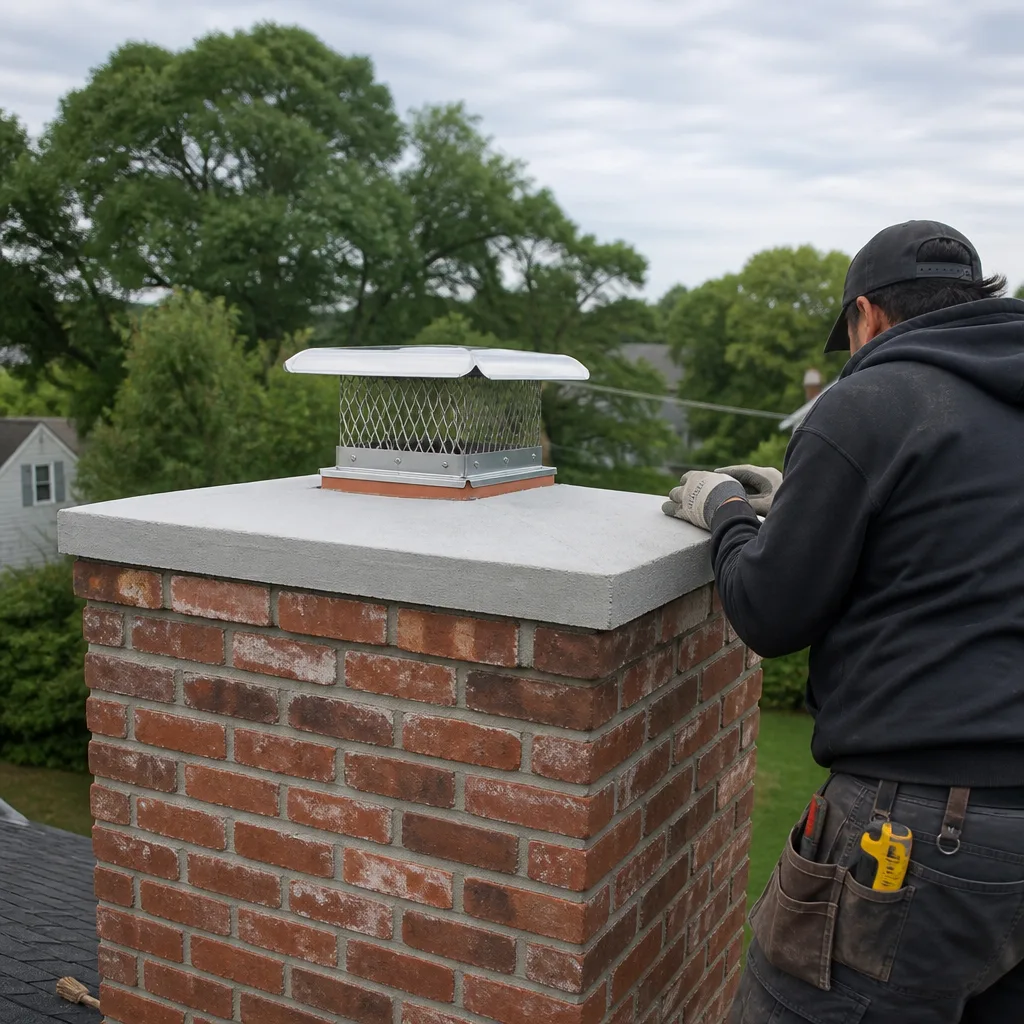 After
After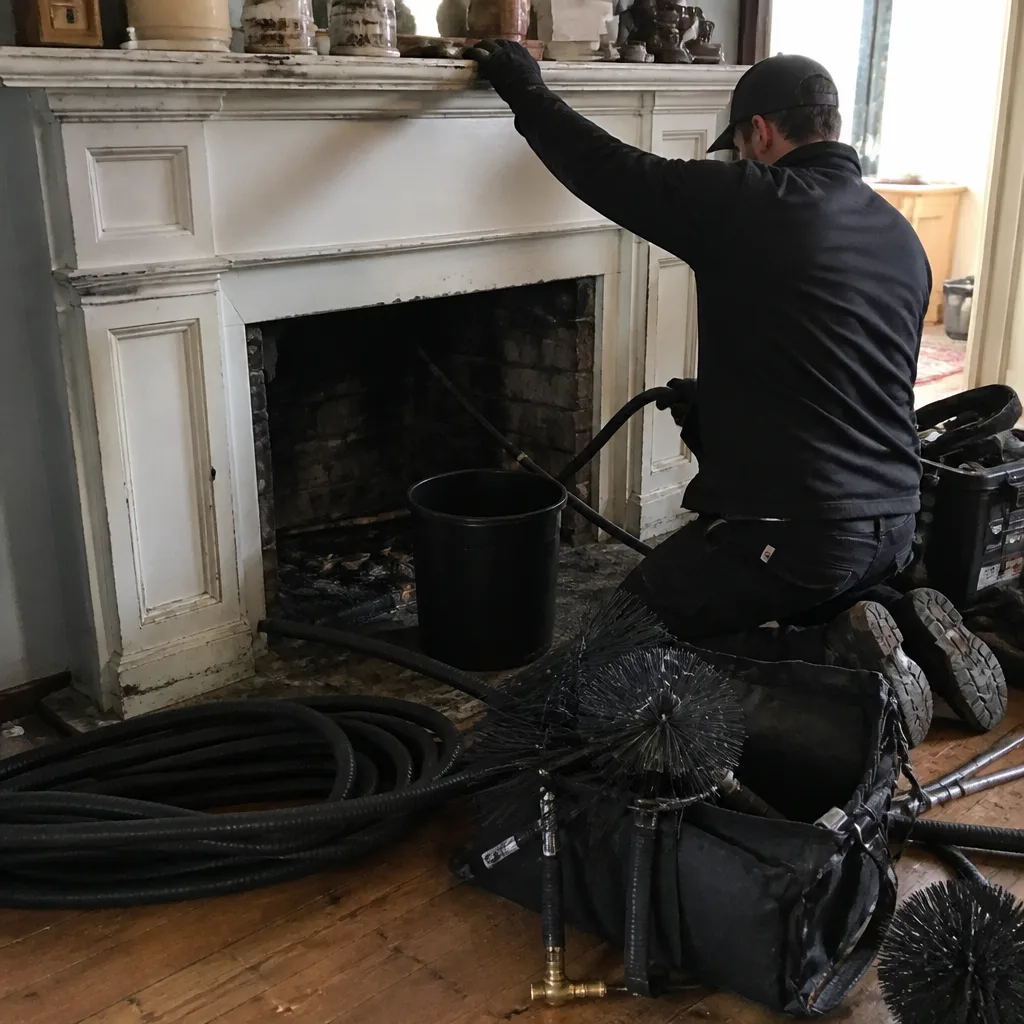 Before
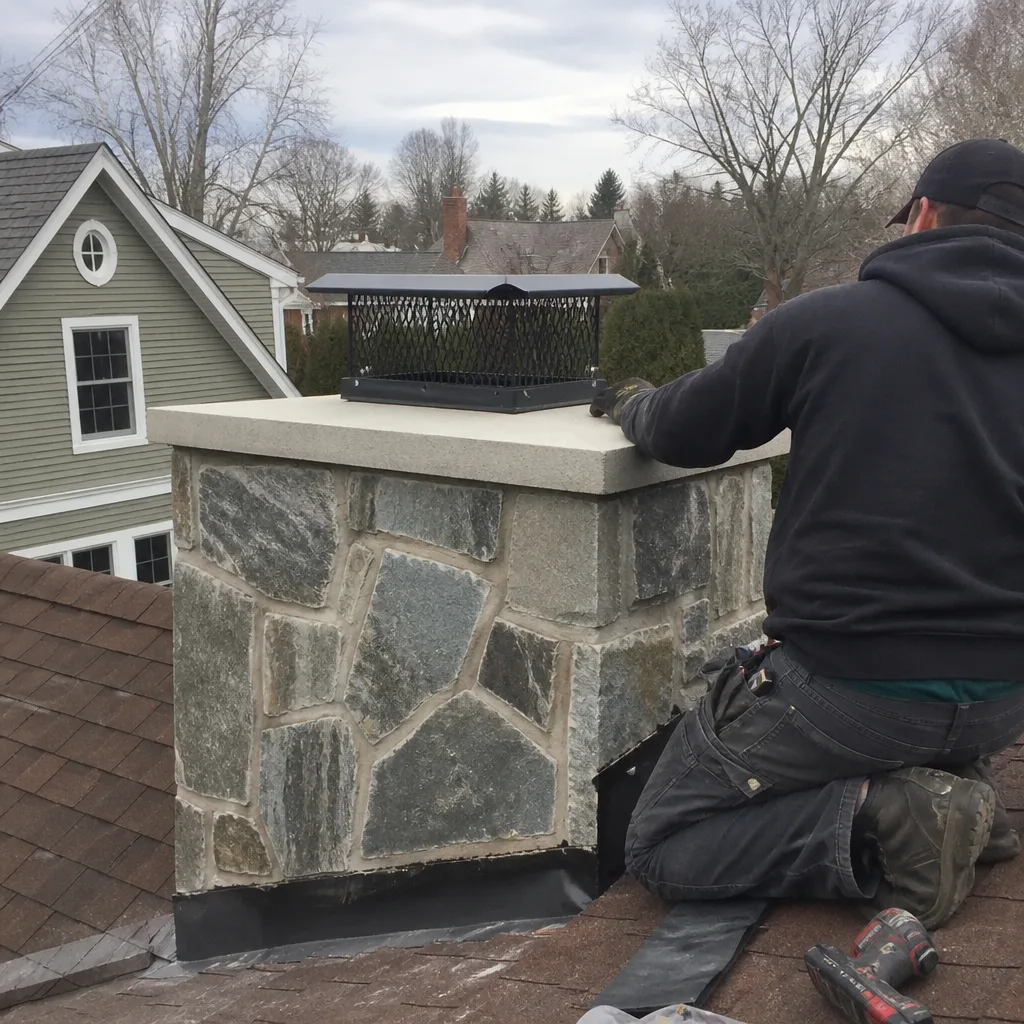 After
AfterHeatShield Flue Liner Replacement: The Long Island Owner’s Guide
HeatShield flue liner replacement on Long Island typically runs $2,400 to $4,800 installed, depending on whether you need a full reline or a sectional repair, and we stock compatible components on the truck for most common HeatShield configurations. Most homeowners find out something’s wrong the same way: a sweep shows them camera footage of cracked ceramic coating, or they notice flaky bits of refractory material collecting in the firebox after a burn. The liner is the part of your chimney doing the real work, keeping heat and combustion gases off the masonry behind it. When it starts to go, the fix is rarely a patch job worth doing.
If you’ve got a HeatShield liner that’s showing its age, here’s what you need to know before you spend a dollar.
Key Takeaways
- HeatShield is a poured ceramic coating system, not a rigid metal pipe, so it fails differently than a stainless liner.
- We stock HeatShield-compatible resurfacing materials and perform the full joint repair process on Long Island.
- Expect to pay $2,400 to $4,800 installed for a typical single-flue HeatShield replacement, with variables explained below.
- You can check a few things from the ground yourself, but the actual repair requires professional equipment and access to the full flue length.
Which HeatShield Models This Applies To
HeatShield isn’t a liner you buy off the shelf in sections. It’s a cerfractory coating, a ceramic and refractory blend that gets applied to the inside of an existing flue with a special pump and a whirling centrifugal head. That matters because the “part number” question works differently here than it does for, say, a DuraFlex stainless liner or a Gelco cap. The HeatShield system comes in a couple of application types: the CeCure sleeve, which is a ceramic-coated fabric tube used when the original flue is badly damaged or missing sections, and the Joint Repair System, which seals gaps and spalled areas between flue tiles. Most Long Island homes with HeatShield work fall into the joint repair category, especially in chimneys built between the 1940s and 1970s in Levittown, Hicksville, and the older colonials out toward Northport and Huntington.
Here’s the compatibility gotcha most owners run into: HeatShield coatings bond to the existing flue tiles. If those tiles are too far gone, too spalled, or the chimney has shifted, pouring more coating over a failing substrate just means you’ll be back in a few years. That’s the OEM-vs-aftermarket question in a nutshell. We install HeatShield where the underlying flue still has good structure. Where it doesn’t, we’ll show you the camera footage and tell you to consider a full stainless reline instead. And no, we don’t make a nickel extra either way, so if we say the HeatShield route is the right one, it’s because it is. Top Hat Chimney is an independent Long Island company, not a HeatShield dealer or franchise, which means our recommendation is based on what your flue actually needs.
Signs Your HeatShield Flue Liner Replacement Is Failing
HeatShield fails differently than a stainless liner. You won’t see rust. You’ll see coating breakdown, and it usually announces itself in one of these five ways.
- Flaky or sandy debris in the firebox after burning. This is the refractory coating delaminating, usually high in the flue where thermal stress concentrates. You’ll see small gray or tan granules that look like coarse sand. That’s liner material, not ash.
- Visible gaps or missing patches on interior flue walls during a sweep. When the coating spalls off, the original clay tile beneath it starts showing. Sometimes a chunk falls away entirely. Camera footage makes this instantly obvious.
- A lingering smoky smell in the house days after a fire. The liner’s job is to contain smoke and gases. A breach in the coating lets combustion byproducts seep into the chimney chase and eventually into the living space. You’ll notice it upstairs first, usually at night.
- Your sweep reports increasing creosote buildup despite no change in burning habits. A roughened, pitted liner surface grabs creosote faster than a smooth one. If you’re suddenly getting third-degree buildup in a chimney that used to burn clean, the liner surface is often the culprit.
- White or gray staining on the chimney exterior, particularly around mortar joints. That’s moisture working its way through. On Long Island, freeze-thaw cycles from November through March push water into the masonry. A compromised liner accelerates the damage because it changes the thermal profile of the flue, and the brick takes the hit.
Replacement Cost & What’s Included
On Long Island, expect a HeatShield flue liner replacement to land between $2,400 and $4,800 for a typical single-flue residential chimney. The spread comes down to three things: flue height, degree of surface preparation required, and whether you need the CeCure sleeve or the joint repair system. A straightforward joint repair in a single-story ranch in Levittown is going to sit at the low end. A two-story colonial in Garden City with a 30-foot flue and heavy spalling will trend toward the top.
Here’s the breakdown of where the money goes:
- Flue prep and cleaning: $250 to $500. The surface has to be absolutely clean or the coating won’t bond. No shortcuts here.
- HeatShield application (labor and equipment): $1,500 to $3,200. This includes the pump setup, the centrifugal applicator, and the time to get full, even coverage floor to crown.
- Materials: $400 to $900. The cerfractory mix, the CeCure sleeve if needed, and associated sealants.
- Camera inspection before and after: Included. Always. You see the flue before we start, and you see the finished result before we pack up.
Every HeatShield replacement we do on Long Island carries our 90-Day Done Right Promise in writing. If the work isn’t right, one call brings Wendell Pike back. No phone tag, no voicemail void, no “that’s a different crew” runaround.
DIY or Call Us?
You can check a few things yourself. Shine a bright flashlight up the flue from the fireplace opening and look for obvious pitting, flaking, or discoloration on the walls. You can also run your hand around the firebox floor the morning after a burn and feel for gritty residue that isn’t just ash. That’s a useful first clue. What you can’t safely do is get on a roof on Long Island in February, run a camera down a 25-foot flue, or apply a cerfractory coating with anything approaching even coverage. The material cures fast and the application window is tight. A homeowner with a trowel and good intentions will spend a weekend making a liner worse and then pay us to undo it. If you are already seeing debris, the coating has failed. That’s a professional job.
Call (516) 968-5380 and we’ll get a sweep out to look at it. We’ll show you exactly what the camera sees, and if it doesn’t need fixing, Wendell will tell you that first.
FAQs
A properly applied HeatShield liner in a well-maintained Long Island chimney typically lasts 20 to 25 years, though the coastal humidity and freeze-thaw cycles in Nassau and Suffolk counties tend to shave a few years off compared to drier inland climates. Annual sweeps and keeping the crown sealed are what get you to the high end of that range. Call (516) 968-5380 and we can assess what kind of lifespan your specific installation is realistically looking at.
Yes, in most cases. If the failure is localized to a couple of spalled sections or a specific band of joint gaps, we can resurface those areas with the HeatShield joint repair system rather than stripping and reapplying the entire flue. The decision comes down to how much of the original coating still has structural integrity. We’ll show you the camera footage and give you a plain-English verdict on repair versus replacement before you spend anything. Call (516) 968-5380 to schedule an inspection.
Most single-flue HeatShield replacements on Long Island take one full day on site, with a second visit the following day for a quick inspection and to confirm the coating has cured evenly. You shouldn’t burn a fire for 24 to 48 hours afterward, depending on humidity. We work with the Weather Channel the same way everyone else on Long Island does: we’ll give you a real arrival window and call if it slips.
We do. Wendell and his crew keep the HeatShield cerfractory mix, CeCure sleeves in the standard diameters, and the joint repair materials on the truck or at our local shop. We also stock parts for DuraFlex and Gelco systems, so when we quote you on a Tuesday, we can usually be back applying the liner by Thursday. That’s the difference between a local operation that’s been here since 1999 and a national outfit that has to ship everything in. Call (516) 968-5380 and ask us directly what we’d need for your chimney.
Written by Wendell Pike, Owner, Top Hat Chimney at Top Hat Chimney, serving Long Island and nearby areas.