

Level 1 sweep and inspection to the NFPA 211 annual standard - flue, crown, cap, and flashing checked and photographed
Chimney sweep logs do not sweep chimneys. They loosen some creosote - which then falls where a brush and vacuum still have to collect it.
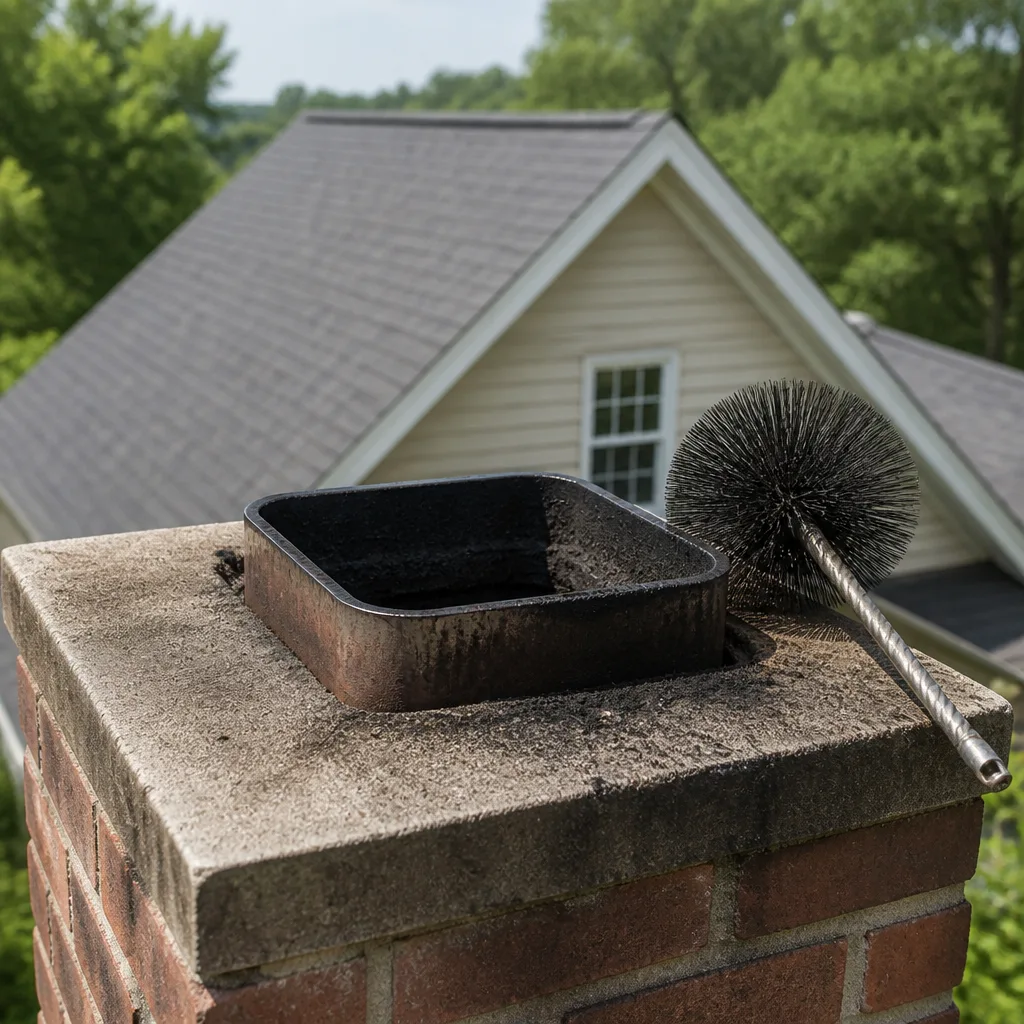
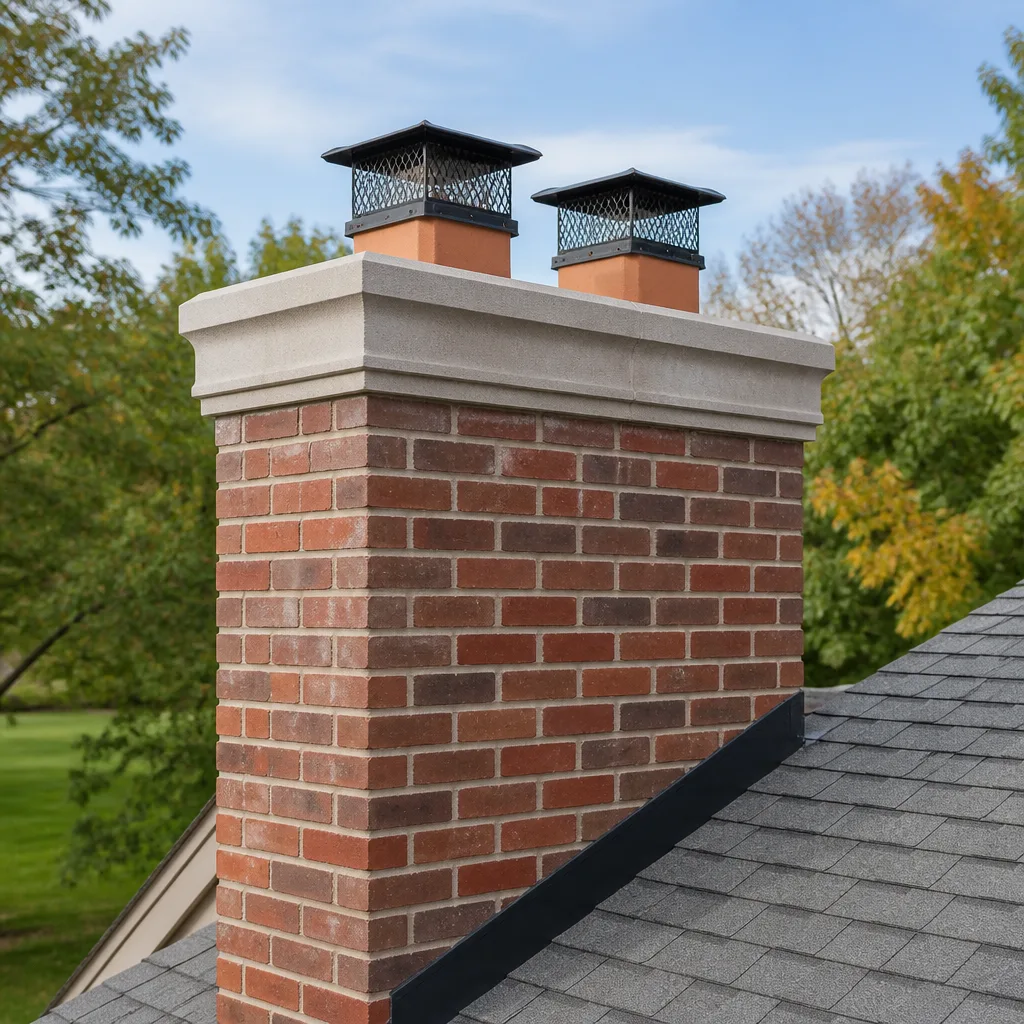
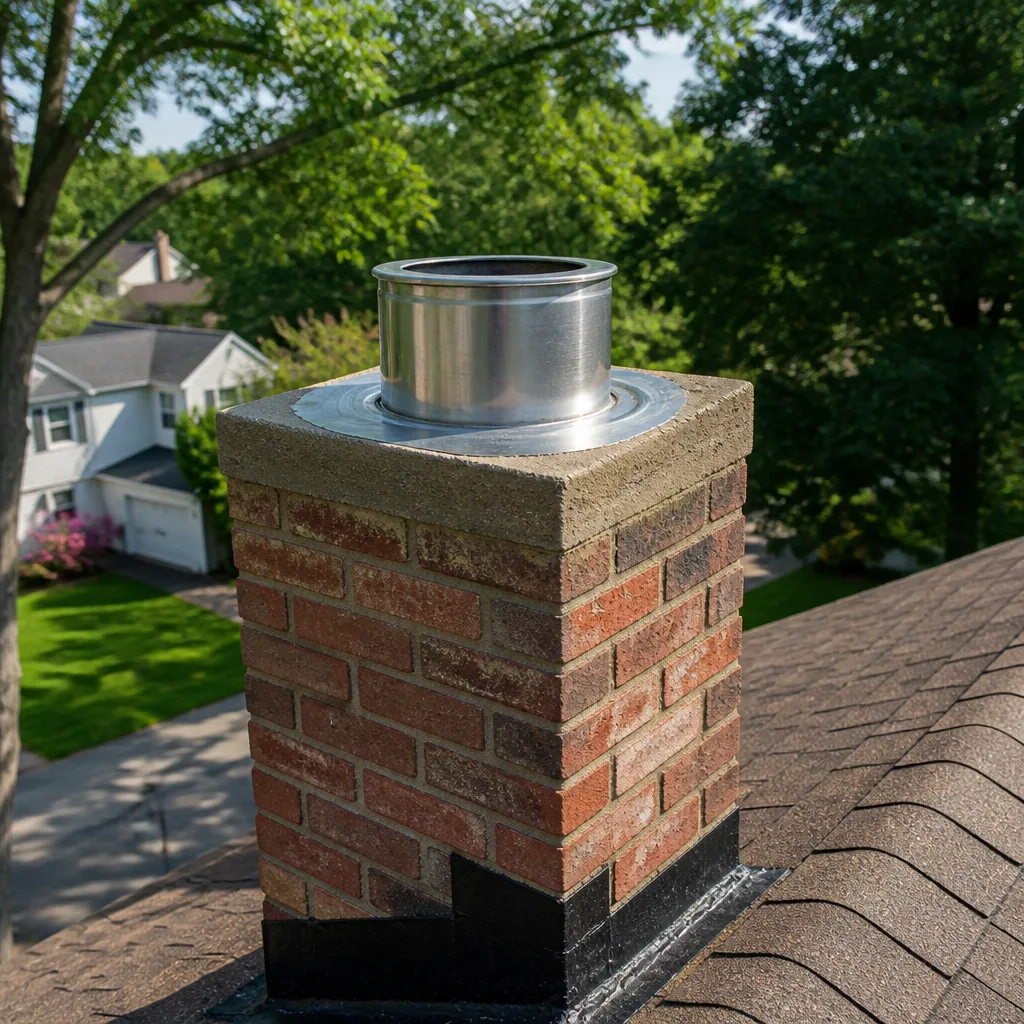
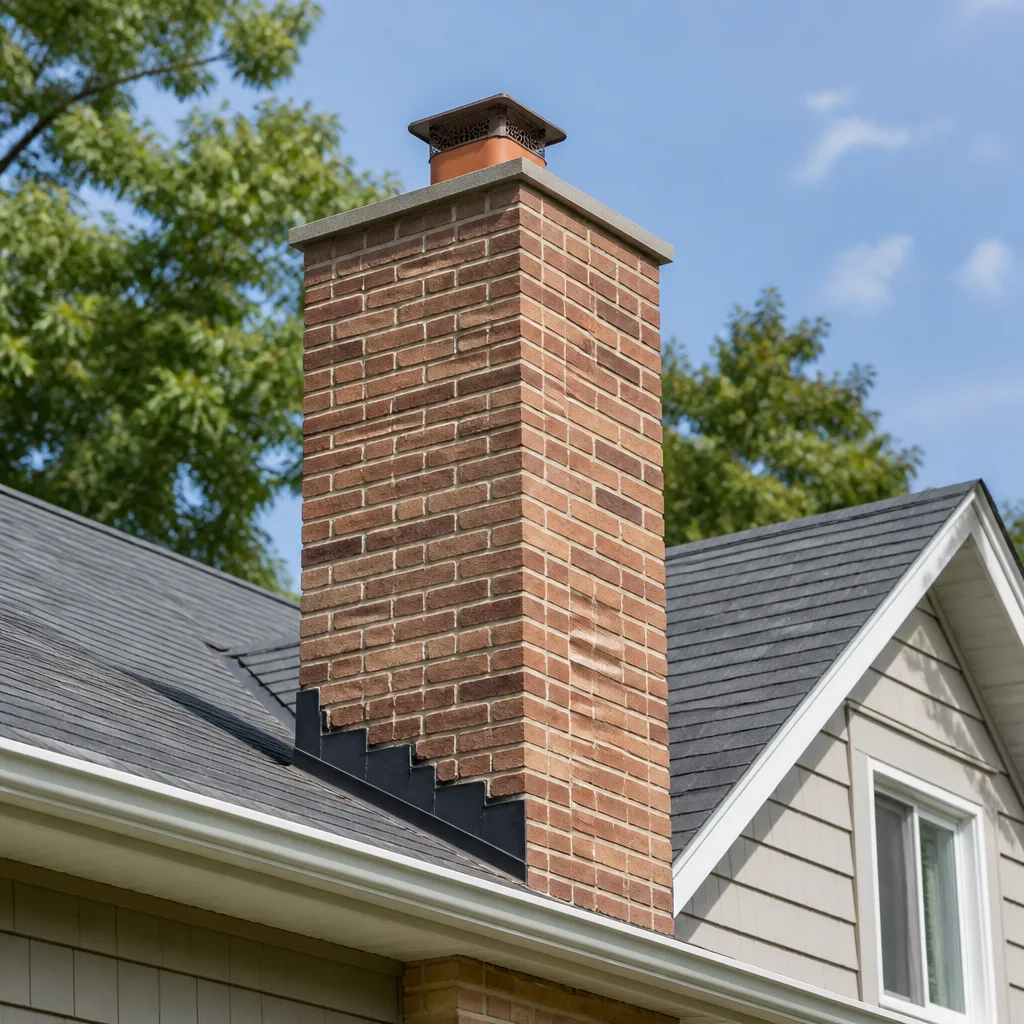
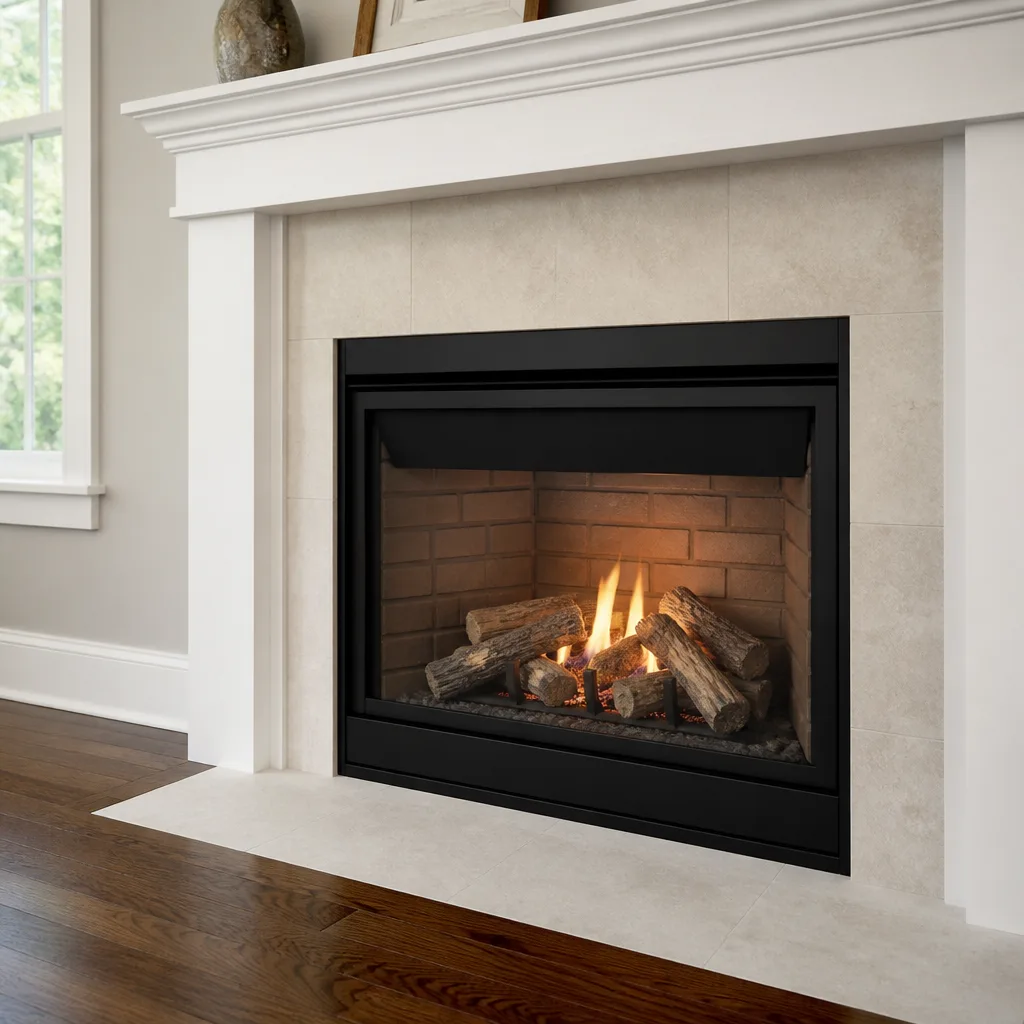
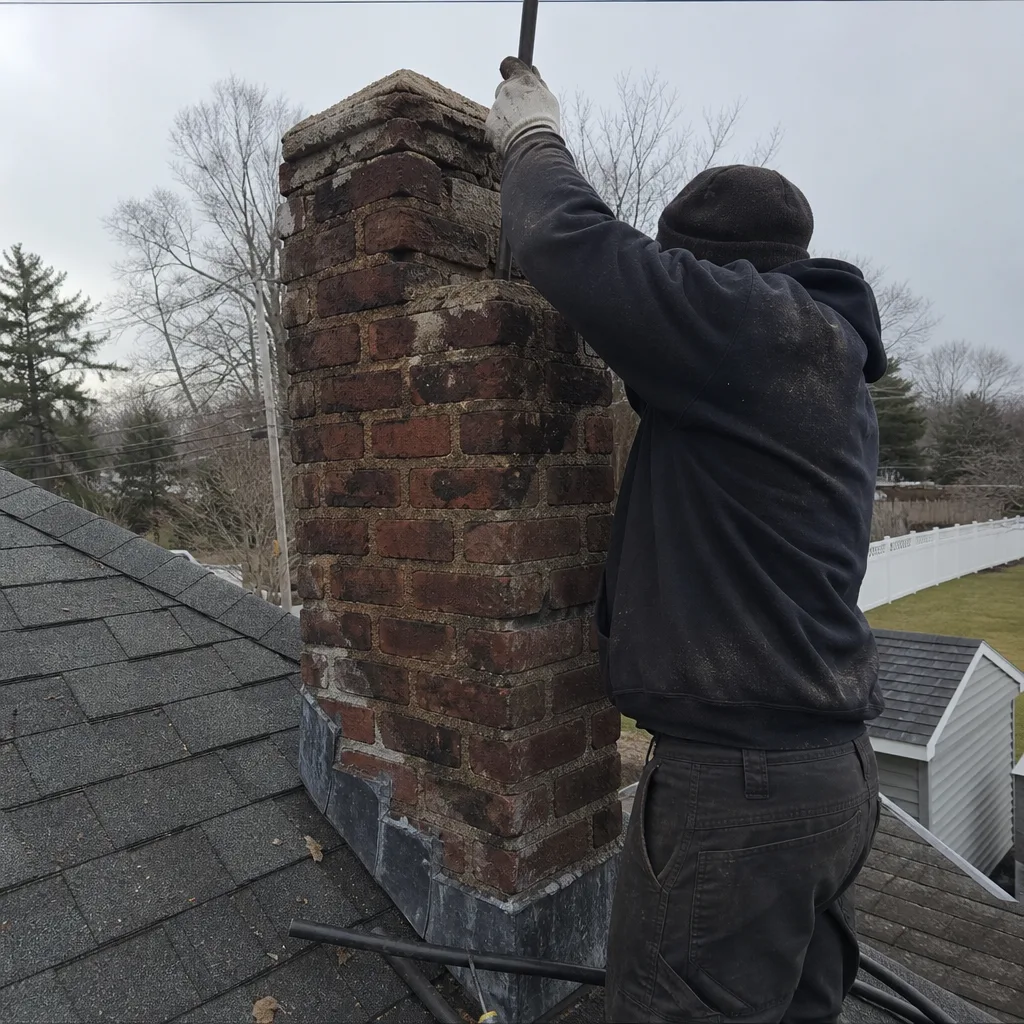 Before
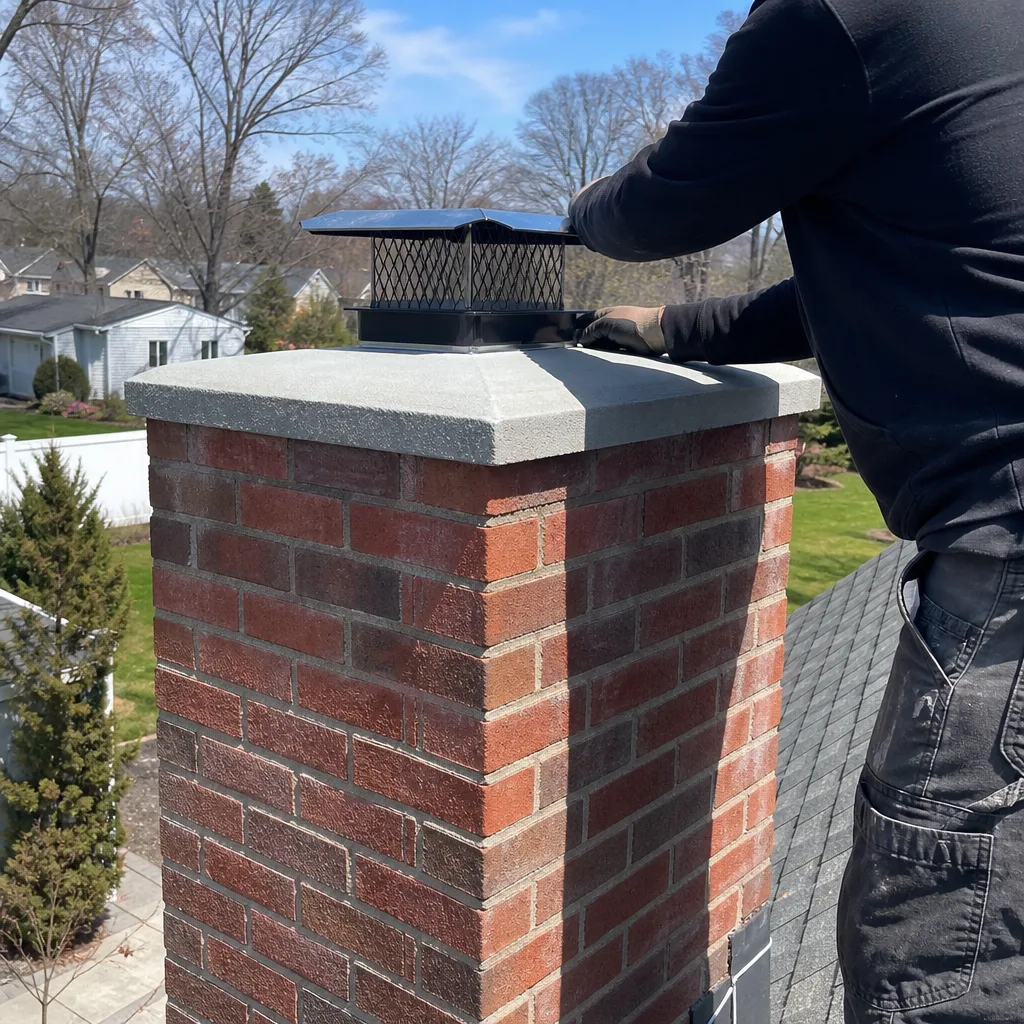 After
After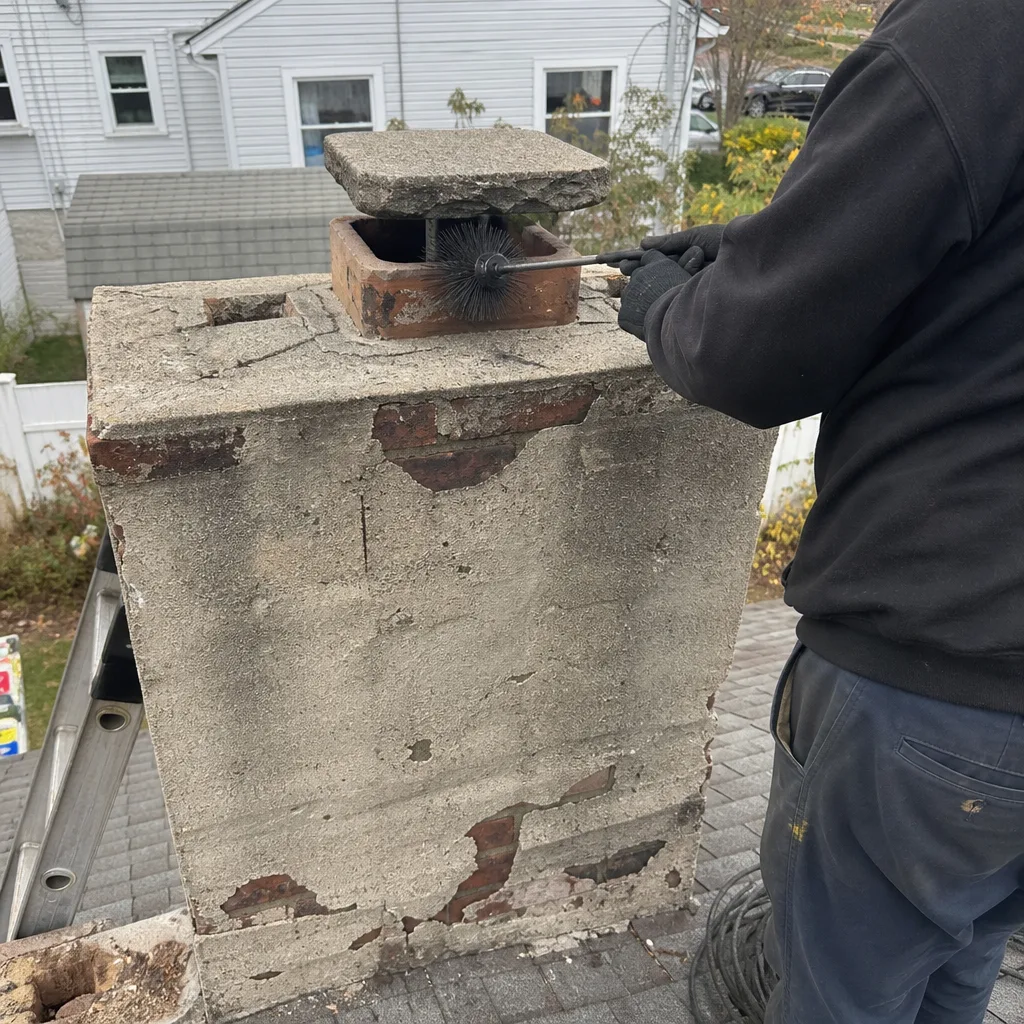 Before
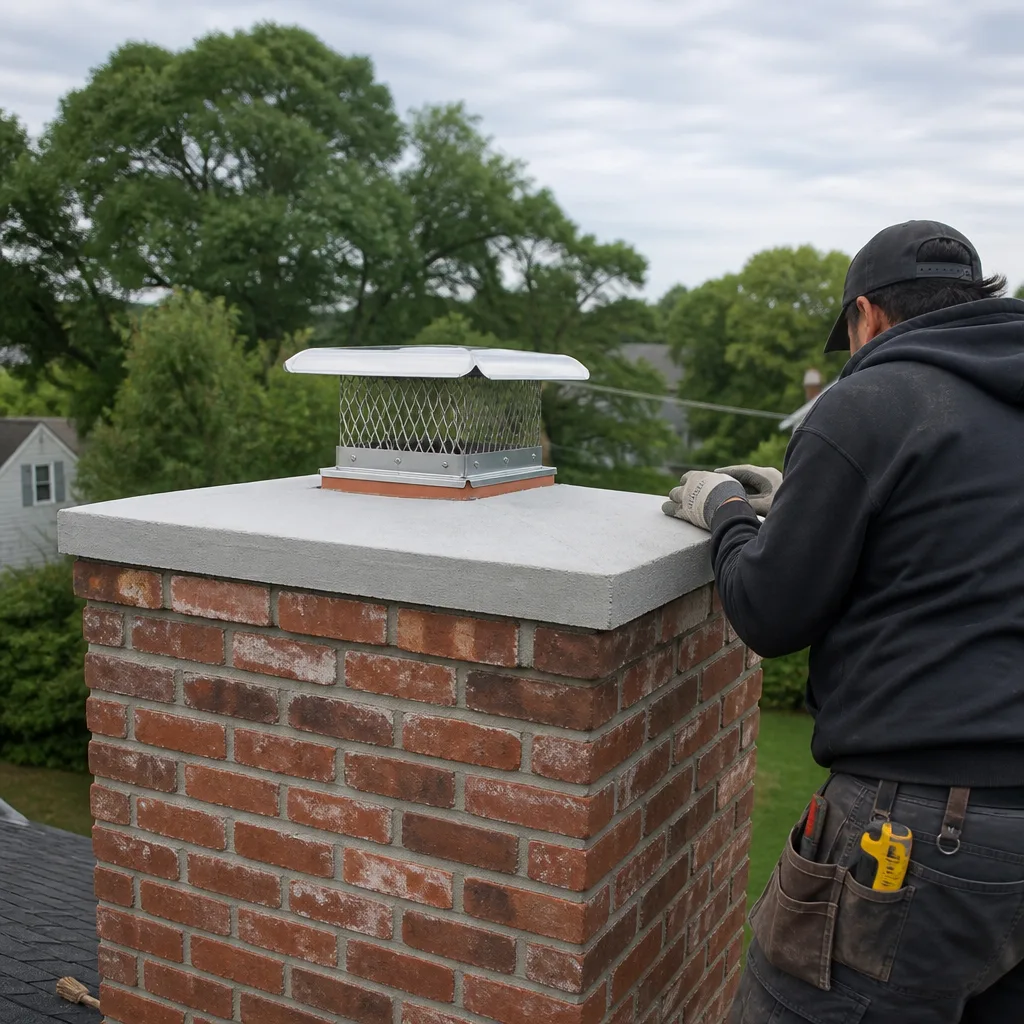 After
After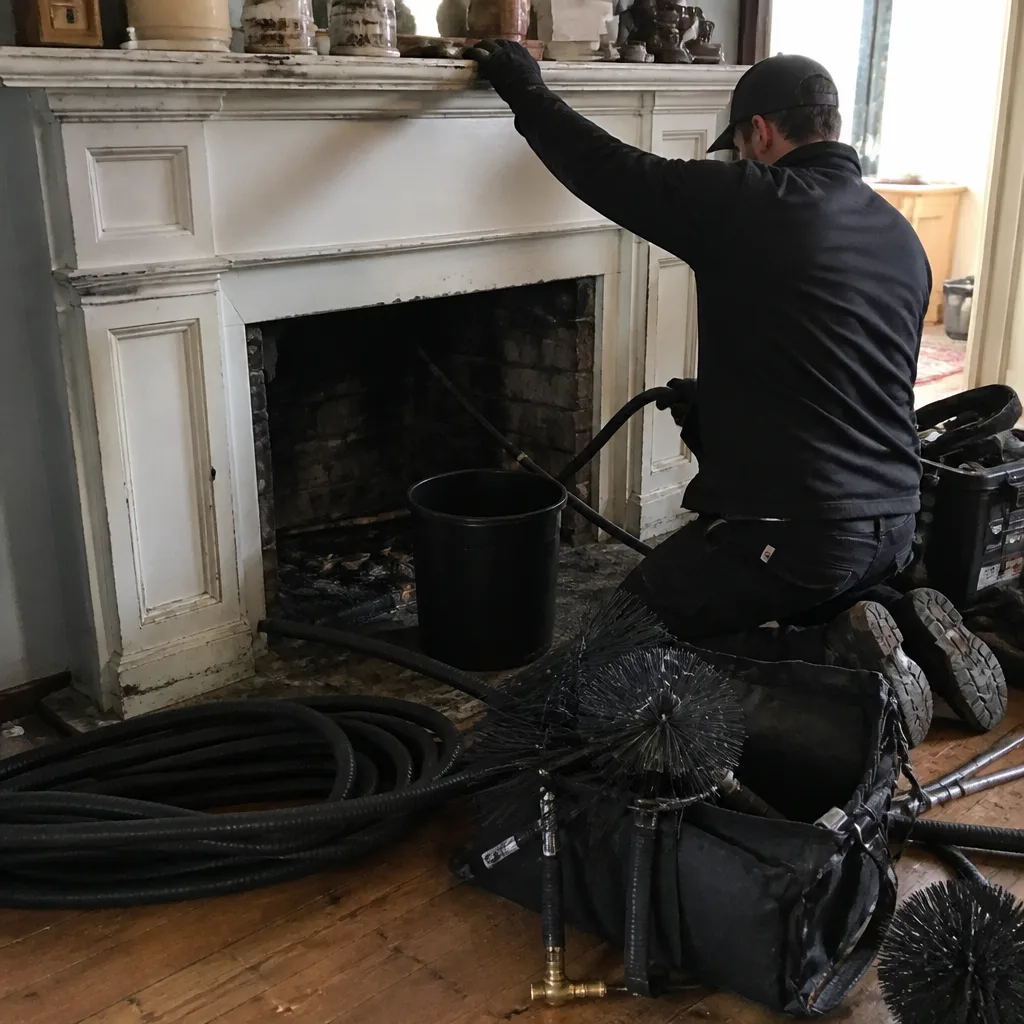 Before
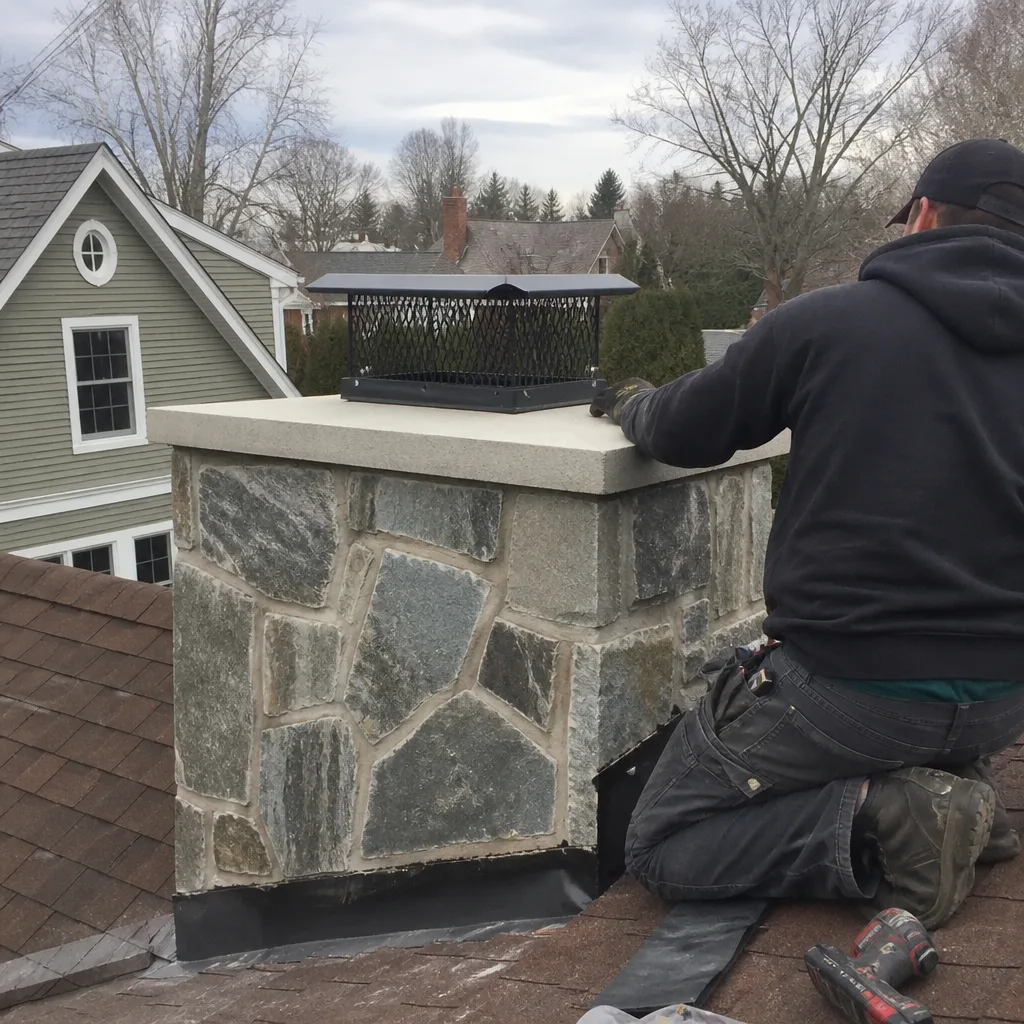 After
AfterCreosote Removal in Long Island, NY
Chimney Cleaning & Sweep services for creosote removal in Long Island typically run $150 to $800 depending on which stage the buildup has reached, how long the flue is, and whether a chemical treatment is needed before a brush can touch it. Most single-flue homes with Stage 1 or Stage 2 buildup land in the $150-$350 range and are handled in a single visit. Stage 3 glaze is a different job entirely – it takes rotary tools, chemical agents, and a second inspection before the flue is safe to use again.
At Top Hat Chimney, Wendell Pike has been pulling creosote out of Long Island chimneys since 1999. If you’ve been burning wood on the South Shore or North Shore and it’s been more than a year since anyone looked at your flue, call us at (516) 968-5380. A live person picks up – not voicemail, not an answering service. Our Chimney Cleaning & Sweep in Long Island service covers the full inspection and sweep, and creosote removal is folded in when it’s needed.
We’ll give you the camera footage and a plain-English verdict before we quote a single dollar of work. The number you hear on the phone is the number on the invoice.
What Creosote Is and Why Long Island Homes Build It Up Fast
Creosote is the byproduct of incomplete combustion. When wood smoke rises through a flue that’s cooler than the fire needs it to be, the unburned gases condense on the tile or liner walls and harden over time. Long Island’s climate – cold, damp winters with frequent temperature swings between November and March – creates exactly the right conditions for fast buildup. A flue that warms up slowly on a 28-degree morning in Smithtown or Patchogue is depositing creosote every time you light a fire.
There are three stages, and the difference between them is significant:
- Stage 1 (first-degree): Loose, flaky soot. A stiff chimney brush knocks it off in one pass. If you’re burning dry hardwood and your flue is the right size for your insert, this is where you want to stay.
- Stage 2 (second-degree): Tar-like, crunchy buildup that looks like black peanut brittle. It sticks to the walls and requires more aggressive brushing, sometimes wire rotary tools. It’s still removable in a standard visit if you catch it before it thickens.
- Stage 3 (third-degree): A hard, shiny glaze baked onto the liner surface. Standard brushes don’t cut it. Chemical treatments like those using HeatShield-compatible prep products are applied first to convert the glaze into a friable crust, then mechanical tools break it down. This is a multi-step job and can take two visits.
First-degree is a brush job. Third-degree is a glaze – catch it early. The longer a Long Island homeowner waits between Fireplace Cleaning visits, the more likely Stage 1 turns into Stage 3, and the more the job costs.
When You Need Creosote Removal
You don’t always know creosote is building up until something goes wrong. Here are the signs that mean it’s time to call:
- It’s been more than 12 months since your last sweep. Once a year, burn or no burn. Chimneys break in the off-season, and creosote doesn’t evaporate over the summer.
- You smell something oily or smoky when the fireplace isn’t in use. That’s classic Stage 2 or Stage 3 creosote off-gassing through masonry, especially common in older Cape Cods and colonials in areas like Babylon and Huntington.
- Smoke backs into the room when you open the damper. Heavy creosote narrows your flue’s effective diameter. A 13×13 flue tile coated with half an inch of glaze can behave like a flue a third smaller.
- You’re burning green or mixed wood. Freshly cut or improperly dried wood produces far more smoke at lower temperatures, which means far more creosote per cord. We see this regularly in areas like Brookhaven and Riverhead where homeowners are burning wood from their own property.
- You’ve had a chimney fire – even a small one. If you heard a low roar or noticed the flue pipe glowing, that’s a creosote fire. Even a minor one changes the texture of any remaining buildup and demands a full inspection before the next use.
- Your liner is a flexible stainless system and you’ve been burning oil-seasoned wood. Flexible liner systems like DuraFlex are built to last, but they accumulate creosote in the corrugations faster than smooth-wall tile if the fuel isn’t clean and dry.
Our Creosote Removal Process
Wendell and his crew follow the same steps every time – no shortcuts, no skipping the camera because the homeowner seems in a hurry.
- Drop cloths and prep work first. The sweep who shows up at your door lays canvas drop cloths across your hearth and any nearby flooring before a single tool comes out. We work in your home; we treat it accordingly.
- Video inspection from the top down. Before anything is disturbed, we run a camera through the full length of the flue. This tells us which stage the creosote is at, where it’s thickest, and whether there are cracks or damage underneath that need addressing. You see what we see.
- Stage 1 and 2 removal with professional rotary equipment. For most Long Island homes with annual or near-annual sweeping histories, this is the whole job. We work from the firebox up and from the crown down, pulling all loose and crunchy material into a contained vacuum setup. No mess in the house.
- Stage 3 chemical treatment when required. If the camera shows glaze buildup, we apply a creosote-converting agent that changes the molecular structure of the hardened material over a burn or two. On the follow-up visit, the converted crust is brushed and vacuumed out. We’ll never just brush over a glazed flue and hand you a receipt – that’s the move a national outfit makes when they’re running behind schedule.
- Post-removal inspection and liner check. Once the flue is clean, we run the camera a second time. This is when liner damage sometimes shows up that was hidden under buildup. If we find it, we tell you plainly – camera footage included – what it is and what it’ll take to fix it.
- Clean up, then the plain-English verdict. We remove everything, bag the debris, and walk you through what we found. If nothing else needs doing, we’ll say so. If something does, you get an upfront number before any work starts.
Creosote Removal Pricing in Long Island
Pricing on Long Island is affected by a handful of real variables: how severe the buildup is, how many flues are involved, what access to the crown looks like (a two-story chimney on a steeply pitched roof in Oyster Bay costs more to set up than a single-story ranch in Medford), and whether chemical treatment is required on top of mechanical removal.
| Creosote Stage | Typical Cost Range (Long Island) | Notes |
|---|---|---|
| Stage 1 – Standard sweep with light creosote | $150 – $250 | Included in annual chimney cleaning |
| Stage 2 – Heavy flaky or crunchy buildup | $200 – $400 | Rotary tools, longer labor time |
| Stage 3 – Glazed/hardened (single visit) | $350 – $600 | Chemical treatment plus mechanical removal |
| Stage 3 – Multi-visit treatment | $500 – $800+ | Two visits, chemical conversion plus follow-up sweep |
| Additional flue (same visit) | Add $75 – $150 | Common in older two-fireplace Long Island homes |
If your repair total comes to more than $200, take $40 off. That’s a standing offer, no coupon required. Seniors and veterans always get 10% off. There’s no trip charge for calls inside our service county.
We also offer a free second opinion on any written estimate you’ve already received. If another outfit quoted you Stage 3 removal and you want a second set of eyes, call (516) 968-5380 – estimates are free and there’s no obligation.
Key Takeaways on Creosote Removal Pricing
- Stage 1 is almost always bundled into a standard annual sweep at no added cost.
- Stage 3 glaze is the job that surprises homeowners – don’t wait until the smell gets through the masonry.
- Chemical treatment adds cost but skipping it on a glazed flue creates a fire hazard, not a savings.
- All prices are given upfront – the number you hear before we start is the number on the invoice.
FAQs – Creosote Removal in Long Island
How often do Long Island homeowners need creosote removal?
Once a year is the standard – the National Fire Protection Association (NFPA 211) recommends annual Level 1 Inspection and cleaning for any chimney in active use. On Long Island, where many homes run wood-burning fireplaces through four to five months of heating season, that annual visit is non-negotiable. If you’re burning more than two cords a year or you’re using an insert with a smaller flue connector, twice a year is smarter. Call us at (516) 968-5380 and we’ll tell you honestly what the camera shows – no upsell, just the facts.
Can I remove creosote myself?
Stage 1 – loose, dusty soot on an easily accessible flue – can be brushed by a careful homeowner with the right equipment and a solid chimney brush that fits the flue size. Stage 2 and Stage 3 are a different matter. Stage 3 glaze requires chemical conversion agents and mechanical rotary tools, and working on a roof or inside a two-story flue without the right safety setup causes injuries every season on Long Island. Beyond the physical risk, DIY brushing on glazed creosote can dislodge chunks that land in the firebox and reignite. Our position: watch a video on Stage 1, call a sweep for anything else.
What causes creosote to build up faster in some Long Island homes?
The two biggest drivers we see across Long Island are unseasoned wood and undersized flues. A cord of green oak or maple – common in wooded areas like Ridge and Manorville – burns cooler and wetter than properly dried hardwood, and that cool smoke condenses fast in a cold flue. Flue sizing matters too: a fireplace that was designed for a 13×13 clay tile and was later connected to a metal insert with a 6-inch liner collar creates a mismatch that drops flue temperatures and feeds Stage 2 buildup quickly. Wendell has seen this setup dozens of times in post-war ranches across Nassau and Suffolk counties.
Is creosote removal covered by homeowners insurance?
Standard homeowners insurance in New York does not cover routine creosote removal – that’s considered maintenance, not damage. However, if a creosote fire damages the liner or surrounding masonry, the repair costs may be claimable depending on your policy. We can document conditions and provide written findings that support an insurance claim if the situation calls for it. Call (516) 968-5380 and ask Wendell directly – that’s a conversation worth having before you file anything.
Why Long Island Homeowners Call Top Hat Chimney for Creosote Removal
There’s a particular kind of frustration that comes from calling a chimney company and having no idea who’s going to show up at your door. Wendell started Top Hat Chimney in 1999 for exactly that reason – Long Island already had enough outfits that quoted one number on the phone and showed up with a higher one on the invoice. Twenty-six years later, that hasn’t changed over at those places, but the alternative is still here.
Every job – every single one – is backed by the 90-Day Done Right Promise. If the work isn’t right, one call brings us back at no additional cost. That’s in writing on every invoice. Not a verbal promise, not a vague satisfaction policy. In writing.
Wendell puts his name on the work. You can look him up, verify the license, and you may well run into him on Saturday. That’s the point. The national outfits rotated in last spring and won’t be here next year. We’ve been on Long Island since the Clinton administration, and we’ll be here when your kids inherit the house.
We work with trusted products like HeatShield for liner restoration and Copperfield for professional-grade sweeping supplies – not generic off-brand equipment, and never a substitute product sold as something it isn’t.
If you want to learn more about the full scope of what a visit involves, the Top Hat Chimney home page lays it out plainly. And if you’re still deciding whether a cleaning or a creosote removal is what you actually need, the details live on our Chimney Cleaning & Sweep in Long Island page.
Schedule Your Creosote Removal in Long Island
Call (516) 968-5380 and a live person picks up – day or night, weekday or weekend. Tell us what you’re seeing, when you last had the flue swept, and what you’re burning. We’ll give you a straight answer and an upfront price before anyone touches a tool. No trip charge inside the county, $40 off any repair over $200, and 10% off always for seniors and veterans. If you’ve already got a written estimate from someone else, bring it – the second opinion is free.
Your flue doesn’t care how the fire looks. It cares how it breathes.
Written by Wendell Pike, Owner at Top Hat Chimney, serving Long Island since 1999.