

Level 1 sweep and inspection to the NFPA 211 annual standard - flue, crown, cap, and flashing checked and photographed
Chimney sweep logs do not sweep chimneys. They loosen some creosote - which then falls where a brush and vacuum still have to collect it.
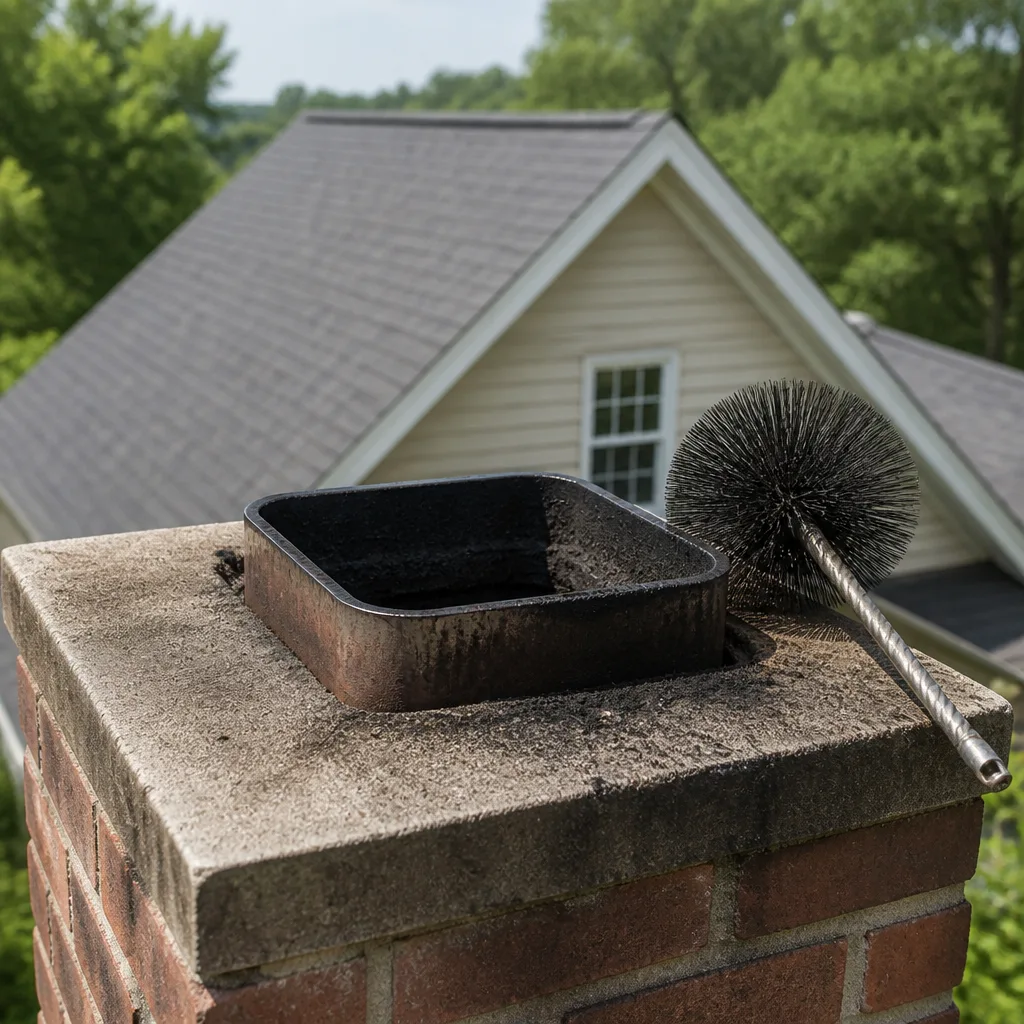
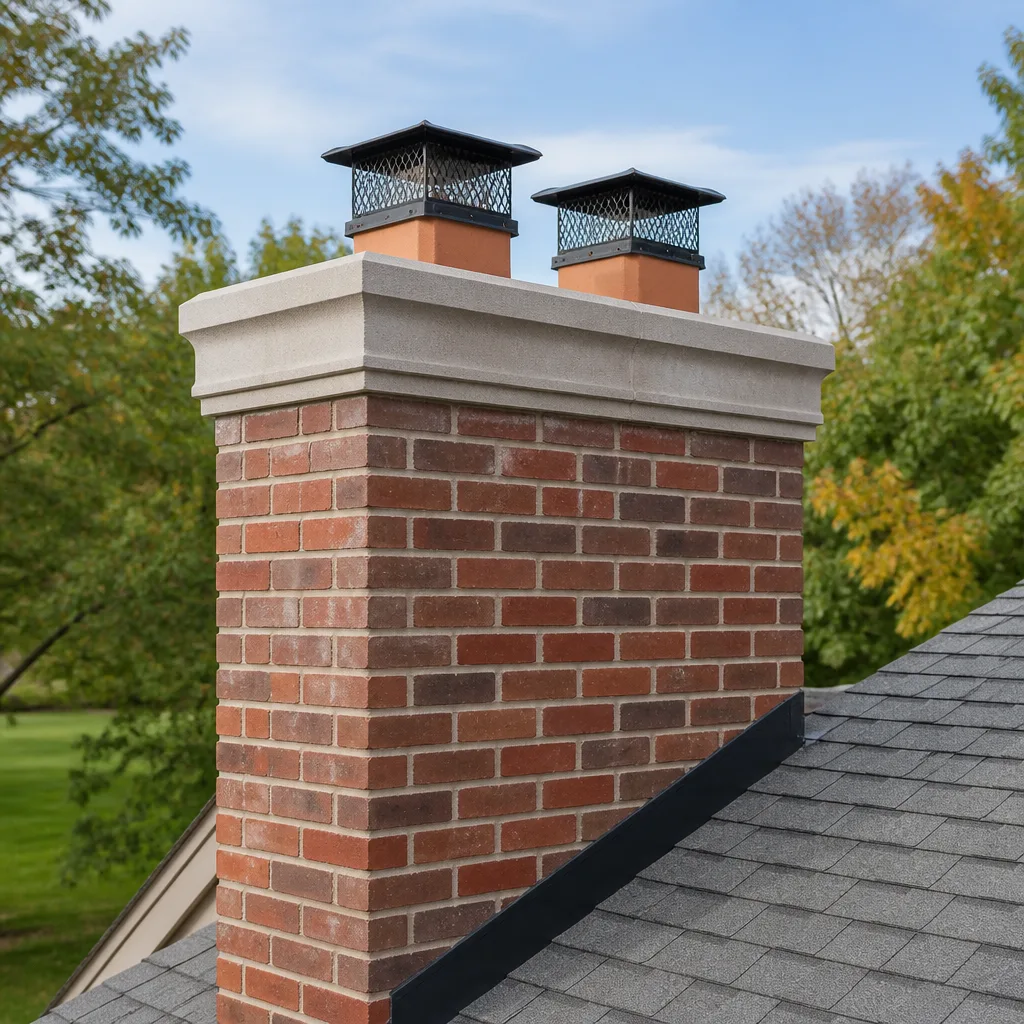
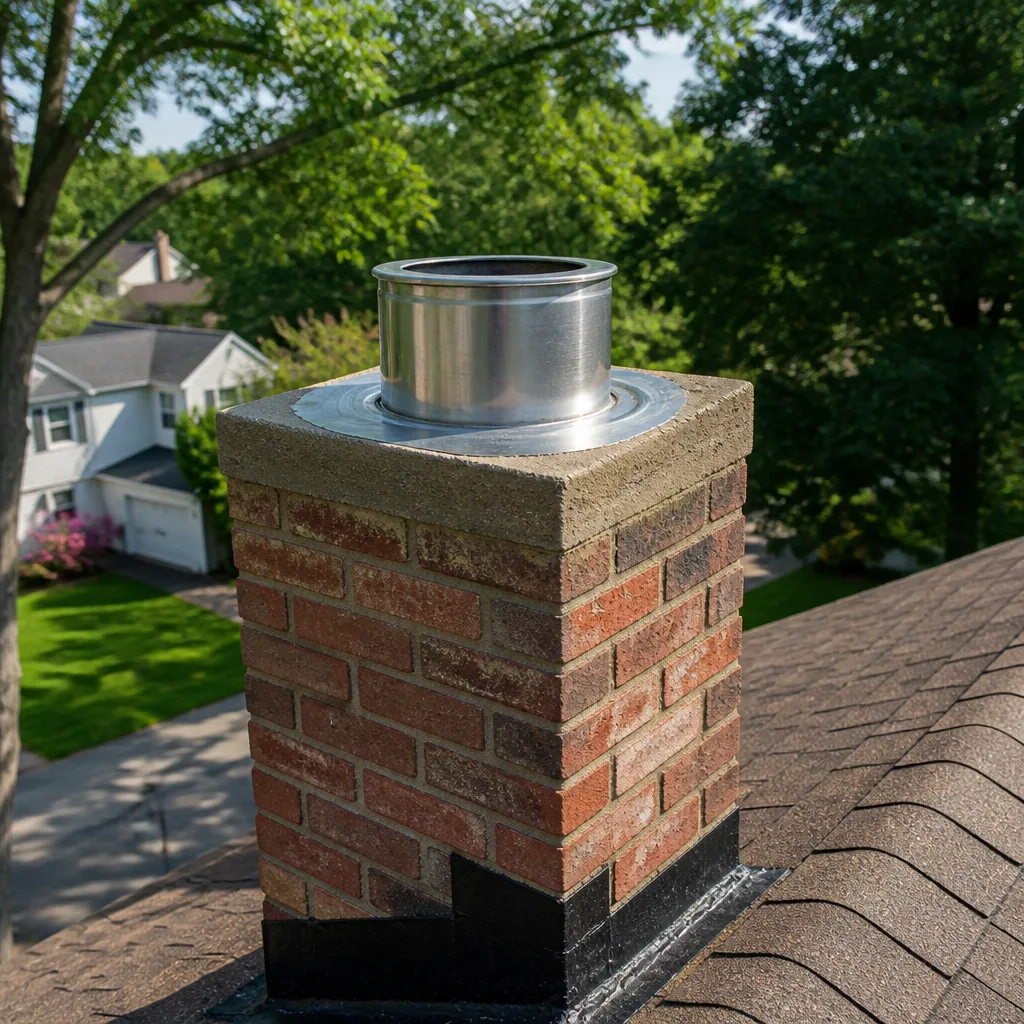
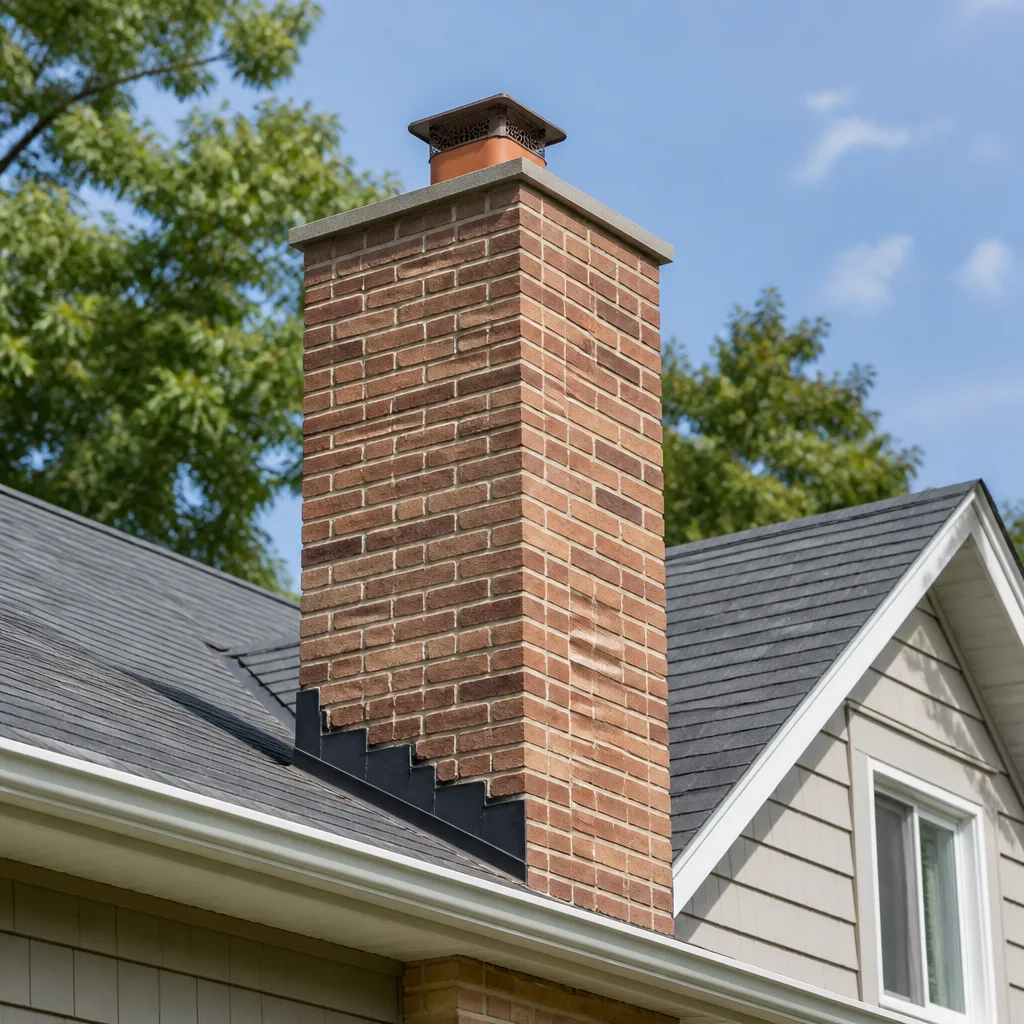
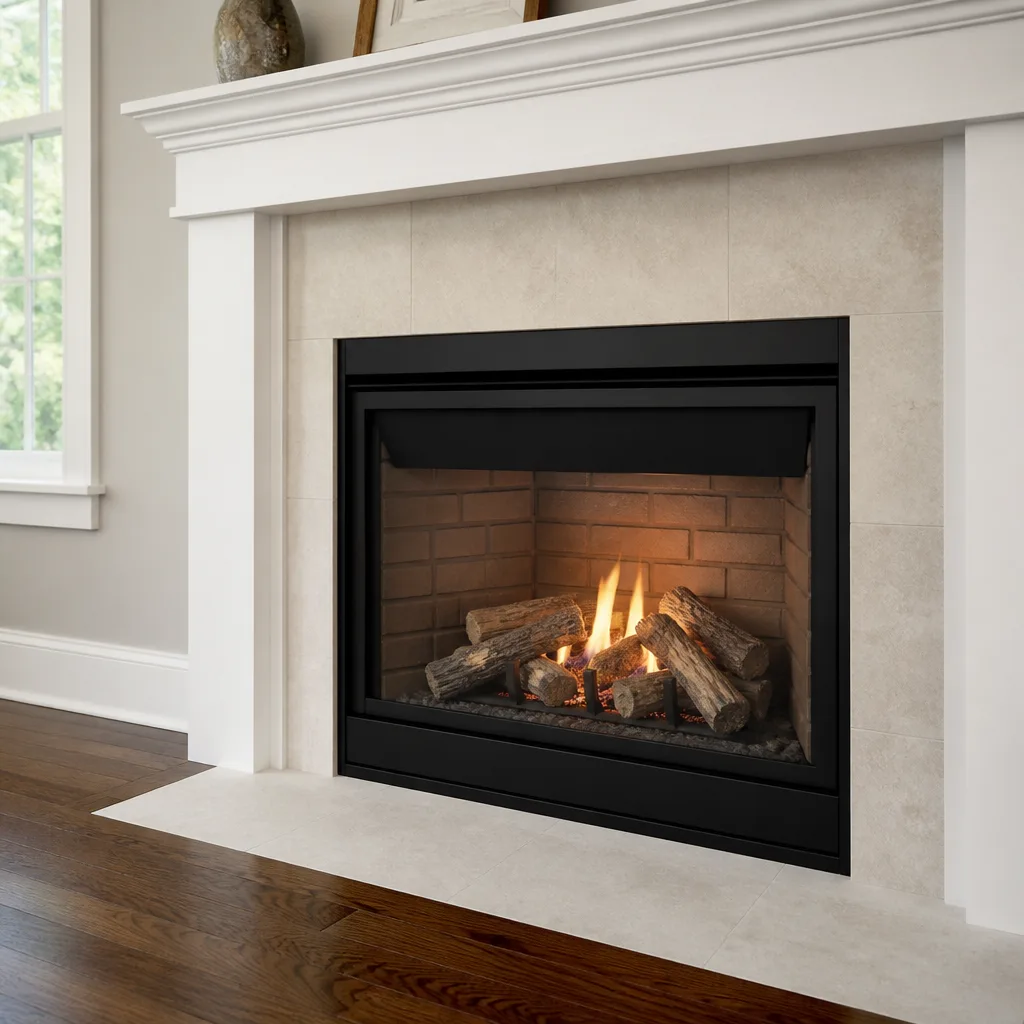
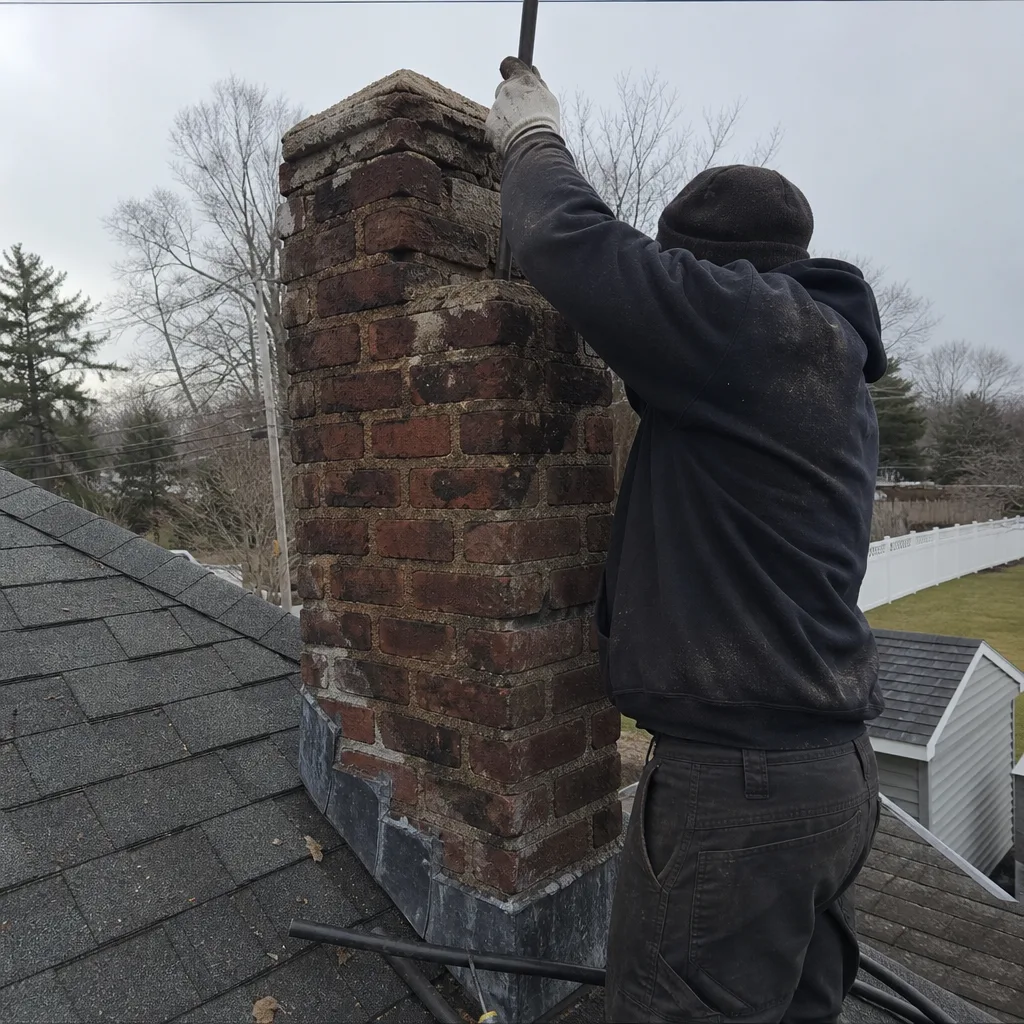 Before
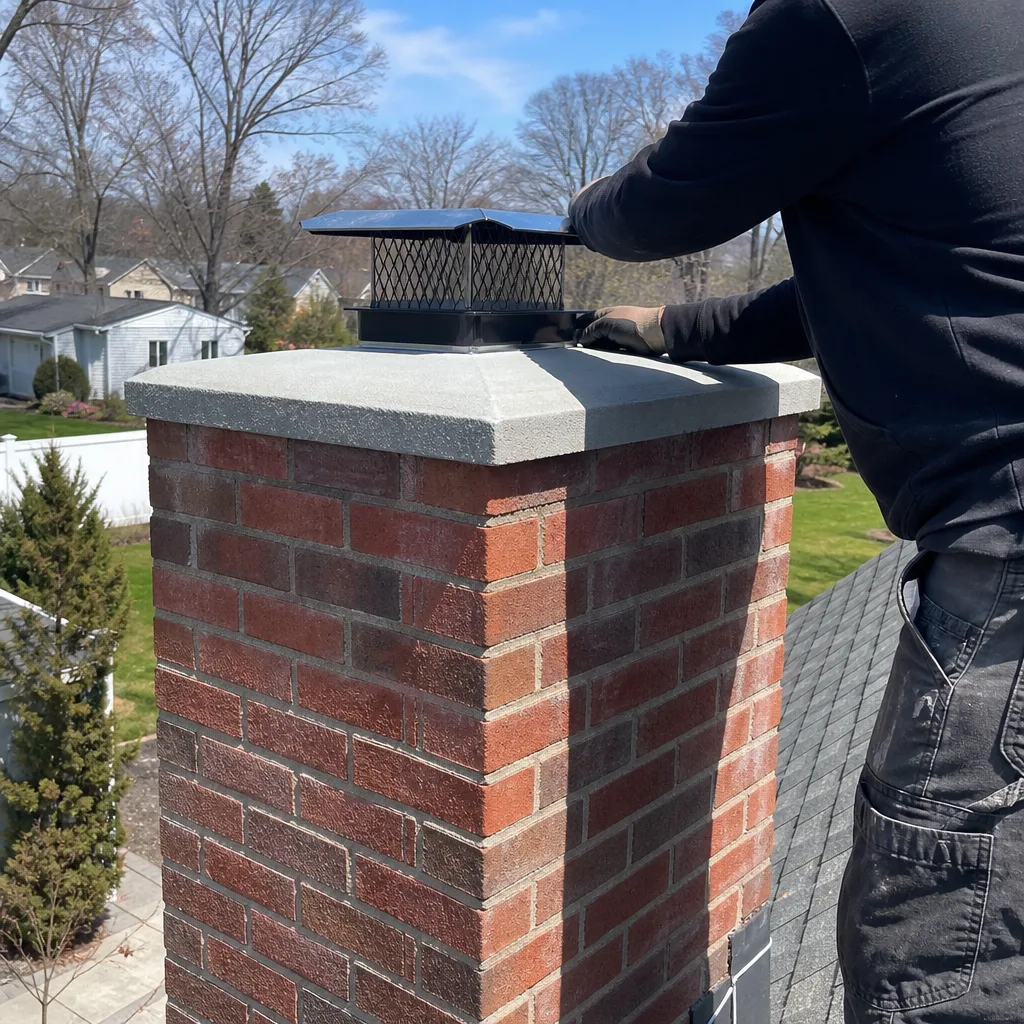 After
After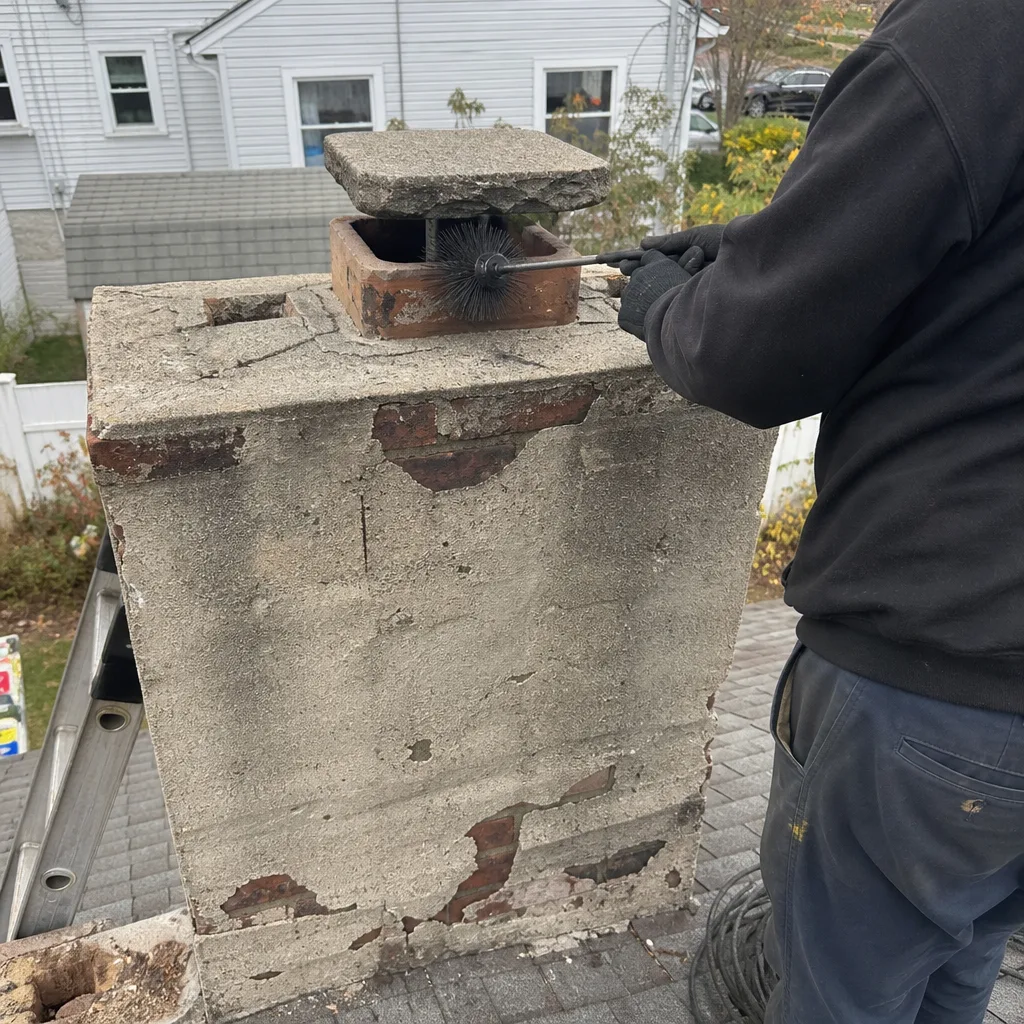 Before
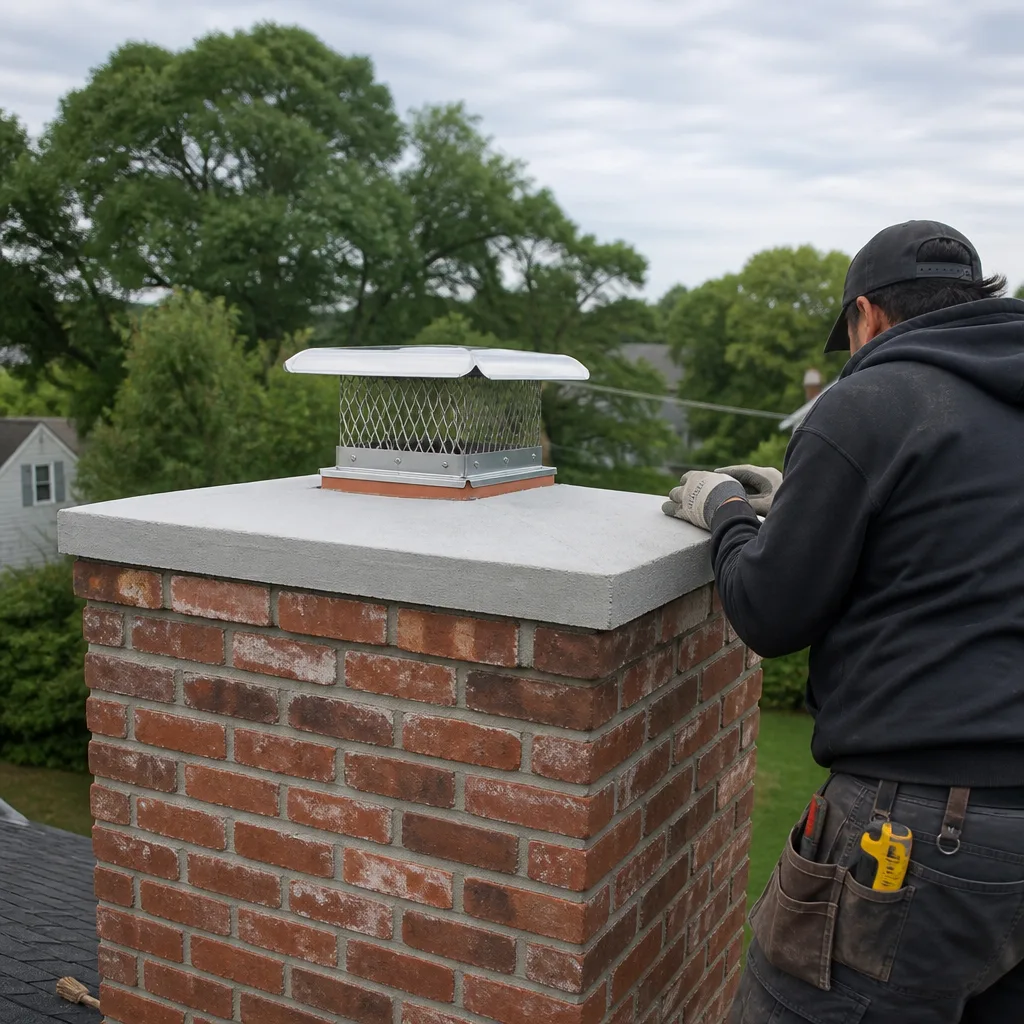 After
After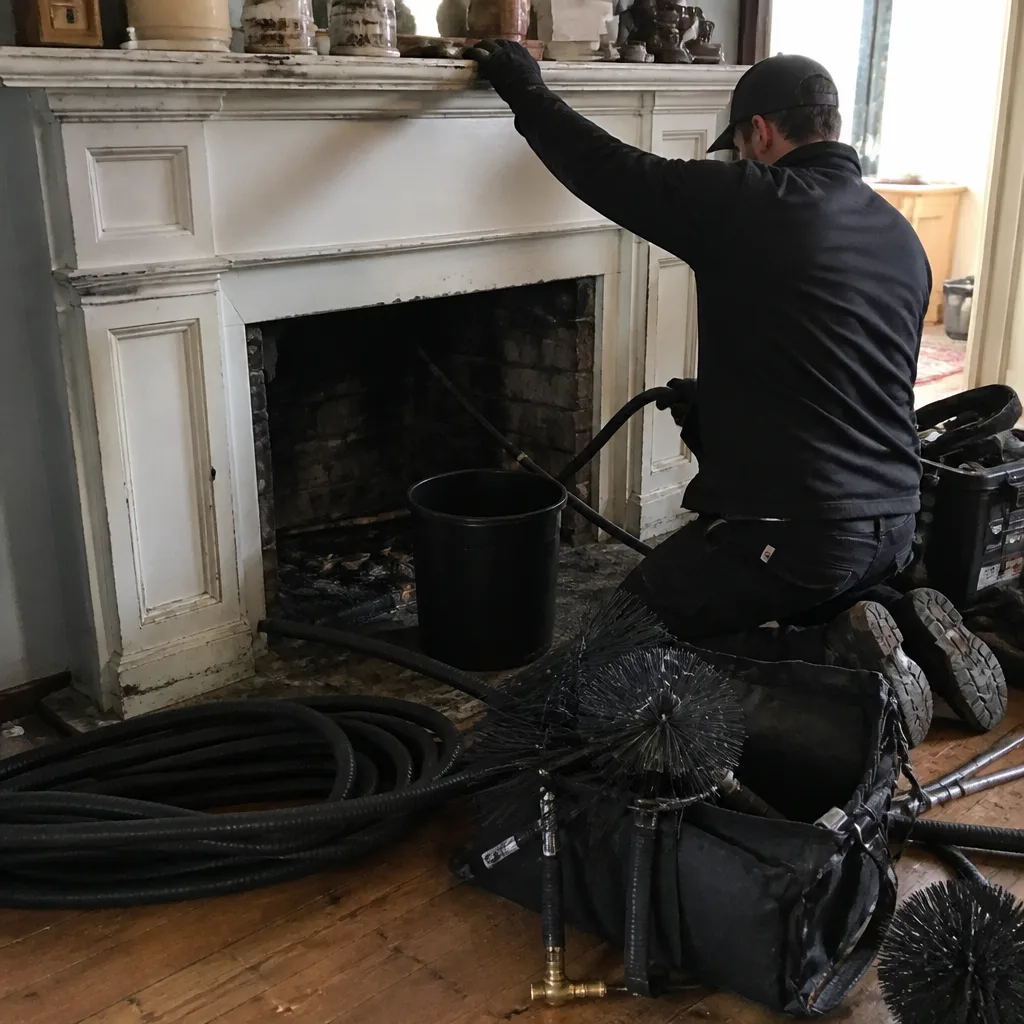 Before
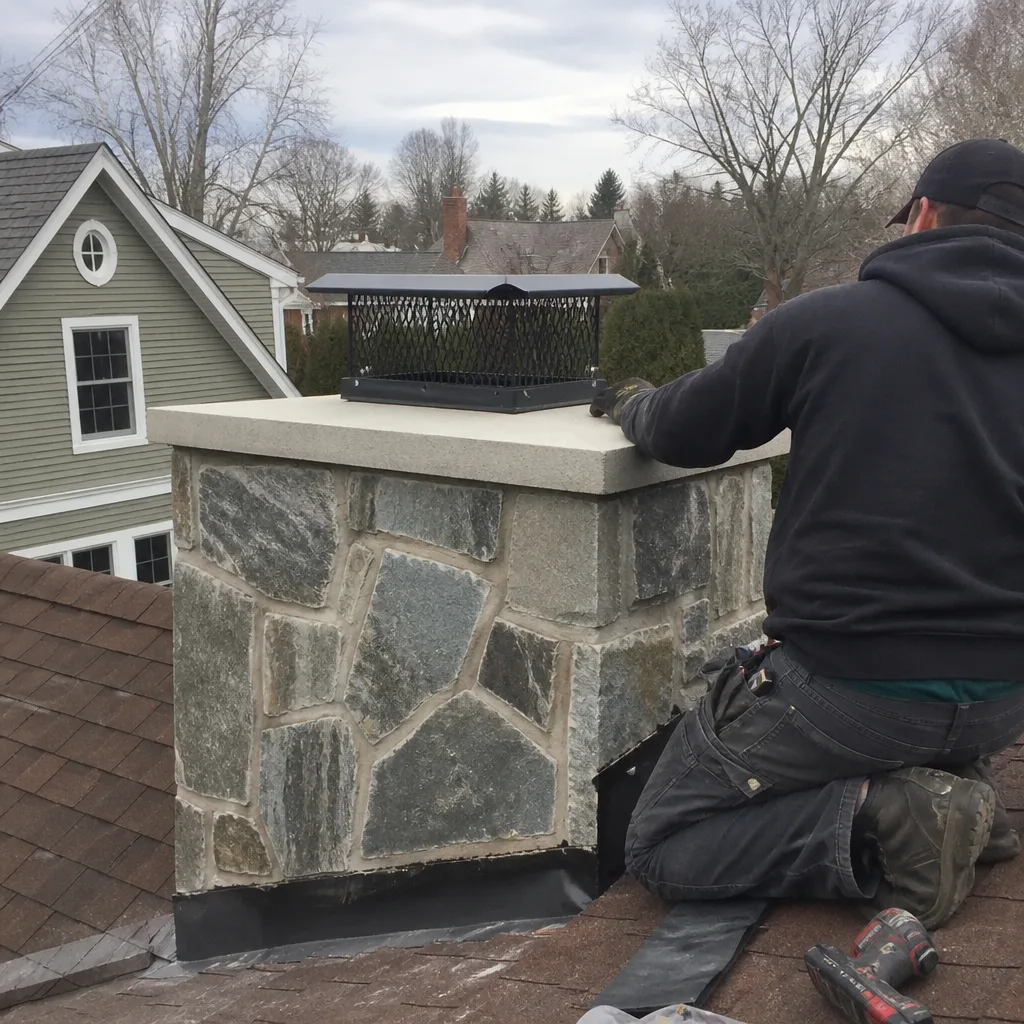 After
AfterSoot Removal in Long Island, NY
Our Chimney Cleaning & Sweep Cost? (2026 Price Guide) - Long Island, NY shows soot removal typically runs between $120 and $350, depending on how heavily the flue is coated and how long it has been since the last cleaning. Most jobs are done in a single visit, and the flue is ready to use the same day. If you want a straight number before anyone touches your chimney, call us at (516) 968-5380 – Wendell or one of his crew will give you upfront pricing before a single tool comes off the truck.
Soot is what every wood fire leaves behind – a dry, powdery carbon deposit that clings to the inner walls of your flue liner. At low levels, it is a normal byproduct of combustion and clears off easily with a good chimney brush and the right technique. Left alone for a season or two, it builds up, narrows the flue opening, and starts converting to creosote, which is a different problem entirely and a significantly harder one to fix. Soot removal is the first line of defense – catch it early and the job is straightforward. Let it go and you are looking at a much bigger bill.
Top Hat Chimney has been doing this work on Long Island since 1999. Wendell Pike founded the company, and he still runs every job with the same approach: assess honestly, clean thoroughly, show you the before-and-after footage, and tell you in plain English what he found. Every job is backed by the 90-Day Done Right Promise – if something is not right, one call brings us back at no additional cost, and that is in writing on every invoice. You can read about the full scope of what we do on our Chimney Cleaning & Sweep in Long Island page.
When You Need Soot Removal
A lot of homeowners on Long Island wait until something goes obviously wrong before calling Chimney Cleaning & Sweep Near Me in Long Island, NY. That is understandable – a chimney is out of sight and easy to forget. But soot accumulation does not announce itself loudly. Here are the signs that tell us it is time for a cleaning:
- Black smudging around the fireplace opening or on the damper plate. If soot is migrating out of the firebox, the flue is drafting poorly – either from buildup, a blockage, or a pressure issue common in tightly insulated homes here in Nassau and Suffolk County.
- A smoky or acrid smell in the room when the fire is burning. This usually means the flue draw is compromised. On Long Island’s south shore, where homes sit in relatively low-lying, wind-sheltered areas, backdraft from soot-narrowed flues is a regular complaint we field every October when people light their first fire of the season.
- Visible black buildup on the firebox walls or throat. You can see the lower portion of the flue by shining a flashlight up past the open damper. A thin gray-black film is normal. A thick, uneven black coating means it has been too long since the last sweep.
- It has been more than 12 months since the last cleaning. Once a year is the standard recommendation regardless of how much you burned. Chimneys deteriorate in the off-season too – moisture, freeze-thaw cycling, and nesting animals can change what a flue looks like between November and April.
- You recently bought a house and do not have cleaning records. This is one of the most common calls we get in areas like Huntington, Smithtown, and Commack. A previous owner’s habits are unknown, and a visual inspection plus cleaning before you light that first fire is the only way to know what you are working with.
- Your fires are harder to start or burn less efficiently than they used to. Reduced airflow from soot buildup chokes combustion. If you used to get a strong draw within a few minutes and now it takes much longer, that flue is telling you something.
Our Soot Removal Process
The process is not complicated, but doing it right takes the correct equipment, the right technique for your specific flue type, and enough care not to make a mess of your living room. Here is how we handle it on every job:
- Pre-job inspection and camera drop. Before we pick up a brush, we run a camera through the flue from the top down. This tells us what we are dealing with: soot depth, any obstructions, liner condition, and whether there is any evidence of creosote that changes the scope of the work. You watch the footage with us if you want to – and we think you should. We give you a plain-English verdict, not a sales pitch.
- Firebox and hearth protection. We lay drop cloths over the hearth and surrounding flooring, and seal the firebox opening with a dust containment barrier before any brushing begins. Soot is fine-grained and gets everywhere if you do not contain it properly. A sweep who does not take this step seriously will leave you with a dusting job on your furniture.
- Top-down chimney brushing. Wendell’s crew works from the rooftop down, using professional-grade chimney brushes sized to your specific flue dimensions. On Long Island, we see a mix of clay tile liners in older homes and stainless steel DuraFlex flex liners in homes that have been retrofitted. The brush size and technique differ – clay tile requires firm, deliberate strokes while flex liner work needs a lighter touch to avoid kinking the liner.
- Vacuum extraction of dislodged soot. As material falls, it is captured using a high-efficiency vacuum system designed for chimney debris. This keeps fine particulate out of the air in your home. We do not leave a pile in the firebox and call it done.
- Firebox and smoke shelf cleaning. The smoke shelf – the horizontal ledge just above the damper – traps soot, debris, and sometimes small animals. We clean it out every time. It is one of the spots that cheaper outfits skip because you cannot easily see it from floor level.
- Post-cleaning camera pass and written report. After the flue is clean, we run the camera again to confirm the result and catch anything that the initial inspection flagged for follow-up. You get a written summary of what we found, what we did, and any recommendations. If we see early-stage creosote forming or a liner crack that warrants attention, we tell you – and we tell you whether it needs fixing now or can wait. No upsell pressure. Just the honest word.
Soot Removal Pricing in Long Island
Soot removal in Long Island costs between $120 and $350 for most residential jobs. Where your job falls in that range depends on a few honest variables:
- Flue height and configuration: A standard single-story fireplace flue in a ranch-style home – common in communities like Valley Stream, Massapequa, and Levittown – is a quicker job than a two-story colonial with a tall flue stack. More height means more brushing time and more material to extract.
- Degree of soot accumulation: Light soot from a single season of moderate burning cleans quickly. If the flue has not been touched in three or four years, there is more material, and the job takes longer. First-degree creosote mixed in with the soot is still a brush job; third-degree glaze is not, and if we find it, we will tell you so before we quote any additional work.
- Flue type and liner material: Clay tile, poured-in-place liners, and stainless steel flex liner systems each require slightly different tools and technique. Most Long Island homes built before 1980 have clay tile; newer installations and gas conversion retrofits tend to use stainless.
- Add-on services: If you want a Level 2 video inspection, chimney cap check, or damper adjustment at the same visit, those are additional line items quoted upfront before work begins.
Seniors and veterans always receive 10% off. If your job involves any repair work over $200, you get $40 off that repair. And if you have a written estimate from another company, bring it to us – we offer a free second opinion on any competing estimate.
There is no trip charge for calls inside our service county. The number you hear on the phone is the number on the invoice. That is not a promotional line – it is how we have done business since 1999, and it is why people in Babylon, Islip, and Brookhaven keep calling us back instead of rolling the dice on a new company every year.
Call (516) 968-5380 for a free estimate. We will give you a number before anyone drives out, and that number will not change at the door.
FAQs – Soot Removal
How is soot different from creosote, and does it matter which one I have?
Soot is a dry, powdery carbon deposit that wipes off relatively easily and is the normal byproduct of wood combustion. Creosote is a tar-like compound that forms when combustion gases condense in a cool or under-fired flue – it comes in three stages, from a light flaky coating (Stage 1, still a brush job) all the way to a hardened, shiny glaze (Stage 3, which requires chemical treatments and sometimes liner replacement). It matters quite a bit which one you have. A flue coated in soot needs a cleaning. A flue with Stage 3 creosote needs a professional assessment and a different removal approach before you light another fire. Our camera inspection tells us which situation you are in, and we explain it in plain terms before we quote anything. Call (516) 968-5380 if you are not sure what you are dealing with – the estimate is free.
Can I just vacuum or brush the soot out myself?
You can remove some surface soot from the firebox walls yourself with a dry brush and a shop vacuum, and that is fine for light deposits on the brick. What you cannot safely assess or clean yourself is the flue above the damper throat, the smoke shelf, and the liner. Those areas require proper chimney brushes sized to the flue, containment equipment to keep fine soot out of your home’s air, and a camera to confirm the result. There is also a safety consideration: working on a rooftop to access the flue from the top down is not something to attempt without the right equipment and footing. The risk is not worth the savings on a job that costs a few hundred dollars when done properly. For anything above the damper, call a trained sweep.
How often does soot removal need to happen on Long Island?
An Annual Sweep is the standard, and it applies whether you burned heavily last winter or only lit a handful of fires. Long Island’s climate means chimneys sit through humid summers, freeze-thaw cycles in the shoulder seasons, and occasional nor’easter moisture intrusion – all of which affect the flue even when the fireplace is not in use. We recommend scheduling in late summer or early fall before the heating season starts. That timing also lets us catch any damage from the off-season before you light the first fire of the year. If you burned more than three cords of wood in a single season, a mid-season check is not a bad idea.
Does soot removal include a chimney inspection?
Every soot removal job we do at Top Hat Chimney starts with a camera pass and ends with one. The pre-cleaning inspection tells us what we are dealing with; the post-cleaning pass confirms the flue is clear and gives us a clean look at the liner condition. You get a written summary of both. If we find something that warrants a more formal Level 2 inspection – say, a crack in the liner or signs of water infiltration – we will tell you what it is, show you the footage, and quote any additional inspection work separately before touching it. The short answer: basic visual inspection is built into the job. A documented Level 2 inspection is a separate line item.
Why Long Island Homeowners Call Top Hat Chimney
There is no shortage of chimney companies on Long Island. What there is a shortage of is sweeps who have been in the same communities long enough that you can ask your neighbor about them and get a real answer. Wendell Pike started Top Hat Chimney in 1999 and has been working the same streets in Nassau and Suffolk County ever since. He is not a franchise rotation – he is the guy who swept your neighbor’s chimney three years ago and will be back on your street again next fall.
The national outfits that advertise low prices and send a stranger to your door have one thing in common: you cannot reach them after the job if something goes wrong. With Top Hat Chimney, every completed job carries the 90-Day Done Right Promise in writing. If the soot removal was not done properly – if there is an issue with the work – one call brings Wendell and his crew back at no additional cost. No runaround, no voicemail, no escalation tree. Someone picks up the phone at any hour because our phones are staffed around the clock by a live person.
We use professional-grade Copperfield brushes and equipment on every job, and when we find liner issues that need repair work, we install materials from brands like DuraFlex and HeatShield that carry their own manufacturer warranties. You get the brand’s guarantee stacked on top of ours.
If you have a written estimate from another company and want a second opinion before you commit, we provide that free of charge. If you are a senior or a veteran, your 10% discount applies automatically – no coupon needed, no asking. And if you are anywhere inside our service county, there is no trip charge for the visit.
The only way to know exactly what your flue needs is to look at it. We make that easy. You can learn more about our full scope of chimney cleaning work on our home page, or call us directly to schedule.
Key Takeaways
- Soot removal in Long Island runs $120 to $350 for most homes, with upfront pricing before any work begins.
- Annual cleaning is the standard – once a year, burn or no burn.
- Camera inspection is included before and after every cleaning, with a written plain-English report.
- Soot caught early is a brush job. Creosote that has progressed to Stage 3 is not – and the difference matters for both safety and cost.
- Every job is backed by the 90-Day Done Right Promise, in writing.
- Seniors and veterans receive 10% off, always. Any repair over $200 gets $40 off.
- Free second opinion on any competing written estimate.
Schedule Your Soot Removal on Long Island
If your fireplace has not been cleaned in the past year – or you are moving into a home and do not know the last time it was cleaned – give us a call for Chimney Cleaning & Sweep services before you light the next fire. Not because something is definitely wrong, but because the only way to know for certain is to look. We will run the camera, tell you what we see, and give you a straight number. No pressure, no surprises at the door.
Call Top Hat Chimney at (516) 968-5380. Wendell or a member of his crew will answer, give you a free estimate, and schedule a visit that works around your day. The job is backed in writing before we leave your driveway.
Written by Wendell Pike, Owner at Top Hat Chimney, serving Long Island since 1999.