

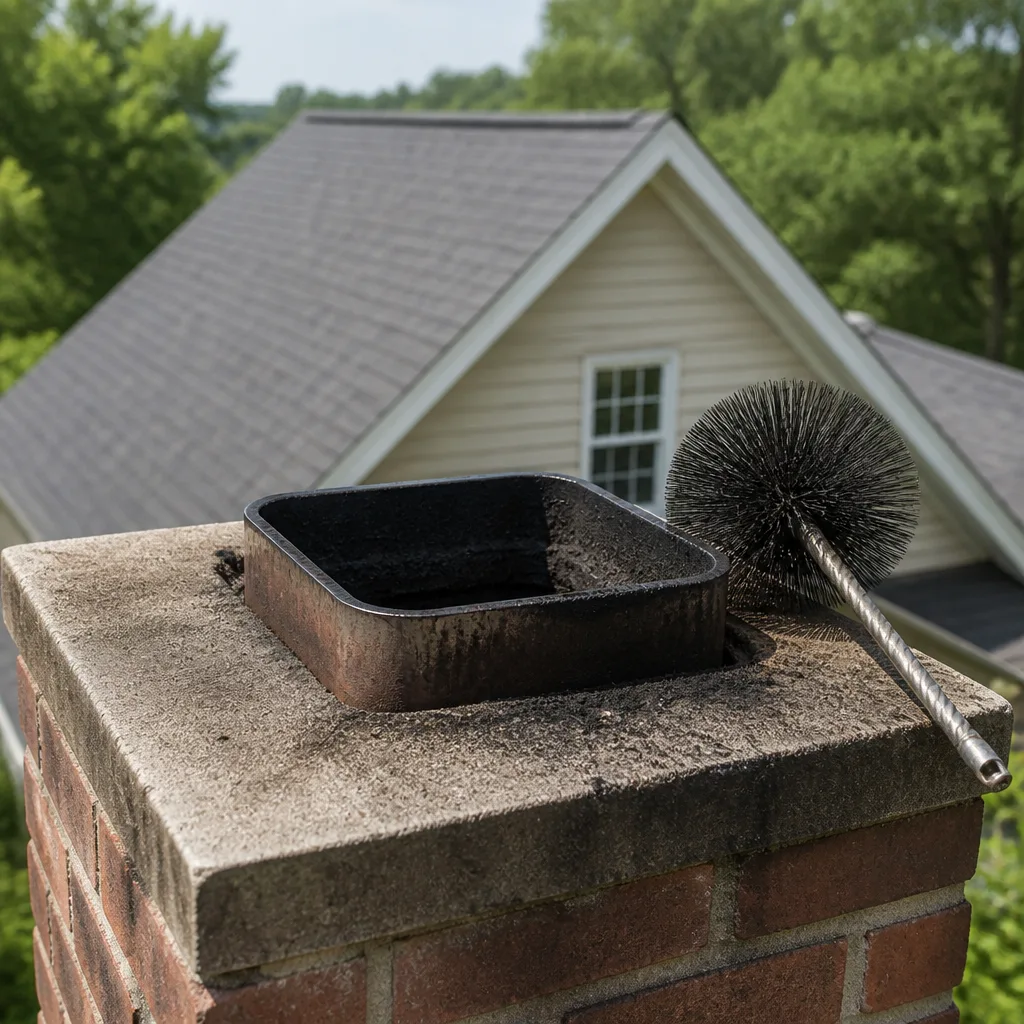
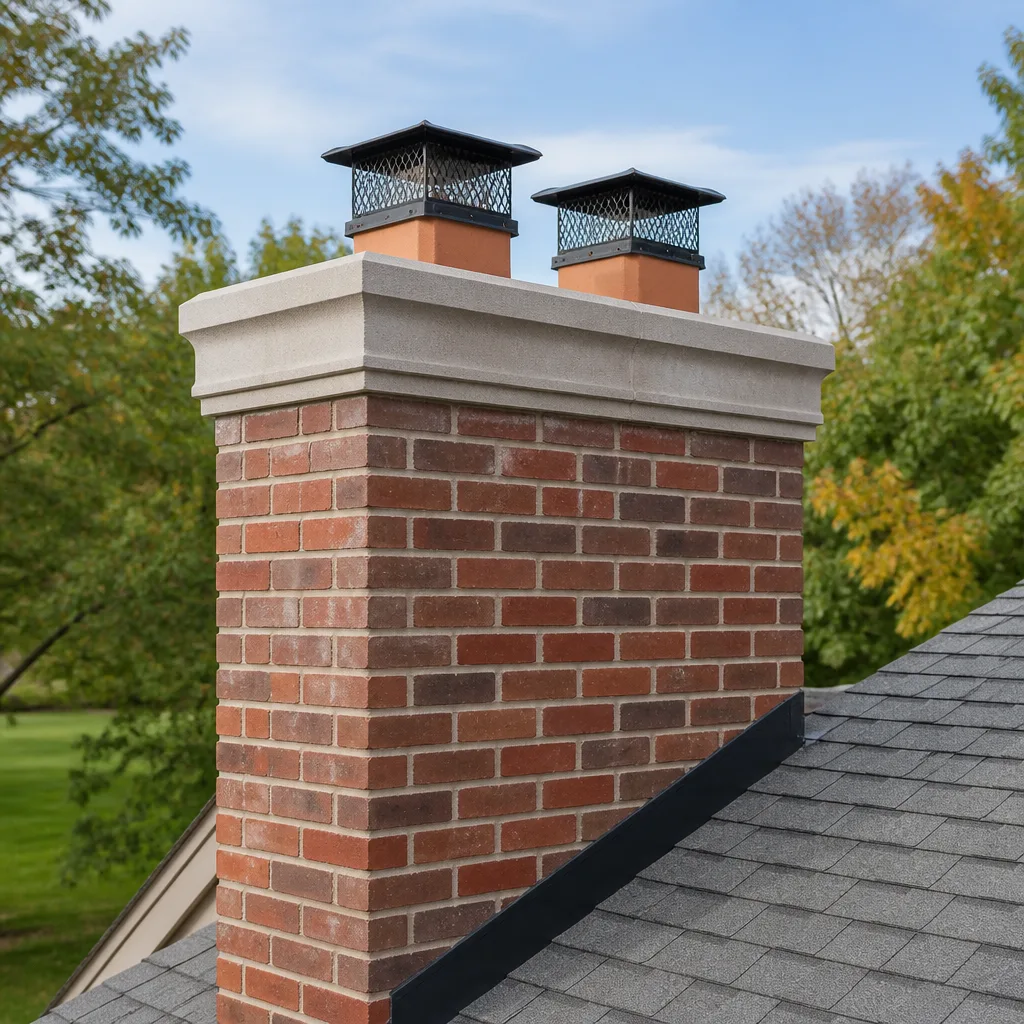
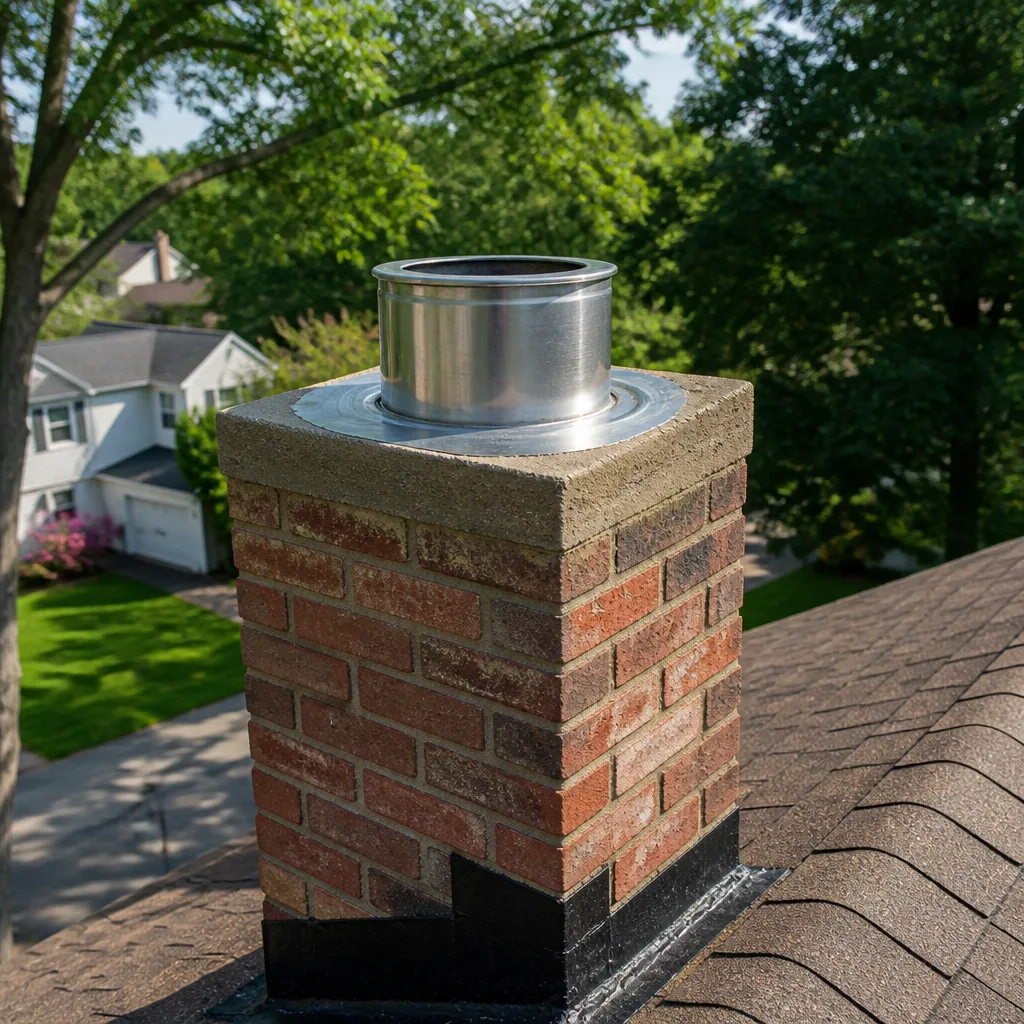
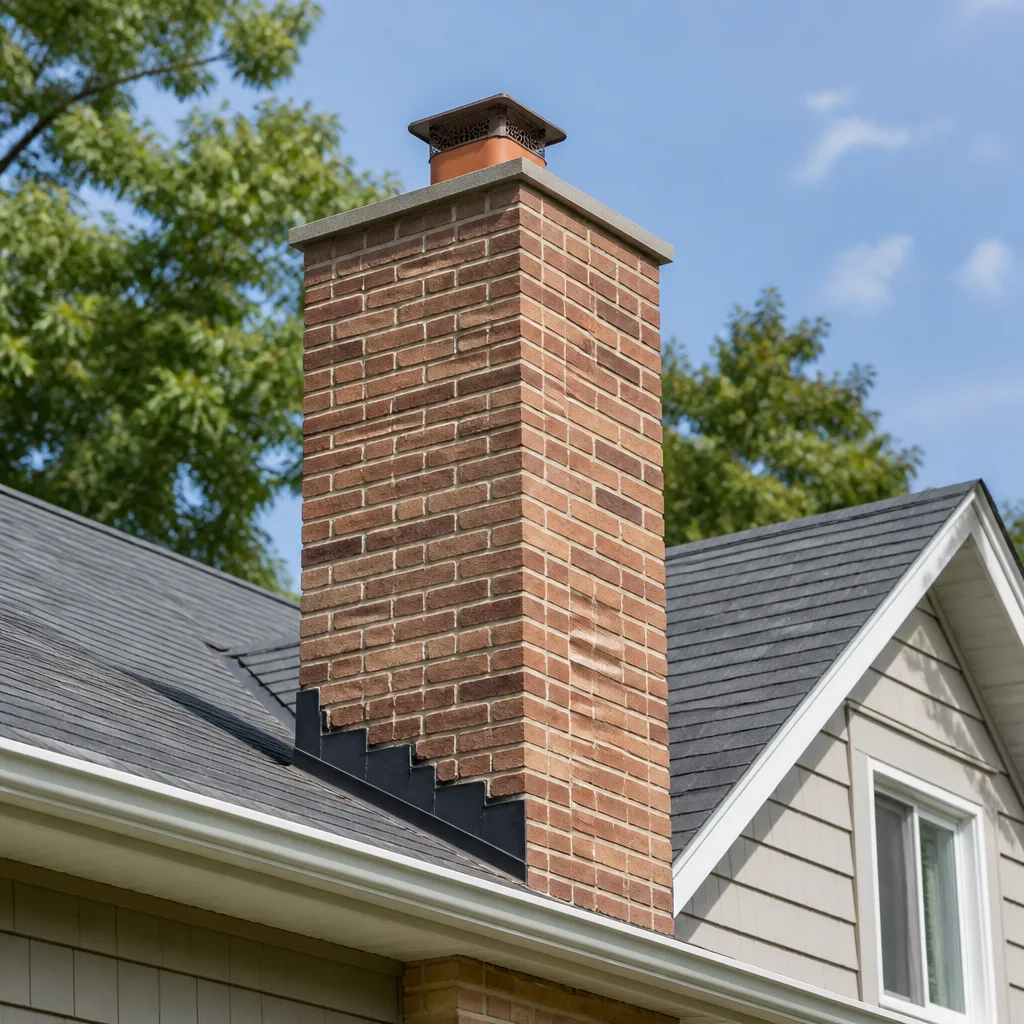
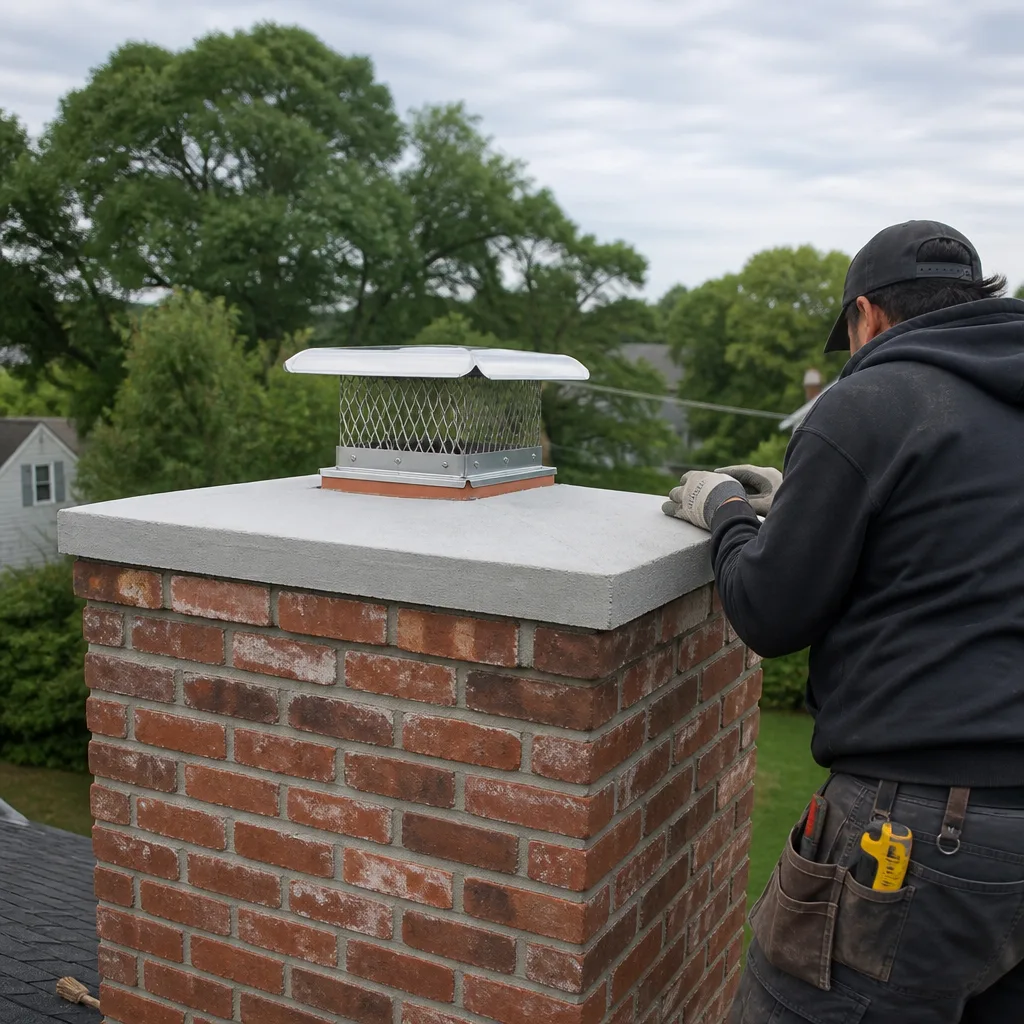
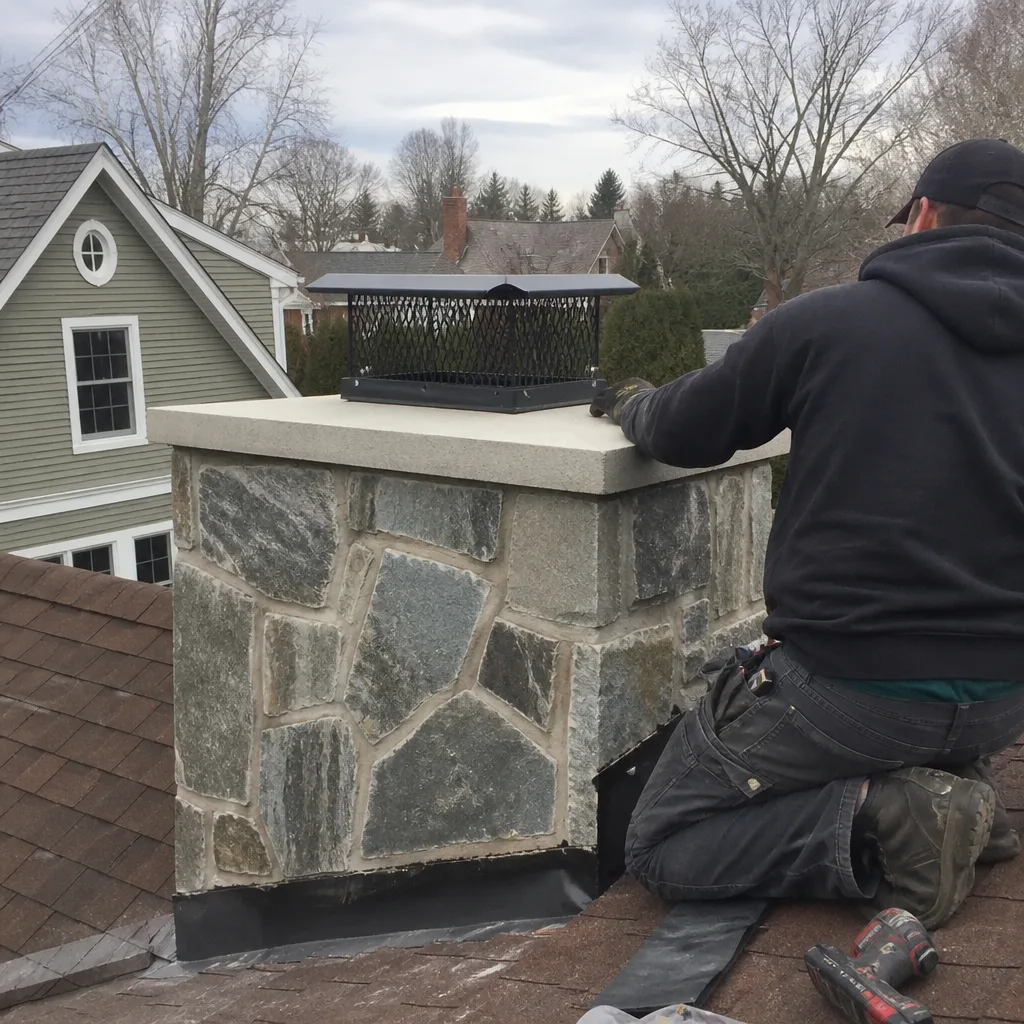
Level 1 sweep and inspection to the NFPA 211 annual standard - flue, crown, cap, and flashing checked and photographed
Chimney sweep logs do not sweep chimneys. They loosen some creosote - which then falls where a brush and vacuum still have to collect it.
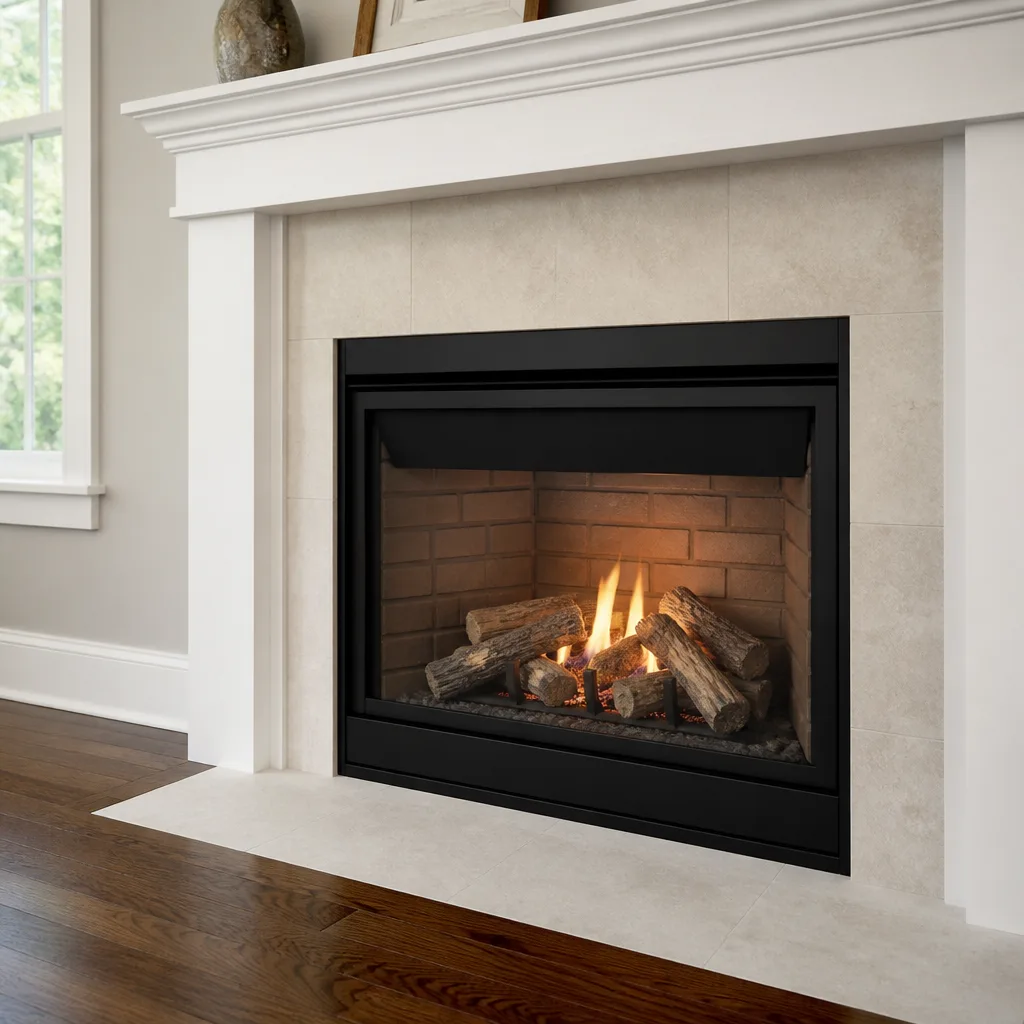
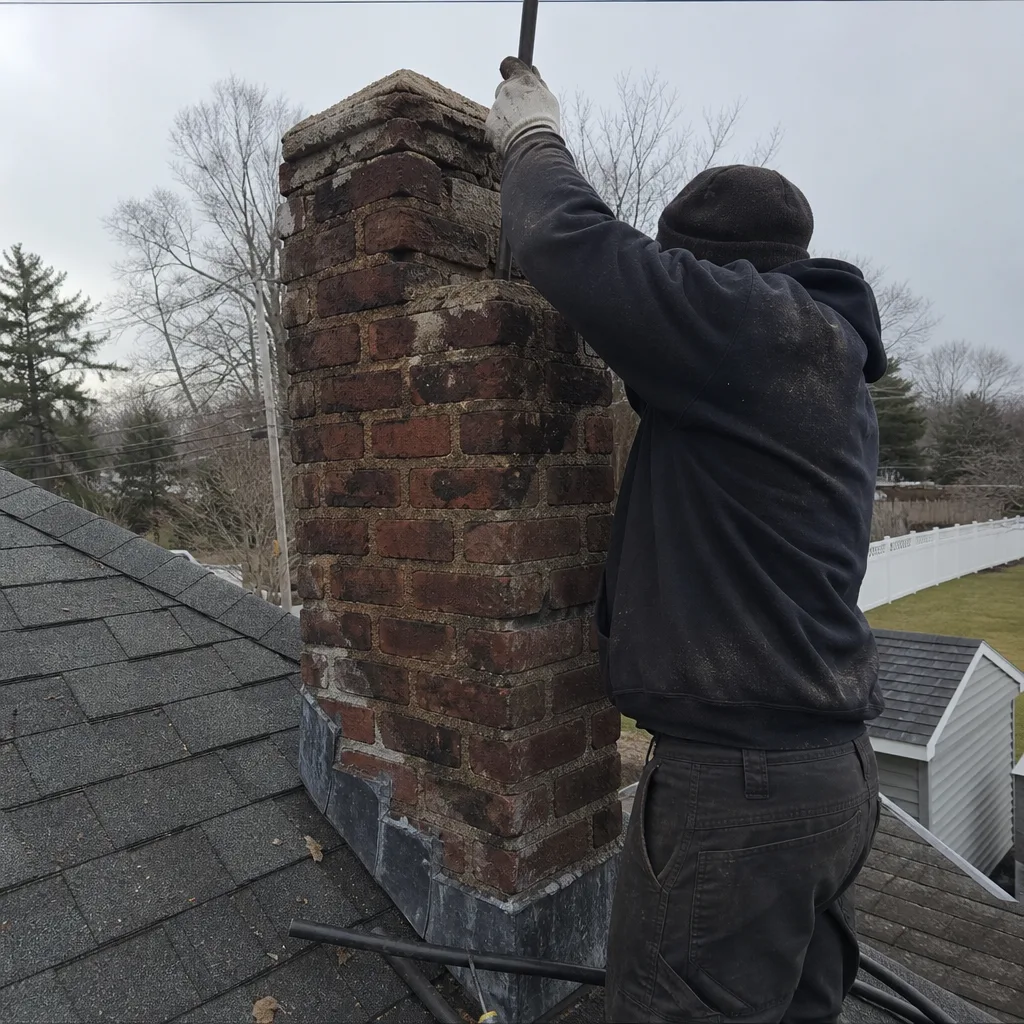 Before
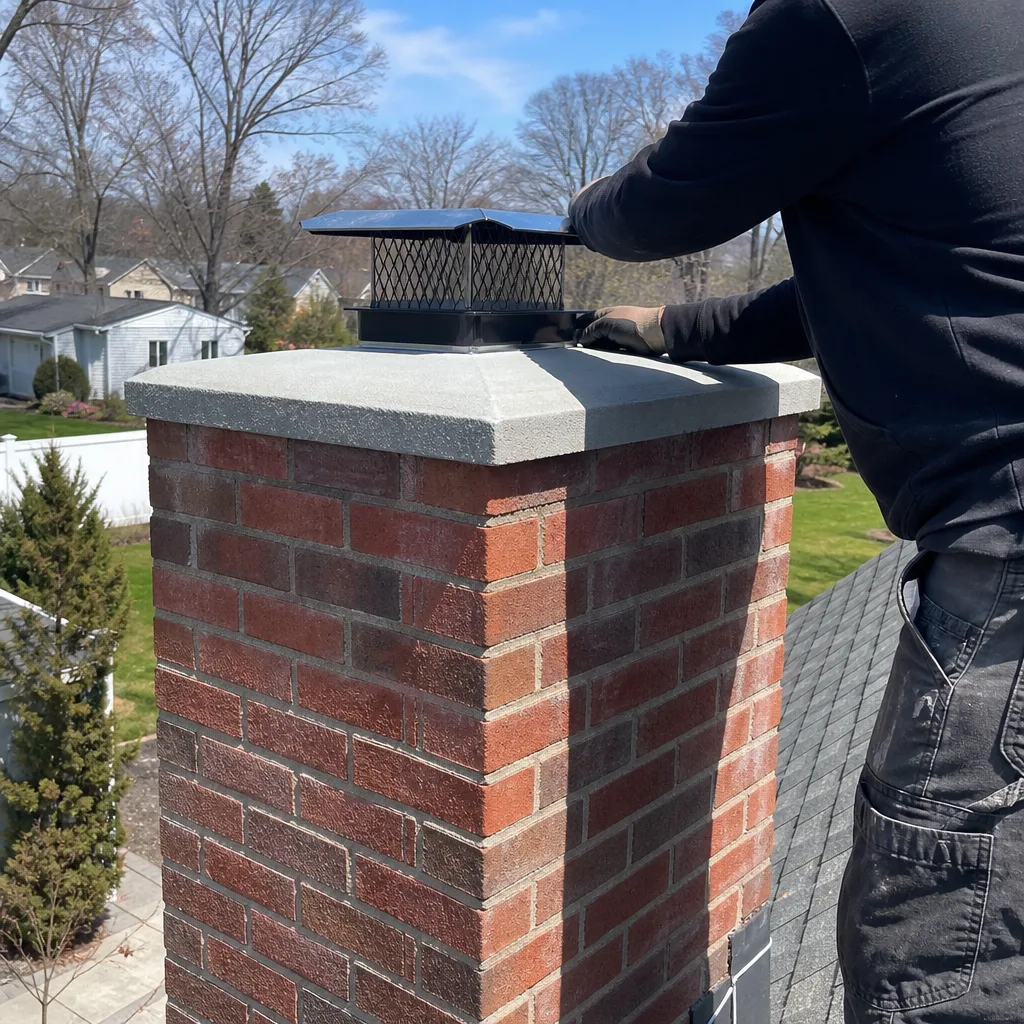 After
After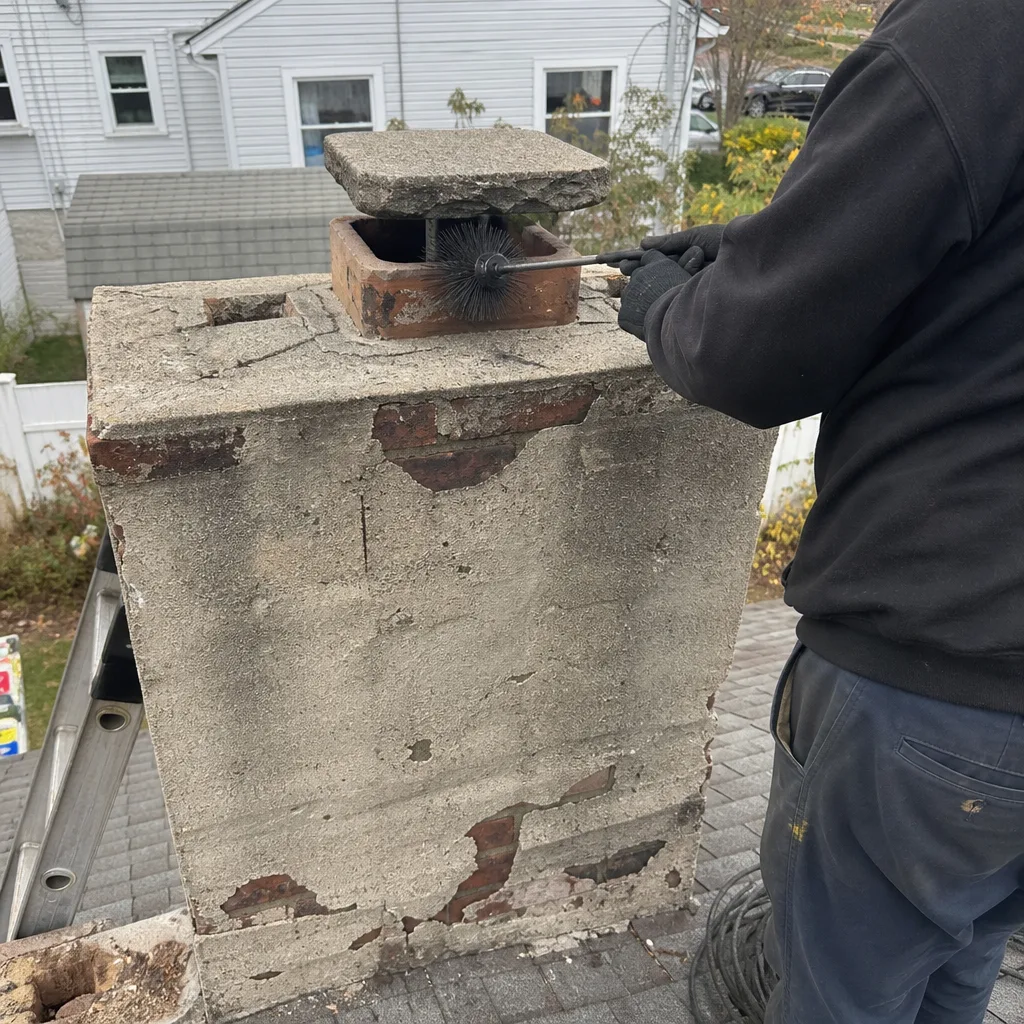 Before
 After
After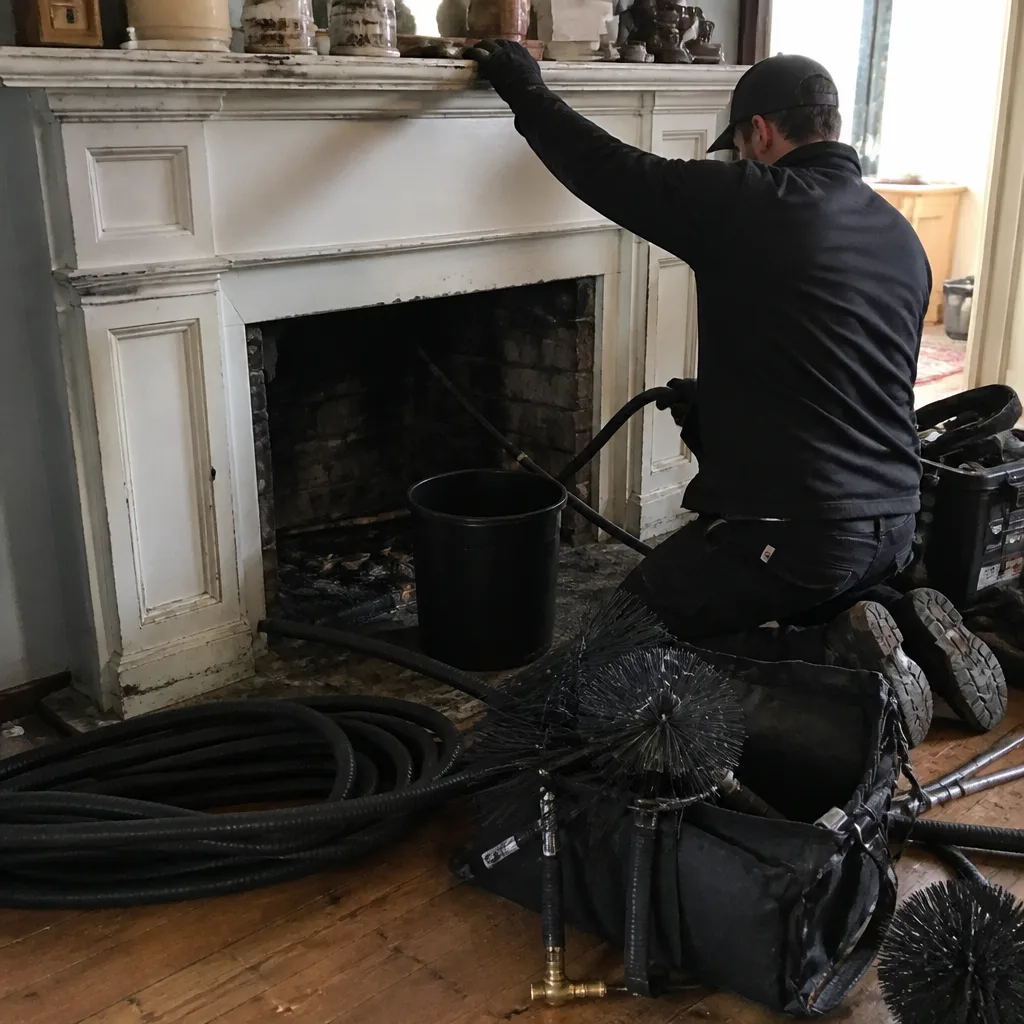 Before
 After
AfterFireplace Cleaning in Long Island, NY
Fireplace cleaning in Long Island typically runs $150-$300 for a standard wood-burning unit, takes about 90 minutes, and should happen at least once a year whether you burned ten cords last winter or none at all. A clean firebox and flue is the only thing standing between a good fire and a dangerous one, and soot does not care about your schedule.
At Top Hat Chimney, Wendell Pike has been providing our Chimney Cleaning & Sweep services across Long Island since 1999 – over two decades of pulling creosote, soot, and the occasional animal nest out of fireboxes from Nassau County to the East End. If you want a straight answer on what your fireplace actually needs, call us at (516) 968-5380. A live person picks up, around the clock, and it may well be Wendell himself.
Fireplace cleaning is part of our broader Chimney Cleaning & Sweep in Long Island service, but the firebox itself – the chamber where the fire actually burns – needs its own focused attention. Ash, soot, and debris pack into corners, settle into the damper throat, and coat the firebrick in ways a quick sweep from the top won’t reach. We handle both, every time.
When You Need Fireplace Cleaning
The honest answer is once a year, minimum. Long Island’s humid coastal climate means even a fireplace that sat idle all summer can develop moisture-driven deposits and surface corrosion inside the firebox. But there are specific signs that mean you should not wait until fall:
- Visible soot buildup thicker than 1/8 inch on the firebox walls. That is first-degree creosote territory – a brush job now, before it becomes a glazed third-degree problem that costs four times as much to address.
- Smoke rolling back into the room when you open the damper. In many older Long Island homes, particularly the 1950s-era Cape Cods common in Levittown and Massapequa, dampers corrode and stick partially closed. A packed firebox makes the draft worse.
- A persistent smoky or musty smell, even with no fire burning. Long Island summers are humid. That smell usually means wet ash mixing with creosote deposits – a combination that accelerates liner deterioration over time.
- White powder (efflorescence) on the firebox brick. This is moisture working through the masonry. Cleaning removes the surface buildup, but it also gives us a clear look at whether there is a larger water-entry issue to address.
- You cannot remember the last time it was cleaned. If it has been more than a season, or you bought the house and the records are unclear, schedule a cleaning before the first fire of the year. No exceptions.
- You burned green or wet wood last season. Unseasoned wood is the fastest way to build up sticky, hard-to-remove creosote. Long Island homeowners who buy wood from informal sellers often get wood that was not properly dried. If that is your situation, get ahead of it early.
Our Fireplace Cleaning Process
Wendell and his crew do not show up and start brushing. There is a sequence, and the sequence matters, starting with a Level 1 Inspection. Here is what happens when we arrive at your door:
- Drop cloths and containment first. Every tool comes off the truck after the hearth and surrounding floor are protected. We use heavy canvas drop cloths, not plastic sheeting that slides. Soot is fine-particulate and travels; we contain it before we touch anything.
- Visual inspection of the firebox, damper, and smoke shelf. Before any cleaning starts, we look at what we are working with – firebrick condition, damper operation, smoke shelf debris load. We use a flashlight and mirror at this stage. If we see something that warrants a camera, we say so and explain why before doing it. No surprise charges.
- Smoke shelf and damper cleaning. The smoke shelf is the ledge just above the damper throat. It collects debris, dead leaves, animal droppings, and chunks of old creosote. This is the part most homeowners never see and most quick-service outfits skip. We do not skip it.
- Firebox wall and floor cleaning. This is where the brushes and vacuums come in. We scrub the firebrick and refractory panels, then vacuum the firebox floor. We use commercial-grade HEPA vacuums – the kind that actually capture fine particulate rather than just redistributing it through your living room.
- Damper inspection and test. Once the firebox is clean, we open and close the damper through its full range and check the seal. A damper that does not seat properly wastes heat all winter on Long Island and lets cold air funnel down when the fireplace is idle.
- Condition report before we leave. You get a plain-English summary of what we found – firebrick condition, damper wear, any liner concerns visible from below. If everything is fine, we say so. If something needs attention, we tell you what it is, what it costs, and what happens if you wait. Then we let you decide.
Fireplace Cleaning Pricing in Long Island
Fireplace cleaning in Long Island runs $150-$300 for most standard wood-burning fireplaces. Here is what moves that number:
- Standard wood-burning fireplace cleaning (last cleaned within 2 years): $150-$200
- Heavy buildup or fireplace not serviced in 3+ years: $200-$275
- Gas fireplace cleaning and glass panel service: $125-$175
- Smoke shelf cleaning added to standard service: typically included; noted separately if significant debris requires extra time
- Combined firebox and full chimney sweep (most common booking): $250-$375 depending on flue height and condition
A few things worth saying plainly: the price you hear on the phone is the price on the invoice. We do not quote one number to get on the schedule and hand you a different one at the door. That is not how Wendell runs things, and it never has been.
If you have a written estimate from another company, bring it. We offer a free second opinion on any competing written estimate – no obligation. And if you are a senior or a veteran, 10% comes off automatically. If your repair total exceeds $200, another $40 comes off that as well.
Call (516) 968-5380 for a free estimate. We will give you a number before a single tool leaves the truck.
What Long Island Homeowners Should Know About Their Fireplaces
Long Island’s housing stock shapes what we see on the job. A significant share of fireplace service calls come from homes built between 1945 and 1975 – the postwar expansion that filled Nassau and Suffolk counties with Cape Cods, split-levels, and ranch houses, many of them equipped with Rumford-style or standard masonry fireplaces that are now 50 to 70 years old.
Those fireplaces were built well, but firebrick joints crack over decades of thermal cycling. The local climate adds another layer: Long Island sits close enough to the coast that salt-laden air accelerates mortar deterioration, especially on the exterior portions of chimney structures. Inside the firebox, that same humidity combines with ash residue during the off-season to create an acidic environment that eats at unprotected firebrick.
We also see a consistent pattern in the North Shore communities – Great Neck, Port Washington, Manhasset – where older homes have been updated and passed through several owners. The fireplace gets used by each new family but may not have been properly cleaned between sales, sometimes requiring a Level 2 Inspection to assess hidden damage. By the time Wendell gets in there, the smoke shelf can have two or three seasons of debris sitting on it.
South Shore homes in communities like Babylon and Bay Shore present a different pattern: fireplaces that see heavy use in winter because the homes are well-loved year-round, but where the salt air and occasional storm surge events have introduced moisture into the masonry over time. We use HeatShield products where refractory liner repair is needed in these situations, and the results hold up well in that environment.
The point is this: your fireplace is not generic, and neither is Long Island’s climate. A sweep who has worked these communities since 1999 knows the difference between normal seasonal buildup and something that needs more attention. That is the practical value of hiring someone local.
Gas Fireplace Cleaning on Long Island
Gas fireplaces do not produce creosote, but they still need annual service. Dust accumulates on the burner assembly and logs, the glass panel collects a white haze from combustion byproducts, and the venting system needs a visual check to confirm there are no obstructions or corrosion points.
On Long Island, direct-vent gas fireplaces are common in homes built or renovated from the 1990s onward – they vent horizontally through an exterior wall and are popular in the Hamptons and South Fork renovation projects where traditional masonry was not practical. Cleaning a direct-vent unit involves opening the firebox, removing the decorative media and burner tray, vacuuming the interior, cleaning the glass with a product suited for tempered fireplace glass, and inspecting the vent termination outside. It is not complicated, but it needs to be done right. A dirty burner assembly affects flame appearance and, more importantly, combustion efficiency.
We service gas fireplaces alongside our home services – same upfront pricing, same 90-Day Done Right Promise.
The 90-Day Done Right Promise
Every job Wendell does – fireplace cleaning included – carries the 90-Day Done Right Promise. If the work is not right, one call brings the crew back at no additional charge. That is not a marketing line; it is written on every job receipt.
Most of the big national outfits that work Long Island cannot offer that, because the technician who was at your house last season may not even be with the company anymore. Wendell is not going anywhere. He has been in the same communities since 1999, and he will run into you at the hardware store on Saturday.
FAQs – Fireplace Cleaning in Long Island
How often should I have my fireplace cleaned in Long Island?
Once a year is the right interval for a wood-burning fireplace, regardless of how much you used it. Long Island’s humid climate means the off-season is not neutral – moisture interacts with ash and creosote residue even when the fireplace sits idle, and that process accelerates deterioration of firebrick and damper components. Gas fireplaces should also be serviced annually, even though they do not produce creosote. If you burn frequently – more than two or three fires a week through the winter – a mid-season check is worth doing. Call (516) 968-5380 and we can tell you whether your usage pattern warrants more frequent service.
How much does fireplace cleaning cost in Long Island?
Most standard wood-burning fireplace cleanings in Long Island run $150-$275, depending on the amount of buildup and when the unit was last serviced. Gas fireplace cleaning typically runs $125-$175. A combined firebox-and-chimney-sweep appointment – the most common booking – runs $250-$375. The price you hear on the phone is the price on the invoice; there are no add-ons at the door. Seniors and veterans receive 10% off, and any repair over $200 gets $40 knocked off automatically. Call (516) 968-5380 for a free estimate before you commit to anything.
Can I clean my own fireplace, or do I need a professional?
You can sweep ash out of the firebox yourself, and doing so between professional cleanings is fine. What you cannot safely do yourself is evaluate creosote stage, inspect the damper throat and smoke shelf, or assess the condition of the firebox liner and surrounding masonry – and those are the things that actually matter for safety. A chimney camera also requires training to interpret correctly. Soot looks similar whether your liner is fine or developing cracks that need attention. Hire a professional for the annual cleaning and inspection, handle the routine ash removal yourself. That is the practical split.
What is the difference between fireplace cleaning and a chimney sweep?
A chimney sweep addresses the full flue from firebox to cap – the liner, the flue walls, the crown, and the exterior. Fireplace cleaning focuses specifically on the firebox chamber itself: the firebrick walls, the damper assembly, the smoke shelf, and the hearth area. Most homeowners need both done at the same time, and we typically combine them in a single appointment. If only the firebox needs attention – say, a gas fireplace that does not connect to a masonry flue – we can do that as a standalone service. Learn more about our full Chimney Cleaning & Sweep in Long Island service if you need both addressed together.
Is fireplace cleaning messy? Will it get soot on my furniture?
Not if it is done right. The first thing we do when we arrive is lay heavy canvas drop cloths across the hearth and surrounding floor. We use commercial-grade HEPA vacuums that capture fine particulate rather than pushing it into the room. Soot Removal is light and travels, which is exactly why containment comes before any brushing or scraping. When Wendell and his crew leave, the fireplace is clean and the room looks the same as when they walked in. If that does not happen, the 90-Day Done Right Promise means one call brings us back to make it right.
If your Long Island fireplace is overdue for a cleaning, or if you are not sure what it needs, call (516) 968-5380. A live person answers – day or night – and a free estimate is always the first step. No pressure, no upsell, no surprise numbers at the door. Just an honest look at what you have and a plain answer about what it needs.
Written by Wendell Pike, Owner at Top Hat Chimney, serving Long Island since 1999.