
Last updated September 10, 2026
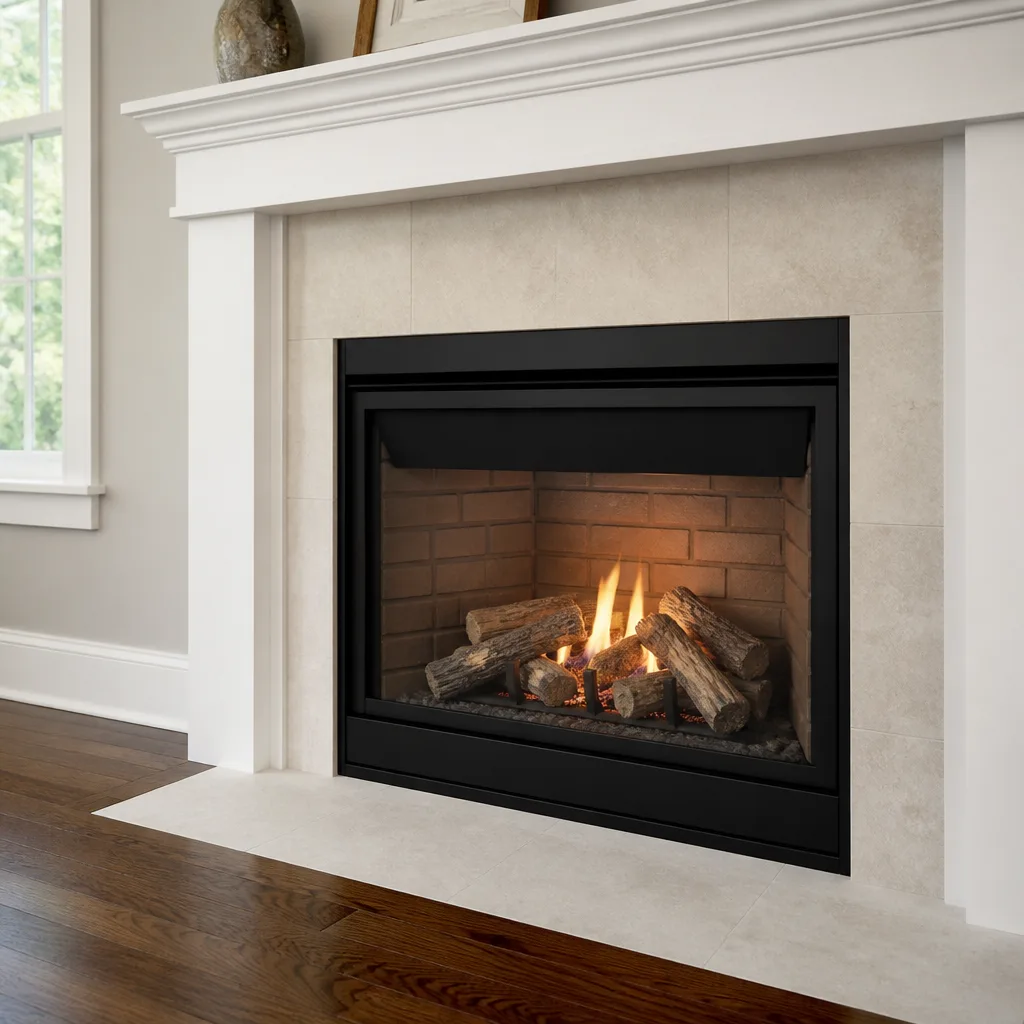
Level 1 sweep and inspection to the NFPA 211 annual standard - flue, crown, cap, and flashing checked and photographed
Chimney sweep logs do not sweep chimneys. They loosen some creosote - which then falls where a brush and vacuum still have to collect it.
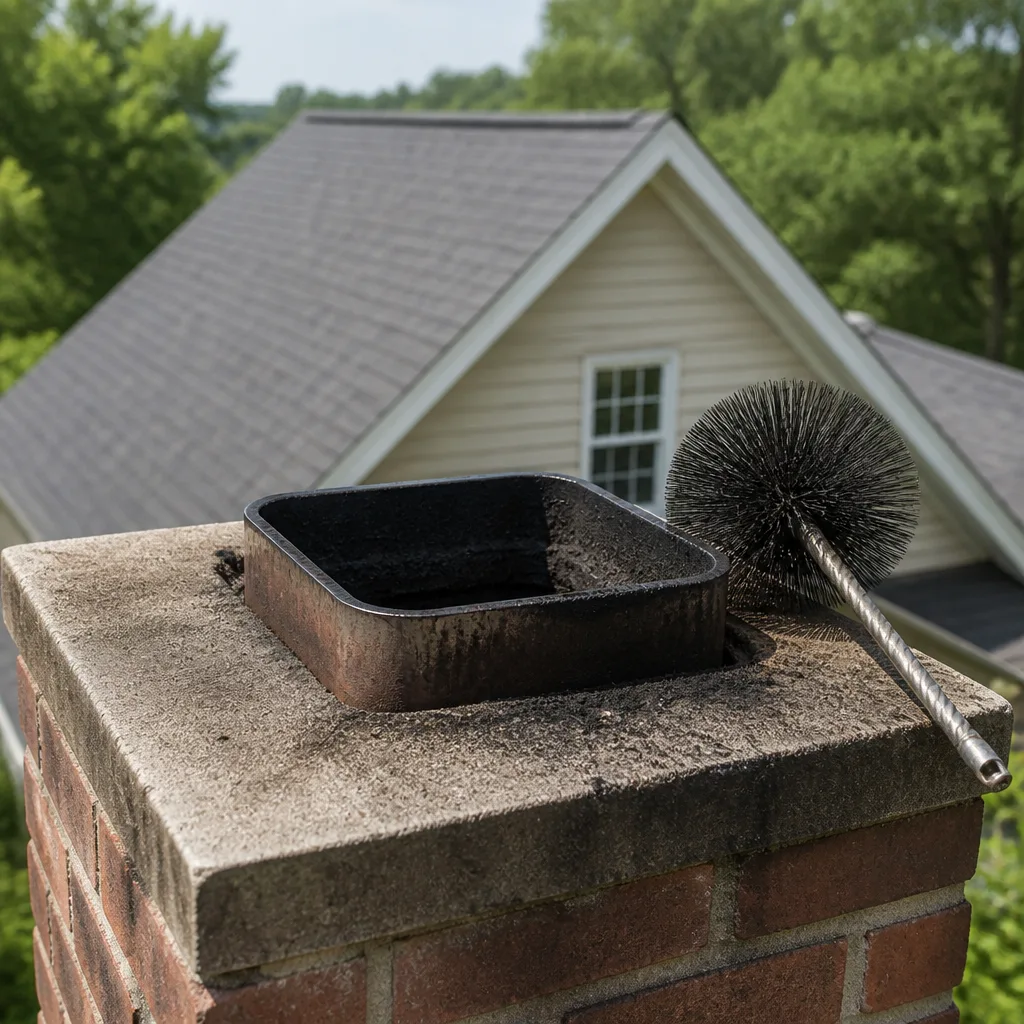
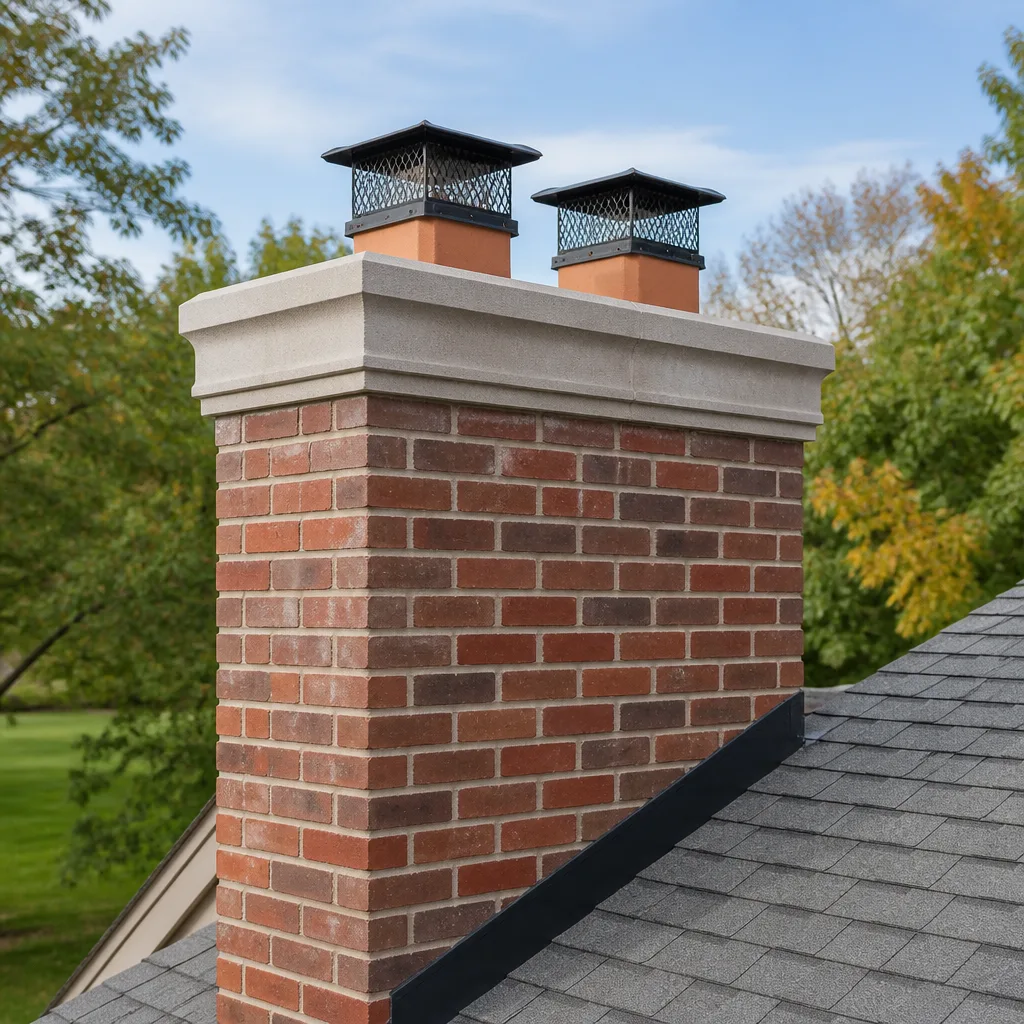
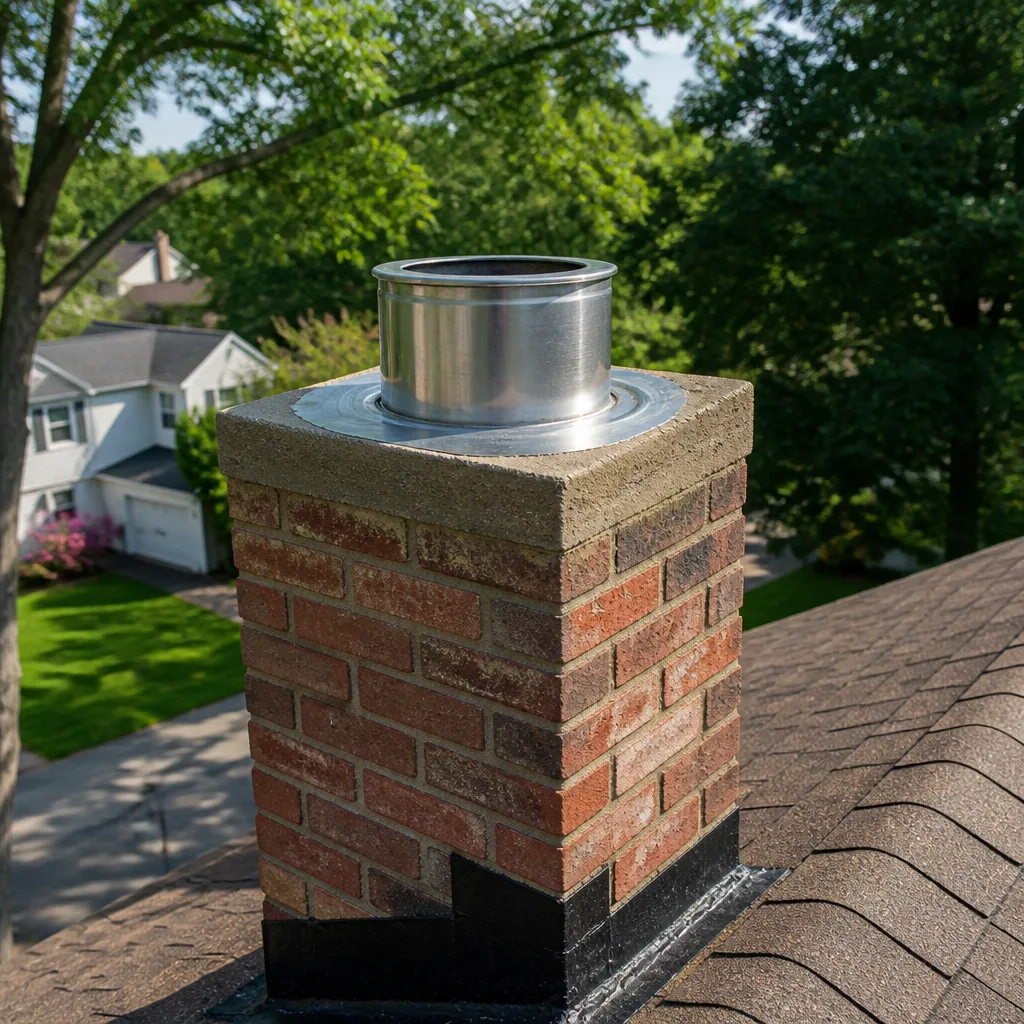
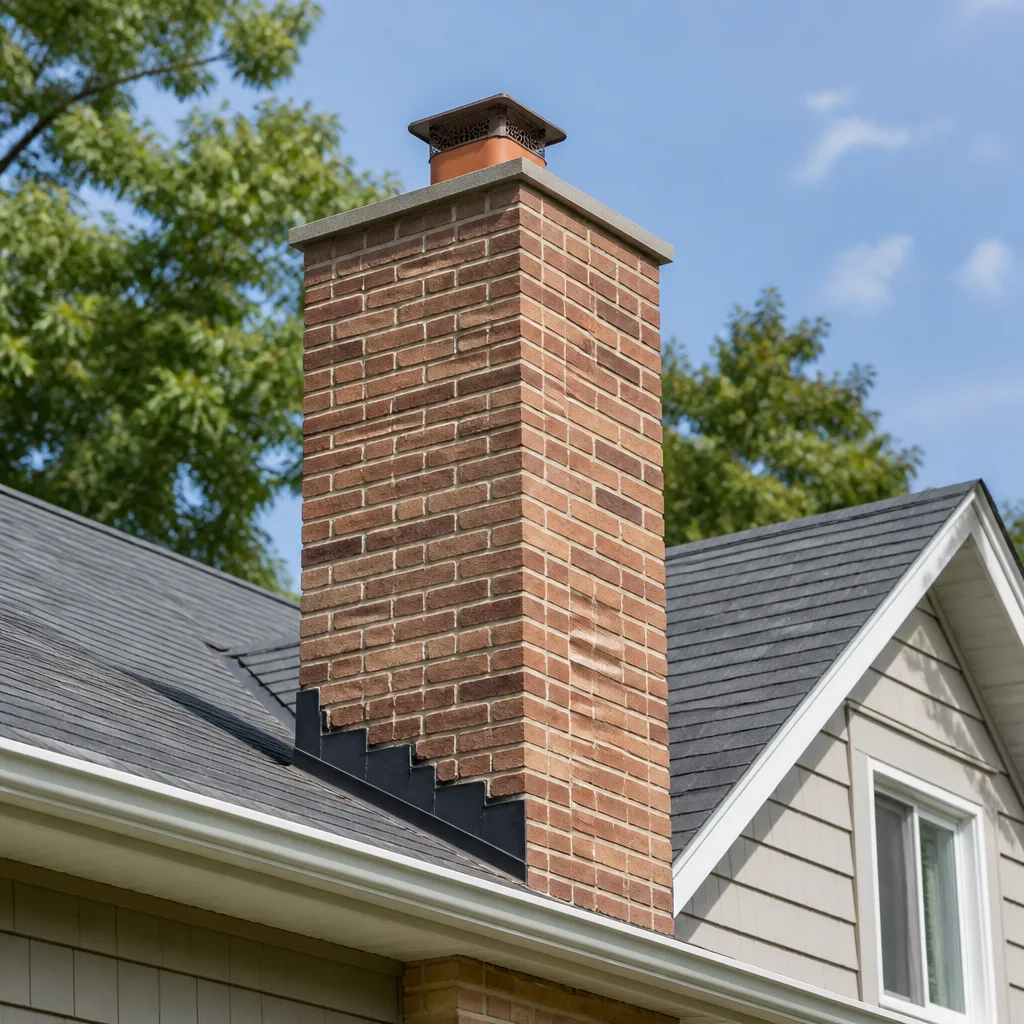
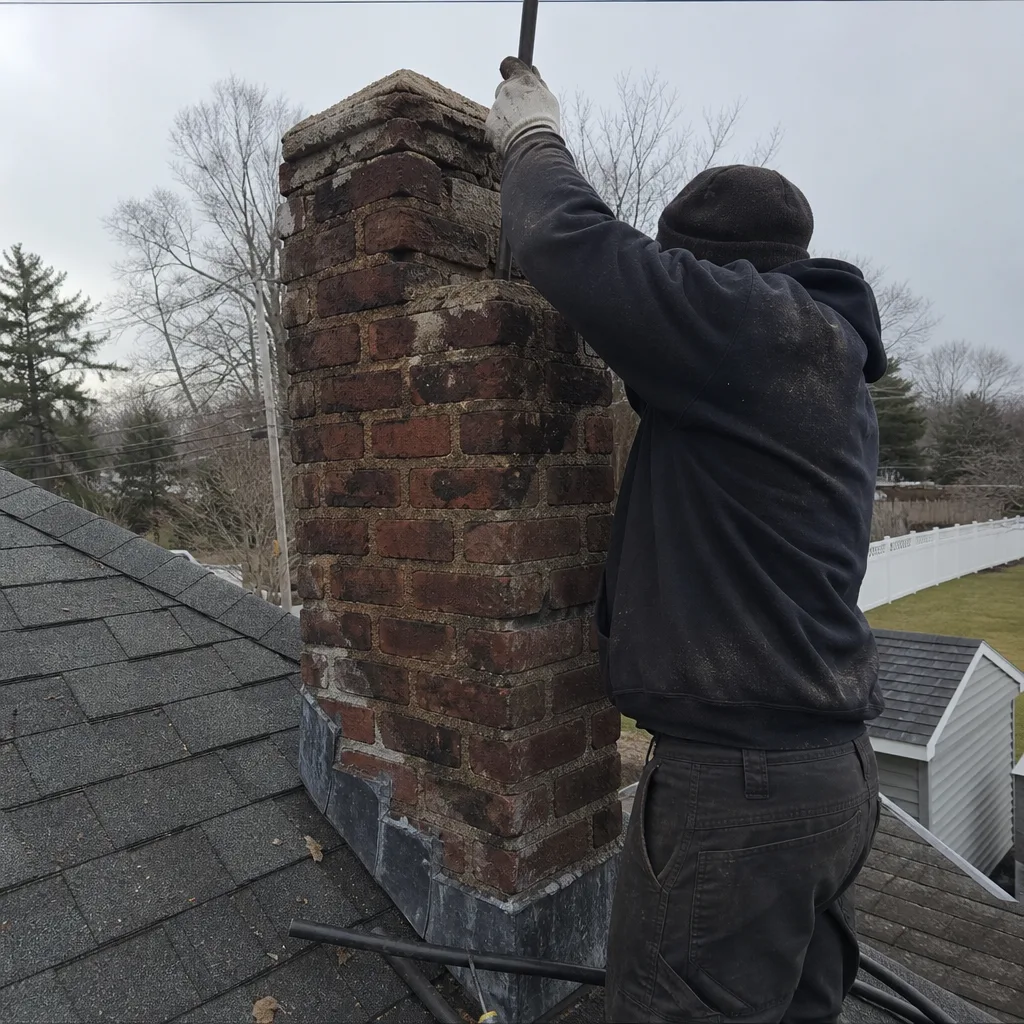 Before
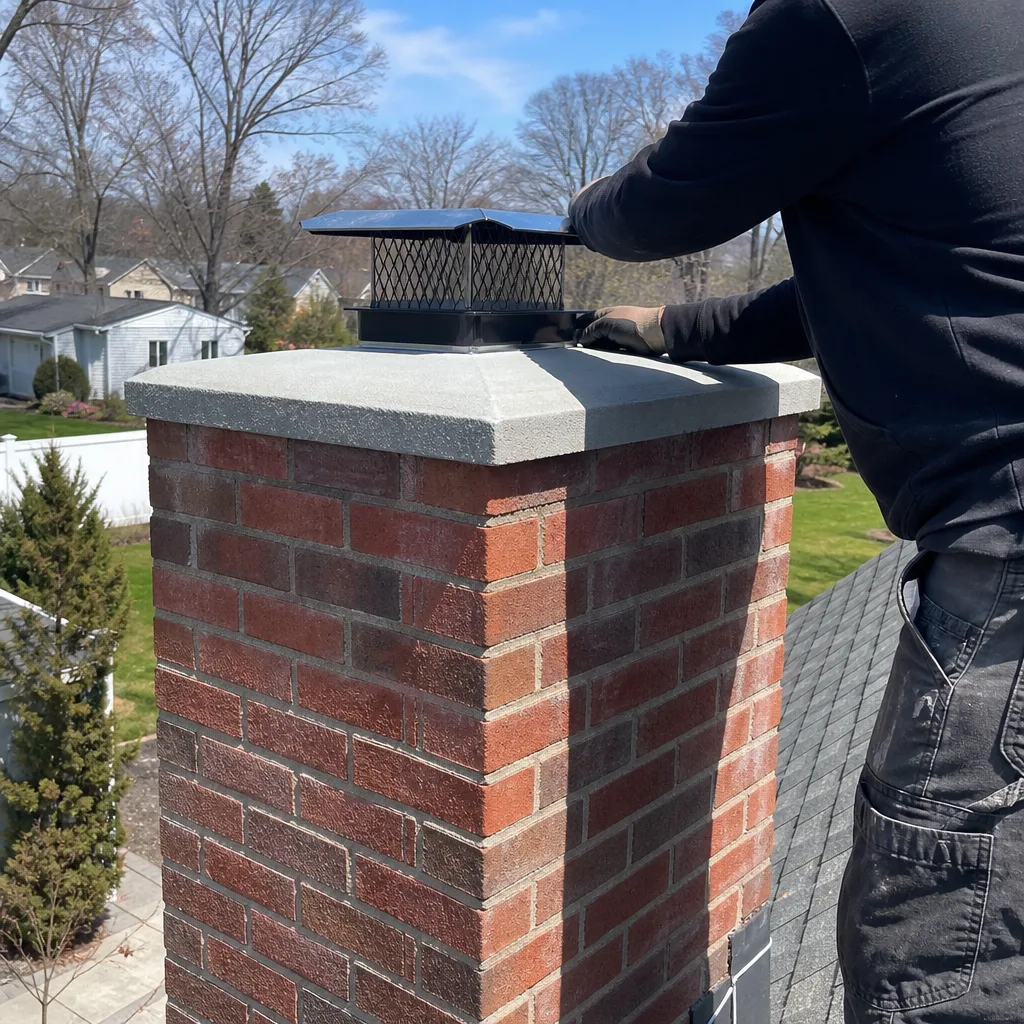 After
After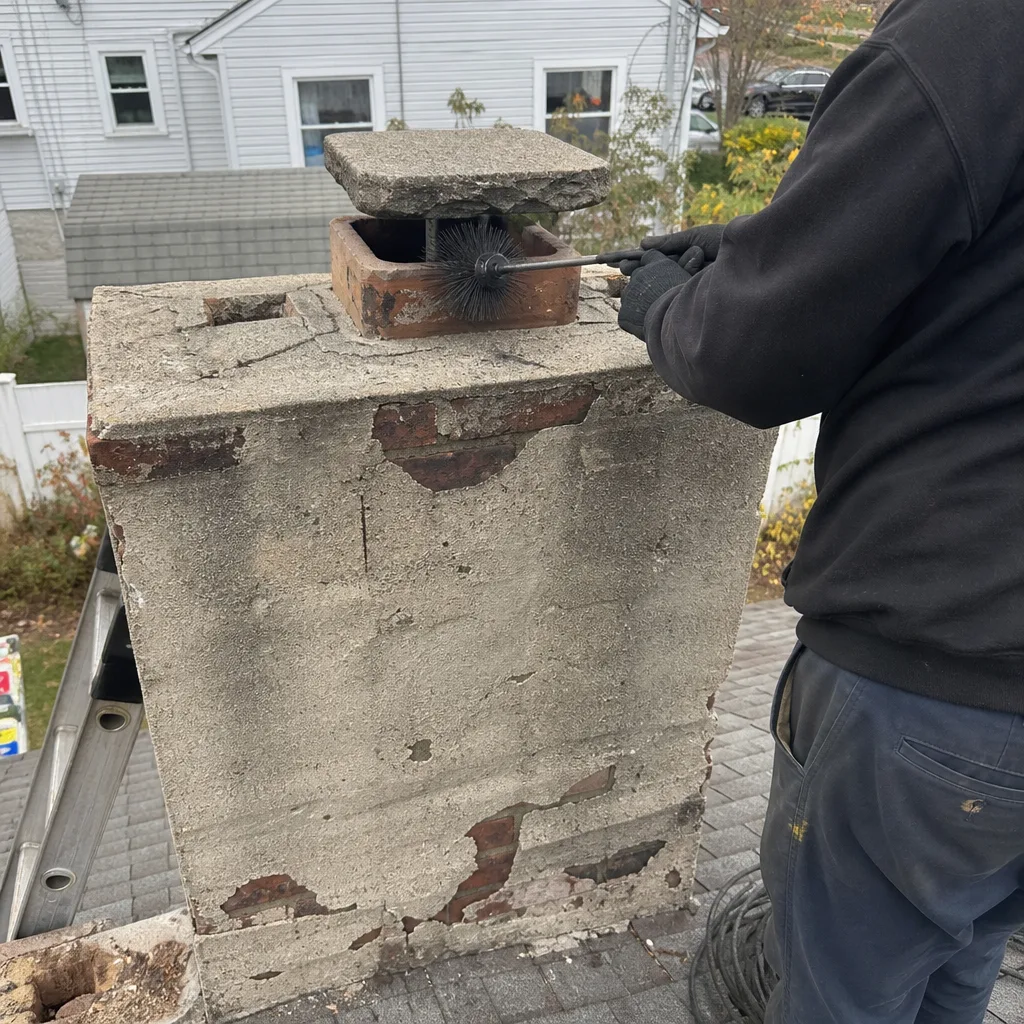 Before
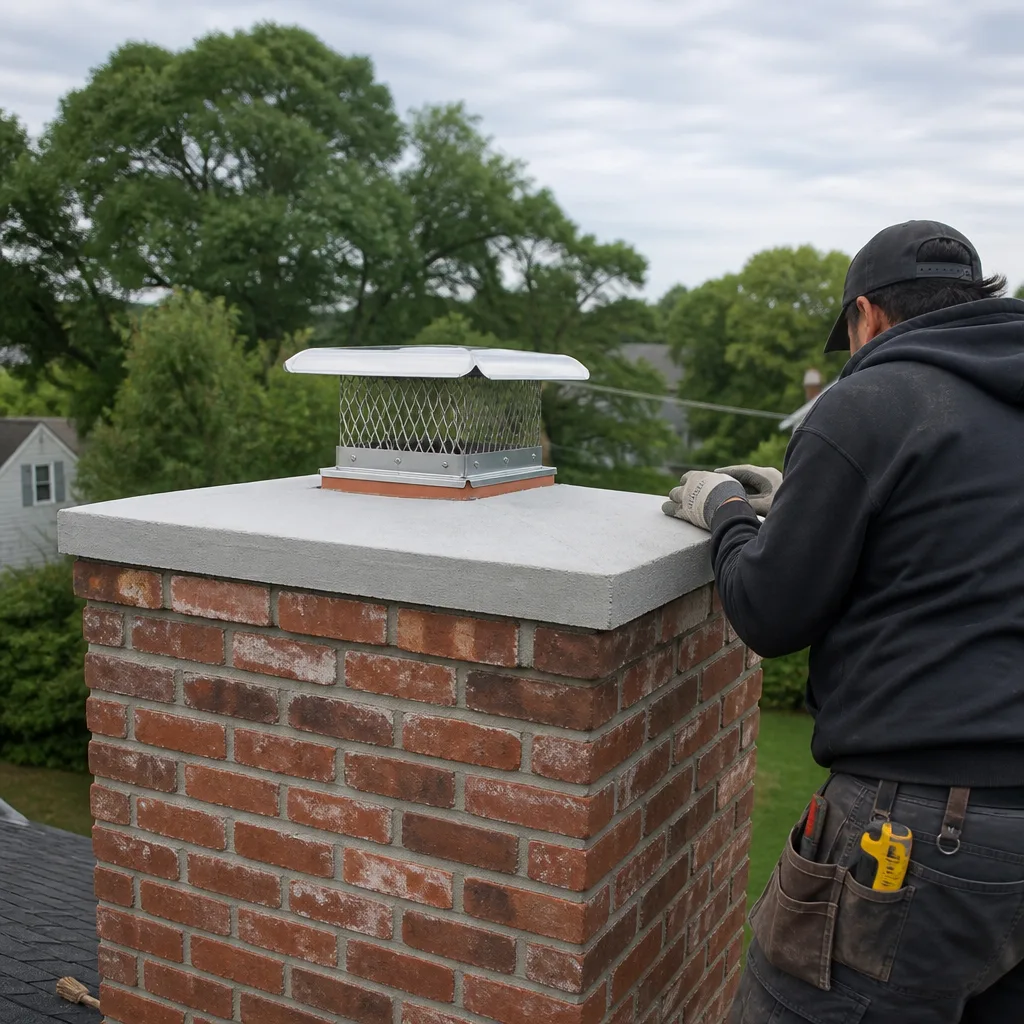 After
After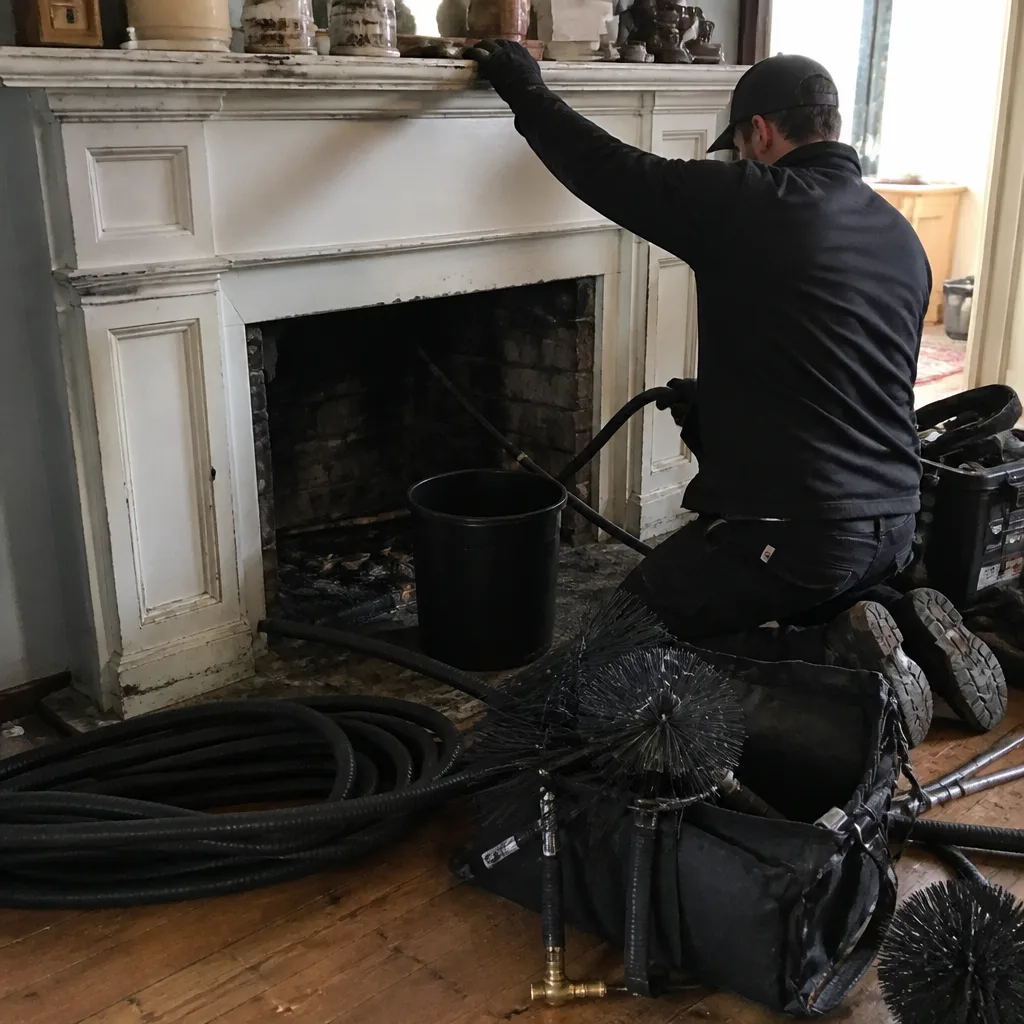 Before
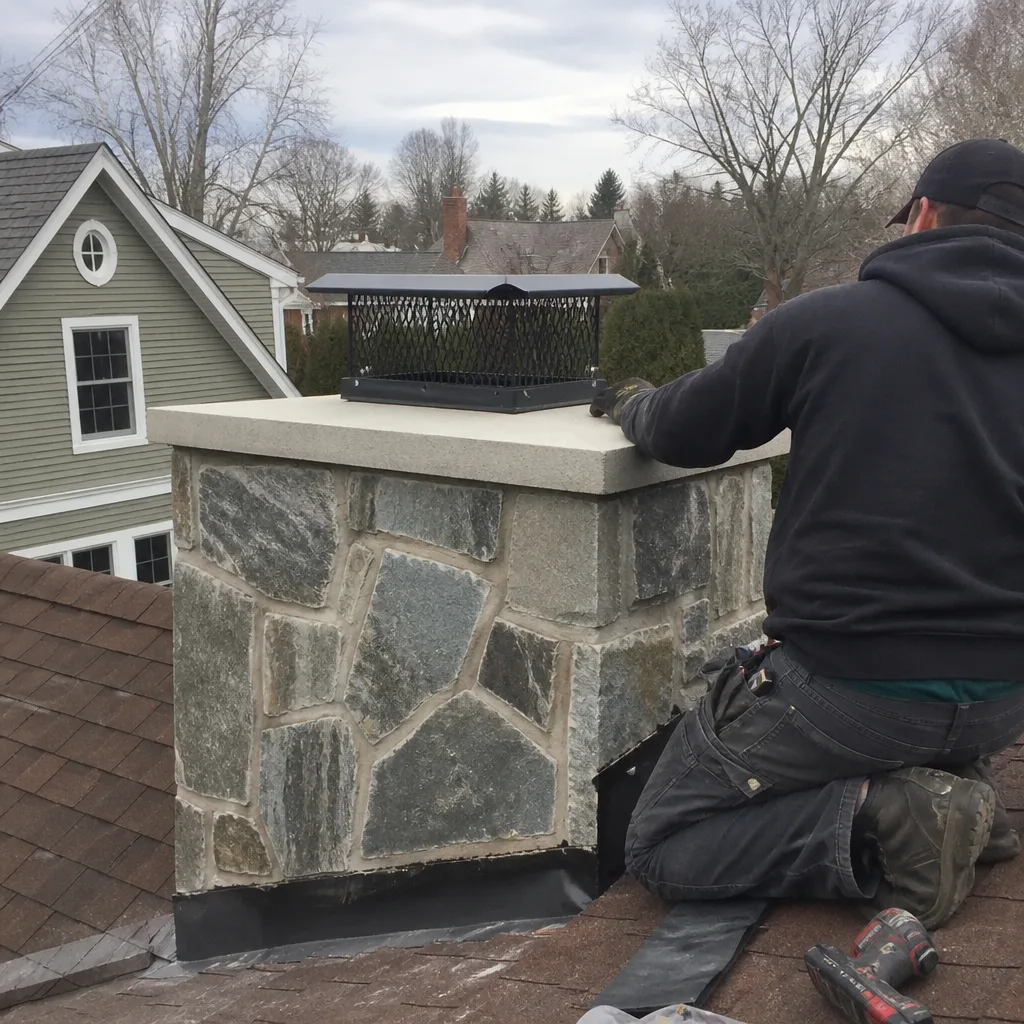 After
AfterChimney Cleaning Warning Signs: A Long Island Homeowner’s Reference Guide
The smell of something burning when your fireplace isn’t lit isn’t a quirk of old houses. It’s creosote in a compromised flue absorbing Long Island’s summer humidity and off-gassing into your living space, and it means your liner needs attention before fall. This guide names the specific warning signs we see in chimneys from Levittown to Montauk, and tells you honestly which ones mean pick up the phone this week and which ones can wait for your next annual cleaning. For a deeper dive into the full process, see The Complete Guide to Chimney Cleaning in Long Island. You’ll learn what to look for from inside your firebox, what different smells actually indicate, and why that white staining on your exterior brick is a slower-moving problem than most people think.
Quick Answer
The most common chimney warning signs on Long Island are a strong creosote odor when the fireplace isn’t in use, visible dark glaze or flaking deposits inside the firebox, white staining (efflorescence) on exterior brick, smoke spilling back into the room, and animal activity sounds or debris. If you notice creosote odor, smoke back-drafting, or signs of animals, call a sweep the same week. White exterior staining can typically wait for your next annual cleaning, though it shouldn’t be ignored indefinitely.
Table of Contents
- The Tiered Warning Sign System: What’s Urgent and What’s Not
- What Different Smells Actually Mean: Creosote, Animals, Water, and Decay
- What to Look for Inside the Firebox: A Homeowner’s Visual Checklist
- White Staining on the Exterior: Why Efflorescence Is the Most Ignored Warning Sign
- Smoke Spillage vs. Back-Drafting: Airflow Problems vs. Liner Problems
- When to Call a Sweep and When to Wait: A Long Island Decision Guide
- Common Mistakes to Avoid
- When to Call a Professional
- Frequently Asked Questions
- The Bottom Line
The Tiered Warning Sign System: What’s Urgent and What’s Not
In our 29 years of sweeping chimneys across Long Island, we’ve found that most homeowners don’t actually ignore chimney problems. They just misclassify them. A minor issue gets treated like an emergency, and an actual hazard gets put off because it doesn’t look alarming. So let’s sort the warning signs into three clear tiers: what needs a call this week, what should be addressed before the next burn season, and what you can simply watch.
Tier One: Immediate Hazards (Call the Same Week)
- Creosote odor when the fireplace is not in use. This is the sign we take most seriously, especially on humid Long Island summer days. Creosote absorbs moisture and releases a sharp, acrid smell that travels into the living space. It tells you two things: there’s a meaningful creosote buildup in the flue, and the liner isn’t keeping that buildup sealed off from the house.
- Smoke spilling back into the room during a fire. This means the flue isn’t drawing properly. The cause could be a blockage, a structural issue, or negative pressure in the house, but the result is the same: carbon monoxide and particulates in your living room. This is not a “keep using it and see” situation.
- Visible animal activity: scratching, chirping, or droppings in the firebox. A bird or squirrel in the flue is not just an inconvenience. Animals bring nesting material, which is flammable, and their presence often signals a missing or damaged chimney cap. Blocked flues cause carbon monoxide buildup. A chimney repair in Long Island that starts with a simple cap replacement is far cheaper than the fire damage a blocked flue can cause.
- Chunks of flue tile or masonry falling into the firebox. This means your flue liner is actively deteriorating. Do not burn until it’s inspected. A cracked liner can allow heat and gases to reach the combustible framing around the chimney, and that’s how chimney fires start in the walls.
Tier Two: Near-Term Issues (Address Before Next Burn Season)
- Thin cracks in the firebox walls or mortar joints. These let heat and gases escape slowly, and they worsen with every fire. You can often get through the end of a season with them, but don’t start another one without a repair.
- Rust on the damper or visible water stains inside the firebox. Water is getting in from above. The source is usually a cracked crown, a missing or damaged cap, or flashing failures where the chimney meets the roof. Left alone, water intrusion turns a $400 repair into a $4,000 rebuild.
- White staining on interior brick that wasn’t there before. This is the interior version of efflorescence (see below), and it’s a sign that water is moving through the masonry. You have time, but not unlimited time.
- A damper that no longer opens or closes smoothly. This often means rust or warping from repeated heat and moisture exposure. It’s not an emergency, but it affects draft and should be addressed before you rely on the fireplace again.
Tier Three: Watch and Monitor
- Light surface soot in the firebox. Some soot is normal. It’s the sparkly black or brown glaze that’s the problem, not the dull gray powder.
- Faint white exterior staining that hasn’t changed in years. Efflorescence that’s stable and doesn’t grow after a season of rain is a sign of past moisture, not active ingress. Still worth mentioning at your next chimney cleaning and sweep in Long Island, but not a reason to lose sleep.
- Spalling (flaking) on one or two exterior bricks. This is the beginning of water damage. It’s slow, and it’s nowhere near as urgent as a liner issue, but it won’t fix itself.
Your flue doesn’t care how the fire looks. It cares how it breathes. That’s the principle behind these tiers: the things that affect airflow and gas containment are always going to rank above cosmetic brick issues.
What Different Smells Actually Mean: Creosote, Animals, Water, and Decay
A chimney tells on itself through smell more often than any other sense, and the different odor profiles are specific enough that an experienced sweep can make a preliminary diagnosis over the phone. Here’s what we’ve learned from thousands of Long Island chimneys.
Creosote odor: sharp, acrid, somewhere between burnt tar and asphalt. This is the one that most often gets reported in August. Long Island summers are humid, and creosote is hygroscopic: it absorbs atmospheric moisture, which releases the volatile compounds that create that smell. The intensity of the odor tracks with the amount of creosote present and the condition of the flue liner. A clean flue with an intact liner shouldn’t smell at all. If you smell it, there’s enough buildup to matter and likely a liner flaw allowing that smell into the house.
Animal odor: musty, organic, often accompanied by a dead smell. Birds, squirrels, and raccoons find chimneys attractive for nesting and shelter. The smell starts as hay-like or musty when nesting material is present, and shifts to a distinct decay odor if an animal dies in the flue. This profile is common in Long Island neighborhoods with mature trees close to rooflines, which is most of Nassau and western Suffolk. The fix is removal, a proper cleaning, and a chimney cap sized and screened to keep future visitors out.
Water intrusion odor: damp, earthy, like a basement after rain. When water gets into the masonry or the firebox, it creates a distinct smell that’s often described as “old stone” or “wet concrete.” On Long Island, the freeze-thaw cycle in winter makes this worse than in warmer climates. Water seeps into tiny cracks, freezes and expands overnight, and the cracks grow. By spring, the damage is done. The silver lining: water intrusion by itself isn’t a fire hazard. But left alone, it becomes a structural hazard, and structural failure of a liner turns into a fire hazard soon after.
Masonry decay: a mineral, chalky smell with a hint of dust. This is the least discussed of the four smell profiles. It’s the odor of brick and mortar slowly returning to powder. It’s most noticeable in older Long Island homes (1920s through 1960s construction) where the mortar work is original. If you notice it, it pairs with visual signs like white staining, spalling brick, or mortar joints that look sandy and recessed.
Quick Reference: Smell Profiles at a Glance
- Sharp, like burnt tar = creosote buildup, possibly liner compromise
- Musty or dead = animal nesting or an animal in the flue
- Damp, like a basement = water ingress through crown, cap, or flashing
- Chalky, mineral = masonry decay, especially in older mortar
One more note on this: the sense of smell is subjective, but the pattern here is reliable enough that we ask every caller to describe the odor in their own words before we send Wendell out. It helps us bring the right equipment, and it saves you the cost of a second visit.
What to Look for Inside the Firebox: A Homeowner’s Visual Checklist
You don’t need to climb on your roof to get a meaningful read on your chimney’s health. The firebox and the first few inches of what you can see from inside the house tell you more than most people expect. Here’s what to look for, what normal looks like, and what should prompt a call.
What Normal Looks Like
- Firebrick: intact, with mortar joints that sit flush with the brick face. Firebrick should look dry, solid, and uniform. Hairline cracks that are barely visible and don’t open up when you press on them are common and usually fine.
- Interior walls: a dull gray or light brown surface soot. This is the natural byproduct of burning wood. It should look like powder, not glaze. You can wipe it with your finger and it smears faintly but doesn’t leave a sticky, tarry residue.
- Damper: opens and closes with reasonable effort, and the handle stays where you put it. A functional damper is not airtight, but it should sit flush enough to keep major drafts out when closed.
- No strong smell when cold and closed. A properly functioning chimney should be essentially odorless when not in use, even in humid weather.
What Should Prompt a Call
- Black, shiny, tar-like glaze on the firebox walls or visible flue area. This is third-degree (glazed) creosote. It’s the most concentrated and flammable form. First-degree creosote is a brush job. Third-degree is a glaze: catch it early. Glazed creosote does not come off with standard brushing and often requires chemical treatment or mechanical removal.
- Flaking or crumbling mortar that leaves a sandy pile at the bottom of the firebox. This is structural movement in the firebox or the flue above it. It means heat and gases can find their way into places they don’t belong.
- Visible cracks wider than 1/8 inch in the firebrick or back wall. A crack that size changes shape with heat expansion and contraction. It will not stabilize on its own.
- Rust flakes collecting below the damper. The damper is upstream of the flue; rust means water is entering from above and pooling where the damper seats. You may not see leaks yet, but the water is there.
- White or gray crust on the interior brick surfaces. This is internal efflorescence and signals active water movement through the masonry.
A Simple 5-Minute Inspection You Can Do This Weekend
- Open the damper fully and shine a bright flashlight up into the flue. Check for any obstruction: nesting material, falling debris, or a visible narrowing of the flue passage.
- Run your hand (without touching the walls) around the firebox and note any sections that look wet, darker than the surrounding brick, or glazed and shiny.
- Look at the floor of the firebox for debris that wasn’t there before: sandy mortar, rust flakes, or animal droppings.
- Check the damper: open and close it three times, noting any sticking, unusual resistance, or visible rust.
- Step outside and look at the chimney from the ground. Note any white staining, missing mortar joints, or vegetation growing from the brick.
This is not a replacement for a professional camera inspection, and a visual check from inside can’t catch everything. The camera footage and a plain-English verdict, every time, no exceptions: that’s what a proper fireplace service in Long Island provides. But knowing what your chimney looks like on a normal day is the first step to recognizing when something’s off.
White Staining on the Exterior: Why Efflorescence Is the Most Ignored Warning Sign
Walk through any Long Island neighborhood with homes built before 1990 and you’ll see it: white, chalky stains streaking down brick chimneys, sometimes in broad patches, sometimes in thin vertical lines. Most homeowners assume it’s normal weathering or even salt from ocean air. It’s neither.
Efflorescence is mineral salt that gets deposited on the brick surface when water moves through the masonry. Brick and mortar are porous. When rain water, snowmelt, or interior moisture passes through the masonry, it dissolves trace salts present in the brick and mortar. When that water reaches the outer surface and evaporates, the salts crystallize and remain, leaving the white residue.
The key diagnostic point, and the one most people miss: efflorescence is a symptom, not a problem in itself. The white powder is harmless. What it tells you is that water is moving through your chimney in a way that it shouldn’t be. And on Long Island, where winter temperatures cycle above and below freezing dozens of times each season, that water becomes a structural threat. Every time water in the brick freezes, it expands. Every expansion widens the microscopic pores and cracks. Over years, this spalls the brick faces off and recedes the mortar joints, which then lets in more water, which then accelerates the freeze-thaw damage. It’s a compounding cycle that often starts with nothing more than a faint white blush on the north-facing side of the chimney.
What’s actually happening inside when you see it depends on where the water is originating:
- Staining concentrated near the top of the chimney usually points to a cracked or improperly constructed crown, the concrete slab that caps the masonry. A crown that doesn’t overhang the brick or lacks a drip edge dumps water directly onto the wall below.
- Staining that forms a ring or band partway down the chimney often indicates failed flashing where the chimney meets the roof.
- Staining that appears on two or more sides of the chimney at the same height suggests moisture is being wicked from inside the flue, which points to liner or firebox issues.
The question every homeowner asks is: how urgent is this? In our experience, efflorescence that hasn’t changed in years and doesn’t grow after a wet season is a watch-and-monitor item. Note it, mention it at your next cleaning, and be prepared to address it if it worsens. Efflorescence that appears suddenly, or that spreads noticeably over one season, or that’s accompanied by spalling bricks on the ground is a near-term priority. Get it evaluated before the next winter. The fix is usually straightforward when caught early: a crown repair, a flashing replacement, or a waterproofing treatment. The fix when it’s ignored is a partial or full rebuild.
Ask anyone on your street: the houses that addressed their chimney staining early still have their original brick. The ones that put it off have scaffold and a masonry crew scheduled for spring.
Smoke Spillage vs. Back-Drafting: Airflow Problems vs. Liner Problems
When smoke comes into the room, the first assumption most homeowners make is that something is wrong with the chimney. That’s only sometimes true. The more accurate framing is that smoke spillage is a symptom with two very different root causes: airflow problems and liner problems. The distinction matters because the fix is different, and so is the price tag.
Airflow problems are about the pressure relationship between your house and the outside, and the ability of the flue to pull air up and out. On Long Island, this shows up in specific patterns:
- Houses built tight. Newer construction and recently weatherized older homes (new windows, added insulation, spray foam in the attic) can be so sealed that the fireplace can’t get enough makeup air. The fire burns, but the flue can’t establish proper draft because the house is fighting itself.
- Competing exhaust appliances. A bathroom fan, a kitchen range hood, or a clothes dryer running during a fire can depressurize the house enough to pull smoke back down the chimney. In Long Island basements, this is especially common during winter when dryers and oil burners run simultaneously.
- Flue sizing issues. A chimney that’s too short, too tall, or incorrectly sized for the fireplace opening creates poor draft regardless of how clean it is.
- Cold chimney syndrome. The first fire of the season on a cold, damp Long Island evening often spills smoke for a few minutes because the flue is cold and full of dense air. Once the flue warms, the draft establishes.
Liner problems are about the physical integrity of the flue passage. When a clay tile liner is cracked, offset, or deteriorated, it creates turbulence and leakage points. The flue can’t create a smooth, continuous column of rising air because the passage is broken. When a liner is compromised, smoke can leak through gaps into the chimney wall cavity, and in some cases, into the house between floors or through wall penetrations. This is the more serious of the two root causes because it’s a direct path to a chimney fire or carbon monoxide in the living space.
How do you tell the difference from your living room? The pattern of spillage gives you clues:
- Smoke spills only when the house is sealed up and multiple appliances are running, and the spill clears when you crack a window. That’s classic negative pressure, an airflow problem. The flue may be perfectly fine.
- Smoke spills consistently, regardless of weather, window position, or what’s running in the house. That points to a draft problem in the flue itself: either a blockage or a liner issue.
- Smoke doesn’t spill visibly, but you smell it in rooms away from the fireplace, especially upstairs. That’s a signature of liner leakage into wall cavities. Treat this with the same urgency as visible spillage.
Both categories warrant a professional evaluation. But here’s the distinction worth knowing: an airflow problem is often fixable with a damper adjustment, a chimney cap change, or a simple behavioral fix (crack a window, run fewer appliances during fires). A liner problem means a repair or replacement, which is a larger job but also a finite one. A company like Top Hat Chimney that shows you the camera inspection before recommending work is the difference between a $250 fix and a $4,000 surprise. We carry DuraFlex and Olympia Chimney products because they hold up to Long Island conditions, but we’ll also be the first to tell you when the existing liner is fine and the real issue is the bathroom fan.
When to Call a Sweep and When to Wait: A Long Island Decision Guide
Here’s the practical side, in plain terms. The following scenarios are the ones where we tell our Long Island neighbors to call this week, without hesitation:
Call the Same Week
- You smell creosote strongly when the fireplace is cold, especially in summer.
- Smoke enters the room during fires and doesn’t clear when you crack a window.
- You’ve seen or heard animals in or around the chimney.
- Debris is falling into the firebox on its own: mortar, brick, or tile pieces.
- You have not had the chimney inspected in more than two years and you use the fireplace regularly.
Call Before the Next Burn Season
- Visible cracks in the firebox, damper rust, or water stains in the firebox.
- Efflorescence that appeared this year or has visibly worsened.
- Spalling bricks on the exterior, especially near the roofline.
- A damper that no longer operates correctly.
Safe to Wait for Your Next Annual Cleaning
- Stable efflorescence that hasn’t changed in 12+ months.
- Light surface soot with no odor and no visible glaze.
- Hairline firebrick cracks that don’t open when you press on them.
- A chimney that was serviced last year and has been unused since.
One thing about Long Island specifically: our climate punishes deferred chimney maintenance more than most people expect. The combination of coastal humidity, winter freeze-thaw cycles, and mature tree cover near roofs means a small issue can become a structural problem in a single season. Once a year, burn or no burn. Chimneys break in the off-season too. That’s not a sales pitch, it’s a maintenance principle that’s held true across every community we’ve worked in since 1999.
Common Mistakes to Avoid
- Ignoring the summer creosote smell because “the fireplace isn’t in use.” That smell is a signal, not a nuisance. It means buildup and likely liner compromise. Waiting until fall just gives the problem more time to escalate.
- Assuming white staining is salt from ocean air. Long Island is a coastal environment, but efflorescence on a chimney is water moving through masonry, not marine salt deposits. The distinction matters because the fix is different.
- Burning a “hot fire” to burn off creosote. This is a dangerous myth. A hot fire in a dirty flue is how chimney fires start. Creosote removal is a mechanical or chemical process, not a DIY combustion project.
- Relying on visual smoke to diagnose draft problems. A flue can look like it’s drawing fine while leaking carbon monoxide into wall cavities. If you’re ever uncertain, call a professional with a camera.
- Replacing a chimney cap with whatever fits from the hardware store. Improperly sized caps restrict draft or let rain and animals in. The mesh size, the cap profile, and the mounting method all matter, and the wrong one creates a new problem while solving none.
- Waiting for a problem to become visible before having the chimney cleaned. By the time many problems are visible from inside the house, they’ve been developing for months or years. Annual cleaning is the early detection system.
- Choosing a sweep based on price alone. The cheapest quote is often a bait number from a company that will “find” problems once they’re on the roof. A fair price from a locally owned sweep with a published name and license number is a better value every time, which is why Top Hat Chimney gives you upfront pricing before a single tool comes off the truck. The number you hear on the phone is the number on the invoice.
When to Call a Professional
You should call a professional chimney sweep anytime you notice any of the Tier One warning signs in this guide: creosote odor when the fireplace is cold, smoke spilling into the room, animal activity, or debris falling into the firebox. If you’re unsure whether to tackle maintenance yourself or bring in a pro, our DIY vs Professional Chimney Cleaning: The Long Island Homeowner’s Decision Guide can help you decide. You should also call before your next burn season if you see water staining in the firebox, worsening efflorescence, or a damper that no longer works properly. And you should schedule an annual cleaning as routine preventive maintenance, even if nothing looks or smells wrong.
High-tension chimney components, including caps at roofline height and liner systems, carry real risks when worked on improperly. Ladder work on a two-story Long Island roof is not the place for a first attempt. Wendell and his crew have been doing this work in the same communities since 1999, and we’d rather inspect your chimney and tell you nothing is wrong than have you guess at it. Top Hat Chimney offers free estimates in Long Island. Call (516) 968-5380 and a live person answers, around the clock, and it may well be Wendell himself picking up.
Frequently Asked Questions
Once a year, regardless of how often you use your fireplace. Long Island’s coastal humidity accelerates creosote absorption and off-gassing in the summer, and the freeze-thaw cycle in winter turns small masonry cracks into larger ones. An annual cleaning catches buildup before it becomes a hazard and gives you a professional inspection of the liner, cap, and crown every year. Call (516) 968-5380 to schedule your annual cleaning with a locally owned sweep.
Creosote smells sharp and acrid, something between burnt tar and hot asphalt, and it’s most noticeable on humid days when the fireplace hasn’t been used. The smell comes from moisture releasing volatile compounds in the creosote deposits inside the flue. If you smell it, you have enough buildup to matter, and your liner likely has a breach allowing that smell into the living space. Call (516) 968-5380 for an inspection and quote.
Not necessarily. The smell means there’s creosote building up and a pathway for the odor to enter the house. Sometimes that pathway is a breach in the liner that requires repair or replacement; sometimes it’s a damper issue or a failing smoke chamber. The only way to know for certain is a camera inspection. Top Hat Chimney shows you the footage and explains what it means in plain English before recommending any work. Nothing is recommended without evidence you can see for yourself.
The creosote keeps accumulating. First-degree creosote becomes second-degree, then third-degree, which is the glazed, highly flammable form. At the same time, any small liner crack or mortar joint issue continues to grow with each freeze-thaw cycle. Eventually, you’re looking at either a chimney fire, carbon monoxide infiltration, or a structural repair that costs five to ten times what an annual cleaning would have cost. The downside of staying current is a modest annual expense. The downside of skipping is a fire hazard in your walls. Call (516) 968-5380 for a free estimate and get current before the next burn season.
Chimney cleaning and sweeping on Long Island typically runs between $180 and $350 depending on the condition of the chimney, the amount of creosote present, and whether additional services like a cap or crown inspection are included. Some jobs cost more when there’s glazed creosote that requires chemical treatment or when animals need to be removed. Top Hat Chimney gives you upfront pricing before any work starts: the number you hear over the phone is the number on the invoice. Call (516) 968-5380 for an exact quote. Estimates are free.
No, white staining (efflorescence) is not an emergency in itself. It’s a sign that water is moving through your masonry, and it’s a problem you should address, but it doesn’t require same-week action unless it appeared suddenly and is spreading rapidly. Monitor it through a season. If it’s stable, mention it at your next annual cleaning. If it grows noticeably or is accompanied by spalling brick, call (516) 968-5380 for an evaluation before the next winter.
The Bottom Line
Your chimney speaks to you well before it fails. The creosote smell in August, the smoke that lingers in the living room, the white bloom creeping down the brick: these are all messages, and once you know how to read them, the path forward is clear. Most chimney problems on Long Island are preventable with one annual cleaning and a willingness to act on the signals when they first appear. For more guides & resources on keeping your chimney safe year-round, visit our blog. The expensive problems are almost always the ones that were ignored for two, three, or five seasons first.
If you’ve read this far, you’re already ahead of most homeowners. The next step is simple: call (516) 968-5380 for a free estimate, and Wendell or one of his crew will come out, show you exactly what’s going on with a camera, and tell you honestly whether anything needs doing. That’s the way we’ve worked in Long Island since 1999, and it’s not changing.
Written by Wendell Pike, Owner at Top Hat Chimney, serving Long Island since 1999.